
Ever wondered what magically keeps your car battery alive and kicking? This article breaks down the essential components and processes that continuously charge your car battery, from the powerful alternator to the precise voltage regulator. We’ll explore how these parts work together to ensure your vehicle starts reliably and powers all its electrical systems, offering clear explanations and practical tips to understand this vital process.
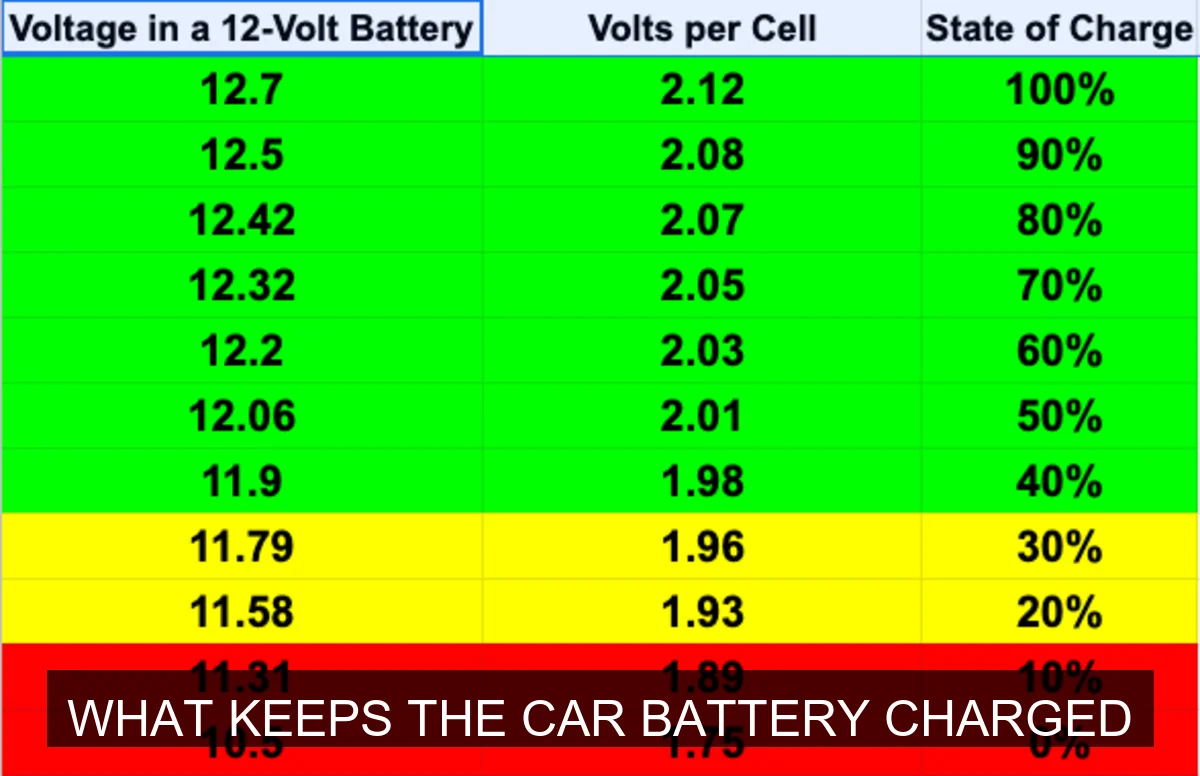
Image source: Saymedia-content
📋 Table of Contents
- 🔹 Introduction: Powering Your Ride
- 🔹 What Keeps the Car Battery Charged? The Core Components
- 🔹 Why a Properly Charged Battery System is Critical
- 🔹 How the Car Battery Charging System Works: A Step-by-Step Guide
- 🔹 Benefits of a Healthy Charging System
- 🔹 Common Misconceptions and Charging Mistakes to Avoid
- 🔹 Practical Tips for Maintaining Your Charging System
- 🔹 Frequently Asked Questions (FAQ) About Car Battery Charging
- 🔹 Conclusion: Keeping Your Car’s Heart Beating Strong
Introduction: Powering Your Ride
Your car battery is primarily kept charged by the alternator, a crucial component that generates electricity while the engine runs. This electricity powers the vehicle’s systems and continuously replenishes the battery’s charge, ensuring it has enough juice to start the car and run accessories. The voltage regulator works alongside to maintain a stable charging voltage.
We rely on our cars every day, but have you ever stopped to think about the intricate dance of electricity that keeps everything running smoothly? It’s a common question: what exactly keeps the car battery charged, preventing you from being stranded with a dead engine? It’s more than just the battery itself; it’s a dynamic system working constantly behind the scenes.
In this article, we’ll peel back the layers of your vehicle’s electrical system to reveal the main players in keeping that battery topped up. Understanding these components isn’t just for mechanics; it helps every car owner appreciate their vehicle and even spot potential issues early. Let’s dive in!
What Keeps the Car Battery Charged? The Core Components
The car’s charging system is a team effort, but two main components lead the charge (pun intended!): the alternator and the voltage regulator. The battery, of course, is the reservoir for all that electrical power.
The Alternator: Your Car’s Power Plant
Think of your alternator as a small, onboard power station. Its primary job is to generate electricity. As your engine runs, it spins a belt that’s connected to the alternator. Inside the alternator, this rotational energy is converted into electrical energy. This electricity is what powers all your car’s electrical accessories — your headlights, radio, air conditioning, power windows, and more — and simultaneously recharges the battery.
Without a working alternator, your car would quickly drain its battery and then simply stop running once that stored power is gone. It’s the workhorse that ensures a continuous supply of power.
The Voltage Regulator: Keeping Things Steady
While the alternator generates electricity, it can produce varying amounts depending on the engine’s speed. That’s where the voltage regulator comes in. This smart device ensures that the electricity flowing to your battery and other electrical components is at a consistent, safe voltage, typically between 13.8 to 14.7 volts.
- Prevents Overcharging: If the voltage were too high, it could literally boil the electrolyte in your battery, severely damaging it.
- Prevents Undercharging: If the voltage were too low, the battery wouldn’t get a full charge, leading to a gradual drain over time.
The voltage regulator acts as a crucial guardian, balancing the power output to protect your battery and sensitive electronic systems.
The Battery Itself: Storage for the Spark
Of course, we can’t talk about what keeps the battery charged without talking about the battery! While the alternator does the ongoing charging, the battery performs a critical role too. It stores the electrical energy needed to:
- Start the Engine: When you turn the key or push the start button, the battery provides a burst of high-amperage current to crank the starter motor. This initial surge is powerful and essential.
- Provide Backup Power: It acts as a buffer, smoothing out any power fluctuations from the alternator and providing power when the engine isn’t running (like when you’re listening to the radio with the engine off).
So, the battery is less about generating power and more about storing and delivering it when needed most.
Why a Properly Charged Battery System is Critical
A well-functioning charging system is vital for more than just starting your car. It’s foundational to your vehicle’s overall health and your safety on the road. Here’s why it’s so important:
- Reliable Starting: This is the most obvious benefit. A properly charged battery means your car will start consistently, saving you from frustrating delays and unexpected breakdowns.
- Optimal Performance of Electrical Components: Everything from your headlights to your navigation system relies on a steady, correct voltage. An underperforming charging system can lead to dim lights, erratic electronics, and even damage to sensitive components over time.
- Extended Battery Lifespan: Batteries are designed to be charged and discharged within certain parameters. A healthy charging system ensures your battery stays within these optimal ranges, preventing premature wear and tear and extending its service life.
- Safety: Imagine driving at night and your headlights suddenly dim, or your wipers slow down in a rainstorm. A failing charging system can compromise critical safety features, making driving dangerous.
- Avoiding Costly Repairs: Ignoring a charging system problem can lead to further damage to other expensive components, like the battery itself or the car’s computer. Addressing issues early can save you money in the long run.
“The charging system is the unsung hero of your car’s electrical health. When it works, you barely notice it; when it fails, you’re certainly aware.”
How the Car Battery Charging System Works: A Step-by-Step Guide
Let’s walk through the continuous cycle of how your car’s electrical system keeps the battery charged and powers everything else:
- You Start the Engine: When you turn the key, the battery provides a surge of electrical power to the starter motor. This spins the engine to life.
- Engine Fires Up and Spins the Alternator: Once the engine is running, a serpentine belt connects the engine’s crankshaft pulley to the alternator pulley. As the engine revs, it spins the alternator.
- Alternator Generates AC Power: Inside the alternator, a rotating electromagnetic field (rotor) spins within a set of stationary wire coils (stator), inducing an alternating current (AC) electricity.
- Rectifier Converts AC to DC: Cars run on direct current (DC) electricity, so the AC power generated by the alternator must be converted. A component called a rectifier (made of diodes) converts the AC into usable DC power.
- Voltage Regulator Maintains Correct Voltage: As the DC power leaves the rectifier, it passes through the voltage regulator. This device constantly monitors the system’s voltage and adjusts the alternator’s output to keep it within the ideal range (around 13.8 to 14.7 volts). This prevents both overcharging and undercharging.
- Power Distribution and Battery Recharging: The regulated DC power then flows out to two main destinations:
- Powers Vehicle Systems: It provides immediate electricity to all the car’s electrical components — lights, radio, ignition system, onboard computer, fuel pump, etc.
- Recharges the Battery: Any excess power is directed back to the battery, replenishing the charge it used to start the car and topping it up for future use.
This entire process happens continuously as long as the engine is running, creating a self-sustaining electrical ecosystem for your vehicle.
Benefits of a Healthy Charging System
Maintaining a healthy charging system offers a cascade of advantages for any car owner:
- Peace of Mind: Knowing your car will start reliably whenever you need it to is a significant stress reducer.
- Optimal Performance: All your car’s electrical components — from the engine control unit to your power windows — operate best when supplied with consistent, correct voltage.
- Longer Component Life: Proper voltage protects not just the battery, but also sensitive electronics and light bulbs from premature failure due to power surges or drops.
- Better Fuel Economy (Indirect): While not a direct link, a properly functioning electrical system ensures all engine sensors and fuel delivery components are working optimally, which can indirectly contribute to better fuel efficiency.
- Enhanced Resale Value: A well-maintained vehicle, including its critical electrical system, will generally hold its value better.
Common Misconceptions and Charging Mistakes to Avoid
Understanding what keeps the car battery charged also means debunking some myths and recognizing common mistakes:
Misconceptions:
- “The battery powers everything all the time.” While the battery provides initial power, once the engine is running, the alternator takes over powering most systems and recharging the battery. The battery becomes a storage and buffer unit.
- “A new battery means no charging problems.” A new battery can still go flat quickly if your alternator or voltage regulator isn’t working correctly. The battery only stores power; it doesn’t generate it.
Mistakes to Avoid:
- Ignoring the Battery Warning Light: If this light comes on, it almost always indicates an issue with the charging system, not just the battery itself. Get it checked promptly.
- Frequent Short Trips: If you only drive very short distances (e.g., less than 15-20 minutes), your alternator might not have enough time to fully recharge the battery, especially after starting the car. Over time, this can lead to a partially discharged battery.
- Leaving Accessories On: Forgetting to turn off headlights, interior lights, or leaving a device plugged in when the engine is off can quickly drain a battery, as the alternator isn’t running to replenish the power.
- “Jump-starting fixes the problem.” Jump-starting gets your car running, but it doesn’t fix a faulty charging system. If your car won’t start again shortly after a jump, the problem likely lies with the alternator or regulator.
Practical Tips for Maintaining Your Charging System
You don’t need to be an expert mechanic to help keep your car’s charging system healthy. Here are some simple, practical tips:
- Regular Visual Checks: Periodically check the serpentine belt that drives your alternator. Look for cracks, fraying, or excessive looseness. A slipping belt means the alternator won’t spin effectively.
- Keep Battery Terminals Clean: Corroded battery terminals can impede the flow of electricity, affecting both the battery’s ability to discharge and recharge. Clean them regularly with a wire brush and a baking soda-water solution.
- Understand Your Dashboard Lights: Pay attention to the battery warning light. It’s usually shaped like a battery icon. If it illuminates while driving, it means the charging system isn’t working as it should.
- Occasional Longer Drives: If your typical commute involves only short trips, try to take a longer drive (at least 30 minutes) once a week to allow the alternator sufficient time to fully recharge the battery.
- Avoid Excessive Accessory Use with Engine Off: Minimize using your radio, lights, or charging devices when the engine isn’t running to prevent unnecessary battery drain.
- Have the System Tested: Many auto parts stores offer free charging system tests. It’s a quick way to get an idea of your alternator and battery health.
Frequently Asked Questions (FAQ) About Car Battery Charging
What is the typical voltage for a car battery?
A fully charged car battery (when the engine is off) typically measures around 12.6 to 12.8 volts. When the engine is running, and the alternator is actively charging, the system voltage should be higher, usually between 13.8 and 14.7 volts. This higher voltage is necessary to push current back into the battery and recharge it.
Can a car run without a battery if the alternator is working?
Technically, some older cars might continue to run for a short time if the battery is removed after the engine has started and the alternator is working. However, this is extremely risky and can damage the vehicle’s electrical system, especially modern cars with sensitive electronics. The battery acts as a crucial voltage stabilizer, smoothing out fluctuations from the alternator. Without it, voltage spikes can occur, potentially frying the car’s computer or other components. Always keep the battery connected when the engine is running.
How long does an alternator typically last?
The lifespan of an alternator can vary significantly, but on average, they last between 80,000 to 150,000 miles, or roughly 5 to 8 years. Factors like driving conditions (heavy stop-and-go traffic can stress it more), electrical load (running many accessories), and environmental conditions can influence its longevity.
What does the battery warning light on the dashboard mean?
When the battery warning light illuminates on your dashboard (the one shaped like a battery), it usually indicates that there’s an issue with the car’s charging system, not necessarily just a dead battery. It often means the alternator isn’t generating enough power, the voltage regulator is faulty, or there’s a problem with the wiring or belt connecting the alternator. It’s a signal to get the system checked immediately.
| Component | Primary Function | Typical Lifespan |
|---|---|---|
| Car Battery | Stores electrical energy, provides initial engine cranking power. | 3-5 years |
| Alternator | Generates AC electricity when engine runs, converts to DC to power systems and recharge battery. | 5-8 years or 80k-150k miles |
| Voltage Regulator | Maintains stable charging voltage to prevent over/undercharging. Often integrated into alternator. | Similar to alternator if integrated, or independently longer. |
| Serpentine Belt | Drives the alternator (and other accessories) from the engine’s crankshaft. | 50k-100k miles, or 5-7 years |
Conclusion: Keeping Your Car’s Heart Beating Strong
Understanding what keeps the car battery charged demystifies a crucial part of your vehicle’s operation. It’s a sophisticated system where the alternator, with the precise guidance of the voltage regulator, continuously works to generate power, supply your car’s electrical needs, and replenish the battery’s reserves. The battery itself plays the critical role of providing the initial burst for starting and acting as a stable power buffer.
This intricate dance of components ensures your car starts reliably, its systems function optimally, and you stay safe on the road. By recognizing the importance of each part and following a few simple maintenance tips, you can help ensure your car’s electrical heart beats strong for years to come.