
The primary component that charges the battery in a car while the engine is running is the alternator. This vital device converts mechanical energy from the engine into electrical energy, continuously recharging the 12-volt battery and powering all the car’s electrical systems.
Ever wondered what keeps your car’s battery alive and well while you drive? It’s the hardworking alternator, a crucial part of your vehicle’s electrical system. This article will dive deep into how your car’s battery gets charged, exploring the role of the alternator, the charging process, and why this system is absolutely essential for your car’s reliable operation.
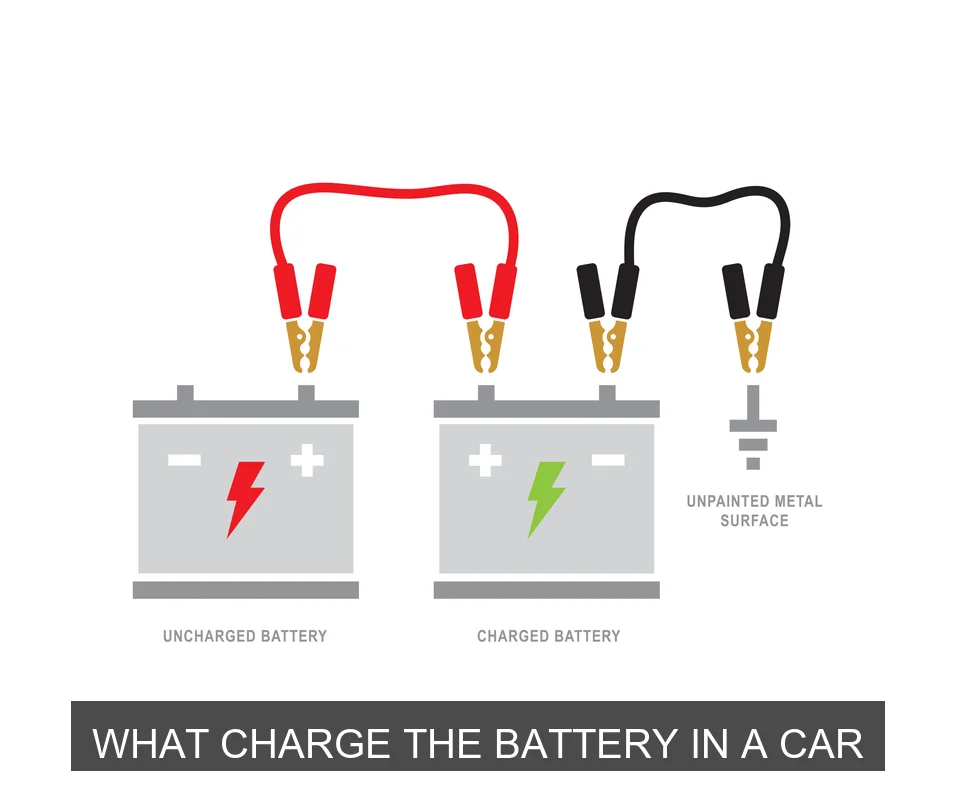
Image source: Tontio
📋 Table of Contents
- 🔹 Introduction: The Heart of Your Car’s Power
- 🔹 What is an Alternator and How Does it Charge the Battery in a Car?
- 🔹 Why is a Car’s Charging System So Important?
- 🔹 How the Car Battery Charging System Works: A Step-by-Step Guide
- 🔹 Key Components of the Charging System
- 🔹 Benefits of a Healthy Car Charging System
- 🔹 Common Misconceptions About Car Battery Charging
- 🔹 Practical Tips for Maintaining Your Charging System
- 🔹 Real-Life Scenarios: When the Charger Isn’t Charging
- 🔹 Frequently Asked Questions (FAQ)
- 🔹 Conclusion: Keeping Your Car Powered Up
Introduction: The Heart of Your Car’s Power
Imagine starting your car, turning on the radio, using the wipers, and charging your phone, all at once. What makes this possible? While the battery gets things started, it’s not the sole provider of power. There’s a dedicated system at work to ensure your battery stays charged and all your electrical components receive the energy they need. Understanding what charges the battery in a car is key to grasping how your vehicle truly operates and how to keep it running smoothly.
In this comprehensive guide, we’ll demystify the car’s charging system, focusing on its main component: the alternator. We’ll break down how it functions, why it’s so critical, and what you can do to ensure it always performs its best. By the end, you’ll have a clear picture of this unsung hero under your hood.
What is an Alternator and How Does it Charge the Battery in a Car?
The star of our show is the alternator. In simple terms, an alternator is an electrical generator that transforms mechanical energy into electrical energy. It’s usually located near the front of the engine and is driven by the engine’s serpentine belt.
When your car’s engine runs, the serpentine belt spins a pulley on the alternator. Inside the alternator, this rotation creates an alternating current (AC) electricity. Since a car’s electrical system operates on direct current (DC), the alternator also contains a component called a rectifier that converts the AC into usable DC electricity.
This DC electricity then does two main jobs:
- Recharges the battery: It replenishes the power the battery lost when starting the car and compensates for any discharge during operation.
- Powers electrical components: It provides the necessary electricity for your headlights, radio, air conditioning, power windows, ignition system, and all other electrical accessories while the engine is running.
Why is a Car’s Charging System So Important?
You might think the battery does all the work, but that’s only part of the story. The battery’s primary role is to provide a massive burst of power to crank the engine and get it started. Once the engine is running, the charging system takes over. Here’s why it’s incredibly important:
- Continuous Power Supply: It ensures a constant flow of electricity to all your car’s essential systems. Without it, your car would quickly run out of power after starting, leaving you stranded.
- Battery Longevity: By keeping the battery charged, the alternator prevents deep discharge, which can significantly shorten the battery’s lifespan. A properly charged battery lasts longer.
- Reliable Operation: From your fuel injectors to your power steering, almost everything in a modern car relies on electricity. A healthy charging system means everything works as it should, ensuring a reliable and safe driving experience.
How the Car Battery Charging System Works: A Step-by-Step Guide
The process of what charges the battery in a car is a coordinated effort involving several components. Let’s break it down:
- Engine Starts: When you turn the ignition, the car battery provides the initial surge of power to the starter motor, which cranks the engine.
- Engine Runs: Once the engine starts, it begins to spin the serpentine belt.
- Alternator Engages: The serpentine belt turns the alternator’s pulley. This rotation sets internal components (like the rotor and stator) in motion, generating alternating current (AC) electricity through electromagnetic induction.
- AC to DC Conversion: The alternator’s rectifier converts this AC electricity into direct current (DC) electricity, which is what the car’s battery and electrical system use.
- Voltage Regulation: A voltage regulator, often built into the alternator, monitors the system’s voltage. It ensures the alternator produces a consistent output (typically between 13.5 to 14.7 volts) to prevent overcharging or undercharging the battery.
- Power Distribution: The regulated DC electricity is then sent to both recharge the car battery and power all the electrical accessories currently in use (lights, radio, climate control, etc.).
Key Components of the Charging System
While the alternator is the star, it works in conjunction with other critical parts to form a complete charging system:
| Component | Role in Charging |
|---|---|
| Car Battery | Provides initial power for starting, acts as a buffer for the electrical system, stores charge. |
| Alternator | Generates electricity (AC, then converted to DC) once the engine is running. |
| Voltage Regulator | Controls the alternator’s output, ensuring consistent voltage for optimal charging and preventing overcharge. |
| Serpentine Belt | Transfers mechanical power from the engine’s crankshaft to the alternator’s pulley. |
| Wiring and Cables | Connects all components, carrying electrical current throughout the system. |
Each of these parts must be in good working order for the entire system to function effectively.
Benefits of a Healthy Car Charging System
When all components work together seamlessly, you enjoy several key benefits:
- Reliable Starts: Your car will start consistently every time you turn the key or push the button because the battery is always adequately charged.
- Optimal Electrical Performance: All your car’s lights, entertainment systems, and safety features will operate at their best without dimming or flickering.
- Extended Battery Life: A properly maintained charge prevents battery strain, prolonging its overall life and saving you from premature replacements.
- Reduced Risk of Breakdowns: Knowing that your charging system is robust significantly reduces the chances of unexpected electrical failures on the road.
Common Misconceptions About Car Battery Charging
Let’s clear up a few common misunderstandings about how car batteries get charged:
Misconception 1: “The battery powers everything.”
Reality: The battery primarily starts the car. Once the engine runs, the alternator takes over to power accessories and recharge the battery. Without the alternator, the battery would quickly drain.Misconception 2: “Short drives fully charge the battery.”
Reality: Short trips, especially in stop-and-go traffic or with many accessories running, might not give the alternator enough time to fully replenish the battery’s charge after starting. Longer drives are much better for battery health.Misconception 3: “A dying battery means the alternator is fine.”
Reality: A dying battery could be a symptom of a failing alternator that isn’t charging it properly. It’s crucial to test both components to find the real issue.
Practical Tips for Maintaining Your Charging System
Keeping your charging system healthy is crucial for your car’s longevity. Here are some simple tips:
- Regular Inspections: Have your charging system, including the alternator and battery, tested periodically during routine maintenance. Many auto service centers offer this for free.
- Check Belt Tension: Ensure the serpentine belt is in good condition and properly tensioned. A loose or worn belt can cause the alternator to slip and not charge effectively.
- Clean Battery Terminals: Corrosion on battery terminals can hinder proper charging and power delivery. Keep them clean and tight.
- Avoid Excessive Accessory Use (Engine Off): Try not to use power-hungry accessories like the radio or headlights for extended periods when the engine isn’t running. This drains the battery without the alternator to recharge it.
Real-Life Scenarios: When the Charger Isn’t Charging
Understanding the charging system also means knowing when something might be wrong. Here are some common signs:
- Dimming Headlights/Interior Lights: This is a classic sign that the alternator isn’t producing enough power. The electrical system starts drawing directly from the battery, which quickly weakens.
- Battery Warning Light: Your dashboard might illuminate a battery-shaped warning light. This doesn’t always mean a bad battery; it often indicates a problem with the charging system.
- Strange Noises: A failing alternator can sometimes produce a whining or grinding noise, especially if its bearings are worn.
- Stalling Engine: If the alternator isn’t charging, the car might run solely on battery power until it drains completely, causing the engine to stall.
If you notice any of these symptoms, it’s wise to have your vehicle checked by a professional. Ignoring these signs can lead to being stranded.
Frequently Asked Questions (FAQ)
What is the main component that charges a car battery?
The primary component responsible for charging a car battery while the engine is running is the alternator. It converts mechanical energy from the engine into electrical energy to keep the battery charged and power the car’s electrical systems.
Why is the car’s charging system important?
The charging system is crucial because it continuously replenishes the battery’s charge and powers all of the vehicle’s electrical components once the engine starts. Without it, the battery would quickly drain, and the car’s electrical systems would fail, leading to a breakdown.
How does the car’s charging system work?
Once the engine is running, the serpentine belt turns the alternator, which generates AC electricity. This AC is converted to DC by a rectifier, and then a voltage regulator ensures a consistent output. This regulated DC power recharges the battery and operates all electrical accessories.
What are the signs of a faulty charging system?
Common signs include dimming headlights or interior lights, a dashboard battery warning light illuminating, a whining or grinding noise from under the hood (often from the alternator), or the car stalling unexpectedly. These all point to the alternator not providing enough power.
Which comes first: a bad battery or a bad alternator?
It’s a bit of a “chicken or the egg” scenario, as one can lead to the other. A failing alternator will cause a battery to die prematurely due to undercharging. Conversely, an old or faulty battery can put extra strain on the alternator, potentially shortening its lifespan. It’s always best to test both when troubleshooting a charging issue.
Conclusion: Keeping Your Car Powered Up
Understanding what charges the battery in a car reveals a sophisticated and vital system working tirelessly beneath your hood. The alternator, supported by the battery, voltage regulator, and serpentine belt, forms the backbone of your vehicle’s electrical health. It’s not just about starting your car; it’s about ensuring every light, sensor, and comfort feature operates flawlessly on every journey.
By appreciating this system and taking simple steps for its maintenance, you contribute significantly to your car’s reliability and your peace of mind on the road. Keep these insights in mind, and you’ll be well-equipped to keep your car powered up and performing at its best.