
When charging a car battery, the ideal amperage typically ranges from 2 to 10 amps for most standard automotive batteries. A lower amperage, like 2-4 amps, provides a slower, safer, and more thorough charge that’s gentler on the battery, often preferred for maintenance or overnight charging. Higher amperages, such as 6-10 amps, offer a quicker charge but should be used with caution to avoid potential damage if not managed correctly.
Understanding the correct amperage to charge a car battery is crucial for its health and longevity. This guide dives deep into why amperage matters, how it impacts charging, and what practical steps you can take to charge your car battery safely and effectively, avoiding common mistakes along the way.
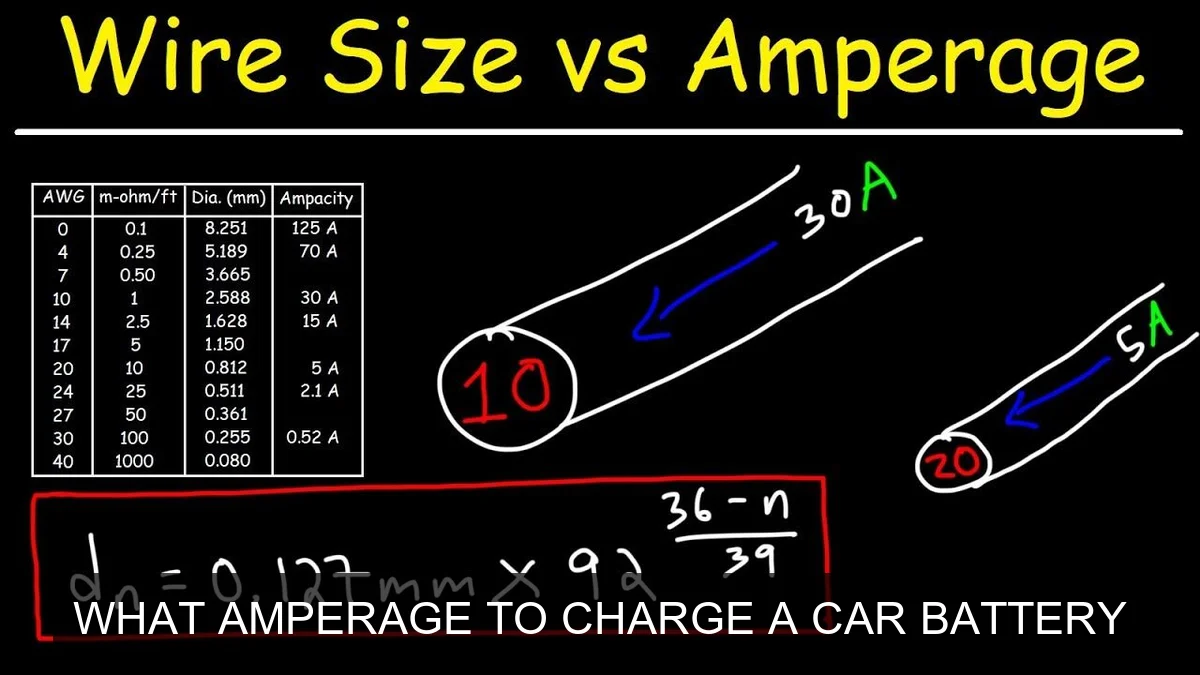
Image source: Pinimg
📋 Table of Contents
- 🔹 Getting to Grips with Car Battery Charging Amperage
- 🔹 What Amperage Means When Charging a Car Battery
- 🔹 Why the Right Amperage is So Important
- 🔹 How Charging Amperage Works
- 🔹 The Benefits of Using the Correct Amperage
- 🔹 Common Mistakes to Avoid When Setting Amperage
- 🔹 Practical Tips for Safe and Effective Charging
- 🔹 Real-Life Charging Scenarios
- 🔹 People Also Ask About Amperage for Car Battery Charging
- 🔹 Conclusion: Charge Smart, Drive Confident
Getting to Grips with Car Battery Charging Amperage
Ever found yourself with a dead car battery, wondering how to bring it back to life? You grab a charger, but then you see different settings, often marked in “amps.” What do these numbers mean, and which one should you pick? It can feel a bit confusing, but understanding what amperage to charge a car battery at is simpler than you might think. It’s also super important for keeping your battery healthy and ensuring your charging process is safe and effective.
This article will be your friendly guide. We’ll explore the ins and outs of charging amperage, explaining why it matters, how to choose the right setting, and how to avoid common pitfalls. By the end, you’ll feel confident and informed about charging your car battery like a pro.
What Amperage Means When Charging a Car Battery
In simple terms, amperage (amps) refers to the rate of electrical current flow. Think of it like water flowing through a hose. The voltage is the water pressure, and the amperage is how much water actually flows out per second. When you’re charging a car battery, the amperage setting on your charger determines how quickly electricity is pushed into the battery.
Car batteries store energy, usually measured in Amp-hours (Ah). This rating tells you how much current a battery can deliver for a certain amount of time. For example, a 60Ah battery can theoretically deliver 60 amps for one hour, or 1 amp for 60 hours. When you charge it, you’re essentially reversing this process, pushing amps back in.
Chargers often have different amperage settings:
- Low Amperage (e.g., 2-4 amps): This is often called a “trickle charge” or “maintenance charge.” It’s a slow, steady flow, ideal for maintaining a battery over long periods or fully recharging a deeply discharged battery without stressing it.
- Medium Amperage (e.g., 6-10 amps): A standard charging rate for most car batteries. It’s faster than a trickle charge but still considered safe for regular use.
- High Amperage (e.g., 15-30+ amps): These are usually “fast charge” or “engine start” settings. They deliver a lot of current quickly. While they can jump-start a car or provide a rapid boost, they can also generate a lot of heat and potentially harm the battery if not used correctly and sparingly.
Why the Right Amperage is So Important
Choosing the correct amperage isn’t just about how fast your battery charges; it’s about the battery’s health, lifespan, and even safety. Here’s why getting it right is crucial:
- Battery Lifespan: A consistent, controlled charging rate (lower amps) helps prevent overheating and chemical damage within the battery. This gentle approach can significantly extend its overall service life.
- Charging Efficiency: Charging at the right amperage ensures that the battery can absorb the charge effectively. Too fast, and some energy might be wasted as heat. Too slow, and you might not fully charge it in a practical timeframe.
- Preventing Damage: Overcharging with too high an amperage can cause the battery to “gas” excessively, meaning the electrolyte solution (a mix of sulfuric acid and water) can boil away, damaging the internal plates. This can lead to reduced capacity and even complete battery failure.
- Safety: Excessive gassing can also release hydrogen gas, which is highly flammable. While rare with modern smart chargers, choosing the right amperage minimizes this risk, especially in enclosed spaces. Overheating is also a safety concern.
How Charging Amperage Works
When you connect a battery charger, it converts the alternating current (AC) from your wall outlet into direct current (DC) that your car battery needs. The charger then regulates the voltage and amperage delivered to the battery.
Modern “smart” battery chargers are designed to take a lot of the guesswork out of the process. They often have microprocessors that monitor the battery’s condition and adjust the amperage and voltage throughout the charging cycle. This multi-stage charging process usually involves:
- Bulk Charge: The charger delivers its maximum safe amperage (often around 10 amps for a car battery) to quickly bring the battery’s voltage up.
- Absorption Charge: As the battery reaches about 80% charge, the charger starts to reduce the amperage, maintaining a steady voltage. This prevents overcharging and allows the battery to absorb the charge more fully.
- Float/Maintenance Charge: Once the battery is fully charged, the charger reduces the amperage to a very low level (often 1-2 amps or even less). This “trickle” charge compensates for the battery’s natural self-discharge, keeping it topped off without overcharging.
If you’re using an older, simpler charger, you might need to manually select the amperage setting. In such cases, it’s generally safer to choose a lower setting unless you’re experienced and understand the specific needs of your battery.
The Benefits of Using the Correct Amperage
Getting your charging amperage right offers several key advantages:
- Extended Battery Life: As mentioned, gentle, controlled charging prevents premature wear and tear, meaning your battery lasts longer.
- Optimal Performance: A properly charged battery at the correct rate will maintain its capacity and deliver consistent power when you need it most.
- Time Efficiency: While lower amps are generally better for battery health, choosing a medium amperage can provide a good balance between charging time and battery care for a moderately drained battery.
- Reduced Risk: Minimizing the chances of overcharging, overheating, or gassing makes the entire process much safer for both you and your battery.
Common Mistakes to Avoid When Setting Amperage
Even with good intentions, it’s easy to make mistakes when charging a car battery. Be aware of these common pitfalls:
- Using Too High an Amperage Too Often: While a high-amp setting might seem appealing for speed, repeated fast charging can shorten battery life due to heat and stress.
- Not Matching Charger to Battery Type: Different battery chemistries (e.g., traditional lead-acid, AGM, Gel) have different charging requirements. Ensure your charger is suitable for your battery type, and it will often adjust amperage accordingly.
- Ignoring Battery Temperature: Charging a very cold or very hot battery can be inefficient or even damaging. Always try to charge batteries at moderate temperatures.
- Charging in Poorly Ventilated Areas: Even with proper amperage, batteries can release small amounts of hydrogen gas during charging. Always ensure good airflow to prevent gas buildup.
- Overcharging (Leaving on High Amps for Too Long): Simpler chargers left on a high amperage setting for too long after the battery is full can lead to severe damage and gassing. Smart chargers are designed to prevent this.
Practical Tips for Safe and Effective Charging
Here are some simple tips to ensure you charge your car battery safely and effectively:
- Read Your Battery Manual: Your car’s owner’s manual or the battery manufacturer’s instructions will often provide specific recommendations for charging amperage. This is your best source of truth.
- Use a Smart Charger: If possible, invest in a modern, microprocessor-controlled “smart” charger. These chargers automatically detect the battery type and condition, then adjust the voltage and amperage through a multi-stage process, minimizing the risk of damage.
- Aim for 1/10th of the Ah Rating (General Guideline): As a very rough rule of thumb for conventional lead-acid batteries, a safe charging amperage is about 1/10th of the battery’s Amp-hour (Ah) rating. So, a 60Ah battery could safely be charged at 6 amps. However, modern smart chargers often exceed this in the bulk phase before tapering off.
- Choose Lower Amperage for Maintenance: If you’re simply maintaining a battery over winter or giving it a top-up, 2-4 amps is usually ideal.
- Ensure Proper Ventilation: Always charge batteries in a well-ventilated area to dissipate any hydrogen gas that might be produced.
- Check Connections: Make sure your charger clamps are securely attached to the correct battery terminals (positive to positive, negative to negative).
- Monitor the Battery: While charging, especially with older chargers, periodically check the battery for signs of overheating (it should feel only slightly warm) or excessive gassing.
Real-Life Charging Scenarios
Let’s consider a couple of practical examples:
Scenario 1: Your Car Won’t Start After Sitting for a Month
You probably have a deeply discharged battery. In this case, a slow charge (2-4 amps) using a smart charger is the best option. It will take longer (perhaps 12-24 hours or more), but it’s much healthier for the battery. The smart charger will automatically go through bulk, absorption, and float stages to safely restore the battery.
Scenario 2: You Accidentally Left Your Lights on for an Hour
The battery is probably only partially discharged. You could use a medium charge (6-10 amps) to get it back up to full relatively quickly (a few hours). Again, a smart charger is best as it will manage the process. If you only have a simple charger, keep an eye on it to prevent overcharging once the battery reaches full voltage.
Scenario 3: Emergency Jump Start
You need to start your car right away. Some chargers have an “engine start” mode (often 30+ amps). This setting provides a very high current for a short burst to help crank the engine. It’s meant for immediate starting assistance, not for fully charging the battery, and should be used with caution and according to the charger’s instructions.
People Also Ask About Amperage for Car Battery Charging
What is the ideal amperage for charging a car battery?
For most standard car batteries, an ideal charging amperage falls between 2 and 10 amps. A 2-4 amp setting is excellent for a slow, gentle, and thorough charge or for maintaining a battery. A 6-10 amp setting offers a faster but still safe charge for more common recharges. Always consult your battery’s specific recommendations if available.
Can too much amperage damage a car battery?
Yes, charging a car battery with excessively high amperage can certainly cause damage. It can lead to overheating, excessive gassing (boiling of the electrolyte), and warping of the internal plates. This can reduce the battery’s capacity, shorten its lifespan, and in extreme cases, even cause it to burst or leak corrosive acid.
How long does it take to charge a car battery at different amperages?
The charging time depends on the battery’s capacity (Ah rating), its current state of discharge, and the chosen amperage. Here’s a rough guide for a typical 60Ah car battery, assuming it’s deeply discharged:
| Charging Amperage | Approximate Time to Full (60Ah Battery) |
|---|---|
| 2 Amps | Around 30-36 hours |
| 4 Amps | Around 15-18 hours |
| 6 Amps | Around 10-12 hours |
| 10 Amps | Around 6-8 hours |
These times are estimates and can vary. Smart chargers often adjust amperage, which can affect total charging time.
Is a slow charge or a fast charge better?
Generally, a slow charge is better for the long-term health and lifespan of your car battery. A lower amperage allows the battery to absorb the charge more efficiently and with less stress, minimizing heat buildup and potential internal damage. Fast charging (higher amps) can be useful in emergencies but should be used sparingly, as it can accelerate battery degradation over time.
Does battery size affect charging amperage?
Yes, battery size (its Amp-hour or Ah rating) definitely affects the recommended charging amperage. Larger batteries with higher Ah ratings can generally handle higher charging amperages more safely than smaller batteries. A common guideline is to charge at roughly 1/10th of the battery’s Ah rating. For instance, a 100Ah battery could safely handle a 10-amp charge, whereas a 40Ah battery would be better suited for a 4-amp charge, though smart chargers can often exceed this during initial phases.
Conclusion: Charge Smart, Drive Confident
Understanding what amperage to charge a car battery at isn’t just technical jargon; it’s a fundamental part of maintaining your vehicle and ensuring reliable starts every time. By choosing the correct amperage, you protect your battery from damage, extend its useful life, and ensure a safer charging process.
Remember that a slow and steady charge is almost always the best approach for battery health. While faster options exist for urgent situations, they should be used with care. When in doubt, always refer to your battery’s specific guidelines or rely on a smart battery charger to do the thinking for you. With this knowledge, you’re well-equipped to keep your car battery in top condition.