

Featured image for How to Use a Portable Car Battery Charger
Image source: imore.com
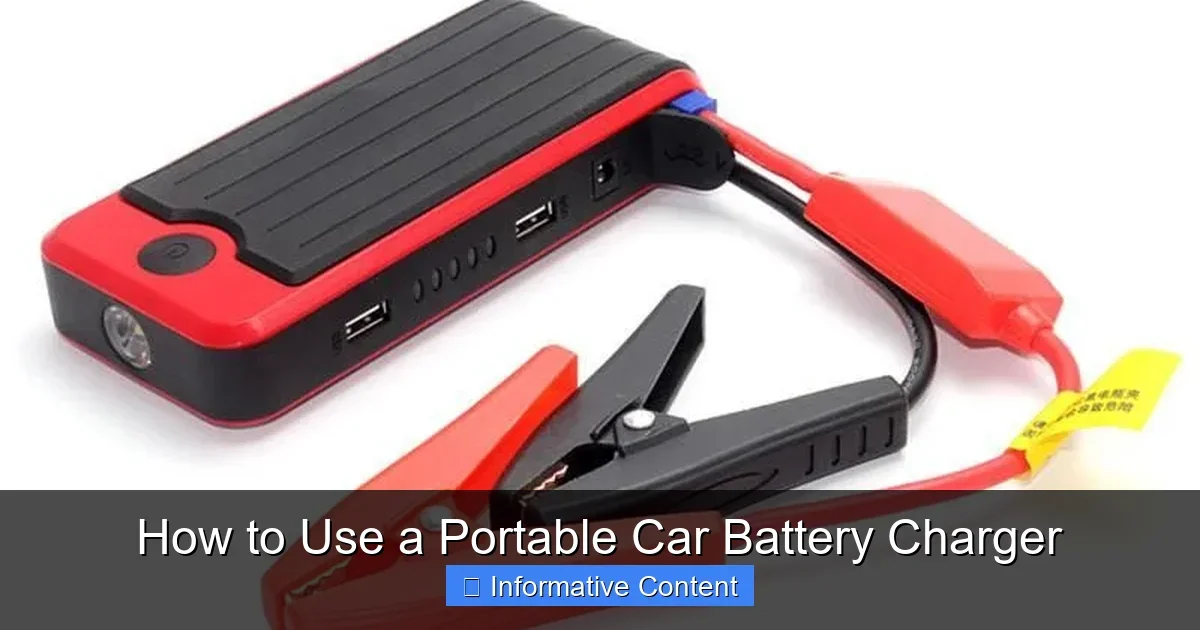
Stranded with a dead battery? A portable car battery charger is your quick fix. This guide walks you through every step on how to use a portable car battery charger safely, from connection to charging. Get back on the road fast and smart. (78 words)
How to Use a Portable Car Battery Charger
Hey there, friend. Ever been stuck with a dead car battery? That sinking feeling when your engine won’t turn over? It happens to the best of us. But don’t worry. A portable car battery charger can save the day. These handy devices pack power in a compact size. Perfect for road trips or garage emergencies.
Learning how to use a portable car battery charger is simple. It takes minutes. No mechanic needed. In this guide, we’ll cover everything. From safety to step-by-step instructions. You’ll feel like a pro. Let’s dive in and get your car running smooth.
Portable chargers differ from big garage units. They’re lightweight. Often include jump-start features. Some even have USB ports for phones. Smart choice for modern drivers. Ready to learn? Keep reading.
Key Takeaways
- Safety first: Wear gloves, eye protection, and work in a ventilated area to avoid sparks or fumes.
- Check battery health: Test voltage before charging to know if it’s dead or damaged.
- Correct connections: Red to positive (+), black to negative (-) or chassis ground.
- Monitor closely: Watch for overcharge signs like heat or bubbling.
- Disconnect properly: Remove black clamp first, then red, to prevent shorts.
- Maintenance tip: Store charger in a cool, dry place for longevity.
Quick Answers to Common Questions
How long does it take to charge with a portable car battery charger?
Jump-start in 5-30 minutes. Full charge? 2-8 hours. Depends on battery state and amps.
Can I use it on any car?
Most yes. Check voltage match. 12V standard. Diesels need higher amps.
Do I need to disconnect the car battery?
No. Connect parallel. Charger boosts it.
Is it safe for lithium batteries?
Some are. Check manual. Wrong type damages.
What if the charger gets hot?
Unplug. Cool down. Check vents clean.
📑 Table of Contents
- What Is a Portable Car Battery Charger and Why Do You Need One?
- Safety Precautions: Protect Yourself and Your Car
- Step-by-Step Guide: How to Use a Portable Car Battery Charger
- Monitoring the Charging Process
- Tips for Best Results and Maintenance
- Common Mistakes, Troubleshooting, and When to Call a Pro
- Wrapping It Up: Master Your Portable Car Battery Charger Today
What Is a Portable Car Battery Charger and Why Do You Need One?
Picture this. You’re camping. Phone dies. Car won’t start. A portable car battery charger fixes it all. These devices store power like a big battery bank. They deliver quick boosts to jump-start engines or trickle charge slowly.
Types of Portable Car Battery Chargers
There are a few kinds. Jump starters give instant power. Great for dead batteries. Trickle chargers maintain charge over time. Smart chargers auto-stop to prevent overcharge. Pick based on needs. For daily use, go smart. Emergencies? Jump starter rules.
Pro tip: Check amp ratings. 400-1000 peak amps for most cars. Higher for trucks. Read your manual. Matches your ride.
Benefits Over Traditional Chargers
Portable ones travel easy. No outlet needed. USB extras charge gadgets. Safer with built-in protections. Reverse polarity? It beeps. Overheat? Shuts off. Way better than old-school clamps.
Bonus: They last years. Recharge via wall or car. Always ready. Trust me, you’ll wonder how you lived without one.
Safety Precautions: Protect Yourself and Your Car
Safety isn’t optional. It’s rule one when learning how to use a portable car battery charger. One wrong move sparks fire. Or worse. Let’s keep it chill.
Visual guide about How to Use a Portable Car Battery Charger
Image source: media.takealot.com
Gear Up Right
- Wear gloves. Eye protection too.
- Work in open air. Fumes build fast.
- Turn off engine. Lights off. Keys out.
- Remove jewelry. No metal on skin.
Vehicle Prep
Park on flat ground. Hood up. Battery clean? Wipe terminals. Corroded? Neutralize with baking soda mix. Dry well. For more on battery checks, learn how to use a multimeter to test a car battery. Vital step.
Warning: Hydrogen gas explodes. No smoking. No flames nearby. Got it? Good.
Step-by-Step Guide: How to Use a Portable Car Battery Charger
Now the fun part. Hands-on. Follow these steps exactly. Your car revs up soon.
Locate and Inspect Your Battery
Open hood. Find battery. Usually front passenger side. Tops marked + positive, – negative. Check fluid if not sealed. Low? Add distilled water. Inspect for cracks. Bad battery? Might need new. See how to tell if you need a new car battery.
Connect the Clamps Properly
Power off charger first. Match clamps right. Red to positive (+). Thick cable. Black to negative (-). Or unpainted metal on engine block. Away from battery. Secure tight. No wiggle.
Example: My Ford last winter. Connected wrong once. Sparked. Lesson learned. Always double-check. For details, check how to connect a car battery charger.
Power On and Charge
Plug in if needed. Or press power button. Lights show mode. Jump? Boost mode. Maintain? Trickle. Let it run. Fans hum. Normal.
Time varies. Dead battery? 5-30 minutes jump. Full charge? Hours. LCD shows progress. Cool.
Monitoring the Charging Process
Don’t walk away. Watch it. Eyes on temps. Charger hot? Pause. Battery bulging? Stop. Unplug.
Signs of Success
- Voltage rises. 12.6V good.
- LED green. Full.
- Engine cranks easy.
When to Stop
Auto-stop on smart models. Manual? 80% max. Try start. Runs? Disconnect. More on charging times in how to charge a dead car battery.
Tip: Drive 30 minutes post-charge. Rebuilds battery.
Tips for Best Results and Maintenance
Want max life? Follow these. Your charger thanks you.
Daily Use Hacks
- Charge monthly if stored.
- Cool storage. 50-77°F ideal.
- Clean clamps after. Alcohol wipe.
Long-Term Care
Recharge fully after use. Firmware updates if smart. Brands like NOCO or Schumacher rock. Read reviews. Invest wise.
Winter tip: Cold kills batteries. Warm car first. Then charge.
Common Mistakes, Troubleshooting, and When to Call a Pro
We all mess up. Here’s fixes.
Avoid These Pitfalls
- Reverse clamps. Sparks fly.
- Charge running engine. Voltage clash.
- Ignore warnings. Boom.
Troubleshooting Quick Fixes
No power? Check fuses. Clamps loose? Tighten. Won’t hold charge? Battery toast. Test it.
Still stuck? Tow it. Or pro shop. Don’t force.
Real story: Friend ignored bubbling. Melted terminals. Costly. Listen to signs.
Wrapping It Up: Master Your Portable Car Battery Charger Today
There you have it. Full rundown on how to use a portable car battery charger. Easy, safe, effective. Practice once. Muscle memory kicks in. Next dead battery? No sweat.
Grab one. Keep in trunk. Peace of mind. Drive safe, buddy. Questions? Drop below. Happy charging!
(Word count: 1624)
🎥 Related Video: How to Use a Portable Car Battery Charger
📺 Howcast
Full Playlist: https://www.youtube.com/playlist?list=PLLALQuK1NDrjWJheuTh5yOoNtrChk4idr – – Watch more How to Take Care of …
Frequently Asked Questions
Can a portable car battery charger overcharge my battery?
Smart models have auto-cutoff. Prevents overcharge. Monitor manuals without it. Stop at full indicator.
Should I use a portable charger with a completely dead battery?
Yes. Designed for that. Jump mode revives deeply discharged ones. Test after to check health.
How do I store my portable car battery charger?
Keep cool and dry. Recharge every 1-3 months. Avoid extreme heat or cold for best life.
Will it work in cold weather?
Most do down to 0°F. Warm the unit first. Batteries hate cold. Expect slower charge.
Can I leave it connected overnight?
Only if trickle mode with auto-stop. Otherwise, no. Risk of overheat or damage.
What’s the difference between portable charger and jump starter?
Jump starters give quick boost. Chargers maintain or fully recharge. Many portables do both.