
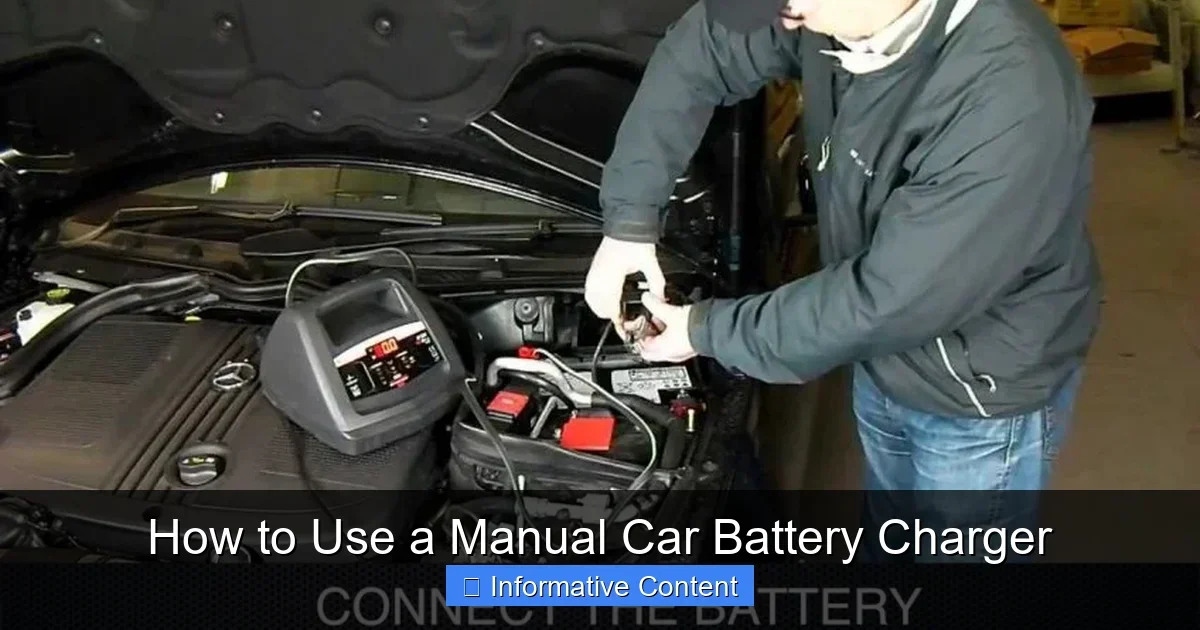
Featured image for How to Use a Manual Car Battery Charger
Image source: carbatteryworld.com
Stranded with a dead battery? Our guide teaches you exactly how to use a manual car battery charger safely and effectively from start to finish. Get your car running again in no time with simple steps and pro tips. (85 words)
How to Use a Manual Car Battery Charger
Hey, picture this. You’re rushing to work, turn the key, and nothing. Dead battery. It happens to the best of us. A manual car battery charger is your quick fix at home. No fancy garage needed.
Unlike smart chargers, manual ones give you full control. You set the amps and watch the process. It’s hands-on but rewarding. In this guide, we’ll walk you through how to use a manual car battery charger step by step. You’ll feel like a pro mechanic by the end.
Whether it’s winter drain or lights left on, we’ll cover safety, setup, and tips. Let’s get your ride started again. Ready? Let’s dive in.
Key Takeaways
- Safety first: Always wear gloves and eye protection, and work in a well-ventilated area to avoid risks.
- Connect positive first: Hook the red cable to the positive terminal before the black to prevent sparks.
- Monitor closely: Check voltage every 30 minutes since manual chargers lack auto-shutoff.
- Test before charging: Use a multimeter to ensure the battery isn’t damaged beyond repair.
- Disconnect negative last: Reverse the connection order to safely remove the charger.
- Match amps: Select 2-10 amps based on battery size for efficient charging without overheating.
- Store properly: Keep your charger dry and cool when not in use for longevity.
Quick Answers to Common Questions
How long does it take to charge with a manual charger?
A dead car battery takes 8-24 hours at 2-10 amps. Depends on size and drain level.
Can I charge with the car on?
No. Turn off engine and accessories to avoid damage.
What if my battery gets hot?
Stop charging. Lower amps or let cool. Overheat harms cells.
Do I need to remove the battery?
Usually no. Charge in place if accessible.
Is distilled water needed?
Yes, for maintenance-free? No. Top up non-sealed ones only.
📑 Table of Contents
What Is a Manual Car Battery Charger?
A manual car battery charger is a basic tool. It plugs into a wall outlet and connects to your battery. You adjust settings yourself. No automatic features here.
Key Differences from Automatic Chargers
Automatic chargers stop when full. Manuals don’t. You monitor voltage and time. This keeps costs low. Great for occasional use.
They output 2 to 50 amps. Start low for safety. Manuals work on lead-acid batteries in most cars. Check your model’s manual for specs.
Types of Manual Chargers
AC-powered ones are common. Use household current. DC types need a converter. Wheel chargers spin for even charge but are rare now.
Pick based on battery size. A 12-volt car battery needs 6-12 amps typically. Example: For a sedan battery at 50 amp-hours, use 5 amps for 10 hours.
Safety Precautions Before Charging
Safety isn’t optional. Batteries hold acid and energy. One spark can cause fire. Follow these rules every time you learn how to use a manual car battery charger.
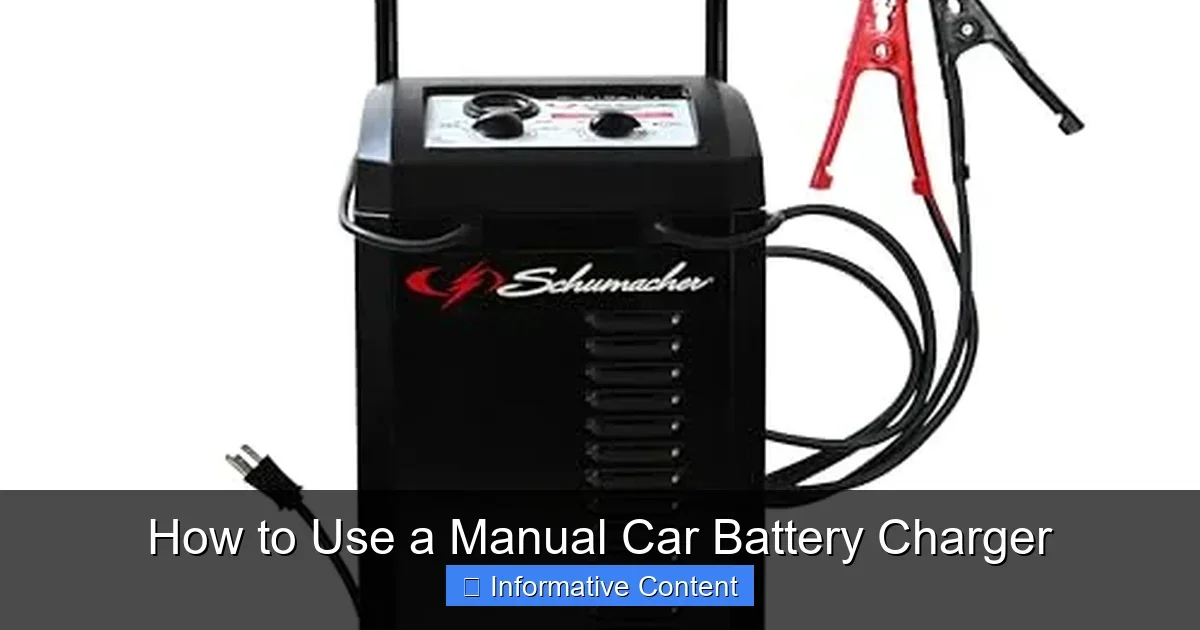
Visual guide about How to Use a Manual Car Battery Charger
Image source: m.media-amazon.com
Wear Protective Gear
Grab gloves, safety goggles, and old clothes. Acid splashes burn skin. Sparks hurt eyes. No shortcuts.
Choose the Right Workspace
Work outdoors or ventilated garage. Fumes are toxic. Keep away from flames. No smoking nearby. Example: Park on concrete, away from grass.
Turn off the car engine. Remove keys. Disconnect accessories like lights.
Tools and Materials You’ll Need
Gather everything first. Makes the job smooth.
- Manual car battery charger with clips.
- Multimeter for testing. (Pro tip: Learn how to use a multimeter to test a car battery before starting.)
- Wrench for terminals if needed.
- Baking soda and water for cleaning corrosion.
- Distilled water if battery is low.
Check charger leads for damage. Test outlet with another device.
Step-by-Step Guide: How to Use a Manual Car Battery Charger
Now the fun part. Follow these steps exactly. Patience pays off.
Locate and Inspect the Battery
Open hood. Find battery. Look for cracks or leaks. If damaged, replace it. Clean terminals with soda mix. Rinse. Dry well.
Connect the Charger Properly
Turn charger off and unplugged. This is key in how to use a manual car battery charger. Connect red clip to positive (+) terminal first. Firm grip. Then black to negative (-) or ground away from battery.
Example: Clip black to unpainted engine bolt. Reduces spark risk. (For details, check how to connect a car battery charger safely.) Plug in. Turn on.
Set the Charging Rate
Start at 2-10 amps. Low and slow is best. Match battery rating. Say 4 amps for average car. Watch ammeter.
Monitoring the Charging Process
Manual means you watch. No set-it-and-forget-it.
Check Progress Regularly
Every 30 minutes, use multimeter. Aim for 12.6-12.8 volts full. Bubbles mean it’s working. Heat is normal but not too hot.
Time estimate: Dead battery takes 8-12 hours at 4 amps. Formula: Amps x hours = amp-hours restored.
When and How to Disconnect
Hit 13.2 volts max. Unplug first. Remove black clip then red. Reverse order prevents arcs.
Test start the car. If weak, recharge or check alternator.
Troubleshooting Common Issues
Problems happen. Stay calm.
Charger Not Working?
Test outlet. Check fuses. Verify clips tight. Learn how to check if your car battery charger is working for quick fixes.
Battery Won’t Hold Charge
It might be bad. Symptoms: Drops voltage fast. Use load test. If old, consider how to tell if a car battery is bad. Revive if sulfated, but replace often.
Overheating or Sparking
Lower amps. Ensure ventilation. Disconnect immediately if smoking.
Tip: For dead batteries, slow charge first. Builds safely.
Maintenance Tips After Charging
Done? Don’t stop there.
Store Your Charger Right
Coil leads loosely. Dry place. Room temp. Lasts years.
Prevent Future Drains
Drive weekly. Check fluid monthly. Use maintainer for storage. Example: Trickle charge classics.
Regular tests extend life. Know how to use a manual car battery charger keeps you prepared.
Conclusion
There you have it. Mastering how to use a manual car battery charger saves time and money. Follow safety, connect right, monitor close. Your battery thanks you.
Next dead battery? No panic. You’ve got this. Share your stories below. Drive safe!
(Word count: 1628)
🎥 Related Video: How to charge 12v car battery
📺 GLC HOW?
Frequently Asked Questions
What’s the difference between manual and smart chargers?
Manual chargers require you to monitor and adjust manually. Smart ones auto-detect and stop. Manuals are cheaper for basic needs.
Can a manual charger damage my battery?
Not if used right. Overcharge risk exists without monitoring. Stick to low amps and check voltage often.
How do I know when charging is complete?
Voltage reaches 12.6-12.8V. No more bubbles. Multimeter confirms. Disconnect promptly.
Is it safe to charge in winter?
Yes, but warmer spot helps. Cold slows charging. Bring indoors if below freezing.
What amp setting for a motorcycle battery?
Use 1-2 amps. Smaller battery charges faster. Monitor closely.
Can I leave it charging overnight?
Only if you check midway. Risk of overcharge. Better daytime supervision.