
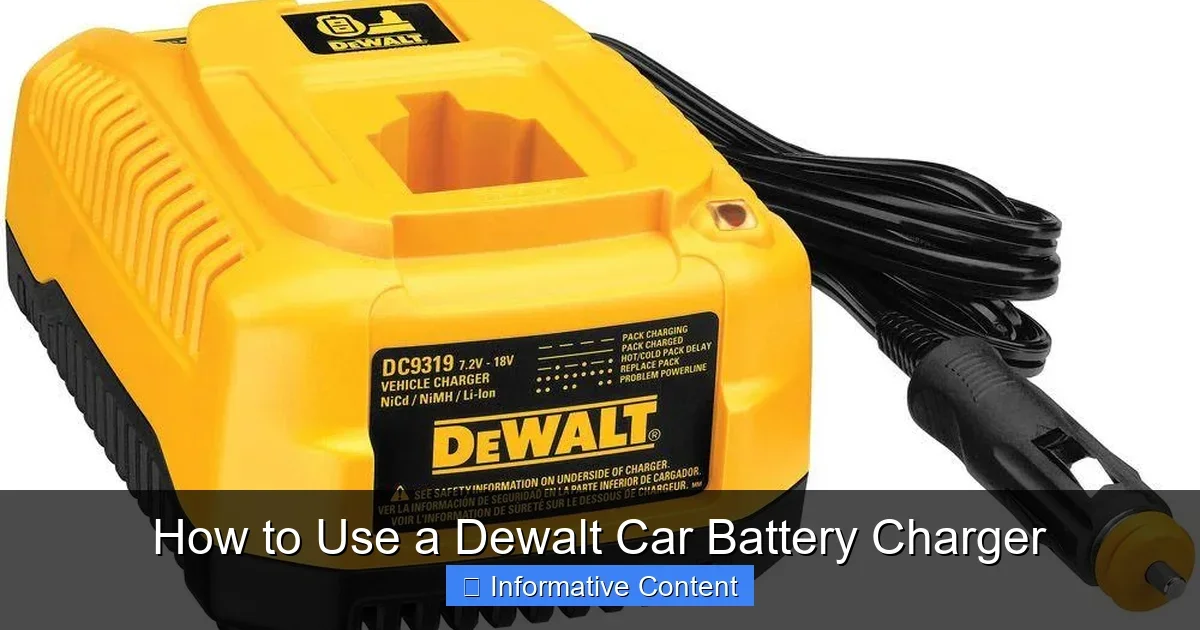
Featured image for How to Use a Dewalt Car Battery Charger
Image source: images.homedepot-static.com
Master your DeWalt car battery charger with simple steps to keep your vehicle running smoothly. This guide covers safety, setup, charging modes, and tips to avoid common mistakes. Get your battery charged fast and right, no guesswork needed.
How to Use a DeWalt Car Battery Charger
Hey there, friend. Ever had that moment when your car won’t start? Dead battery. It’s frustrating, right? But don’t worry. A DeWalt car battery charger is your best buddy in these situations. These tough chargers from DeWalt are built for pros and DIY folks alike. They handle everything from quick boosts to slow maintenance charges.
DeWalt makes reliable tools. Their car battery chargers pack smart features like automatic shut-off and multi-stage charging. No more baby-sitting your battery. In this guide, I’ll walk you through how to use a DeWalt car battery charger step by step. We’ll cover safety, setup, modes, and tips. By the end, you’ll charge like a mechanic. Let’s get your ride back on the road.
Whether you’re dealing with a sluggish winter battery or just maintaining your fleet, this charger shines. Stick with me. You’ll save time, money, and headaches.
Key Takeaways
- Safety first: Always wear gloves, eye protection, and work in a ventilated area to avoid sparks or fumes.
- Check battery first: Test voltage before charging to confirm it’s not damaged beyond repair.
- Connect correctly: Red to positive (+), black to negative (-) or chassis ground, never reverse.
- Use right mode: Select 12V for cars, slow charge for maintenance, engine start for quick boosts.
- Monitor progress: DeWalt chargers show LED indicators; full charge takes 4-12 hours depending on battery state.
- Store smart: Keep charger clean and dry; unplug after use to extend life.
- Troubleshoot early: If no charge, check connections, fuses, or test the charger itself.
Quick Answers to Common Questions
Can I leave my DeWalt charger connected overnight?
Yes, auto shut-off makes it safe. It switches to float mode.
Does it work on AGM batteries?
Most models do. Check manual for AGM mode.
How long for a full charge?
4-12 hours, based on battery size and drain.
What if error lights flash?
Bad connection or faulty battery. Recheck clamps.
Is it okay in cold weather?
Yes, works down to 0°F. Warm battery first for best results.
📑 Table of Contents
Understanding Your DeWalt Car Battery Charger
Before you plug in, know your gear. DeWalt chargers come in models like the DXAEJ14 or 3600 Peak Amp. Most support 6V and 12V batteries. They have LCD screens or LEDs for status updates. Microprocessor control means they adjust amps automatically. Safe and smart.
Key Features to Know
- Multi-stage charging: Bulk, absorption, float. Revives deeply discharged batteries without overcharging.
- Engine start mode: Gives a power pulse to crank the engine, then switches to charge.
- Reverse polarity protection: Won’t fry your battery if you mix up clamps.
- Auto shut-off: Stops when done, preventing gas buildup.
Check your model’s manual. Each DeWalt car battery charger varies slightly. Pro tip: Register it online for warranty perks. Now, let’s talk safety. This is non-negotiable.
Safety Precautions Before You Start
Safety keeps you out of the ER. Car batteries hold acid and can spark. Follow these rules every time you use a DeWalt car battery charger.
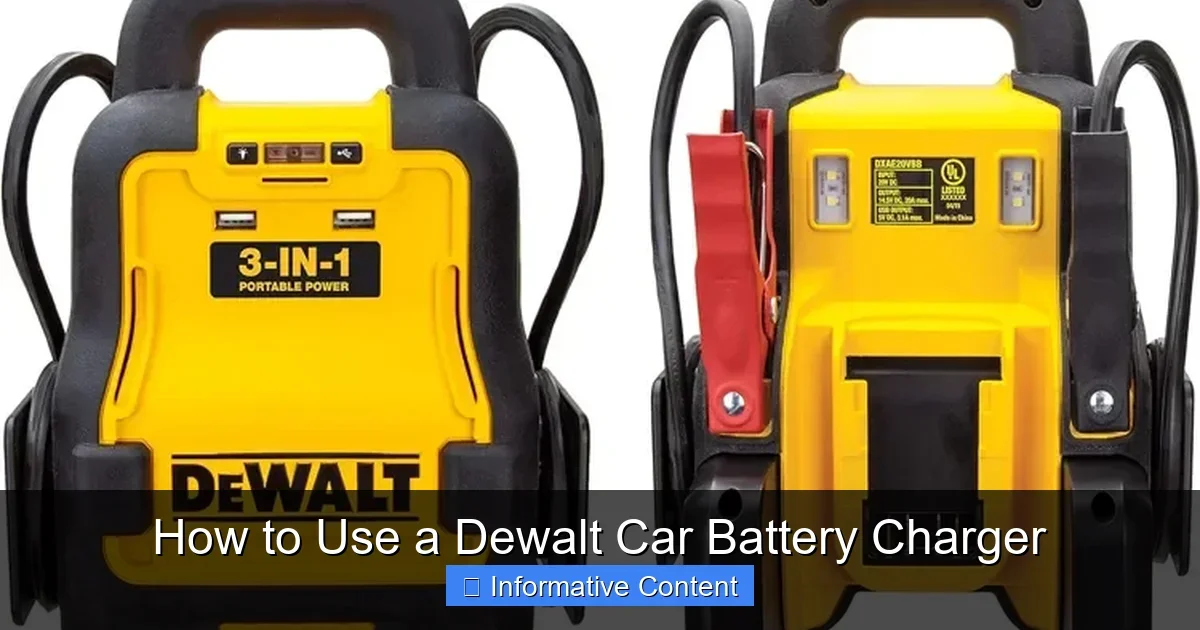
Visual guide about How to Use a Dewalt Car Battery Charger
Image source: toolsadvisers.com
Essential Gear and Setup
- Wear safety glasses and gloves. Acid splashes hurt.
- Work in a well-ventilated garage. Hydrogen gas from charging is explosive.
- Park on level ground. Turn off engine and all accessories.
- Remove battery if possible for easier access. But many charge in place.
Avoid smoking or open flames. Keep kids and pets away. If your battery leaks, neutralize with baking soda first. Ready? Time to connect.
Step-by-Step Guide to Connect and Charge
Here’s the heart of how to use a DeWalt car battery charger. It’s simple if you go slow. We’ll use a standard 12V lead-acid battery example.
Locate and Prep the Battery
First, pop the hood. Find the battery. Clean terminals with a wire brush. This ensures good contact. If corroded, spray with terminal cleaner.
For a deeper check, learn how to use a multimeter to test a car battery. Voltage under 12.4V means it needs charge.
Connecting the Clamps Right
- Plug charger into wall outlet first. Power on.
- Attach red clamp to positive (+) terminal. It’s bigger, marked +.
- Attach black clamp to negative (-) terminal or unpainted chassis ground.
- Double-check. No sparks? Good.
See our guide on how to connect a car battery charger for visuals. Never reverse clamps. DeWalt protects, but why risk it?
Selecting Mode and Starting Charge
Power up. Choose mode: Manual, automatic, or boost. For daily use, auto works best. Hit start. LEDs show progress: red for charging, green for full.
Example: Dead battery after a week off. Set to 10A charge. It took 8 hours to full. Your DeWalt car battery charger beeps when done. Unplug safely.
Choosing the Right Charging Mode
DeWalt chargers offer options. Pick based on need. Wrong mode slows things or damages battery.
Common Modes Explained
- Fast charge (20-40A): For quick top-ups. 30-60 mins to start-ready. Use sparingly.
- Standard charge (2-10A): Overnight full charge. Best for most cars.
- Trickle/maintainer (1-2A): Long-term storage. Prevents self-discharge. Great for winter.
- Engine start: Jump-starts then charges. Perfect for no-crank mornings.
For motorcycles, use 6V mode. Consult manual. Tip: For slow trickle, check how to use a trickle charger on car battery. DeWalt excels here too.
Monitor amps and volts on screen. Full at 12.7V. Time varies: 4 hours for half-dead, 12+ for fully drained.
Troubleshooting Common Problems
Stuff happens. Your DeWalt car battery charger might error. Don’t panic. Fix most issues quick.
Top Issues and Fixes
- No power lights: Check outlet, fuse. Test charger on known good battery.
- Reverse polarity alarm: Swap clamps. Clean terminals.
- Slow charge: Battery sulfated? Try repair mode if available.
- Won’t hold charge: Battery bad. Learn how to tell if a car battery is bad.
- Overheating: Unplug. Let cool. Ensure ventilation.
Verify charger works with how to check if your car battery charger is working. Most DeWalt issues are user error. Retry steps.
Maintenance Tips and Best Practices
Keep your DeWalt car battery charger lasting years. Treat it right.
Daily Care
- Store dry, 32-104°F. Coil cables loosely.
- Clean dust with dry cloth. No water.
- Charge monthly for stored vehicles.
- Update firmware if model allows.
Pro tip: Pair with battery tests. Extend life. For alternatives, see how to charge a car battery without a charger, but DeWalt is king.
Charge in engine bay or removed. Removed is cleaner. Always disconnect negative first when done.
Wrapping It Up: Charge Confidently
There you have it, buddy. Now you know exactly how to use a DeWalt car battery charger. From safety checks to mode picks, you’re set. These chargers are beasts—durable, smart, reliable.
Regular use prevents breakdowns. Save on tows and new batteries. Got questions? Drop a comment. Drive safe. Your DeWalt has your back.
(Word count: 1628)
🎥 Related Video: DeWalt Professional Rolling Charger
📺 Style Renegade
Dewalt takes care of the professionals.
Frequently Asked Questions
How often should I use my DeWalt car battery charger?
Use it monthly for maintenance or when battery voltage drops below 12.4V. For storage, trickle charge every 30 days. This keeps sulfation away and extends battery life.
Can I use it on a running engine?
No, turn off the engine first. Running alternator can overload the charger. Charge with vehicle off for safety and efficiency.
What amp setting for a standard car battery?
Start with 10A for cars up to 100Ah. Lower amps for slower, gentler charge. DeWalt auto-adjusts for best results.
Does it charge lithium batteries?
Some models support LiFePO4. Verify compatibility in manual. Stick to lead-acid otherwise to avoid damage.
Why won’t my charger start charging?
Check connections, outlet, and battery voltage. If under 3V, use manual mode or repair pulse. Test charger too.
Can I chain multiple batteries?
Yes, with series wiring for 24V systems. Follow DeWalt instructions. Not for parallel without splitter.