
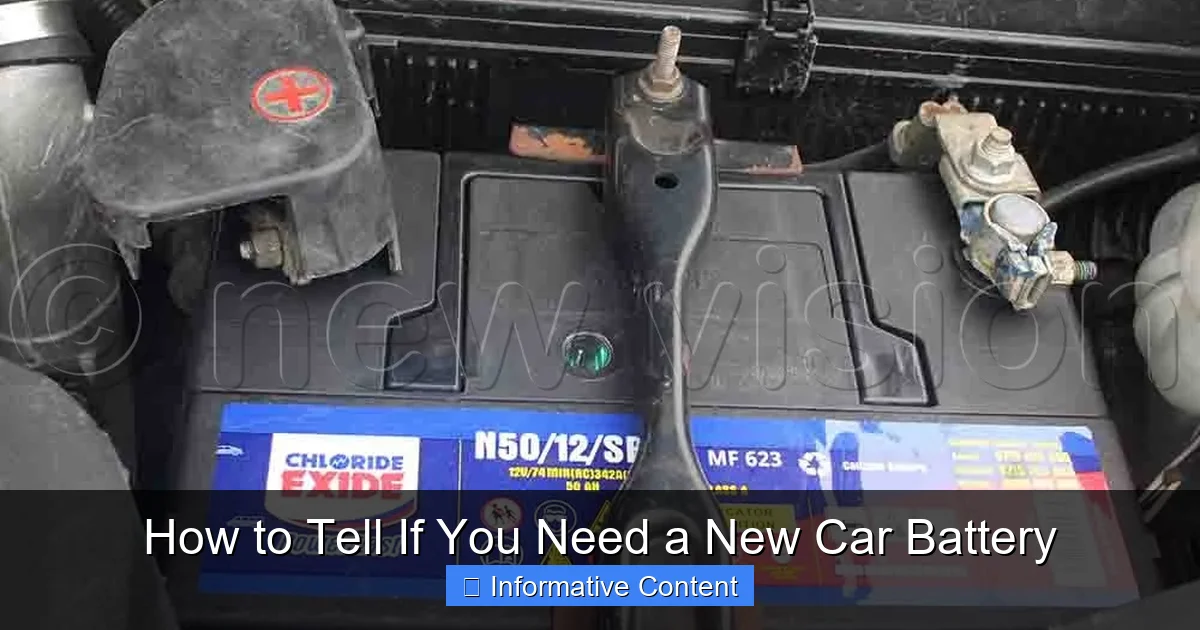
Understanding when your car battery is failing can save you from unexpected breakdowns. Look for common symptoms like slow engine cranking, dimming lights, or frequent jump-starts. Performing simple visual checks and occasional testing can also reveal if you need a new car battery, ensuring you stay safely on the road.
Picture this: You’re running late for an important appointment, you hop into your car, turn the key, and… nothing. Or perhaps a slow, grinding sound followed by silence. It’s a frustrating and all-too-common scenario that many drivers face, often due to a dying car battery. Your car’s battery is the heart of its electrical system, providing the jolt needed to start the engine and powering all those handy accessories when the engine isn’t running.
But how do you know if your battery is on its last legs before it strands you? Recognizing the warning signs and understanding a few simple checks can save you a lot of hassle, time, and stress. Knowing how to tell if you need a new car battery isn’t just about avoiding inconvenience; it’s about ensuring your vehicle is reliable and safe for every journey. Let’s dive into the practical ways you can diagnose a failing battery and what to do when it’s time for a replacement.
Key Takeaways
- Slow Cranking is Key: If your engine turns over sluggishly, especially in cold weather, it’s a primary indicator that you might need a new car battery soon.
- Electrical Woes: Dimming headlights, flickering dash lights, or malfunctioning accessories when the engine is off can signal a weak battery that struggles to hold a charge.
- Visual Cues Matter: Swelling battery cases, corrosion on terminals, or leaks are clear physical signs of a failing battery that likely needs replacement.
- Age is More Than a Number: Most car batteries last 3-5 years. If yours is older than this, even without obvious symptoms, it’s wise to consider testing or proactively getting a new car battery.
- Test, Don’t Guess: Using a voltmeter or, better yet, having a load test performed by a professional can accurately determine your battery’s remaining life and confirm if you need a new car battery.
- Proactive Maintenance Helps: Regularly cleaning terminals and ensuring proper securement can extend battery life, but eventually, all batteries will require replacement.
- Don’t Ignore Warning Lights: A dashboard battery light or “check engine” light related to the charging system often points to battery or alternator issues, both of which can lead to needing a new car battery.
Quick Answers to Common Questions
How long do car batteries typically last?
Most car batteries last between 3 to 5 years, depending on factors like climate, driving habits, and maintenance.
Can cold weather affect battery performance?
Yes, cold weather significantly reduces a battery’s capacity and makes it harder for the engine to start, often making a weak battery’s symptoms more noticeable.
Is it safe to jump-start a swollen battery?
No, a swollen battery is dangerous and should not be jump-started or charged. It indicates internal damage and needs immediate, careful replacement.
What does a car battery light on the dashboard mean?
A battery light usually indicates a problem with the car’s charging system, which could involve the battery, alternator, or connecting cables.
Can an old battery damage other car components?
While an old battery primarily fails on its own, a failing battery can put extra strain on the alternator, potentially shortening its lifespan as it works harder to compensate.
📑 Table of Contents
The Telltale Signs: How Your Car Whispers for a New Battery
Your car is pretty good at communicating when something isn’t right. When it comes to the battery, it often gives subtle hints before a complete failure. Paying attention to these early warnings can give you enough time to address the issue before you’re stuck somewhere needing a jump start.
Slow Cranking or Lagging Engine Start
This is probably the most common and noticeable symptom. When you turn the key or push the start button, does your engine sound like it’s struggling to turn over? Instead of a quick, confident “vroom,” do you hear a slow “r-r-r-r-r” sound? This is a strong indicator that your battery isn’t providing enough power to crank the engine efficiently. The starter motor requires a significant surge of power, and if the battery is weak, it simply can’t deliver. Cold weather often makes this symptom more pronounced, as batteries perform less efficiently in low temperatures. If you notice this consistently, it’s a big hint that you might need a new car battery.
Dimming Headlights and Electrical Issues
Have you ever noticed your headlights seem a bit dimmer than usual, especially when the engine isn’t running or when you’re just starting the car? Or maybe the interior lights, radio, or power windows seem sluggish? These are all signs of a weakening battery. When the battery can’t hold a full charge, it struggles to power all the electrical components. If your lights get brighter once the engine is running and then dim again when you turn it off, it often means the alternator is doing its job, but the battery itself is failing to store that charge. This is a classic symptom indicating you might need a new car battery.
The Infamous “Check Engine” or Battery Light
Most modern cars have dashboard warning lights that illuminate when there’s a problem. A battery-shaped light or a generic “check engine” light can sometimes signal battery issues. While the check engine light can point to hundreds of different problems, if it comes on in conjunction with other symptoms like slow cranking, it’s worth investigating your battery. The battery light specifically indicates a problem with the car’s charging system, which could be the battery itself, the alternator, or even a loose cable. Don’t ignore these lights; they’re your car’s way of telling you that you need to check things out, possibly leading to the discovery that you need a new car battery.
Needing Frequent Jump Starts
If you’re finding yourself needing a jump start every now and then, or even frequently, this is a glaring red flag. A healthy car battery should hold a charge reliably. If it drains quickly, or if you leave your lights on for just a few minutes and it dies, your battery is likely failing to maintain its charge. While an occasional jump start might be due to user error (like leaving lights on), regular occurrences point directly to a dying battery that can no longer sustain its power. If you’ve been jumped more than once in a short period, it’s almost certain that you need a new car battery.
Under the Hood: A Visual Inspection Guide
Sometimes, your battery will give you visual clues that it’s nearing the end of its life. A quick peek under the hood can reveal a lot about your battery’s health. Always exercise caution when working around a car battery; wear gloves and eye protection if possible.
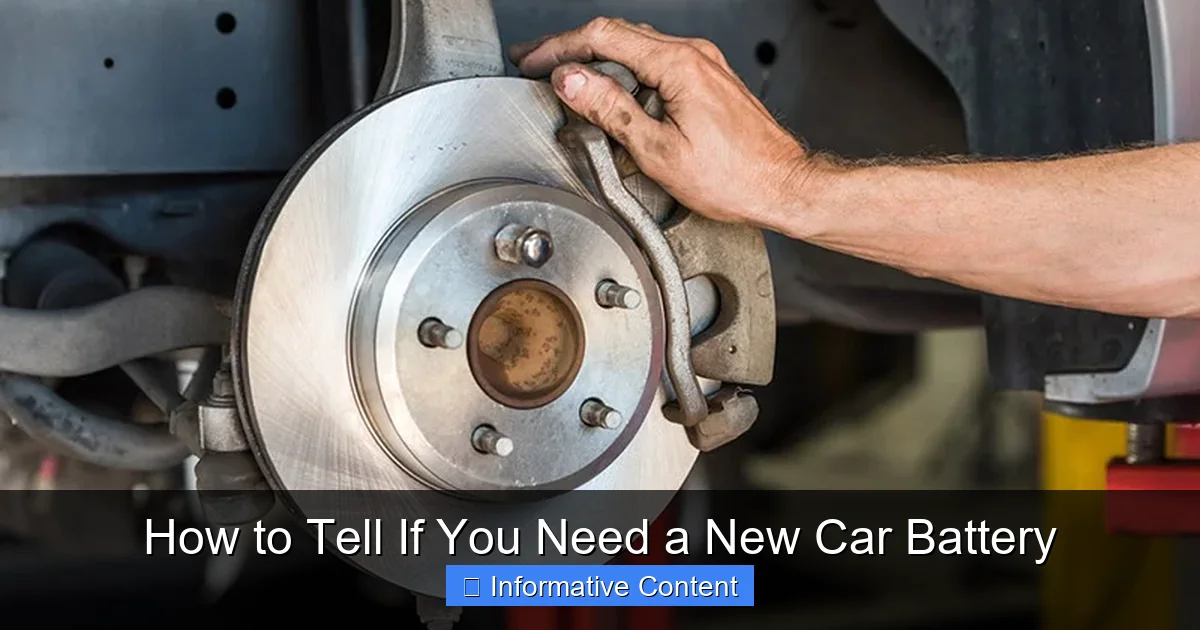
Visual guide about How to Tell If You Need a New Car Battery
Image source: cdn.autoguru.com.au
Corrosion on Battery Terminals
Take a look at the two metal terminals on top of your battery, where the cables connect. Do you see a fluffy, powdery substance – usually white or bluish-green – building up around them? This is corrosion. While some light corrosion can be cleaned, excessive build-up indicates that the battery acid is leaking or gassing, which is a sign of an unhealthy battery. It also interferes with the electrical connection, hindering the flow of power. If cleaning doesn’t resolve starting issues or if the corrosion returns quickly, it’s a strong indicator that you need a new car battery.
Battery Case Swelling or Cracks
A healthy battery case should be rectangular and intact. If you notice any bulging, swelling, or cracks in the battery casing, especially on the sides or top, it’s a serious warning sign. This swelling can be caused by extreme heat or overcharging, leading to internal damage and pressure build-up. A swollen battery is a dangerous battery and is extremely prone to failure. If you see this, do not attempt to charge or jump-start it; replace it immediately. This is a definitive sign that you need a new car battery.
Leaks Around the Battery
Alongside corrosion, look for any signs of liquid seeping from the battery. Battery acid is corrosive and can damage surrounding components. If you spot any wetness or a strong, rotten-egg smell (hydrogen sulfide gas), it indicates a leak. A leaking battery is not only unsafe but also losing its vital electrolytes. Such a battery is beyond repair and needs immediate replacement. A leak is a critical sign that you need a new car battery, and continuing to use it can be hazardous.
The Age of the Battery Itself
Every battery has a lifespan. Most car batteries last between 3 to 5 years, depending on climate, driving habits, and maintenance. If your battery is approaching or has exceeded the 3-year mark, even if it seems fine, its capacity to hold a charge will naturally diminish. There’s often a sticker or stamp on the battery indicating its manufacture date or installation date. If your battery is older than 3-4 years, it’s wise to have it tested annually. Proactive replacement can save you from an unexpected breakdown. Sometimes, simply knowing the age is enough to tell you that you might soon need a new car battery.
Testing Your Battery’s Health Like a Pro
Visual inspections and listening to your car’s symptoms are great, but sometimes you need a more definitive answer. Thankfully, there are tools and methods to test your battery’s actual health and confirm if you need a new car battery.
Using a Voltmeter for a Quick Check
A simple multimeter or voltmeter can give you a basic idea of your battery’s charge. With the car turned off and having sat for a few hours (to get an accurate “surface charge” reading), connect the voltmeter’s positive lead to the positive terminal and the negative lead to the negative terminal. A fully charged battery should read around 12.6 volts or higher. If it reads significantly lower (e.g., 12.0 volts or less), your battery is undercharged or has trouble holding a charge. This simple test can be a good first step in determining if you need a new car battery.
The Load Test: A Deeper Dive
While a voltmeter tells you the voltage, it doesn’t tell you how well the battery can deliver power under stress. That’s where a load test comes in. A battery load tester simulates the heavy drain on the battery during starting. It measures the battery’s ability to maintain voltage while a high current is drawn. Many auto parts stores offer free battery testing, which typically includes a load test. This is the most accurate way to assess your battery’s true cranking power and reserve capacity. If your battery fails a load test, it’s a clear indication that you need a new car battery.
Professional Battery Testing at Your Mechanic
Your mechanic has specialized equipment that can perform comprehensive battery health checks, often alongside checking the alternator and starter motor to ensure the entire charging system is functioning correctly. They can provide a detailed report on your battery’s condition, including its Cold Cranking Amps (CCA) and overall life expectancy. If you’re unsure after your own checks, a professional diagnosis is always a good idea. They can confirm definitively if you need a new car battery and help you choose the right replacement.
Understanding Battery Lifespan and Proactive Maintenance
While all batteries eventually fail, you can often extend their life and anticipate replacement by understanding what affects them and performing simple maintenance.
Factors That Shorten Battery Life
- Extreme Temperatures: Both extreme heat and cold shorten battery life. Heat speeds up corrosion, while cold reduces a battery’s capacity and puts more strain on it during starting.
- Frequent Short Trips: If you only drive short distances, your alternator doesn’t have enough time to fully recharge the battery after starting, leading to a chronically undercharged state.
- Accessory Overuse: Using accessories like the radio, headlights, or charging devices extensively when the engine is off can quickly drain the battery.
- Lack of Maintenance: Corroded terminals and loose connections hinder performance and can reduce lifespan.
- Vibrations: A loose battery can vibrate excessively, causing internal damage and shortening its life.
Being aware of these factors can help you gauge how quickly you might need a new car battery.
Simple Steps for Battery Maintenance
- Keep it Clean: Regularly check for and clean corrosion on the battery terminals with a wire brush and a mixture of baking soda and water.
- Check Connections: Ensure the battery cables are tightly secured to the terminals.
- Test Annually: Especially for batteries older than 3 years, an annual check with a voltmeter or a professional load test can predict when you need a new car battery.
- Mind the Charge: If you often take short trips or store your car, consider using a trickle charger to maintain a full charge.
When to Proactively Consider a New Battery
Even without obvious symptoms, if your battery is 3-5 years old and you live in a climate with extreme temperatures, it’s a good idea to start thinking about a replacement. Proactive replacement before symptoms manifest can save you from an inconvenient breakdown. If a professional test indicates significantly reduced capacity, it’s time to plan for a new car battery, even if it’s still “working.”
What to Do When It’s Time for a New Car Battery
So, you’ve done your checks, observed the symptoms, and confirmed that you need a new car battery. What’s next?
Choosing the Right Replacement Battery
Batteries aren’t one-size-fits-all. When buying a new battery, you’ll need one that fits your car’s make and model and meets its specific power requirements. Key specifications to look for include:
- Group Size: This indicates the battery’s dimensions and terminal placement. Your owner’s manual or a chart at an auto parts store will specify the correct group size.
- Cold Cranking Amps (CCA): This is a measure of the battery’s ability to start the engine in cold temperatures. Higher CCA is generally better, especially in colder climates.
- Reserve Capacity (RC): This indicates how long your battery can power essential accessories if your alternator fails.
Don’t just grab the cheapest option; investing in a good quality battery that matches your car’s needs will provide reliability and peace of mind. Discuss these factors with an auto parts store expert to ensure you get the right new car battery.
DIY vs. Professional Installation
Replacing a car battery can be a DIY task for many, but it involves working with corrosive acid and a powerful electrical source. Always disconnect the negative terminal first, then the positive. When installing the new battery, connect the positive first, then the negative. Ensure connections are tight and the battery is securely fastened. If you’re uncomfortable with this, or if your car has a complex electrical system that requires specific reset procedures after a battery change, it’s best to have a professional do it. They’ll ensure proper installation and disposal of the old unit.
Safe Disposal of Your Old Battery
Car batteries contain lead and sulfuric acid, making them hazardous waste. Never throw them in the regular trash. Most auto parts stores that sell new batteries will accept your old one for recycling, often offering a core charge refund. This ensures the old battery is recycled responsibly and its materials are reused, preventing environmental contamination.
Common Misconceptions About Car Batteries
It’s easy to misunderstand car battery behavior. Clearing up some common myths can help you better identify when you need a new car battery.
The “Forever” Battery Myth
No car battery lasts forever. Even with perfect maintenance and ideal conditions, the chemical processes inside a battery degrade over time. Expecting a battery to last for a decade or more is unrealistic. Accepting that you will eventually need a new car battery is the first step in proactive maintenance.
Believing All Electrical Issues Are Battery-Related
While the battery is central to your car’s electrical system, other components like the alternator, starter motor, or even faulty wiring can cause similar symptoms. If you replace your battery and the problems persist, it’s crucial to have the entire charging system checked by a professional. Sometimes, the battery is just a symptom of a larger issue.
The Danger of Ignoring Warning Signs
Ignoring the early signs of a dying battery isn’t just an inconvenience waiting to happen; it can lead to dangerous situations. A completely dead battery can leave you stranded in an unsafe location or at an inopportune time. Always address battery warnings promptly. The small investment in a new car battery pales in comparison to the cost of being stranded or the potential dangers.
Knowing how to tell if you need a new car battery is a fundamental skill for any vehicle owner. By paying attention to the signs your car gives you, conducting simple visual checks, and utilizing testing tools, you can confidently determine your battery’s health. Don’t wait until you’re stranded to address a failing battery. Be proactive, replace it when necessary, and enjoy reliable driving for miles to come. A little awareness goes a long way in keeping your car, and you, safely on the road.
Frequently Asked Questions
What is “slow cranking” and why does it happen?
Slow cranking refers to your engine turning over sluggishly when you try to start your car, instead of quickly springing to life. This happens because a weak battery can’t deliver the strong burst of electrical current needed to efficiently power the starter motor, making the starting process feel labored.
Can a car battery die without any warning signs?
While cars often give warnings, sometimes a battery can fail quite suddenly, especially if it has an internal short or extreme temperature changes. This is why regular battery testing, particularly for older batteries, is important to catch issues before they lead to an unexpected breakdown.
How often should I have my car battery tested professionally?
It’s a good practice to have your car battery tested annually, especially if it’s over three years old or if you live in an area with extreme hot or cold temperatures. Many auto parts stores offer free battery testing, which can accurately assess its remaining life.
What’s the difference between a car battery and an alternator problem?
A car battery provides the initial power to start the engine and powers accessories when the engine is off. The alternator then recharges the battery while the engine runs and powers the car’s electrical system. If your car won’t start, it’s likely the battery, but if it starts then dies while driving, it might be the alternator.
Should I replace my car battery if it’s past its typical lifespan but still working?
If your battery is past its typical 3-5 year lifespan, even if it seems to be working, its internal capacity is likely significantly reduced. It’s often a smart move to proactively replace it to avoid being stranded, as it could fail without much further warning at any moment.
What maintenance can I do to extend my car battery’s life?
Regularly cleaning any corrosion off the battery terminals, ensuring the battery cables are securely connected, and making sure the battery itself is firmly mounted can help extend its life. Also, avoiding frequent short trips and using a trickle charger if your car sits for long periods can prevent premature failure.