Learning how to jumpstart a car with a battery charger is a handy skill that can save you time and hassle when your car’s battery dies. This comprehensive guide will walk you through the entire process, from understanding the basics to connecting the charger safely, ensuring you can confidently get your vehicle back on the road.
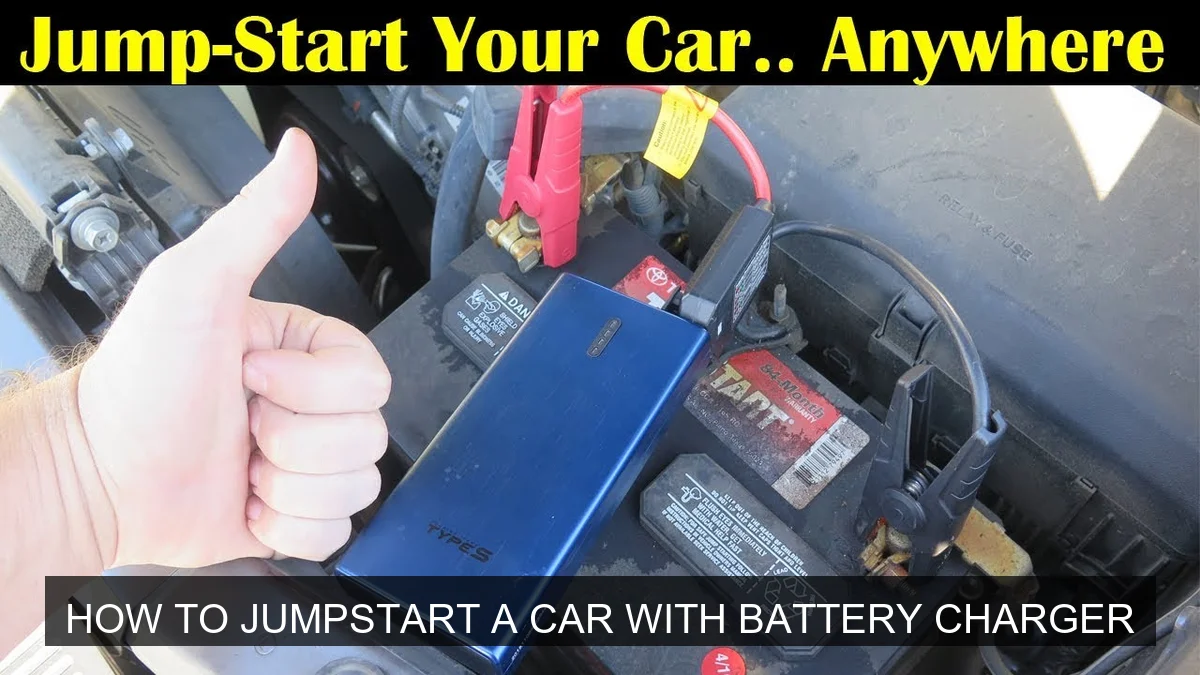
Image source: Ytimg
To jumpstart a car with a battery charger, you first connect the charger’s positive clamp (red) to your car battery’s positive terminal, and the negative clamp (black) to a bare metal part of the car’s frame, away from the battery. Then, select the appropriate charge or jumpstart setting on your charger, power it on, and wait a few minutes before attempting to start your car. Always prioritize safety by working in a well-ventilated area and wearing protective gear.
📋 Table of Contents
- 🔹 Why Learn to Jumpstart with a Battery Charger?
- 🔹 What is a Car Battery Charger?
- 🔹 How Does Jumpstarting with a Battery Charger Work?
- 🔹 Why is Jumpstarting with a Battery Charger Useful?
- 🔹 Preparation is Key: Before You Start
- 🔹 Step-by-Step Guide: How to Jumpstart a Car with a Battery Charger
- 🔹 Common Mistakes to Avoid
- 🔹 Practical Tips and Best Practices
- 🔹 When Should You Jumpstart with a Battery Charger?
- 🔹 Frequently Asked Questions (FAQ)
- 🔹 Conclusion
Why Learn to Jumpstart with a Battery Charger?
There’s nothing quite like the sinking feeling you get when you turn the key in your car’s ignition and hear… nothing. Or maybe just a slow, weak groan. A dead car battery is a common issue, but it doesn’t have to ruin your day. While many people know about jumpstarting with another car, using a dedicated battery charger offers a reliable and often safer alternative, especially if you’re alone or no other vehicle is available.
This guide will equip you with the knowledge and confidence to safely and effectively jumpstart a car with a battery charger. We’ll cover everything from the basics of how these devices work to a clear, step-by-step process, along with essential safety tips and common pitfalls to avoid. By the end, you’ll be ready to tackle a dead battery situation like a pro.
What is a Car Battery Charger?
A car battery charger is an electrical device designed to replenish the charge in a vehicle’s 12-volt battery. Unlike a car’s alternator, which charges the battery while the engine is running, a battery charger connects directly to a power source (usually a wall outlet) and provides a controlled flow of electricity to the battery.
Many modern battery chargers also come with a “jumpstart” or “engine start” mode. This mode delivers a much higher surge of current over a short period, specifically designed to provide the initial burst of power needed to crank a dead engine. Think of it as a temporary boost, not a full charge.
How Does Jumpstarting with a Battery Charger Work?
When you use a battery charger in jumpstart mode, it doesn’t fully charge your car battery. Instead, it provides a powerful, brief electrical current directly to your car’s electrical system and battery terminals. This surge of power is typically enough to engage the starter motor and get the engine to turn over and start.
Once the engine starts, the car’s own alternator takes over, recharging the battery as you drive. The battery charger’s role is simply to provide that critical initial jolt of energy to get things moving. It’s a quick fix to get you on your way, though a deeply discharged battery may still need a longer, slower charge later.
Why is Jumpstarting with a Battery Charger Useful?
Knowing how to jumpstart a car with a battery charger offers several distinct advantages:
- Independence: You don’t need another car or a kind stranger to help you out. This is especially useful if your car dies in an isolated location or at an inconvenient time.
- Safety: Modern battery chargers often have built-in safety features like reverse polarity protection, which prevents damage if you connect the clamps incorrectly. This can be less risky than traditional jumper cables if you’re unsure about the process.
- Convenience: Many chargers are portable and relatively easy to use, making them a great tool to keep in your garage or even your trunk.
- Controlled Power: The charger manages the power delivery, reducing the risk of surges or damage to vehicle electronics compared to improper use of jumper cables from another running vehicle.
Preparation is Key: Before You Start
Before you even think about connecting anything, a little preparation goes a long way in ensuring safety and success. Here’s what you’ll need and what to check:
Gather Your Tools
- Car Battery Charger: Make sure it has an “engine start” or “jumpstart” function.
- Safety Glasses: Eye protection is crucial.
- Gloves: Protect your hands.
- Clean Cloth or Wire Brush: For cleaning battery terminals.
- Ventilated Area: Work outdoors or in a garage with the door open.
Important Safety Precautions
Car batteries can be dangerous. They contain corrosive acid and produce flammable hydrogen gas. Always be careful.
- Read Your Charger’s Manual: Every charger is a bit different. Understand its specific instructions and safety warnings.
- Turn Off Everything: Ensure your car’s ignition is off, and all accessories (lights, radio, AC) are turned off.
- Check Battery Condition: Look for any cracks, leaks, or severe corrosion on the battery. If you see significant damage, do not attempt to jumpstart; seek professional help.
- Ventilation: Always work in a well-ventilated area to prevent the buildup of hydrogen gas.
- No Sparks: Avoid creating sparks near the battery, especially when connecting or disconnecting cables. Don’t smoke or use open flames.
Step-by-Step Guide: How to Jumpstart a Car with a Battery Charger
Follow these steps carefully to jumpstart your car using a battery charger:
- Position Your Car and Charger:
- Ensure your car is in Park (automatic) or Neutral (manual) with the parking brake engaged.
- Place the battery charger on a stable, dry surface, away from moving parts of the engine. Make sure it’s unplugged from the wall outlet for now.
- Locate and Prepare the Battery:
- Pop your car’s hood and locate the battery.
- Identify the positive (+) and negative (-) terminals. The positive terminal usually has a red cap or a plus sign, and is often larger. The negative terminal often has a black cap or a minus sign.
- If the terminals are corroded, use a wire brush or a clean cloth to gently clean them. A good connection is vital.
- Connect the Positive Clamp (Red):
- Take the red (positive) clamp from the battery charger.
- Securely attach it to the positive (+) terminal of your car’s dead battery. Make sure it has a firm grip and won’t easily slip off.
- Connect the Negative Clamp (Black):
- Take the black (negative) clamp from the battery charger.
- Attach it to a clean, unpainted, bare metal part of the car’s engine block or frame. This acts as a ground connection. Choose a spot that’s away from the battery itself, fuel lines, or moving parts. Never connect the negative clamp directly to the negative terminal of the dead battery, as this can create a spark that could ignite hydrogen gas.
- Plug In and Set the Charger:
- Now, plug your battery charger into a standard wall outlet.
- Select the “engine start” or “jumpstart” mode on your charger. Be sure to select the correct voltage for your car (most passenger cars are 12-volt).
- Wait and Start:
- Allow the charger to send power for a few minutes (check your charger’s manual for specific recommendations, usually 3-5 minutes). This gives the battery a little initial boost.
- Once the recommended time has passed, try to start your car. If it doesn’t start immediately, wait another minute or two and try again. Avoid cranking the engine for more than 5-10 seconds at a time to prevent overheating the starter.
- Disconnect the Charger (in Reverse Order):
- Once your car starts, let it run for a few minutes before disconnecting the charger. This allows the alternator to start recharging the battery.
- First, unplug the battery charger from the wall outlet.
- Then, carefully remove the black (negative) clamp from the car”s metal frame.
- Finally, remove the red (positive) clamp from the battery’s positive terminal.
- Close your car’s hood.
- Drive Your Car:
- Drive your car for at least 20-30 minutes to allow the alternator to fully recharge the battery. If the car struggles to start again after being off for a short period, your battery might need replacing or further diagnosis.
Common Mistakes to Avoid
Even with clear instructions, it’s easy to make small errors. Here are some common mistakes and how to avoid them:
- Incorrect Clamp Connection: Connecting positive to negative, or vice-versa, is called reverse polarity. This can damage your car’s electrical system, the battery, or the charger itself. Always double-check the positive (+) and negative (-) terminals and clamps. Many modern chargers have reverse polarity protection, but it’s best not to rely on it.
- Connecting Negative Clamp to Battery: As mentioned, connecting the negative clamp directly to the negative terminal of the dead battery can create sparks that ignite hydrogen gas. Always ground the negative clamp to a bare metal part of the car frame, away from the battery.
- Not Unplugging Charger First: Always unplug the charger from the AC outlet before connecting or disconnecting the clamps to prevent sparks or electrical shock.
- Ignoring Safety Gear: Skipping safety glasses or gloves is a big risk. Battery acid can cause severe burns, and sparks can damage eyes.
- Over-Cranking the Engine: Continuously trying to start a stubborn engine can overheat and damage the starter motor. Give it short bursts and allow it to cool down between attempts.
- Working in a Closed Space: A lack of ventilation allows hydrogen gas to accumulate, increasing the risk of explosion from a spark.
Practical Tips and Best Practices
Here are some extra tips to make the process smoother and safer:
- Keep Terminals Clean: Regularly check your battery terminals for corrosion. A clean connection ensures better conductivity and less resistance, making jumpstarting and charging more efficient.
- Understand Your Charger’s Settings: Most chargers have different settings (e.g., 2A for slow charge, 10A for faster charge, “engine start” for jumpstarting). Know which setting to use for your situation.
- Don’t Rush: Take your time with each step. Rushing can lead to mistakes that compromise safety or damage your vehicle.
- Check Battery Age: If your battery frequently dies, it might be at the end of its life cycle (typically 3-5 years). A jumpstart is a temporary fix; consider having your battery tested.
- Consider a Smart Charger: Modern “smart” or “intelligent” chargers can automatically detect battery type, condition, and charge level, adjusting the charge rate as needed. They also often have advanced safety features.
Troubleshooting Your Jumpstart Attempt
Sometimes, even after following the steps, your car might not start. Here’s a quick table for common scenarios:
| Problem | Possible Cause | Solution |
|---|---|---|
| Car won’t crank at all. | Loose connections, severely dead battery, faulty starter. | Check all connections. Give more time for the charger to work. If still nothing, professional help might be needed. |
| Car cranks slowly but won’t start. | Weak battery, cold weather, insufficient charge. | Allow more time for the charger to provide power. Check battery fluid levels (if applicable and safe to do so). |
| Charger shows error or no power. | Charger unplugged, faulty outlet, charger malfunction, incorrect setting. | Check power source and charger settings. Consult charger manual for error codes. |
| Sparks when connecting clamps. | Usually normal with the final ground connection. If excessive, check for short circuits or incorrect connections. | Ensure connections are firm and in correct order. Use proper grounding spot. |
When Should You Jumpstart with a Battery Charger?
A battery charger is an excellent tool for specific situations:
- Unexpected Dead Battery: Your car was fine yesterday, but today it won’t start. This often happens due to lights left on, parasitic drains, or cold weather impacting an aging battery.
- No Other Vehicle Available: If you’re stuck at home or in an isolated area without another car to provide a jumpstart, a battery charger is your best friend.
- Preventative Maintenance: For vehicles stored for long periods (e.g., classic cars, seasonal vehicles), a trickle charger (a type of battery charger) can maintain the battery’s charge, preventing it from dying in the first place. For actual jumpstarting, you’d use the “engine start” function.
- Safety Concerns: If you’re new to jumpstarting, a charger with built-in safety features can be less intimidating than connecting two cars with jumper cables.
However, if your battery dies repeatedly, even after driving, or if you notice strange electrical issues, it’s time to have your car’s electrical system (battery, alternator, starter) professionally checked. A jumpstart is a solution for a drained battery, not for underlying mechanical or electrical failures.
Frequently Asked Questions (FAQ)
Is it safe to jumpstart a car with a battery charger?
Yes, it is generally safe to jumpstart a car with a battery charger when done correctly and following all safety guidelines. Modern battery chargers often include safety features like reverse polarity protection and spark-proof clamps, making the process less risky than traditional jumper cables if you’re careful.
How long should I leave the battery charger on before trying to start the car?
For a jumpstart (using the “engine start” mode), you typically only need to leave the charger connected for about 3-5 minutes before attempting to start the car. The goal is to provide a quick burst of power, not a full charge. Check your specific charger’s manual for precise recommendations.
Can I use a regular battery charger to jumpstart a car?
Only if your battery charger has an “engine start” or “jumpstart” mode. A regular battery charger (designed only for charging) delivers a much lower current over a longer period and will not provide the immediate power surge needed to crank a dead engine. Attempting to jumpstart with a standard charger can damage the charger.
What if my car doesn’t start after jumpstarting with the charger?
If your car doesn’t start after following the jumpstarting steps, there could be several reasons. Double-check all connections for tightness and proper polarity. Allow the charger a few more minutes to provide power. If it still doesn’t start, the battery might be completely dead and beyond a simple jumpstart, or there could be a problem with your starter, alternator, or another part of your car’s engine. At this point, it’s best to consult a mechanic.
Do I need to fully charge my battery after jumpstarting?
After a successful jumpstart, it’s highly recommended to drive your car for at least 20-30 minutes, or longer, to allow the alternator to fully recharge the battery. For a deeply discharged battery, driving alone might not be enough, and a slower, longer charge with the battery charger (in its normal charge mode) might be beneficial once you’ve reached your destination.
Conclusion
A dead car battery is a frustrating but often fixable problem. By understanding how to jumpstart a car with a battery charger, you gain a valuable skill that offers independence, safety, and convenience. Remember, the key to a successful jumpstart lies in careful preparation, correct connection, and adherence to safety guidelines. Always read your charger’s manual and prioritize your safety above all else.
While a jumpstart gets your car running, it’s important to investigate why the battery died in the first place. Whether it’s an old battery, a forgotten light, or a more serious electrical issue, addressing the root cause will help prevent future roadside dilemmas. With this knowledge, you’re well-equipped to handle those unexpected moments and get back on the road confidently.