
Extending the life of a hybrid car battery is crucial for maintaining your vehicle’s performance and saving money. By adopting smart driving habits, managing temperature exposure, adhering to regular maintenance schedules, and optimizing charging practices, you can significantly prolong its lifespan. These proactive steps ensure your hybrid remains efficient and reliable for years to come.
How to Extend the Life of a Hybrid Car Battery
Owning a hybrid car is a fantastic choice for many reasons. You get to enjoy impressive fuel economy, reduce your carbon footprint, and often experience a quieter, smoother ride. But if you’re like many hybrid owners, a little thought might nag at the back of your mind: “What about the battery?” Hybrid batteries are a significant component, and the idea of a costly replacement down the line can be a concern.
The good news is that modern hybrid batteries are incredibly robust, designed to last for many years and miles. However, their lifespan isn’t entirely out of your hands. Just like any other part of your car, how you drive and care for your hybrid can significantly impact the longevity of its most vital component. By adopting a few smart habits and understanding some key principles, you can absolutely extend the life of a hybrid car battery, ensuring your eco-friendly ride performs optimally for as long as possible.
This comprehensive guide is here to walk you through everything you need to know. We’ll delve into how hybrid batteries work, what factors affect their lifespan, and most importantly, practical, everyday tips you can implement to maximize their health and performance. Think of it as a playbook to keep your hybrid’s heart beating strong, saving you money and keeping you on the road with confidence.
Key Takeaways
- Gentle Driving is Key: Smooth acceleration and braking optimize regenerative braking, reducing stress on the battery and maximizing energy recapture.
- Mind the Temperature: Extreme heat and cold are detrimental to battery health; park in the shade, use climate control wisely, and consider garaging in severe weather.
- Regular Maintenance is Essential: Adhere to manufacturer-recommended service schedules, including hybrid-specific checks and software updates, to keep the battery management system optimal.
- Optimize Charging (PHEVs): For plug-in hybrids, avoid routinely draining the battery to 0% or charging to 100%; aim for a 20-80% State of Charge (SOC) for best longevity.
- Understand Your Battery: Knowing how your hybrid battery works and the factors that degrade it empowers you to make informed decisions for its care.
- Don’t Ignore Warning Lights: Promptly address any dashboard indicators related to your hybrid system, as they often signal issues that could impact battery health.
Quick Answers to Common Questions
Can I really extend my hybrid battery’s life?
Yes, absolutely! While all batteries degrade over time, adopting smart driving habits, managing temperature, and following maintenance schedules can significantly extend the usable life of your hybrid car battery.
Is driving style important for battery longevity?
Extremely important. Smooth acceleration and gentle, anticipatory braking maximize regenerative braking, which recharges the battery efficiently and reduces stress on the system, thereby helping to extend its life.
How does temperature affect my hybrid battery?
Both extreme heat and extreme cold can accelerate battery degradation. Heat is particularly damaging, so parking in the shade and ensuring battery cooling vents are clear are crucial steps.
Should I always charge my PHEV to 100%?
For daily driving, it’s often better to avoid consistently charging to 100% and discharging to 0%. Aiming for a 20-80% State of Charge can help prolong the battery’s lifespan, reserving full charges for when you truly need the extended range.
How often should I get my hybrid battery checked?
Follow your manufacturer’s recommended service schedule. These check-ups often include specific diagnostic tests for the hybrid system and battery, allowing technicians to monitor its health and address any potential issues early.
📑 Table of Contents
Understanding Your Hybrid Battery: The Heart of Your Eco-Friendly Ride
Before we dive into maintenance, let’s briefly understand what makes your hybrid tick. The battery isn’t just a simple power pack; it’s a sophisticated system crucial for your car’s efficiency.
What is a Hybrid Battery?
Most hybrid cars today use one of two main battery chemistries: Nickel-Metal Hydride (NiMH) or Lithium-Ion (Li-ion).
- Nickel-Metal Hydride (NiMH): These are common in older hybrids and some current models. They are robust, tolerant of varied temperatures, and have a proven track record. However, they tend to be heavier and have a lower energy density compared to Li-ion.
- Lithium-Ion (Li-ion): Increasingly prevalent in newer hybrids and almost all plug-in hybrids (PHEVs), Li-ion batteries offer higher energy density, meaning more power in a smaller, lighter package. They are also generally more efficient.
Regardless of the type, your hybrid battery works in conjunction with a conventional gasoline engine and an electric motor. It stores energy generated through regenerative braking or by the engine, then deploys that energy to assist acceleration or power the car solely on electricity at lower speeds.
How Batteries Degrade Over Time
No battery lasts forever. Over time, hybrid batteries experience a natural degradation process. This isn’t a sudden failure but a gradual decline in their ability to hold a charge and deliver power. This process is often referred to as “capacity loss” or an increase in “internal resistance.” Think of it like your smartphone battery getting older; it doesn’t hold a charge as long as it used to. For hybrid car batteries, this degradation is managed by sophisticated Battery Management Systems (BMS), but it’s still an inevitable part of their life cycle.
Factors Affecting Battery Life
Several factors contribute to how quickly a hybrid battery degrades:
- Charge Cycles: Each time the battery is charged and discharged, it completes a “cycle.” While hybrid cars are designed for many thousands of micro-cycles, excessive full cycles (especially for PHEVs) can wear down the battery over time.
- Depth of Discharge (DoD): How deeply the battery is discharged before recharging. Constantly running the battery to near-empty puts more stress on it than keeping it within a healthy range.
- Temperature: This is arguably one of the biggest factors. Both extreme heat and extreme cold can accelerate degradation significantly.
- Age: Simply put, batteries naturally degrade with age, regardless of use.
Understanding these factors is the first step in knowing how to extend the life of a hybrid car battery.
Smart Driving Habits for Battery Longevity
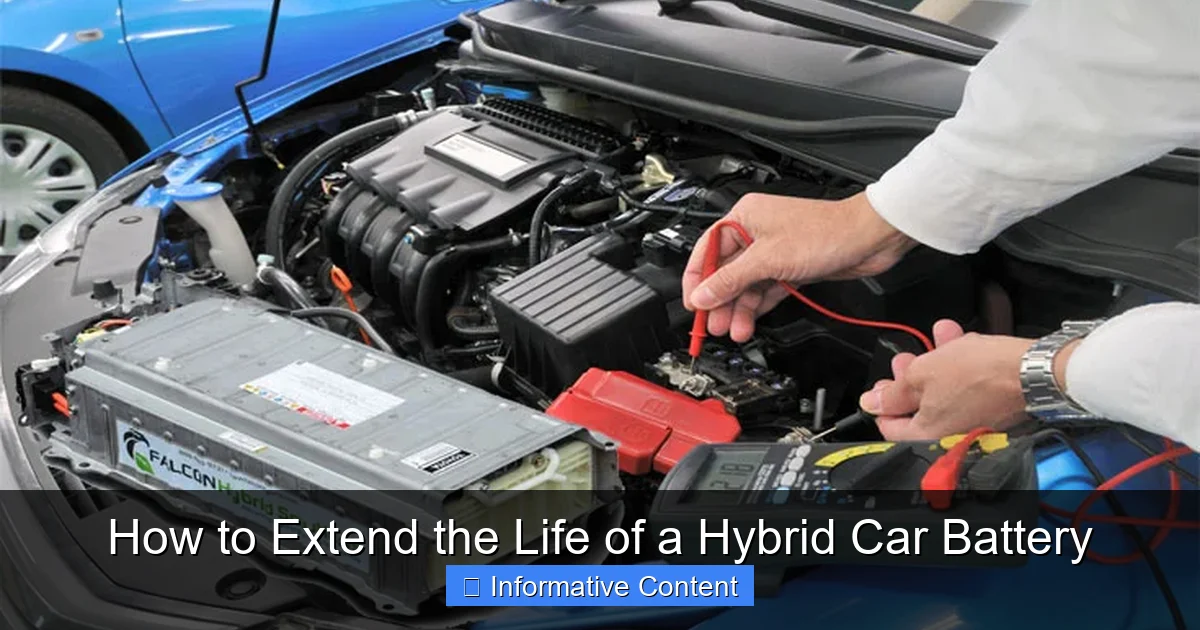
Visual guide about How to Extend the Life of a Hybrid Car Battery
Image source: 4gmf.org
Believe it or not, how you drive has a profound impact on your hybrid battery’s health. Adopting smoother, more mindful driving habits can significantly extend the life of a hybrid car battery.
Gentle Acceleration and Braking
This is perhaps the most important tip. Hybrid cars excel at regenerative braking, where the electric motor acts as a generator to convert kinetic energy (from slowing down) back into electricity, which is then stored in the battery.
- Smooth Acceleration: Avoid sudden, aggressive acceleration. “Flooring it” forces the battery to dump a large amount of power quickly, generating heat and stress. A gentle acceleration allows the system to blend power more efficiently, often leaning more on the engine or using less battery power.
- Anticipatory and Gentle Braking: Look ahead in traffic. When you see a stop sign or slowing traffic, ease off the accelerator early and allow the car to coast. Then, apply the brakes gently and gradually. This maximizes the amount of energy recovered through regenerative braking, recharging your battery instead of wasting energy as heat through friction brakes. Aggressive braking, on the other hand, quickly overwhelms the regenerative system, forcing the car to rely on friction brakes and missing out on valuable energy recovery.
Avoiding Extreme Speeds and Consistent High-Speed Driving
While hybrids are perfectly capable of highway speeds, sustained high-speed driving can put extra strain on the battery. At very high speeds, the electric motor often assists less, and the gasoline engine does most of the work. If the battery is repeatedly called upon for quick bursts at these speeds, or if it’s constantly being charged and discharged in a less-than-optimal way, it can contribute to degradation. Try to maintain a steady, moderate pace when possible.
Using EV Mode Wisely (For PHEVs)
If you have a Plug-in Hybrid (PHEV) with a dedicated “EV mode,” use it strategically. While it’s tempting to use up all your electric range, consider the conditions. For instance, using EV mode on the highway might drain the battery faster and less efficiently than on surface streets. Some PHEVs also allow you to save battery charge for later, which can be useful if you know you’ll be driving in stop-and-go city traffic where electric power is most efficient.
The Critical Role of Temperature Management
Temperature is a silent killer for hybrid batteries. Both extreme heat and extreme cold can significantly shorten their lifespan. Managing your battery’s temperature is paramount if you want to extend the life of a hybrid car battery.
Battling the Heat
Heat is the primary enemy of lithium-ion and NiMH batteries. High temperatures accelerate the chemical reactions inside the battery, leading to faster degradation.
- Park in the Shade: Whenever possible, park your hybrid in the shade, especially on hot, sunny days. This simple act can prevent the interior and the battery pack from reaching scorching temperatures.
- Avoid Long Idling in Heat: If your car is idling for extended periods in hot weather, the battery cooling system might struggle to keep up, especially if the cabin AC is also running full blast.
- Use Cabin AC Strategically: Some hybrid cooling systems are linked to the cabin AC. Running the AC can sometimes help cool the battery, but prolonged use in extremely hot parked conditions can also stress the 12V auxiliary battery. It’s a balance.
- Keep Vents Clear: Ensure the battery cooling vents (often located under the rear seats or in the trunk area) are clear of obstructions. Blocked vents hinder the car’s ability to cool the battery.
Conquering the Cold
While not as damaging as extreme heat, very cold temperatures also impact battery performance and longevity. In cold weather:
- Reduced Performance: Batteries are less efficient in the cold. You’ll notice reduced electric range and possibly a more frequent engagement of the gasoline engine.
- Pre-conditioning: If your hybrid has a pre-conditioning feature (often via a smartphone app for PHEVs), use it while the car is still plugged in. This brings the battery (and cabin) to an optimal temperature using grid power, reducing stress on the battery and improving efficiency from the start of your drive.
- Garage Your Car: If you live in an area with harsh winters, parking your hybrid in a garage can protect the battery from extreme cold and help it stay closer to its optimal operating temperature.
Understanding the Car’s Cooling System
Most hybrids have an active cooling system for their battery pack, either air-cooled (common in older NiMH systems) or liquid-cooled (more common in Li-ion systems). This system is designed to maintain the battery within an optimal temperature range. Ensuring your car’s cooling system is properly maintained (e.g., radiator clean, coolant levels correct) indirectly supports battery health.
Proactive Maintenance and Monitoring
Regular maintenance isn’t just for the engine; it’s absolutely vital for your hybrid battery system. Staying on top of routine checks can uncover potential issues early and significantly extend the life of a hybrid car battery.
Regular Service Check-ups
Follow your vehicle manufacturer’s recommended service schedule. These check-ups often include specific inspections for the hybrid system.
- Hybrid System Checks: Technicians can access diagnostic codes and run tests specific to the hybrid battery and its management system. They might be able to provide a “health report” for your battery, indicating its estimated remaining capacity.
- Cooling System Inspection: As discussed, the battery’s cooling system is critical. Technicians can ensure fans are working, vents are clear, and (for liquid-cooled systems) coolant levels and quality are appropriate.
Software Updates
Modern cars are essentially computers on wheels, and hybrid systems rely heavily on sophisticated software. Manufacturers frequently release software updates that can optimize battery management, improve charging algorithms, and enhance overall efficiency. Ensure your car’s software is up-to-date during your service visits. These updates are designed to help extend the life of a hybrid car battery.
Keeping the 12V Battery Healthy
While not the main hybrid battery, the conventional 12V auxiliary battery plays a crucial role. It powers the car’s computer systems, accessories, and often initiates the hybrid system. If the 12V battery is weak or failing, it can put undue stress on the hybrid system and even prevent the car from starting, mimicking a main battery issue. Regular checks and timely replacement of the 12V battery are important.
Monitoring Warning Lights
Never ignore a warning light on your dashboard, especially those related to the hybrid system (often a “check hybrid system” light or a specific battery warning). These indicators are your car’s way of telling you something isn’t right. Addressing issues promptly can prevent minor problems from escalating into costly repairs and help maintain battery health.
Optimal Charging Practices for Plug-in Hybrids (PHEVs)
If you own a plug-in hybrid, your charging habits directly influence battery longevity. Smart charging is a major factor when you want to extend the life of a hybrid car battery.
Avoiding Deep Discharges and Full Charges (The 20-80% Rule)
This is a well-known principle for lithium-ion batteries. While modern Battery Management Systems (BMS) have safeguards, repeatedly charging to 100% and discharging to 0% can accelerate degradation.
- The Sweet Spot: Ideally, try to keep your PHEV’s battery State of Charge (SOC) between 20% and 80%. This range puts less stress on the battery’s chemistry.
- Daily Charging: For daily commutes, aim to charge your car enough to meet your needs without always filling it to the brim. If you only drive 20 miles a day and your car has 40 miles of electric range, you don’t necessarily need to charge it to 100% every night.
- Occasional Full Charges: It’s perfectly fine to charge to 100% for longer trips when you need the full range, but try to avoid making it a daily habit.
Using the Right Charger
Most PHEVs come with a Level 1 charger (plugs into a standard 120V household outlet) and are compatible with Level 2 chargers (240V, faster charging).
- Level 1 vs. Level 2: For daily use, either is fine. Level 1 is slower and puts less stress on the battery, which can be a good thing for longevity. Level 2 is faster and more convenient.
- Avoid Frequent DC Fast Charging: While some PHEVs can use DC fast chargers, these deliver power very rapidly, generating more heat and potentially stressing the battery more. It’s best to reserve DC fast charging for occasional use, such as during long road trips when time is critical, rather than making it your primary charging method.
Scheduling Charges and Pre-conditioning
Many PHEVs allow you to schedule charging times.
- Off-Peak Charging: Schedule charging during off-peak electricity hours to save money.
- Pre-conditioning: If your car has it, use the pre-conditioning feature while plugged in. This warms or cools the battery to an optimal temperature before you drive, improving efficiency and reducing battery stress, especially in extreme weather.
Long-Term Storage and Infrequent Use
Even if you don’t drive your hybrid much, the battery still needs care. Proper preparation for storage or infrequent use is crucial to extend the life of a hybrid car battery.
Preparing for Storage
If you plan to store your hybrid for an extended period (e.g., several weeks or months):
- Ideal State of Charge (SOC): For lithium-ion batteries, it’s generally recommended to store them with a charge between 40-60%. For NiMH, consult your owner’s manual, but often a slightly higher charge (e.g., 60-80%) is recommended. Storing at 100% or 0% for long periods can cause degradation.
- Disconnect the 12V Battery: To prevent parasitic drain, it’s often a good idea to disconnect the 12V auxiliary battery if recommended by your manufacturer. This prevents it from dying and potentially causing issues with the hybrid system upon restart.
Periodic Driving
Even in storage, it’s beneficial to occasionally drive your hybrid for 20-30 minutes every few weeks. This allows the hybrid system to cycle the battery, keeping the cells active and balanced. It also helps recharge the 12V battery and circulates fluids.
Climate Control for Stored Vehicles
If possible, store your hybrid in a climate-controlled environment to protect it from extreme temperature fluctuations, which are harmful to the battery. A garage is always better than parking outdoors in harsh weather.
Conclusion
Your hybrid car battery is an amazing piece of technology, designed for durability and efficiency. While it’s true that all batteries degrade over time, you have a significant role to play in slowing that process down. By embracing smart driving habits – thinking gently about acceleration and braking – and remaining vigilant about temperature management, you’re already making huge strides.
Coupling these daily practices with regular, manufacturer-recommended maintenance and adopting intelligent charging routines for plug-in hybrids will ensure your battery remains in top condition for as long as possible. Remember, taking care of your hybrid battery isn’t just about avoiding a costly replacement; it’s about maintaining peak performance, maximizing your fuel efficiency, and enjoying your environmentally conscious vehicle for many years to come. With these tips in hand, you’re well-equipped to extend the life of a hybrid car battery and keep your hybrid running smoothly and efficiently for countless miles.
Frequently Asked Questions
What are the common signs of a failing hybrid battery?
Common signs include a noticeable decrease in fuel economy, the gasoline engine running more often or at higher RPMs, reduced electric-only driving range (for PHEVs), and dashboard warning lights such as “Check Hybrid System” or battery fault indicators. You might also notice a general reduction in power or acceleration.
How long do hybrid car batteries typically last?
Modern hybrid car batteries are designed to last a very long time, often 8-10 years or even 150,000 to 200,000 miles, if well-maintained. Many manufacturers offer warranties covering the hybrid battery for 8 years/100,000 miles, with some extending to 10 years/150,000 miles or even longer in certain states.
Is it expensive to replace a hybrid battery?
The cost of replacing a hybrid battery can vary significantly depending on the make, model, and year of the car. While prices have come down over the years, a new replacement battery can still range from a few thousand dollars to upwards of $5,000-$8,000. Refurbished or reconditioned options are often available at a lower cost.
Do I need to do anything special if my hybrid sits for a long time?
Yes, if your hybrid will be sitting for an extended period, it’s recommended to store it with the main battery at a moderate charge level (e.g., 40-60% for Li-ion). Additionally, driving it for 20-30 minutes every few weeks helps keep the battery active and the 12V auxiliary battery charged.
Can external factors like road conditions or heavy loads affect battery life?
While not as significant as temperature or driving habits, consistent heavy loads (e.g., always driving with a fully loaded car) or frequent driving on very steep inclines can put additional stress on the hybrid system, including the battery, by demanding more power more often. Smooth driving techniques remain beneficial even in these conditions.
Does regular car washing help battery life?
Directly, no. However, keeping your car clean, especially ensuring that the battery cooling vents (often near the rear seats or trunk) are free of dust, debris, or blockages, can indirectly support the battery by ensuring its cooling system works efficiently. This is particularly important for models with air-cooled batteries.