
Keeping your car battery terminals clean is crucial for vehicle reliability and battery longevity. Corrosion can significantly hinder your car’s electrical system, leading to starting problems and reduced performance. This guide will walk you through the simple, safe steps on how to clean terminals on car battery effectively, ensuring a strong, consistent connection every time.
Getting into your car, turning the key, and hearing nothing but a faint click can be incredibly frustrating. More often than not, the culprit isn’t a dead battery itself, but rather a poor connection caused by something commonly known as battery corrosion. That crusty, powdery buildup on your car battery terminals might seem harmless, but it’s a silent assassin of your vehicle’s electrical system, slowly but surely eating away at its performance and reliability.
But here’s the good news: learning how to clean terminals on car battery is a straightforward task that almost anyone can do with a few basic tools and a little confidence. It’s a simple maintenance step that can save you from unexpected breakdowns, extend the life of your battery, and ensure your car starts reliably every single time. Think of it as a quick spa day for your battery, restoring its youthful vigor and connectivity.
In this comprehensive guide, we’re going to walk you through everything you need to know about how to clean terminals on car battery. From understanding why corrosion happens and gathering the right tools, to a detailed step-by-step cleaning process and tips for preventing future buildup, we’ve got you covered. Get ready to empower yourself with the knowledge to keep your car running smoothly and avoid those unwelcome roadside surprises. Let’s get those terminals sparkling!
Key Takeaways
- Safety First: Always wear protective gear, including gloves and eye protection, and ensure your car is off with the parking brake engaged before you begin any work on the battery.
- Understand Corrosion: The fluffy, colored buildup on your battery terminals (often white, blue, or green) is corrosion, which impedes electrical flow and can shorten battery life.
- Essential Tools: A battery terminal brush, wrench (usually 10mm or 13mm), baking soda, water, a wire brush, and anti-corrosion spray are key to a successful cleaning.
- Proper Disconnection Sequence: Always disconnect the negative (-) terminal first, followed by the positive (+) terminal, to prevent accidental short circuits.
- Thorough Cleaning: Use a mixture of baking soda and water to neutralize acid and scrub away corrosion with a battery brush until terminals are shiny. Rinse thoroughly and dry completely.
- Correct Reconnection: When reconnecting, attach the positive (+) terminal first, then the negative (-) terminal, ensuring all connections are tight and secure.
- Prevention is Key: Apply anti-corrosion grease or washers after cleaning to significantly reduce the likelihood of future corrosion buildup and extend the time between cleanings.
Quick Answers to Common Questions
What causes corrosion on car battery terminals?
Battery corrosion is typically caused by hydrogen gas escaping from the battery vents, reacting with the metal terminals and clamps, and forming an oxidized crust, usually white, blue, or green. This is a normal byproduct of the chemical processes within the battery, exacerbated by heat and vibration.
How often should I clean my car battery terminals?
It’s a good practice to inspect your battery terminals every 3-6 months. If you notice any signs of corrosion, clean them immediately. In environments with extreme temperatures or high humidity, more frequent checks and cleanings might be necessary to maintain optimal performance.
Can I use Coca-Cola to clean battery terminals?
While Coca-Cola (or other sodas) can temporarily remove some corrosion due to its mild acidity, it’s not recommended for cleaning battery terminals. The sugar in soda can leave a sticky residue that attracts dirt and can actually promote future corrosion, making it a less effective and messier solution than baking soda and water.
What happens if I connect the battery terminals in the wrong order?
Connecting battery terminals in the wrong order (positive first when disconnecting, or negative first when reconnecting) can cause sparks, which can ignite hydrogen gas around the battery, leading to an explosion. It can also damage the vehicle’s electrical system, including the alternator or sensitive electronic components, due to a short circuit.
Is corrosion a sign of a bad battery?
Not necessarily. While excessive or recurring corrosion can sometimes indicate a battery that is overcharging or nearing the end of its life, minor corrosion is a normal occurrence over time. Cleaning the terminals often resolves the issue. However, if corrosion returns very quickly after cleaning or if accompanied by other battery issues, it might be time for a professional battery test.
📑 Table of Contents
Why Cleaning Your Car Battery Terminals Matters
Before we dive into the “how-to,” let’s chat about “why.” Understanding the importance of this task will give you all the motivation you need to grab those tools. Cleaning car battery terminals isn’t just about aesthetics; it’s about the fundamental health of your vehicle’s electrical system.
Understanding Battery Corrosion
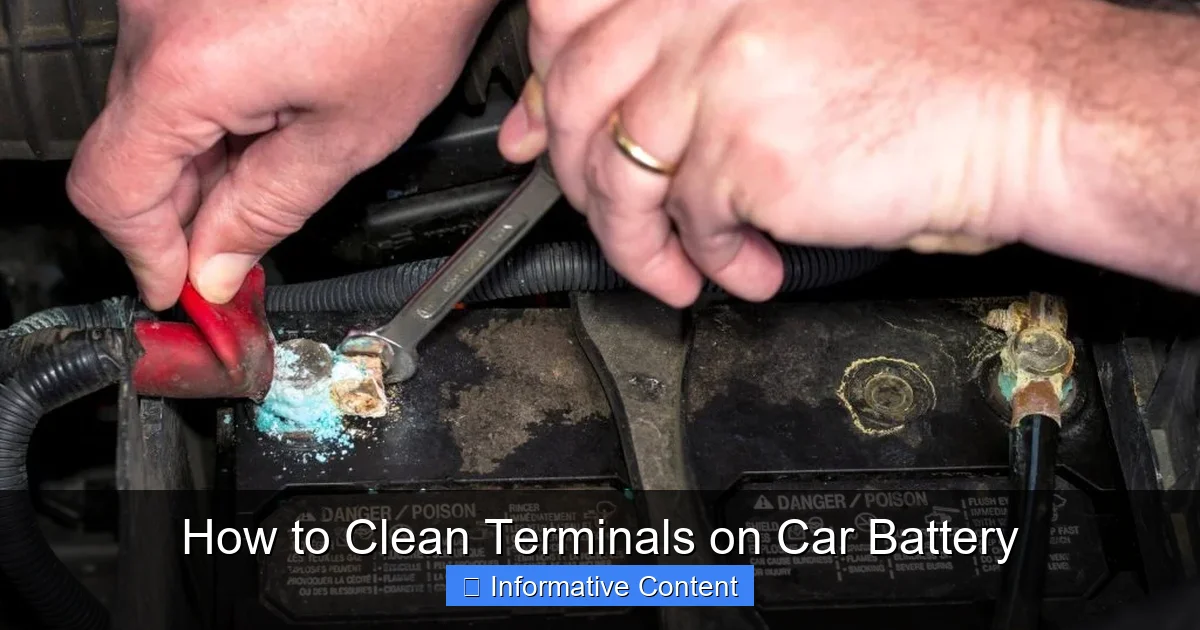
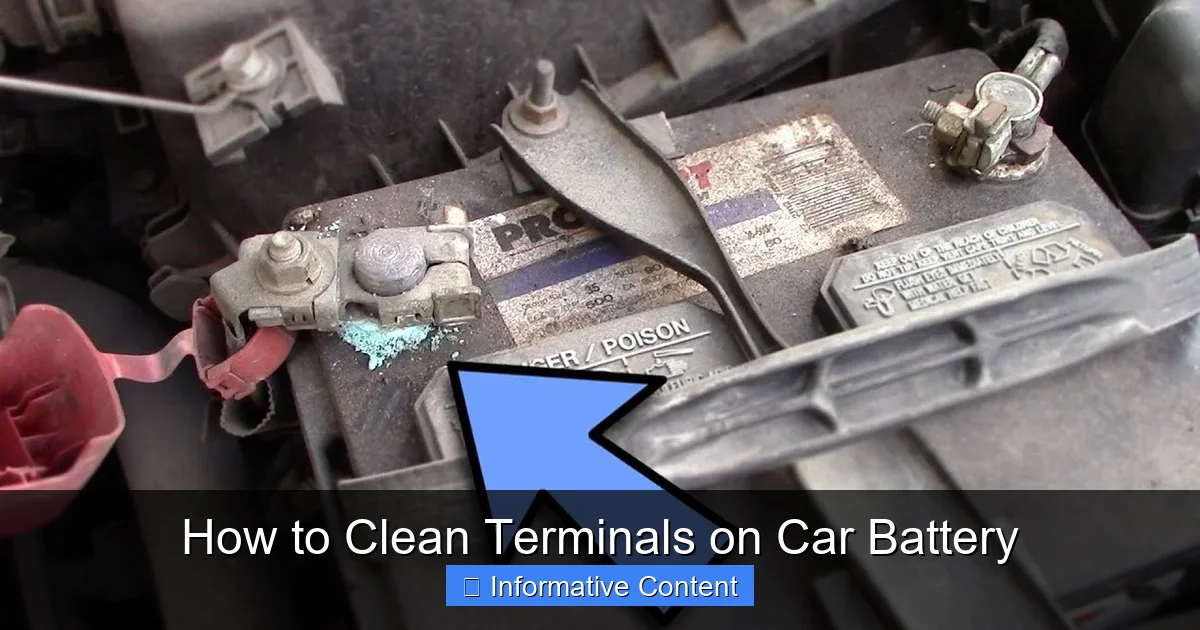
Car batteries generate electricity through a chemical reaction involving lead plates and an electrolyte solution, typically sulfuric acid. Over time, and especially with heat and vibration, small amounts of hydrogen gas can escape from the battery vents. This gas, combined with the sulfuric acid, reacts with the metal of the battery terminals and cable clamps, creating that unsightly white, blue, or greenish powdery substance we call corrosion. It’s essentially an oxidation process, similar to rust on iron.
Corrosion is a poor conductor of electricity. Imagine trying to send water through a clogged pipe; it just doesn’t flow as well. Similarly, when corrosion builds up on your battery terminals, it creates resistance, making it harder for the electrical current to flow from the battery to your car’s starter and other electrical components. This resistance leads to a weaker electrical signal, causing a whole host of problems.
The Impact on Your Car’s Performance
A corroded battery terminal can manifest in several annoying ways:
- Starting Problems: This is the most common and frustrating symptom. The starter motor needs a strong surge of electricity to crank the engine. If corrosion is blocking the flow, your car might crank slowly, hesitantly, or not at all, leaving you stranded.
- Dim Lights and Electrical Malfunctions: Your headlights might appear dimmer, or your radio and other accessories might not work as efficiently. The entire electrical system relies on a clean, consistent power supply.
- Reduced Battery Life: The battery has to work harder to push power through the corrosion. This increased strain can prematurely wear out the battery, leading to a shorter lifespan and the need for earlier replacement. Cleaning car battery terminals regularly helps preserve your battery.
- Alternator Strain: Your car’s alternator is responsible for recharging the battery while the engine runs. If the battery connections are corroded, the alternator might have to work harder to charge the battery, potentially shortening the alternator’s life as well.
Simply put, if you notice any of these signs, knowing how to clean terminals on car battery is your first line of defense before considering more expensive repairs or replacements.
Safety First: A Crucial Precaution
Working with car batteries involves handling electricity and corrosive chemicals (battery acid). Therefore, safety is not just a recommendation; it’s an absolute requirement. Always approach this task with caution.
Essential Tools and Materials You’ll Need
Visual guide about How to Clean Terminals on Car Battery
Image source: i.ytimg.com
Before you learn how to clean terminals on car battery, gather all your supplies. Having everything at hand will make the process smoother and safer.
Basic Cleaning Kit Components
- Wrench: You’ll need an open-end or ratcheting wrench, usually a 10mm or 13mm, to loosen the terminal clamps. Check your car’s manual if you’re unsure.
- Battery Terminal Brush: This is a specialized wire brush designed specifically for cleaning battery posts and cable clamps. It typically has two ends: one for cleaning the posts and another for the inside of the cable clamps. This tool is inexpensive and highly effective for cleaning car battery terminals.
- Baking Soda: A common household item, baking soda is excellent for neutralizing battery acid.
- Water: For mixing with baking soda and rinsing. Distilled water is preferred, but tap water is usually fine.
- Stiff Wire Brush or Old Toothbrush: For scrubbing stubborn corrosion if the battery brush isn’t enough.
- Clean Rags or Paper Towels: For drying and wiping.
Optional but Recommended Items
- Battery Terminal Puller: If your terminals are really stuck, this tool can help remove them without damaging the battery posts.
- Anti-Corrosion Spray or Grease: After cleaning, applying one of these products will help prevent future corrosion buildup.
- Wire Brush (standard): For cleaning other parts of the battery tray or surrounding area.
- Plastic Scraper: To gently remove large chunks of corrosion.
- Battery Post Shims: If your terminals are loose even when tightened, shims can provide a tighter connection.
Safety Gear is Non-Negotiable
- Safety Glasses or Goggles: Essential to protect your eyes from battery acid splashes or flying corrosion particles.
- Acid-Resistant Gloves: Rubber or nitrile gloves will protect your hands from corrosive battery acid.
- Old Clothes: Wear something you don’t mind getting dirty or potentially damaged by acid.
Step-by-Step Guide: How to Clean Terminals on Car Battery Safely
Now that you’re prepared, let’s get to the main event: learning how to clean terminals on car battery. Follow these steps carefully to ensure a safe and effective cleaning.
Preparing for the Clean-Up
- Park Safely: Ensure your car is parked on a level surface, the engine is off, and the parking brake is engaged.
- Locate the Battery: Most car batteries are under the hood, but some vehicles place them in the trunk or even under the back seat. Consult your owner’s manual if you can’t find it.
- Identify Terminals: Locate the positive (+) terminal (usually red with a plus sign) and the negative (-) terminal (usually black with a minus sign).
- Remove Obstructions: If your battery has a plastic cover or hold-down clamp, carefully remove it according to your car’s manual.
- Inspect for Damage: Before touching anything, visually inspect the battery. If you see cracks, bulges, or excessive leakage, do not proceed. It might be time for a battery replacement, and a professional should handle it.
Disconnecting the Battery Terminals
This step is critical for safety. You must disconnect the terminals in the correct order to prevent accidental short circuits or sparks.
- Start with the Negative Terminal: Using your wrench, loosen the nut on the negative (-) terminal clamp. Wiggle the clamp until it’s loose enough to slide off the battery post. Move the disconnected cable away from the battery so it can’t accidentally touch the terminal again. You might want to secure it with a bungee cord or zip tie.
- Disconnect the Positive Terminal: Next, loosen the nut on the positive (+) terminal clamp and remove it. Again, ensure this cable is also moved away from the battery.
- Remove the Battery Hold-Down: If your battery has a hold-down strap or clamp, remove it now. This allows you to remove the battery from the tray for a more thorough cleaning, if desired.
With both terminals disconnected and the battery secured, you’re ready to tackle the corrosion.
The Cleaning Process: Scrub Away the Corrosion
This is where you’ll actively learn how to clean terminals on car battery effectively.
- Prepare the Cleaning Solution: In a small, non-metal bowl, mix 1 tablespoon of baking soda with about 1 cup of water to create a paste-like solution. Baking soda is an alkaline substance that will neutralize the acidic corrosion.
- Apply the Solution: Generously apply the baking soda paste to all corroded areas on the battery posts and cable clamps. You’ll likely see a fizzing reaction, which is normal – it means the baking soda is neutralizing the acid.
- Scrub Away Corrosion:
- For Battery Posts: Use the brush end of your battery terminal cleaner (the one shaped like a cone or cylinder) to scrub the battery posts until they are shiny and free of corrosion. Twist it back and forth to ensure all sides are clean.
- For Cable Clamps: Use the other brush end (often wire bristles) to clean the inside of the cable clamps. Make sure to get deep into the clamp where it grips the post.
- For Stubborn Corrosion: If the corrosion is particularly heavy or caked on, use a stiff wire brush or an old toothbrush with more baking soda solution to scrub it away. A plastic scraper can help with thick crusts.
- Clean Battery Tray (Optional): While you’re at it, if the battery tray itself is corroded, you can use the same baking soda solution and a wire brush to clean it.
Rinsing and Drying Thoroughly
- Rinse Gently: Using a spray bottle or a small cup, rinse the cleaned areas with clean water. Be careful not to let too much water seep into the battery cells. A light rinse is usually sufficient to wash away the baking soda and loosened corrosion.
- Dry Completely: This step is crucial. Use clean rags or paper towels to thoroughly dry the battery posts, cable clamps, and any other parts that got wet. Moisture can lead to new corrosion or even short circuits. You can also use compressed air for faster drying. Ensure everything is bone dry before moving on.
Reconnecting the Terminals Correctly
Just like disconnection, reconnection has a specific order for safety.
- Apply Anti-Corrosion Protection (Optional but Recommended): Once the posts and clamps are dry and clean, apply a thin layer of anti-corrosion grease, petroleum jelly, or a specialized anti-corrosion spray to the battery posts. This creates a barrier against future corrosion. You can also use anti-corrosion washers if you have them – place them over the battery posts before reconnecting the cables.
- Reconnect the Positive Terminal First: Slide the positive (+) cable clamp back onto the positive battery post. Tighten the nut securely with your wrench. It needs to be snug, but don’t overtighten, as you could strip the threads or damage the battery post. A good test is to try wiggling the clamp; it shouldn’t move.
- Reconnect the Negative Terminal Second: Slide the negative (-) cable clamp onto the negative battery post. Tighten the nut securely, again ensuring it’s snug but not overtightened.
- Replace Battery Hold-Down and Covers: If you removed a battery hold-down or plastic cover, replace them now.
Final Checks and Tips
- Check All Connections: Give the cables a gentle tug to ensure they are firmly seated and not loose. A loose connection can cause starting problems even after cleaning.
- Start Your Car: Start your vehicle. It should crank more strongly and reliably.
- Dispose of Materials: Properly dispose of any rags that came into contact with battery acid.
Congratulations! You’ve successfully learned how to clean terminals on car battery and given your vehicle a vital boost.
Preventing Future Corrosion: Long-Term Solutions
Cleaning car battery terminals is a great start, but preventing corrosion from returning is even better. A few simple steps can significantly extend the time before you need to clean them again.
Anti-Corrosion Products
- Anti-Corrosion Grease/Sprays: These products are specifically designed to create a protective barrier over the terminals, shielding them from the corrosive gases and moisture. Apply them generously after cleaning and before reconnecting. Petroleum jelly (Vaseline) can also work as a temporary solution, but specialized products are more effective long-term.
- Anti-Corrosion Washers: These felt or fiber washers are impregnated with corrosion-inhibiting chemicals. You place them over the battery posts before reattaching the cables. They provide continuous protection.
Regular Inspection and Maintenance
Make it a habit to visually inspect your battery terminals every few months, especially before winter or after long drives. Catching minor corrosion early makes it much easier to clean. A quick wipe down with a damp cloth can sometimes prevent minor buildup from becoming a major issue. This is part of proactive car maintenance that includes cleaning car battery terminals.
Proper Battery Mounting
Ensure your battery is always securely mounted in its tray. Excessive vibration can loosen terminals and even cause internal damage, contributing to gas leakage and corrosion. A firmly mounted battery also improves the overall safety of your vehicle.
When to Call a Professional
While knowing how to clean terminals on car battery is empowering, there are times when it’s best to call in the experts.
Signs of Severe Damage
If you notice any of the following, a professional mechanic or battery specialist should inspect your battery:
- Cracked or Bulging Battery Case: This indicates severe internal damage or overcharging, which can be dangerous.
- Excessive Leaking: While minor acid residue is normal, significant liquid leaking from the battery can indicate a serious problem.
- Strong Sulfur Smell: A strong “rotten egg” smell often points to an overcharging battery, which can lead to a dangerous buildup of hydrogen gas.
- Terminals that won’t tighten: If you can’t get the terminals to snug down properly, they might be stripped or damaged, requiring specialized repair or battery replacement.
If You’re Uncomfortable or Unsure
If at any point you feel unsure about the process, uncomfortable working with car batteries, or simply don’t have the right tools, don’t hesitate to seek professional help. Your safety and the proper functioning of your vehicle are paramount. A mechanic can quickly assess the situation, clean your terminals, and advise on any further issues. They can also provide tips on how to clean terminals on car battery for your specific vehicle if it has unique requirements.
Conclusion
Learning how to clean terminals on car battery is a small investment of time and effort that yields significant returns in terms of vehicle reliability and battery lifespan. By following the safe and simple steps outlined in this guide, you can effectively tackle corrosion, ensure strong electrical connections, and prevent frustrating breakdowns. Remember to prioritize safety, use the right tools, and consider applying anti-corrosion protection for long-term peace of mind. A clean battery isn’t just a happy battery; it’s a reliable heart for your entire car. So, roll up your sleeves, gather your supplies, and give your car battery the attention it deserves. Your car (and your wallet) will thank you!
🎥 Related Video: How to Clean Corroded Car Battery Terminals like a Pro
📺 YOU Can Fix Anything: Auto
How to Clean Corroded Car Battery Terminals like a Pro is your go-to guide for quickly and safely restoring your car’s electrical …
Frequently Asked Questions
What tools do I need to clean battery terminals?
To clean battery terminals, you’ll need a wrench (usually 10mm or 13mm), a specialized battery terminal brush, baking soda, water, clean rags, and safety gear like gloves and eye protection. Optional items include anti-corrosion spray or grease.
Is baking soda safe for cleaning car battery terminals?
Yes, baking soda is very safe and effective for cleaning car battery terminals. It’s an alkaline substance that neutralizes the sulfuric acid residue found in battery corrosion, making it easier and safer to remove. Always mix it with water to create a paste before applying.
Can I clean battery terminals without disconnecting the battery?
No, it is highly recommended to disconnect the battery terminals before cleaning. Disconnecting prevents accidental short circuits, electrical shocks, and potential damage to your vehicle’s sensitive electronics. Safety should always be your top priority when working on a car battery.
How do I prevent battery terminal corrosion after cleaning?
To prevent future corrosion, apply a thin layer of anti-corrosion grease, petroleum jelly, or a specialized anti-corrosion spray to the cleaned battery posts and cable clamps. You can also use anti-corrosion felt washers, which sit over the posts and release inhibiting chemicals.
What should I do if the battery terminals are badly corroded or damaged?
If the battery terminals are severely corroded, damaged, or won’t tighten securely even after cleaning, it’s best to consult a professional mechanic. They can assess if the terminals can be repaired or if the battery needs replacement. Severe damage can pose safety risks and affect your vehicle’s performance.
How does corrosion affect battery life?
Corrosion impedes the flow of electricity, forcing the battery to work harder to deliver power. This increased strain can lead to premature wear and tear, reducing the battery’s overall lifespan. Regularly cleaning car battery terminals ensures efficient power transfer, helping to extend the battery’s life and maintain its performance.