
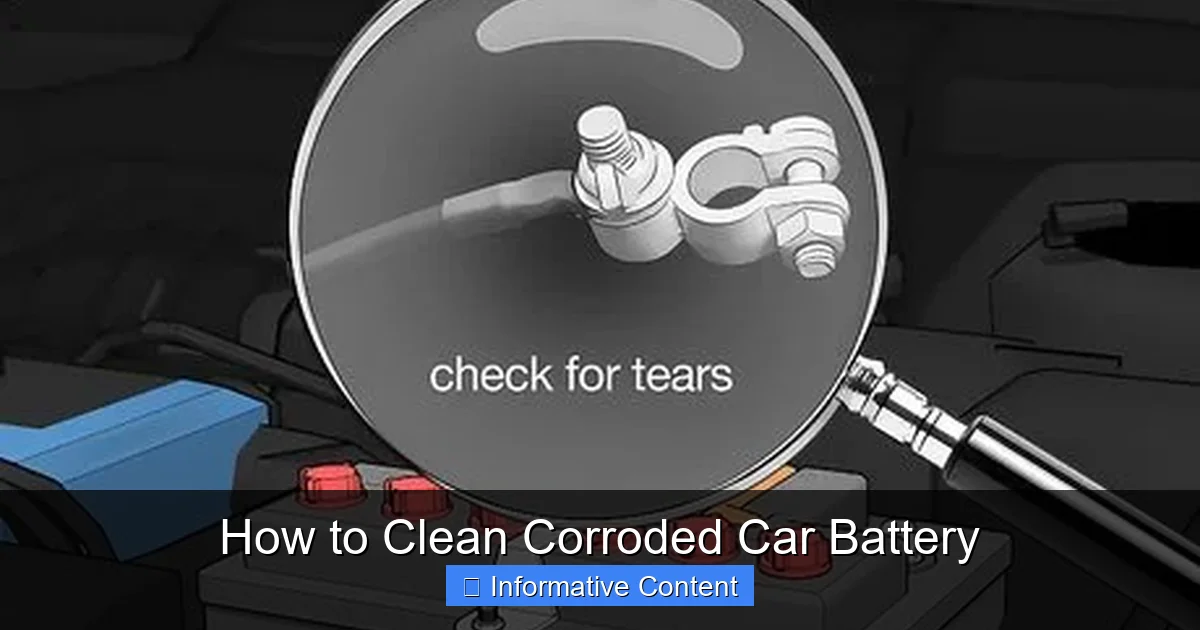
Car battery corrosion is a common problem that can severely impact your vehicle’s performance, leading to starting issues and reduced battery lifespan. This comprehensive guide provides a detailed, step-by-step process for safely and effectively cleaning corroded car battery terminals using readily available materials. Emphasizing safety precautions, proper tools, and preventative measures, you’ll learn everything you need to know to restore your battery’s health and keep your car running smoothly.
There’s nothing quite as frustrating as turning the key in your ignition only to be met with a sluggish grind or, worse yet, complete silence. Often, the culprit isn’t a dead battery itself, but rather a less obvious issue: corrosion on your car battery terminals. That fuzzy, powdery, sometimes colorful gunk that accumulates around your battery posts might look harmless, but it’s a silent killer of electrical efficiency and can lead to a host of problems, from weak starts to complete power failure.
Battery corrosion is a very common automotive nuisance, especially in older vehicles or those exposed to extreme weather conditions. It’s a chemical reaction that forms a barrier between your battery and the electrical system, hindering the flow of power your car needs to start and run. The good news? Cleaning corroded car battery terminals is a relatively straightforward DIY task that anyone can tackle with a few basic tools and a healthy dose of caution. Not only will it save you a trip to the mechanic, but it can also significantly extend the life of your battery and ensure reliable starts every time.
In this comprehensive guide, we’re going to walk you through everything you need to know about how to clean corroded car battery terminals safely and effectively. We’ll cover what corrosion is, why it happens, the essential safety precautions you must take, the simple tools and solutions you’ll need, and a step-by-step process to get your battery looking and performing like new. By the end, you’ll be armed with the knowledge and confidence to tackle battery corrosion head-on and keep your vehicle’s heart beating strong.
Key Takeaways
- Safety is Paramount: Always wear appropriate personal protective equipment (PPE) like gloves and eye protection, and ensure proper ventilation before attempting to clean a corroded car battery.
- Understand the Problem: Car battery corrosion, typically a white or blue-green powdery substance, indicates a chemical reaction that can impede electrical flow and damage battery terminals and cables.
- Simple Tools, Effective Solutions: You don’t need specialized equipment; a battery terminal brush, a wrench, and a homemade baking soda solution are often all you need to effectively clean the corrosion.
- Disconnect Safely: Always disconnect the negative battery terminal first, followed by the positive, to prevent accidental short circuits or sparks.
- Thorough Cleaning and Rinsing: Apply your cleaning solution generously, scrub away all visible corrosion, and rinse thoroughly with clean water, ensuring everything is completely dry before reassembly.
- Preventative Measures are Key: After cleaning, apply an anti-corrosion grease or spray to the terminals to slow down future corrosion, and perform regular visual checks to catch problems early.
- Restore Performance & Longevity: Regularly cleaning corroded car battery terminals can significantly improve your vehicle’s starting reliability, optimize electrical performance, and extend the overall life of your car battery.
Quick Answers to Common Questions
What causes the white powdery stuff on my battery terminals?
The white powdery substance is typically lead sulfate, a common byproduct of a chemical reaction between battery acid and the metal terminals or connectors. It forms when hydrogen gas (vented from the battery) combines with lead and other compounds, often accelerated by acid leaks or loose connections.
Is it dangerous to clean battery corrosion yourself?
Cleaning battery corrosion can be dangerous if proper safety precautions are not followed. Battery acid is corrosive, and hydrogen gas is flammable. Always wear eye protection and gloves, work in a well-ventilated area, and ensure no sparks or open flames are nearby.
Can I use anything other than baking soda to clean the corrosion?
Yes, while baking soda and water are highly effective and inexpensive, you can also use commercial battery terminal cleaning sprays. These products are specifically formulated to neutralize acid and dissolve corrosion. Never use harsh acidic cleaners.
How often should I clean my car battery terminals?
It’s a good practice to visually inspect your battery terminals every few months. If you notice any signs of corrosion starting to form, it’s best to clean it promptly. Preventative measures, like applying anti-corrosion grease, can extend the time between cleanings.
What if the corrosion is very severe and won’t come off?
For very severe or stubborn corrosion that doesn’t respond to scrubbing with baking soda and a wire brush, you might need to use a stronger commercial cleaner designed for heavy-duty corrosion. In extreme cases where terminals or cables are significantly damaged or pitted, it might be necessary to replace the battery cables or even the battery itself.
📑 Table of Contents
Understanding Car Battery Corrosion
Before we dive into the cleaning process, let’s take a moment to understand what exactly battery corrosion is and why it’s such a problem. Knowing the enemy helps us defeat it more effectively.
What is Battery Corrosion?
That powdery substance you see on your battery terminals is typically lead sulfate. When you notice white, fuzzy deposits, it’s often lead sulfate mixed with other compounds. If it’s blue or green, it usually indicates corrosion of copper clamps or cables connected to the terminals. This material is an electrical insulator, meaning it doesn’t conduct electricity well. As it builds up, it creates a resistance that prevents the battery from delivering its full power to your car’s electrical system.
Why Does Corrosion Happen?
Corrosion isn’t just random; it’s the result of specific chemical processes and environmental factors:
- Hydrogen Gas Venting: Car batteries generate hydrogen gas as part of their normal operation, especially during charging. This gas combines with various elements, including the lead of the terminals and lead sulfate from the battery acid, to form the corrosive deposits.
- Acid Leaks or Spills: Even a tiny leak or a minor spill of battery acid can lead to significant corrosion. Acid reacts readily with the metal terminals and surrounding components. Overfilling your battery can also cause acid to escape.
- Loose Connections: Loose battery terminals can cause arcing and sparks, which generate heat. This heat can accelerate the chemical reactions that lead to corrosion and also dry out battery acid, leaving behind corrosive residue.
- Overcharging: A faulty alternator or battery charger can overcharge your battery, causing it to overheat and vent excessive hydrogen gas and sometimes acid vapor, leading to increased corrosion.
- Age and Wear: Over time, battery seals can degrade, and the materials themselves can become more susceptible to corrosion. Older batteries are simply more prone to showing signs of wear and tear, including corrosion.
The Dangers of Neglecting Corrosion
Ignoring that fuzzy gunk isn’t just an aesthetic issue; it can lead to serious problems for your vehicle:
- Starting Problems: The most immediate and common issue is difficulty starting your car. The corrosion acts as a barrier, reducing the current flow from the battery to the starter motor.
- Reduced Electrical Performance: Beyond starting, other electrical components, like lights, radio, and power windows, might not receive consistent power, leading to dimming or intermittent operation.
- Battery Lifespan Reduction: Constant resistance and reduced charging efficiency can put a strain on your battery, shortening its overall lifespan and forcing you to replace it sooner than necessary.
- Damage to Components: The corrosive material itself can eat away at the battery terminals, cables, and even the battery tray or surrounding engine components if left unchecked.
Safety First: Essential Precautions When Cleaning a Car Battery
Working with car batteries involves electricity and corrosive acid, so safety should always be your top priority. Taking a few simple precautions can prevent injuries and damage.
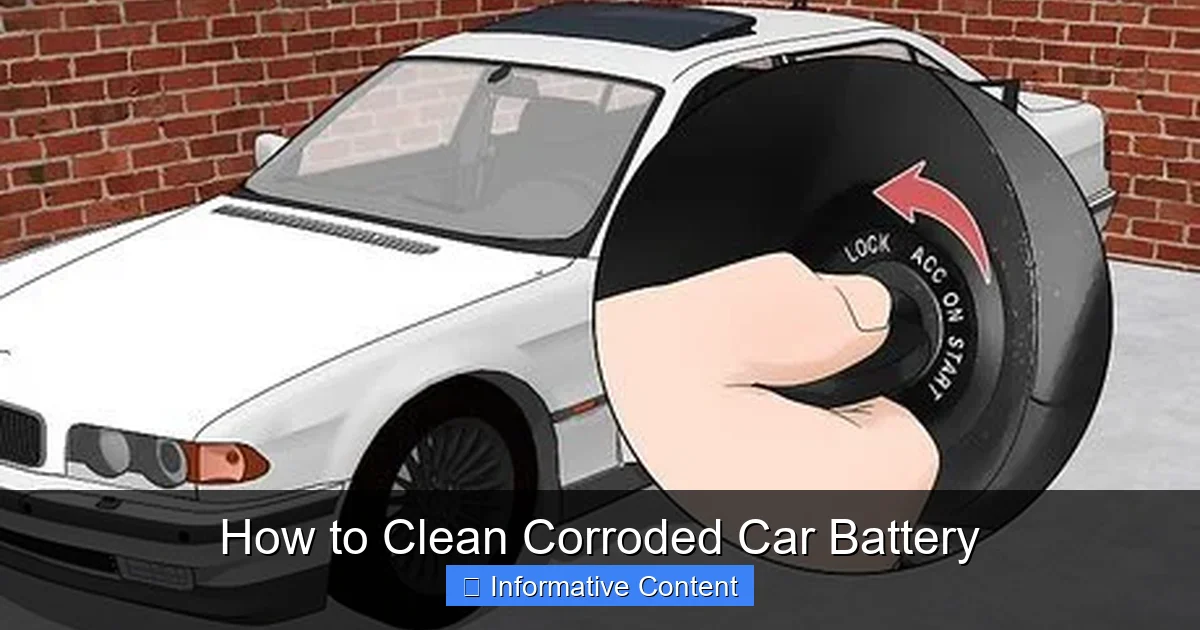
Visual guide about How to Clean Corroded Car Battery
Image source: wikihow.com
Personal Protective Equipment (PPE)
You wouldn’t jump into a pool without knowing how to swim, and you shouldn’t clean a battery without your gear:
- Safety Glasses or Goggles: Battery acid can cause severe eye damage. This is non-negotiable.
- Acid-Resistant Gloves: Protect your hands from the corrosive acid and cleaning solutions. Household rubber gloves are usually sufficient for this task.
- Old Clothes: Wear clothes you don’t mind getting stained or damaged, as battery acid or cleaning solutions can easily mark fabric.
Workspace Ventilation
Batteries release hydrogen gas, which is highly flammable. Always work in an area with good airflow:
- Outdoors is Best: If possible, clean your battery outdoors in an open space.
- Well-Ventilated Garage: If you must work indoors, ensure your garage doors are open, and consider using a fan to circulate air.
Proper Tool Handling
Carelessness with tools around a battery can lead to dangerous short circuits:
- Avoid Metal-to-Metal Contact: Never allow a metal tool to simultaneously touch both the positive and negative terminals, or a terminal and any metal part of the car’s body. This can create a spark, cause a short circuit, or even result in a battery explosion.
- Insulated Tools: If available, use tools with insulated handles.
Fire Hazards
Hydrogen gas is flammable, and sparks are a real danger:
- No Open Flames or Smoking: Keep all sources of ignition – cigarettes, lighters, sparks from grinding – far away from the battery.
- Remove Jewelry: Metal rings, watches, and bracelets can conduct electricity and cause a short circuit if they come into contact with battery terminals.
Gathering Your Cleaning Arsenal
You don’t need a professional mechanic’s toolbox to clean battery corrosion. Most of what you need you probably already have at home or can pick up cheaply.
Basic Tools You’ll Need
- Battery Terminal Wrench or Socket Set: To loosen the nuts on the battery terminals. A 10mm or 13mm wrench is common.
- Wire Brush or Battery Terminal Brush: Specifically designed to clean battery posts and cable clamps. A dedicated battery brush often has two sides: one for the post and one for the clamp.
- Old Toothbrush: Useful for scrubbing smaller, hard-to-reach areas.
- Rags or Old Towels: For wiping up grime and drying.
- Clean Water: For rinsing off the cleaning solution and corrosion.
Choosing Your Cleaning Solution
While commercial battery cleaners exist, a simple household item works wonders:
- Baking Soda and Water Paste: This is the most common and effective DIY solution. Baking soda (sodium bicarbonate) is an alkaline substance that neutralizes battery acid. Mix about 2-3 tablespoons of baking soda with a small amount of water to form a thick paste.
- Commercial Battery Terminal Cleaner: These come in spray cans and are designed to quickly dissolve corrosion. Follow the product’s instructions if you choose this option.
Other Helpful Items
- Petroleum Jelly (Vaseline), Dielectric Grease, or Anti-Corrosion Spray: For post-cleaning protection.
- Wire Brush (for cables): If your battery cables are heavily corroded, a larger wire brush might be helpful.
Step-by-Step Guide: How to Clean Corroded Car Battery
Now that you’re geared up and ready, let’s get into the nitty-gritty of cleaning corroded car battery terminals. Follow these steps carefully for a safe and effective cleaning job.
Step 1: Disconnecting the Battery Safely
This is arguably the most critical step for safety.
- Locate Terminals: Identify the positive (+) and negative (-) terminals. The positive terminal is usually larger and covered by a red cap, while the negative is smaller and often black.
- Start with Negative: Using your wrench, loosen the nut on the negative (-) terminal clamp first. Twist the clamp and lift it off the battery post. Move the disconnected cable away from the battery so it cannot accidentally touch any metal.
- Disconnect Positive: Next, loosen the nut on the positive (+) terminal clamp. Lift it off and also move this cable clear of the battery.
- Remove Battery (Optional): If the corrosion is extensive and covers the battery tray or surrounding areas, you might want to remove the battery from the car. This usually involves unbolting a hold-down clamp at the base of the battery. Be careful, as car batteries are heavy!
Step 2: Preparing the Cleaning Solution
If using baking soda and water:
- In a small container, mix 2-3 tablespoons of baking soda with just enough water to create a thick, spreadable paste. You want it to be like toothpaste, not runny.
Step 3: Applying and Scrubbing Away Corrosion
Time to get rid of that gunk!
- Apply the Paste: Generously apply the baking soda paste directly onto the corroded battery terminals and cable clamps. You’ll likely see it bubble and fizz as it reacts with the acid, neutralizing it.
- Scrub the Terminals: Use your battery terminal brush (or a wire brush) to vigorously scrub the battery posts. Make sure you get all sides and the tops, removing all visible white or blue-green deposits.
- Clean the Cable Clamps: Don’t forget the inside of the cable clamps! Use the other side of your battery brush or the wire brush to clean the inner surfaces of the clamps where they connect to the posts. This is crucial for a good electrical connection.
- Detail Work: For any stubborn or hard-to-reach areas, use an old toothbrush. If you removed the battery, clean any corrosion from the battery tray and surrounding areas.
Step 4: Rinsing and Drying
Crucial for preventing future issues.
- Rinse Thoroughly: Pour clean water over the cleaned terminals, clamps, and any areas where the baking soda solution was applied. This washes away the neutralized corrosion and any remaining cleaning residue. Be careful not to let too much water seep into the battery cells themselves, especially if it’s not a sealed battery.
- Dry Completely: Use a clean rag or old towel to thoroughly dry all the terminals, clamps, and surrounding areas. Make sure there’s no moisture left, as it can promote new corrosion or cause a short circuit when reconnecting. You can also let it air dry completely for a while.
Step 5: Inspecting Terminals and Cables
A quick check before reassembly.
- Check for Damage: Inspect the battery posts and cable clamps for any signs of physical damage, pitting, or excessive wear from the corrosion. If the cables or clamps are severely damaged, they might need replacement.
- Cable Condition: Ensure the battery cables themselves are in good condition, with no frayed wires or cracked insulation.
Step 6: Reconnecting the Battery
The reverse of disconnection, with an important difference.
- Apply Protection (Optional but Recommended): Before reconnecting, apply a thin layer of petroleum jelly, dielectric grease, or an anti-corrosion spray to the clean battery posts and the inside of the cable clamps. This forms a protective barrier against moisture and air, significantly slowing down future corrosion.
- Connect Positive First: Place the positive (+) cable clamp back onto the positive battery post. Tighten the nut securely with your wrench. It should be snug, but don’t overtighten, as this can damage the post or clamp.
- Connect Negative Last: Now, place the negative (-) cable clamp back onto the negative battery post. Tighten this nut securely as well.
- Verify Connections: Give both cables a gentle wiggle to ensure they are firmly attached and won’t come loose.
Post-Cleaning Maintenance and Prevention
Cleaning corroded car battery terminals is a great start, but preventing future buildup is key to long-term battery health.
Applying Anti-Corrosion Protection
This is your first line of defense against future corrosion.
- Petroleum Jelly (Vaseline): A simple and effective barrier. Apply a thin layer over the cleaned and reconnected terminals and clamps.
- Dielectric Grease: Specifically designed for electrical connections, it provides excellent moisture protection.
- Anti-Corrosion Sprays/Washers: You can purchase dedicated sprays or felt washers impregnated with anti-corrosion agents that fit under the battery cables. These are highly recommended for lasting protection.
Regular Visual Inspections
Make it a habit to check your battery periodically.
- Monthly Check: Pop your hood once a month and give your battery a quick look. Early detection of corrosion means easier cleaning and less damage.
- Look for Early Signs: Even a slight discoloration or a hint of powdery residue can indicate the start of new corrosion.
Tightening Connections
Loose connections are a major cause of corrosion and electrical issues.
- Snug, Not Overtight: Periodically check that your battery terminals are securely tightened. A loose connection causes resistance, heat, and sparks, all of which accelerate corrosion. However, avoid overtightening, as this can strip the threads or damage the battery posts.
Battery Tray Maintenance
The area around your battery can also get dirty and acidic.
- Keep it Clean: If you remove your battery for cleaning, take the opportunity to clean the battery tray and any surrounding areas with a baking soda solution and rinse thoroughly. This prevents corrosion from spreading to other parts of your engine bay.
Proper Charging Habits
How you charge your battery impacts its longevity and propensity for corrosion.
- Avoid Overcharging: Ensure your car’s alternator is functioning correctly and not overcharging the battery. If you use an external charger, choose a smart charger that automatically stops once the battery is full. Overcharging can cause excessive gassing and acid leaks.
- Avoid Undercharging: Consistently undercharging a battery can also reduce its lifespan and performance. Make sure your vehicle’s electrical system is charging the battery adequately.
Conclusion
Cleaning corroded car battery terminals might seem like a daunting task at first, but as you’ve seen, it’s a straightforward process that offers significant benefits. By following the safety guidelines and the step-by-step instructions on how to clean corroded car battery terminals, you can restore your vehicle’s electrical connections, improve starting reliability, and extend the overall life of your car battery.
Remember, a little preventative maintenance goes a long way. Regular visual checks, proper terminal protection, and ensuring snug connections will help keep that fuzzy gunk at bay. Don’t let battery corrosion leave you stranded; take charge of your car’s battery health today. Your car, and your wallet, will thank you for it!
🎥 Related Video: How to Clean Corroded Car Battery Terminals like a Pro
📺 YOU Can Fix Anything: Auto
How to Clean Corroded Car Battery Terminals like a Pro is your go-to guide for quickly and safely restoring your car’s electrical …
Frequently Asked Questions
How does corrosion affect my car battery’s performance?
Corrosion creates an insulating barrier between the battery terminals and the cable clamps, increasing electrical resistance. This hinders the flow of current, leading to reduced power delivery, difficulty starting the engine, and inefficient charging, ultimately shortening the battery’s lifespan.
Can I just pour water on the corrosion to clean it?
No, simply pouring water on corrosion is not recommended. While water can rinse away some loose debris, it won’t effectively neutralize the acidic components of the corrosion, nor will it thoroughly scrub away the stubborn deposits. A baking soda solution is crucial for neutralizing the acid.
What is the proper way to reconnect battery cables after cleaning?
After ensuring the terminals are clean and dry, first connect the positive (+) cable to the positive battery post, tightening it securely. Then, connect the negative (-) cable to the negative battery post and tighten it. Always connect positive first, then negative.
Should I remove the battery from the car to clean it?
You don’t always need to remove the battery, but it can be beneficial if the corrosion is extensive and has spread to the battery tray or surrounding components. If removing, be prepared for its weight and ensure you have a safe place to work.
Is it normal for a new battery to have corrosion?
A brand-new battery should not have corrosion. If you see corrosion on a new battery, it could indicate an issue like a manufacturing defect causing a leak, overcharging from a faulty alternator, or loose connections that developed prematurely. It’s worth getting it checked by a professional.
What should I do if battery acid gets on my skin or eyes?
If battery acid gets on your skin, immediately rinse the affected area with plenty of cool water for at least 15-20 minutes. If it gets in your eyes, flush them immediately with copious amounts of water for at least 30 minutes and seek immediate medical attention. Always prioritize safety gear to prevent such incidents.