
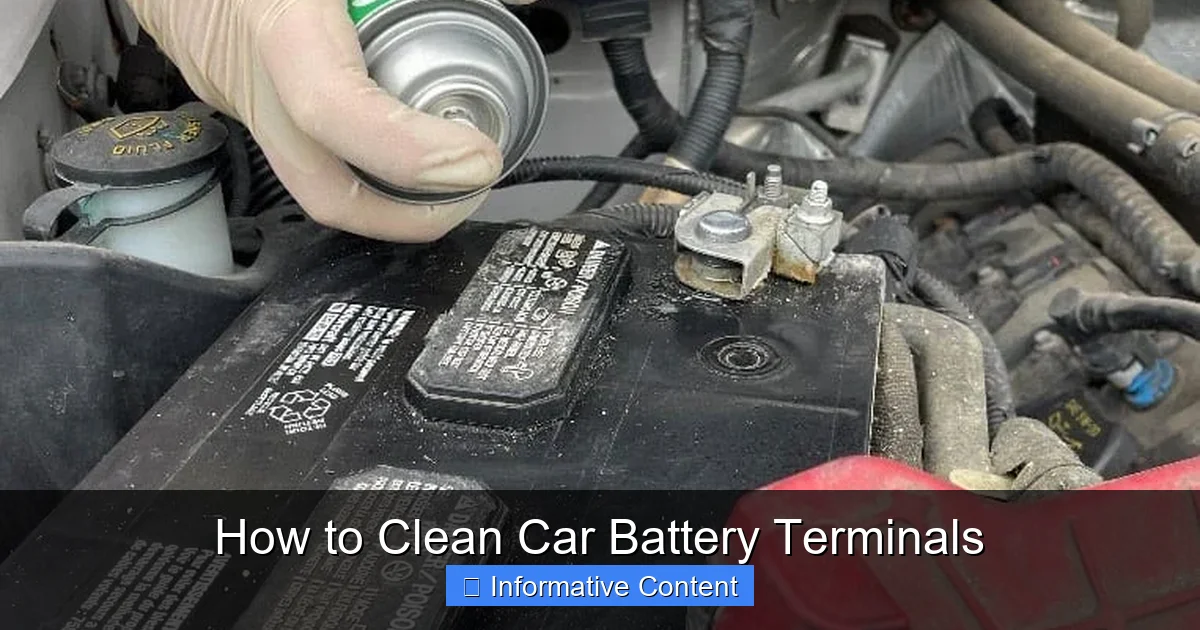
Keeping your car battery terminals clean is essential for reliable vehicle performance and a longer battery lifespan. Corrosion can lead to starting problems and power delivery issues, so knowing how to clean car battery terminals properly is a valuable skill for any car owner. This guide provides a safe and easy-to-follow method to tackle battery terminal corrosion, ensuring your car starts smoothly every time.
Do you ever hop into your car, turn the key, and hear nothing but a disheartening click, or perhaps a slow, struggling crank? It’s a frustrating experience, especially when you’re in a hurry. While many factors can contribute to a car not starting, one of the most common and often overlooked culprits is corroded battery terminals. Those fuzzy, colorful deposits you might see around your battery posts aren’t just an eyesore; they’re a significant barrier to your car’s electrical health.
Understanding how to clean car battery terminals isn’t just about aesthetics; it’s about maintaining your vehicle’s reliability and extending the life of your battery. Corrosion acts like an electrical insulator, preventing your battery from delivering its full power to your car’s starter and other electrical components. This simple maintenance task can save you from inconvenient breakdowns and potentially costly repairs down the line. Plus, it’s a DIY job that almost anyone can do with a few basic tools and a bit of caution.
In this comprehensive guide, we’ll walk you through everything you need to know about how to clean car battery terminals. We’ll cover why it happens, what tools you’ll need, step-by-step instructions, and crucial safety precautions. By the end, you’ll feel confident tackling this common car issue, ensuring your vehicle remains in top shape and ready to go whenever you are. Let’s get started on bringing your battery terminals back to their shiny, conductive best!
Key Takeaways
- Understand the “Why”: Corroded battery terminals impede electrical flow, causing starting issues, dim lights, and affecting your car’s overall electrical system.
- Prioritize Safety: Always wear protective gear (gloves, eye protection) and disconnect the negative terminal first, then the positive, to prevent electrical shocks or short circuits.
- Gather the Right Tools: You’ll need a wire brush (battery terminal brush), baking soda solution, a wrench, rags, and anti-corrosion spray or grease for effective cleaning and prevention.
- Follow the Step-by-Step Process: Disconnect, clean with baking soda and brush, rinse, dry thoroughly, and then reconnect positive first, then negative.
- Prevent Future Corrosion: Apply a thin layer of dielectric grease or an anti-corrosion spray to the cleaned terminals and posts after reconnecting to deter future buildup.
- Regular Inspection is Key: Make inspecting your battery terminals a routine part of your car maintenance schedule to catch and address corrosion early.
Quick Answers to Common Questions
How often should I clean my car battery terminals?
You should inspect your car battery terminals every 3-6 months. If you see signs of corrosion, clean them immediately. Otherwise, a good rule of thumb is to clean them at least once a year as part of routine maintenance.
Can I use Coca-Cola to clean battery terminals?
While Coca-Cola contains phosphoric acid that can break down corrosion, it’s not recommended. It leaves behind sticky sugar residue that can attract dirt, cause further corrosion, and is harder to rinse away completely than a baking soda solution.
What causes battery terminal corrosion?
Battery terminal corrosion is often caused by hydrogen gas escaping from the battery (especially during charging), which reacts with the metal of the terminals. Overcharging, cracked battery cases, and loose connections can also contribute to its formation.
Is it safe to clean battery terminals without disconnecting the battery?
No, it is NOT safe to clean battery terminals without disconnecting the battery. Doing so carries a high risk of short-circuiting the battery, causing sparks, electric shock, or even a battery explosion.
What happens if I overtighten battery terminals?
Overtightening battery terminals can strip the threads on the battery post or the clamp, leading to a loose connection. It can also damage the battery post itself, potentially causing leaks or internal damage to the battery.
📑 Table of Contents
Why Cleaning Your Battery Terminals is Essential
You might be wondering, “Why bother with this seemingly small detail?” The truth is, clean battery terminals are fundamental to your car’s electrical system. When your battery terminals accumulate corrosion, it’s not just a minor annoyance; it’s a direct impediment to electrical current flow.
The Impact of Corrosion
Battery corrosion, typically a white, green, or bluish powdery substance, is usually formed from hydrogen gas released by the battery reacting with ambient air or the metal of the terminals themselves. This process is called oxidation. While a car battery is designed to provide a steady flow of electricity, corrosion acts like a resistor, increasing the electrical resistance between the battery and the car’s electrical system.
Think of it like a clogged pipe. A clean pipe allows water to flow freely, but a pipe full of gunk restricts the flow. Similarly, clean battery terminals allow electricity to flow unimpeded, while corroded ones choke off the power. This can manifest in several ways:
- Difficulty Starting: The most common symptom. Your starter motor might not receive enough current, leading to slow cranking or a complete failure to start.
- Dim Lights: Headlights, interior lights, and dashboard lights might appear dimmer than usual, especially when the engine is off or just starting.
- Electrical Component Malfunctions: Other electrical systems, like your radio, power windows, or even the fuel pump, might not function correctly due to insufficient power.
- Reduced Battery Lifespan: A battery constantly struggling against resistance works harder, which can shorten its overall life.
- Charging Issues: The alternator might not be able to effectively recharge the battery if the connection is poor.
Regularly knowing how to clean car battery terminals and performing the task ensures optimal performance and prevents these frustrating issues.
Safety First: Essential Precautions Before You Begin
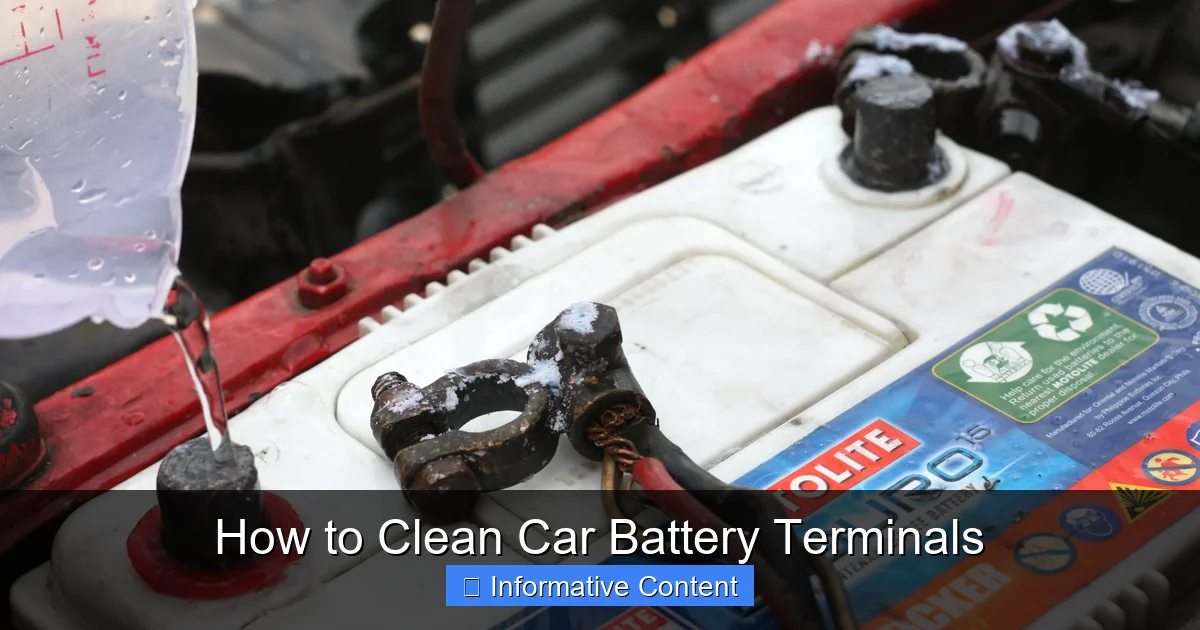
Visual guide about How to Clean Car Battery Terminals
Image source: wikihow.com
Working with car batteries involves electricity and corrosive chemicals, so safety is paramount. Never skip these steps. Your well-being and the integrity of your vehicle depend on it.
Personal Protective Equipment (PPE)
Before you even think about touching the battery, gear up:
- Eye Protection: Safety glasses or goggles are non-negotiable. Battery acid can splash, and even the dust from corrosion can irritate your eyes.
- Gloves: Wear heavy-duty rubber or latex gloves to protect your hands from battery acid and the cleaning solution.
- Old Clothes: Battery acid can also eat through or stain clothing, so choose attire you don’t mind getting dirty or damaged.
Disconnecting the Battery Safely
This is the most critical step in learning how to clean car battery terminals. Incorrect disconnection can cause a short circuit, damage your car’s electrical system, or even lead to a battery explosion.
- Turn Off Your Car: Make sure the engine is off, the ignition is completely off, and all accessories (lights, radio, etc.) are turned off.
- Locate Terminals: Identify the positive (+) and negative (-) terminals. The positive terminal usually has a red cable and a “+” sign. The negative terminal has a black cable and a “-” sign.
- Disconnect the Negative Terminal First: Using a wrench (typically 10mm or 13mm, but sizes can vary), loosen the nut on the clamp of the negative (-) terminal. Once loose, wiggle the cable free and move it away from the battery, ensuring it cannot accidentally touch the negative post again. You can secure it with a bungee cord or tuck it into a safe spot. This step prevents any accidental sparks or short circuits when you work on the positive terminal.
- Disconnect the Positive Terminal Second: Repeat the process for the positive (+) terminal. Loosen the nut, remove the cable, and secure it away from the battery.
Once both terminals are disconnected and safely moved aside, your battery is isolated, and it’s much safer to proceed with cleaning.
Tools and Materials You’ll Need
You don’t need a professional workshop to clean your battery terminals. Most of what you need can be found around the house or purchased affordably at any auto parts store.
Essential Cleaning Supplies
- Wrench Set: For loosening and tightening the battery terminal nuts. A combination wrench (10mm or 13mm are common sizes) or a socket wrench set will work.
- Battery Terminal Brush: This is a specialized wire brush designed for cleaning battery posts and cable clamps. It has a cylindrical brush for the posts and a conical brush for the inside of the clamps. It’s inexpensive and highly effective.
- Baking Soda: A common household item that acts as a mild abrasive and, more importantly, neutralizes battery acid.
- Water: For mixing with baking soda and rinsing the terminals. Distilled water is preferred to avoid mineral deposits, but tap water is usually fine for cleaning.
- Small Bowl or Spray Bottle: To mix and apply the baking soda solution.
- Stiff Bristle Brush (optional): For tougher corrosion, an old toothbrush or a small utility brush can help.
- Clean Rags or Paper Towels: For wiping and drying.
- Wire Brush (for very stubborn corrosion): A small, stiff wire brush can be used carefully if the specialized battery brush isn’t enough, but be gentle.
Post-Cleaning Protection
- Battery Terminal Protector Spray or Dielectric Grease: These products create a protective barrier that helps prevent future corrosion. They are readily available at auto parts stores.
Having these items handy before you start will make the process of how to clean car battery terminals much smoother and more efficient.
Step-by-Step Guide on How to Clean Car Battery Terminals
Now that you’re geared up and your battery is safely disconnected, let’s get down to the actual cleaning process. Follow these steps carefully for the best results.
1. Prepare the Cleaning Solution
In a small bowl, mix 1 tablespoon of baking soda with about 1 cup of water. Stir until the baking soda dissolves. Alternatively, you can sprinkle dry baking soda directly onto the corroded terminals and then spray or pour water over it to create a paste. The baking soda will react with the acid, creating a fizzing action, which is normal and indicates neutralization.
2. Apply and Scrub the Posts
Pour or spray the baking soda solution generously over the battery posts and any corroded areas on the battery tray or case. Allow it to sit for a few minutes, letting the baking soda neutralize the acid and loosen the corrosion.
Use your battery terminal brush (the cylindrical end) to thoroughly scrub the battery posts. Twist and turn the brush to get into all the grooves and remove all traces of the white, green, or blue powdery buildup. Don’t be afraid to apply a little elbow grease. For very stubborn buildup, reapply the baking soda solution and scrub again.
3. Clean the Cable Clamps
Next, take the cable clamps that attach to the battery posts. Use the conical wire brush (the other end of your battery terminal brush) to clean the inside surfaces of these clamps. It’s crucial that these surfaces are spotless, as they are where the electrical connection is made. Scrub until all corrosion is gone and the metal is shiny. Also, check the outside of the clamps and the first few inches of the cables for any corrosion and clean those areas as well.
4. Rinse and Dry Thoroughly
Once you’ve scrubbed away all visible corrosion, rinse the battery posts and clamps with clean water. Be careful not to let too much water seep into the battery cells themselves (though modern sealed batteries make this less of a concern). A spray bottle or a damp rag can help control the amount of water.
After rinsing, it’s absolutely vital to dry everything completely. Use clean rags or paper towels to wipe down the battery posts, clamps, and the top of the battery. Moisture can cause immediate re-corrosion or even short circuits. You can also let it air dry for a bit, especially on a warm, sunny day.
5. Apply Anti-Corrosion Protection
This step is optional but highly recommended to prevent future corrosion. Once everything is dry, apply a thin, even coat of dielectric grease or an anti-corrosion spray specifically designed for battery terminals. You can apply it to the battery posts, the inside of the cable clamps, and even the connection points of the cables. This creates a barrier against moisture and air, which are the main culprits behind corrosion.
6. Reconnect the Battery Terminals
This step is just as critical as the disconnection process and must be done in the reverse order.
- Reconnect the Positive Terminal First: Place the positive (+) cable clamp back onto the positive battery post. Hand-tighten the nut first, then use your wrench to tighten it securely. It should be snug, but don’t overtighten, as this can damage the post or the clamp. You should not be able to twist the clamp by hand.
- Reconnect the Negative Terminal Second: Now, place the negative (-) cable clamp back onto the negative battery post. Hand-tighten, then use your wrench to tighten it securely. Again, ensure it’s snug but not overtightened.
Double-check both connections to make sure they are firm and secure.
Post-Cleaning Maintenance and Prevention
Knowing how to clean car battery terminals is only half the battle. Preventing corrosion from returning is key to long-term battery health.
Regular Inspections
Make it a habit to check your battery terminals every few months, or at least during your routine oil changes. A quick visual inspection can tell you if corrosion is starting to form again. Catching it early makes the cleaning process much faster and easier.
Proper Battery Maintenance
- Keep Battery Top Clean: Regularly wipe down the top of your battery to remove dirt and grime, which can contribute to corrosion.
- Check Electrolyte Levels (if applicable): For non-sealed batteries, ensure the electrolyte levels are appropriate. Low levels can sometimes contribute to gassing and corrosion.
- Secure Battery Properly: Ensure your battery is securely mounted in its tray. Vibrations can loosen terminals and lead to issues.
By following these steps, you’ve not only learned how to clean car battery terminals effectively but also how to maintain them to ensure your car’s electrical system remains in top condition. This simple DIY task can prevent future headaches and keep your vehicle running smoothly.
Cleaning car battery terminals is a straightforward and rewarding maintenance task that every car owner should know. It directly impacts your vehicle’s starting reliability and the longevity of your battery. By following the safety precautions, gathering the right tools, and meticulously cleaning and protecting your terminals, you can prevent common electrical issues and ensure a consistent flow of power to your car. Make this a regular part of your vehicle maintenance, and enjoy the peace of mind that comes with a well-maintained battery system. Your car (and your wallet) will thank you!
🎥 Related Video: How to Clean Corroded Car Battery Terminals like a Pro
📺 YOU Can Fix Anything: Auto
How to Clean Corroded Car Battery Terminals like a Pro is your go-to guide for quickly and safely restoring your car’s electrical …
Frequently Asked Questions
What are the signs that my battery terminals need cleaning?
Common signs include a white, green, or bluish powdery substance on the battery posts and clamps. You might also notice your car struggling to start, dim headlights, or other electrical components not working properly.
Is baking soda the best thing to clean battery terminals with?
Yes, baking soda mixed with water is highly effective for cleaning battery terminals. It’s a mild abrasive and, critically, it neutralizes the sulfuric acid found in battery corrosion, making it safe and efficient.
What is dielectric grease and why should I use it on battery terminals?
Dielectric grease is a non-conductive, silicone-based grease that acts as a moisture barrier. Applying it to clean battery terminals helps prevent corrosion by keeping out air and moisture, which are key elements in the corrosion process.
Can corrosion drain my car battery?
Corrosion doesn’t directly “drain” your battery in the traditional sense, but it prevents your battery from effectively charging and delivering power. This reduced efficiency can lead to the battery not holding a charge or failing to start the car, mimicking a drained battery.
How do I dispose of the corroded material or dirty cleaning solution?
The corroded material and dirty solution contain neutralized battery acid. While less hazardous, it’s still best to dispose of it responsibly. You can typically pour the diluted solution down a drain with plenty of water, but if you have a significant amount or are unsure, check local waste disposal guidelines.
Can a professional clean my battery terminals for me?
Absolutely. Most auto repair shops or car service centers offer battery terminal cleaning as part of routine maintenance or during a battery check. If you’re uncomfortable doing it yourself, don’t hesitate to seek professional help.