
Don’t let car battery erosion compromise your vehicle’s performance! This comprehensive guide teaches you how to clean car battery erosion safely and efficiently, covering everything from understanding its causes and gathering essential tools to a step-by-step cleaning process and vital prevention strategies. Keep your battery terminals corrosion-free for reliable starts and extended battery life.
Key Takeaways
- Erosion is Common: White, green, or blue fluffy deposits on battery terminals are common and often due to hydrogen gas reacting with metals and impurities in the battery acid.
- Safety First: Always wear eye protection and chemical-resistant gloves. Disconnect the negative terminal first, then the positive, to prevent short circuits.
- Simple Tools: Baking soda, water, a non-metallic brush (or wire brush if needed), an old rag, and a battery terminal puller (optional but helpful) are typically all you need.
- Step-by-Step Process: The core process involves disconnecting, applying a baking soda paste to neutralize acid, scrubbing, rinsing thoroughly with clean water, drying completely, and reconnecting terminals securely.
- Preventive Measures: After cleaning, apply anti-corrosion spray, dielectric grease, or use felt washers to create a protective barrier against future erosion.
- Regular Checks: Periodically inspect battery terminals for early signs of erosion. Addressing it quickly can prevent more severe build-up and potential issues.
- Professional Help: If erosion is severe, the battery is old, leaking, or you’re unsure about the process, consult a professional mechanic or consider battery replacement.
Quick Answers to Common Questions
Can I use Coke to clean battery terminals?
While some people use Coca-Cola due to its mild acidity, baking soda and water is a safer, more effective, and widely recommended solution. Baking soda directly neutralizes the sulfuric acid found in battery erosion.
How often should I clean car battery erosion?
It’s a good practice to visually inspect your battery terminals every few months, or during regular oil changes. If you see signs of erosion, clean it promptly. Proactive maintenance can prevent severe build-up.
What color is car battery erosion?
Car battery erosion typically appears as a white, blue, or green powdery or fluffy substance. White/gray usually indicates lead sulfate, while blue/green often points to copper sulfate, depending on the metals involved.
Is car battery erosion dangerous?
Yes, car battery erosion contains corrosive acid residues and can generate flammable hydrogen gas. It can irritate skin and eyes, and if severe, can lead to electrical issues, overheating, and potentially damage other components. Always wear protective gear.
Can I clean battery terminals without disconnecting the battery?
No, it is highly recommended to disconnect the battery terminals before cleaning. Disconnecting prevents accidental short circuits, electrical shocks, and allows for a thorough and safe cleaning process.
📑 Table of Contents
- How to Clean Car Battery Erosion
- Why Does Car Battery Erosion Happen? Unpacking the Chemistry
- More Than Just Ugly: The Risks of Ignoring Battery Erosion
- Safety First! Essential Tools and Precautions Before You Start
- The Step-by-Step Guide: How to Clean Car Battery Erosion Like a Pro
- Beyond Cleaning: Preventing Future Car Battery Erosion
- When to Call a Professional (or Replace the Battery)
- Conclusion: Keep Your Car Starting Strong
How to Clean Car Battery Erosion
Imagine this: You hop into your car, turn the key, and instead of that familiar rumble, you hear a sad, weak click, or worse, nothing at all. You pop the hood, and there it is – that dreaded fuzzy white, blue, or green substance clinging to your battery terminals like a stubborn mold. This isn’t just an eyesore; it’s car battery erosion, also known as corrosion, and it’s a common culprit behind unreliable starts and electrical issues.
Car battery erosion is more than just a cosmetic problem. It acts as an insulator, hindering the flow of electricity between your battery and the rest of your car’s electrical system. This poor connection can lead to a host of problems, from sluggish starts to outright battery failure. But don’t despair! Learning how to clean car battery erosion is a straightforward task that most car owners can tackle themselves with a few simple tools and a little caution. It’s a quick fix that can save you a tow truck call and extend the life of your battery.
This comprehensive guide will walk you through everything you need to know about car battery erosion. We’ll explore why it happens, the risks of ignoring it, and most importantly, give you a step-by-step breakdown on how to clean car battery erosion safely and effectively. We’ll also share vital tips on how to prevent it from coming back, helping you keep your car’s heart – its battery – healthy and powerful for many miles to come. Let’s get those terminals sparkling clean!
Why Does Car Battery Erosion Happen? Unpacking the Chemistry
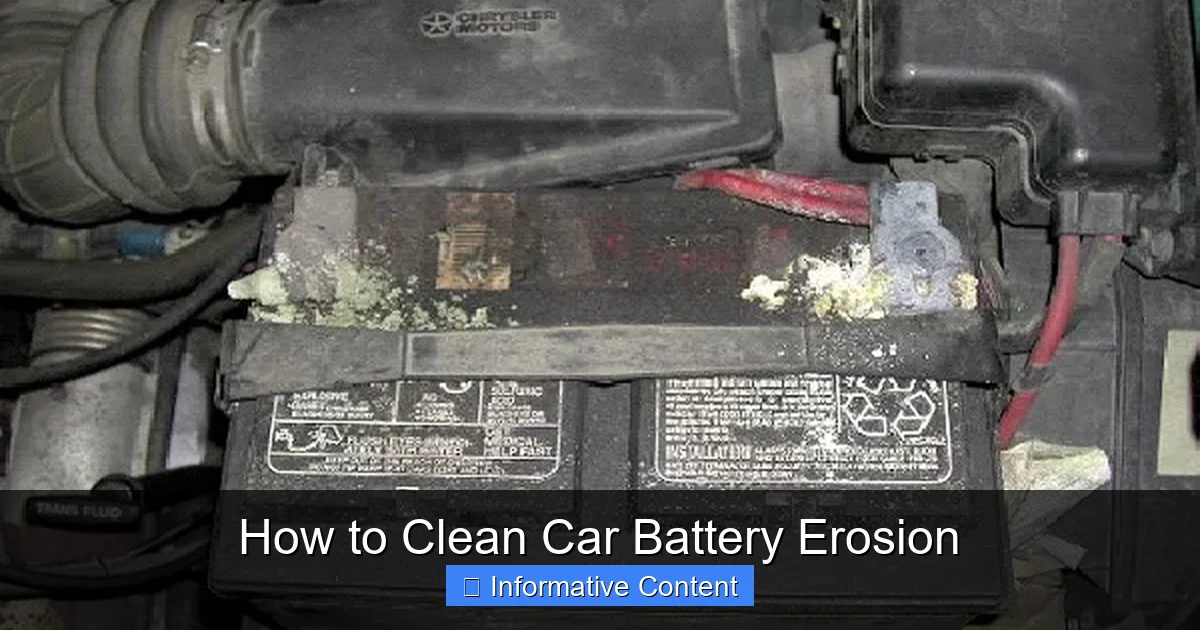
Visual guide about How to Clean Car Battery Erosion
Image source: images.baklol.com
Before we dive into how to clean car battery erosion, it’s helpful to understand *why* it appears in the first place. This fuzzy stuff isn’t just random dirt; it’s a chemical reaction at play. Most car batteries are lead-acid batteries, and the erosion you see is typically sulfate crystals formed when hydrogen gas escapes from the battery terminals and reacts with metals like copper or lead, along with impurities.
Hydrogen Gas Reactions
The primary cause of that white, blue, or green fuzzy buildup is hydrogen gas seeping out of the battery through small vents or microscopic cracks around the terminals. This gas, when exposed to the atmosphere and the metals of the battery terminals and cables, creates a chemical reaction. The result is lead sulfate (white/gray), copper sulfate (blue/green), or other metallic sulfates, which are the visible deposits we call erosion. This process is a normal part of a battery’s life cycle, but excessive erosion often points to other issues.
Overcharging and Undercharging
Both overcharging and undercharging your battery can contribute significantly to erosion. An overcharged battery heats up, causing the electrolyte solution inside to boil and produce more hydrogen gas, which then escapes and reacts. On the flip side, an undercharged battery can lead to sulfation *inside* the battery, reducing its capacity and potentially exacerbating terminal erosion as it struggles to maintain a charge. Your car’s alternator, which charges the battery while you drive, should maintain a stable voltage. If it’s faulty, it can lead to these charging imbalances.
Loose Connections
A loose battery terminal connection is a major contributor to erosion. When a connection is loose, resistance increases, leading to heat generation. This heat can cause the battery acid to vaporize more rapidly, increasing the amount of hydrogen gas escaping and accelerating the erosion process. Loose terminals also impede the flow of current, making your battery work harder and generating even more heat. Regularly checking that your terminals are snug and secure is a simple but effective preventive measure.
Leaking Battery Acid
Sometimes, the erosion isn’t just from gas; it’s from actual battery acid leaking out. Batteries have small vents, and if the battery casing is cracked, or the caps aren’t sealed properly, a small amount of sulfuric acid can escape. This acid then reacts directly with the metal terminals, leading to aggressive erosion. If you suspect a leak, you’ll need to exercise extra caution, as battery acid is corrosive and dangerous.
More Than Just Ugly: The Risks of Ignoring Battery Erosion
You might be tempted to ignore that fuzzy growth on your battery, thinking it’s just a cosmetic issue. But allowing car battery erosion to fester can lead to a host of problems, from minor annoyances to serious safety hazards. Understanding these risks highlights why learning how to clean car battery erosion is a crucial maintenance task.
Starting Issues and Reduced Electrical Flow
The most common and immediate effect of battery erosion is poor electrical conductivity. Those fuzzy deposits act as an insulator, preventing the battery from efficiently delivering power to your car’s starter motor. This can manifest as a slow crank, a hesitant start, or even a complete failure to start, leaving you stranded. When you turn the key, you need a strong, uninterrupted flow of electricity, and erosion directly interferes with that.
Reduced Battery Lifespan and Performance
When your battery terminals are covered in erosion, the battery has to work harder to deliver power. This increased strain can prematurely wear down the battery, shortening its overall lifespan. You might find yourself needing a new battery much sooner than expected. Furthermore, other electrical components in your car, from the radio to the headlights, might receive an inconsistent power supply, potentially leading to dim lights or flickering accessories.
Damage to Electrical Components
Severe erosion can creep beyond the battery terminals and onto the battery cables themselves. Over time, the corrosive material can eat away at the copper wires, weakening them and potentially causing an open circuit. This damage can extend to other delicate electronic components in your vehicle, as inconsistent voltage delivery can be harmful. Replacing corroded battery cables can be a more involved and costly repair than a simple cleaning.
Safety Hazards
Battery erosion itself is corrosive. If you touch it with bare skin, it can cause irritation. More importantly, excessive erosion can generate heat. In extreme cases, a severely corroded and struggling battery could potentially overheat, swell, or even lead to battery rupture. While rare, these are serious risks that underscore the importance of maintaining a clean battery. Addressing how to clean car battery erosion isn’t just about car performance; it’s about safety too.
Safety First! Essential Tools and Precautions Before You Start
Before you even think about touching your car battery, safety must be your absolute top priority. You’re dealing with electricity, corrosive chemicals, and potentially explosive gases. Rushing into the cleaning process without proper preparation can be dangerous. Gather your tools and take the necessary precautions before you start to clean car battery erosion.
Protective Gear is Non-Negotiable
This isn’t a suggestion; it’s a requirement.
- Eye Protection: Always wear safety glasses or goggles. Battery acid can splash, and even small particles of erosion can cause severe eye damage.
- Hand Protection: Wear heavy-duty rubber gloves or chemical-resistant gloves. Standard work gloves might not be enough to protect against battery acid.
- Old Clothes: Wear old clothes that you don’t mind getting stained or damaged. Battery acid can eat through fabric.
- Mask (Optional but Recommended): If you are sensitive to smells or in a poorly ventilated area, a simple dust mask can help prevent inhaling chemical fumes.
Gathering Your Cleaning Arsenal
You don’t need fancy equipment to clean car battery erosion. Most of what you need you might already have around the house.
- Baking Soda: This is your primary cleaning agent. It’s a mild alkali that effectively neutralizes battery acid.
- Water: For mixing with baking soda and rinsing. Distilled water is ideal for rinsing to avoid mineral deposits, but tap water is fine for mixing the paste.
- Wire Brush or Battery Terminal Cleaning Brush: A specialized battery brush has bristles designed to clean both the terminals and the cable clamps. A stiff wire brush (brass is often preferred as it’s softer than lead but still effective) or even an old toothbrush can work in a pinch. Avoid steel brushes as they can scratch too much.
- Old Rag or Paper Towels: For wiping and drying.
- Wrench Set (specifically 10mm or 13mm): You’ll need this to disconnect the battery terminals.
- Battery Terminal Puller (Optional): If your terminals are really stuck, this tool can save you a lot of frustration and prevent damage.
- Anti-corrosion Spray, Dielectric Grease, or Felt Washers: For preventing future erosion.
Choosing the Right Environment
Always work in a well-ventilated area. If you’re in a garage, open the garage door. The hydrogen gas produced by batteries is highly flammable, so avoid sparks, open flames, or smoking near the battery. Ensure your car is turned off, in park (or neutral with the parking brake on), and the keys are out of the ignition. Never attempt to clean a battery while the engine is running or hot.
The Step-by-Step Guide: How to Clean Car Battery Erosion Like a Pro
Now that you’re prepared and safe, let’s get down to the practical steps of how to clean car battery erosion. Follow these instructions carefully for the best results.
Step 1: Park Safely and Prepare
Park your car on a level surface and ensure the engine is off and cool. Remove the keys from the ignition to prevent accidental starting. Pop the hood and secure it. Put on all your protective gear: safety glasses, gloves, and old clothes. Arrange your tools within easy reach.
Step 2: Disconnect the Battery Terminals
This is a critical step. You must disconnect the terminals in the correct order to prevent accidental short circuits or sparks.
- Locate the Negative Terminal: This terminal usually has a minus sign (-) and a black cable attached to it.
- Disconnect Negative First: Using your wrench, loosen the nut on the negative terminal clamp. Wiggle and pull the clamp off the battery post. If it’s stuck, a battery terminal puller can help. Move the disconnected negative cable away from the battery so it can’t accidentally touch the post again.
- Locate the Positive Terminal: This terminal has a plus sign (+) and a red cable attached.
- Disconnect Positive Second: Loosen and remove the positive terminal clamp in the same way. Again, move the cable clear of the battery.
With both cables disconnected, your battery is now isolated, and it’s safe to proceed with cleaning.
Step 3: Apply the Cleaning Solution
Now it’s time to tackle that erosion.
- Make a Baking Soda Paste: In a small, non-metallic container, mix a few tablespoons of baking soda with a small amount of water to create a thick paste. You want a consistency similar to toothpaste.
- Apply the Paste: Generously apply the baking soda paste directly onto the corroded battery terminals and cable clamps. You’ll likely see it fizz and bubble. This is good! It means the baking soda is reacting with and neutralizing the acidic erosion. Let it sit for a few minutes to work its magic.
- Alternative: Dry Baking Soda: For less severe erosion, you can sprinkle dry baking soda directly onto the terminals and then pour a small amount of water over it. It will also fizz.
Step 4: Scrub Away the Erosion
While the baking soda is still reacting, use your battery terminal brush or wire brush to scrub away the softened erosion.
- Brush Thoroughly: Work the brush vigorously around the battery posts and inside the cable clamps. Aim to remove all traces of the white, blue, or green deposits. You want the bare metal of the posts and the clamps to shine through.
- Clean Cables Too: Don’t forget to clean any erosion that has spread onto the battery cables themselves.
- Avoid Debris: Try to prevent too much of the scrubbed-off material from falling into the battery cells or vents.
Step 5: Rinse Thoroughly
Once you’ve scrubbed everything clean, it’s crucial to rinse away all the baking soda residue and loosened erosion.
- Use Clean Water: Gently pour a small amount of clean water over the terminals and clamps. Be careful not to let too much water seep into the battery vents. A spray bottle can offer more control if you’re concerned about using too much water.
- Wipe Down: Use a clean, damp rag to wipe away any remaining paste or dissolved erosion. Repeat rinsing and wiping until the terminals and clamps are completely free of residue and look clean.
Step 6: Dry Everything Completely
Moisture can lead to future erosion, so drying is a vital step.
- Air Dry: Allow the terminals and clamps to air dry completely for several minutes.
- Wipe Dry: Use a clean, dry rag or paper towels to thoroughly wipe down the battery posts and cable clamps. Ensure there’s no moisture left before proceeding.
Step 7: Reconnect the Battery Terminals
You’re almost done! Reconnecting requires the opposite order of disconnecting.
- Reconnect Positive First: Place the positive (+) cable clamp back onto the positive battery post. Tighten the nut securely with your wrench. It needs to be snug enough that you can’t twist the clamp by hand, but don’t overtighten, as this can damage the terminal.
- Reconnect Negative Second: Place the negative (-) cable clamp back onto the negative battery post. Tighten this nut securely as well.
- Test the Connection: Give each cable a gentle tug to ensure it’s firmly attached and won’t wiggle loose.
Step 8: Apply Preventive Measures
After learning how to clean car battery erosion, the next logical step is to prevent it from coming back. This makes your cleaning efforts last longer.
- Apply Anti-Corrosion Products: This is a great time to apply an anti-corrosion spray, dielectric grease, or felt washers treated with anti-corrosion material. Apply these liberally over the newly cleaned terminals and clamps to create a barrier against moisture and air.
That’s it! You’ve successfully completed the process of how to clean car battery erosion. Close your hood, and your car should now start reliably.
Beyond Cleaning: Preventing Future Car Battery Erosion
Knowing how to clean car battery erosion is a great skill, but preventing it from returning is even better! A few simple proactive steps can keep your battery terminals sparkling clean for much longer.
Anti-Corrosion Sprays and Washes
These products are specifically designed to create a protective barrier over your battery terminals. After cleaning, apply an anti-corrosion spray or brush on an anti-corrosion wash. These coatings repel moisture and harmful gases, significantly reducing the chances of erosion formation. Many auto parts stores carry these, and they are a worthwhile investment.
Dielectric Grease: Your Battery’s Best Friend
Dielectric grease, also known as silicone grease, is an excellent non-conductive compound that prevents moisture and air from reaching the metal surfaces. After cleaning and reconnecting your terminals, apply a generous layer of dielectric grease over the posts and the cable clamps. It creates a waterproof seal that inhibits corrosion without interfering with the electrical connection.
Proper Terminal Tightness
As discussed earlier, loose connections are a prime cause of erosion. Regularly check that your battery terminals are snug and secure. A properly tightened terminal ensures good electrical contact and minimizes resistance, which reduces heat buildup and gas escape. Don’t overtighten, though, as this can strip the threads or damage the battery post. Just tight enough so the clamps can’t be twisted by hand.
Regular Battery Checks
Make a habit of performing a quick visual inspection of your battery terminals every few months, or at least during your regular oil changes. Catching erosion early, when it’s just starting to form, makes it much easier to clean and prevent from becoming a major issue. Early detection is key to maintaining a healthy battery.
Maintain Your Charging System
Ensure your car’s charging system is functioning correctly. A faulty alternator that either overcharges or undercharges your battery will contribute to erosion. If you notice persistent erosion, or if your battery seems to drain quickly or frequently needs jumps, have your charging system inspected by a professional. A healthy charging system means a healthy battery, which means less erosion.
When to Call a Professional (or Replace the Battery)
While knowing how to clean car battery erosion is empowering, there are times when it’s best to seek professional help or consider a new battery altogether.
Severe Damage or Leaks
If you notice severe erosion that has spread significantly onto the battery cables, or if the battery casing itself appears cracked, swollen, or is visibly leaking fluid, it’s time to call a mechanic. Leaking acid is hazardous, and a damaged battery can be dangerous to handle. Professionals have the right equipment and expertise to safely deal with these situations.
Persistent Problems
You’ve followed all the steps on how to clean car battery erosion, applied preventive measures, and yet the erosion keeps returning quickly, or your car still struggles to start. This could indicate a deeper issue with the battery itself, the charging system, or another electrical component. A mechanic can perform diagnostic tests to pinpoint the root cause.
Age of the Battery
Car batteries typically last between 3 to 5 years, depending on climate and usage. If your battery is nearing or past this age range, and you’re seeing significant erosion or performance issues, cleaning might only offer a temporary reprieve. In such cases, replacing the battery is often the most sensible and reliable solution. A failing battery, even if clean, won’t hold a charge well.
Conclusion: Keep Your Car Starting Strong
Car battery erosion is a common but manageable problem that can significantly impact your vehicle’s performance and reliability. By understanding its causes and following our detailed guide on how to clean car battery erosion, you can easily restore your battery’s optimal function and prevent future issues. Remember, safety is paramount, so always wear your protective gear and work in a well-ventilated area.
Regular inspection, proper cleaning, and diligent application of preventive measures like anti-corrosion sprays or dielectric grease will ensure a robust electrical connection, prolong your battery’s life, and give you peace of mind with every turn of the key. Don’t let a bit of fuzzy buildup leave you stranded – take control of your car’s maintenance today and enjoy reliable starts for years to come!
Frequently Asked Questions
What causes the fuzzy stuff on my car battery?
The fuzzy stuff, known as car battery erosion or corrosion, primarily forms when hydrogen gas escapes from the battery vents and reacts with the metal terminals and cable clamps. This chemical reaction creates sulfate crystals, which are the visible white, blue, or green deposits you see.
Is baking soda safe to use on car batteries?
Yes, baking soda is perfectly safe and highly effective for cleaning car battery erosion. It’s an alkali that neutralizes the acidic corrosion, turning it into a harmless salt, making it easy to scrub away. Always mix it with water to form a paste and rinse thoroughly afterward.
How can I prevent car battery erosion from returning?
To prevent future erosion, after cleaning and reconnecting your battery, apply anti-corrosion spray, dielectric grease, or anti-corrosion felt washers to the terminals. Also, ensure your battery terminals are always tightly secured, and regularly check for any early signs of new buildup.
What tools do I need to clean car battery erosion?
You’ll need essential safety gear like safety glasses and rubber gloves. For cleaning, gather baking soda, water, a battery terminal brush or wire brush, an old rag, and a wrench to disconnect terminals. Anti-corrosion products are helpful for prevention.
When should I replace my car battery instead of just cleaning it?
Consider replacing your battery if it’s over 3-5 years old, shows signs of physical damage like cracks or swelling, consistently struggles to hold a charge even after cleaning, or if erosion reappears very quickly after cleaning. A professional can test your battery’s health to confirm if replacement is needed.
Can a corroded battery affect my car’s electronics?
Yes, a corroded battery can definitely affect your car’s electronics. The erosion obstructs the flow of electricity, leading to an inconsistent power supply. This can cause various electrical components to malfunction, dim lights, radio issues, or even prevent your car from starting.