
If your car battery dies and you don’t have a dedicated charger, you can often get back on the road using alternative methods like jump starting from another vehicle, push starting a manual car, or even a temporary battery swap. These techniques provide enough power to start your engine, allowing your car’s alternator to then recharge the battery as you drive. Understanding these emergency solutions can save you from being stranded.
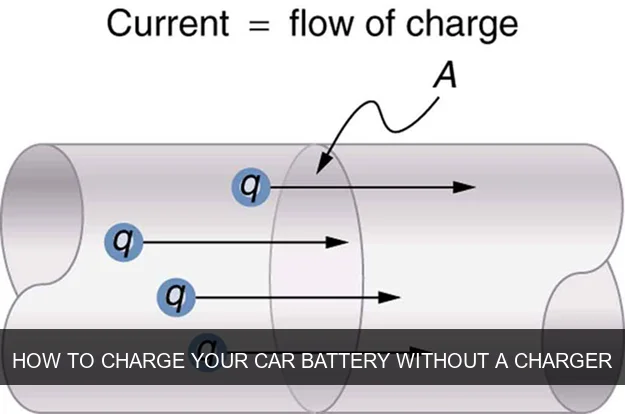
Image source: Bccampus
📋 Table of Contents
- 🔹 When Your Battery Dies: What You Need to Know
- 🔹 What Exactly is Charging a Car Battery Without a Charger?
- 🔹 Why Knowing These Methods Matters
- 🔹 How to Jump Start Your Car: A Step-by-Step Guide
- 🔹 Push Starting (Manual Transmission Only): The “Rolling Start”
- 🔹 Using a Portable Jump Starter
- 🔹 The Temporary Battery Swap
- 🔹 Common Mistakes to Avoid
- 🔹 Practical Tips for Battery Health
- 🔹 Real-Life Scenarios
- 🔹 People Also Ask (FAQ)
- 🔹 Conclusion
When Your Battery Dies: What You Need to Know
Picture this: you get into your car, turn the key, and… nothing. Maybe a sad clicking sound, maybe just silence. Your car battery is dead. It’s a frustrating situation, especially if you’re in a hurry or far from home. Often, the first thought is to grab a car battery charger, but what if you don’t have one? Don’t worry, you’re not out of luck. There are several effective ways to get your car started without a dedicated charger, using resources you might find nearby.
This article will guide you through practical methods on how to charge your car battery without a charger. We’ll explore various techniques, from traditional jump-starting to less common but equally useful tricks. Knowing these skills can turn a stressful breakdown into a manageable inconvenience, helping you understand your vehicle better and giving you the confidence to handle unexpected situations.
What Exactly is Charging a Car Battery Without a Charger?
When we talk about “charging your car battery without a charger,” we’re usually referring to methods that provide a temporary jolt of power to get your engine running. These methods don’t fully recharge your battery to 100% capacity like a dedicated charger would over several hours. Instead, they give it just enough energy to kick-start the engine. Once the engine is running, your car’s alternator takes over. The alternator is essentially your car’s built-in charging system; it converts mechanical energy into electrical energy to power the car and recharge the battery as you drive.
So, the goal of these “no charger” methods isn’t a complete charge, but rather a successful start. After using one of these techniques, it’s really important to drive your car for a good while – typically at least 20-30 minutes – to allow the alternator sufficient time to replenish the battery’s charge. This prevents you from ending up with a dead battery again shortly after.
Why Knowing These Methods Matters
Knowing how to charge your car battery without a charger is super useful for a few key reasons:
- Emergency Preparedness: Batteries can die unexpectedly, leaving you stranded. These methods are perfect for emergencies.
- Convenience: You might not always have access to a car battery charger, especially when you’re away from home.
- Cost-Effective: Learning these techniques saves you the expense of calling for roadside assistance every time your battery gives up.
- Self-Reliance: It’s empowering to know you can handle common car troubles on your own.
- Helping Others: You can also assist friends, family, or even strangers in need if you know how to perform these simple tasks safely.
How to Jump Start Your Car: A Step-by-Step Guide
Jump starting is probably the most common way to revive a dead car battery without a dedicated charger. You just need another running vehicle and a set of jumper cables. It’s a quick and effective way to get enough power to start your engine.
What You’ll Need:
- Another vehicle with a charged battery (the “donor” car)
- A set of jumper cables
Step-by-Step Process:
- Park Safely: Pull the donor car close to your car, making sure both engines are off and the parking brakes are engaged. It’s best if the cars aren’t touching.
- Open Hoods: Open the hoods of both vehicles to access the batteries.
- Identify Terminals: Locate the positive (+) and negative (-) terminals on both batteries. The positive terminal is usually larger and marked with a plus sign, often with a red cap or cover. The negative terminal is marked with a minus sign, typically with a black cap or no cap.
- Connect Positive (Red) Cable:
- Attach one red clamp to the positive (+) terminal of your dead battery.
- Attach the other red clamp to the positive (+) terminal of the donor car’s battery.
- Connect Negative (Black) Cable:
- Attach one black clamp to the negative (-) terminal of the donor car’s battery.
- Attach the other black clamp to an unpainted metal surface on your dead car’s engine block or chassis, away from the battery and moving parts. This is important for safety, as connecting directly to the dead battery’s negative terminal can sometimes cause a spark.
- Start the Donor Car: Start the donor car’s engine and let it run for about 5-10 minutes. This allows its alternator to send a charge to your dead battery.
- Start Your Car: After waiting, try to start your car. If it doesn’t start right away, wait a few more minutes with the donor car running and try again.
- Disconnect Cables Safely: Once your car starts, leave both engines running. Disconnect the cables in the reverse order you connected them:
- Remove the black clamp from your car’s engine block/chassis.
- Remove the black clamp from the donor car’s negative (-) terminal.
- Remove the red clamp from the donor car’s positive (+) terminal.
- Remove the red clamp from your car’s positive (+) terminal.
- Drive Your Car: Drive your car for at least 20-30 minutes to allow the alternator to fully recharge the battery.
Safety Note: Always wear gloves and eye protection if possible. Avoid touching metal parts together, especially near the battery, to prevent sparks. Ensure cables are not frayed or damaged.
Push Starting (Manual Transmission Only): The “Rolling Start”
If you drive a manual transmission car and have a few strong friends nearby, push starting can be a lifesaver. This method uses the car’s momentum to “bump” the engine into life without needing another vehicle or jumper cables. It won’t work for automatic transmission vehicles.
What You’ll Need:
- A manual transmission car with a nearly dead battery (not completely flat)
- At least one or two people to push
- An open, flat, or slightly downhill stretch of road
Step-by-Step Process:
- Turn Key to “On”: Get into the driver’s seat. Turn the ignition key to the “on” position, but don’t try to start the engine.
- Engage Second Gear: Press the clutch pedal all the way down and shift the gear stick into second gear. First gear can be too jerky.
- Release Parking Brake: Make sure the parking brake is fully disengaged.
- Start Pushing: Have your helpers push the car from behind. You need to reach a speed of at least 5-10 mph (8-16 km/h).
- Release Clutch: Once the car is rolling at a good speed, quickly release the clutch pedal. This will “jump” the engine, forcing it to turn over and hopefully start.
- Press Clutch Again: As soon as the engine fires, immediately press the clutch pedal down again and give it a little gas to keep it from stalling.
- Drive Away: Drive for 20-30 minutes to let the alternator recharge the battery.
Important: This method requires careful timing and can be dangerous if not done on a safe, open road. Never attempt this on a busy street or uphill.
Using a Portable Jump Starter
While technically a “device,” a portable jump starter isn’t a traditional battery charger that you plug into the wall for hours. Instead, it’s a self-contained unit designed to deliver a powerful burst of electricity to get your engine going, much like a donor car would. If you happen to have one of these in your trunk, it’s a fantastic alternative to traditional charging or finding another vehicle.
What You’ll Need:
- A fully charged portable jump starter
Step-by-Step Process:
- Connect Positive: Attach the red (+) clamp from the portable jump starter to the positive (+) terminal of your dead car battery.
- Connect Negative: Attach the black (-) clamp from the portable jump starter to an unpainted metal surface on your car’s engine block or chassis (away from the battery).
- Turn On Jump Starter: Follow the instructions on your specific jump starter to turn it on or activate the boost function.
- Start Your Car: Try to start your car’s engine. It should crank over.
- Disconnect Safely: Once your car starts, turn off the jump starter. Remove the black (-) clamp first, then the red (+) clamp.
- Drive Your Car: Drive for at least 20-30 minutes to allow your car’s alternator to fully recharge the battery.
The Temporary Battery Swap
This method is less common and more involved, often used in rural areas or when no other option is available. It involves temporarily replacing your dead battery with a known good one to start your car. You’ll then swap back to your original battery to allow it to charge via the alternator, or replace it if it’s truly beyond saving.
What You’ll Need:
- A working, charged battery (e.g., from another vehicle, if you can borrow it briefly)
- Wrenches to loosen battery terminals and hold-downs
- Gloves and eye protection
Step-by-Step Process:
- Safety First: Ensure both vehicles (if applicable) are off and parked safely. Wear protective gear.
- Disconnect Dead Battery:
- First, disconnect the negative (-) cable from your dead battery.
- Then, disconnect the positive (+) cable.
- Remove any battery hold-down clamps or straps.
- Carefully lift out the dead battery.
- Install Good Battery:
- Place the good, charged battery into your car’s battery tray.
- Secure it with the hold-down clamps.
- First, connect the positive (+) cable to the positive (+) terminal of the good battery.
- Then, connect the negative (-) cable to the negative (-) terminal.
- Start Your Car: Attempt to start your car. With the good battery, it should start right up.
- Swap Back (Optional, but common): If your intention is to charge your original battery using the alternator, you can now swap back.
- Turn off your car’s engine.
- Disconnect the negative (-) cable from the good battery, then the positive (+).
- Carefully remove the good battery.
- Install your original, now potentially “surface charged” battery, connecting positive first, then negative.
- Drive Your Car: Drive for a good 20-30 minutes to allow the alternator to recharge your original battery.
Warning: This method carries a higher risk of sparks and requires careful handling of heavy batteries. Always connect positive first, then negative when installing, and disconnect negative first, then positive when removing.
Common Mistakes to Avoid
While learning how to charge your car battery without a charger is empowering, it’s crucial to avoid common errors that can cause damage or injury:
- Incorrect Cable Connection: Reversing the polarity (connecting positive to negative or vice-versa) can seriously damage your vehicle’s electrical system, including the alternator, and cause sparks or even battery explosions. Always double-check your connections!
- Touching Metal: Letting the metal parts of the jumper cables touch each other or other metal parts of the car (other than the designated terminals/ground) can create dangerous sparks.
- Leaving Accessories On: Before jump-starting or push-starting, ensure headlights, radio, and other accessories are off in the dead car. They can drain what little power is left and make starting harder.
- Not Waiting Long Enough: When jump-starting, rushing the process by not letting the donor car run for a few minutes before trying to start the dead car might result in a failed attempt.
- Ignoring the Root Cause: Getting your car started is great, but if your battery died for no obvious reason (like leaving lights on), there might be an underlying issue with the battery itself or the charging system. Just getting it started again doesn’t fix a failing battery.
- Attempting Push Start on Automatic: Push starting simply won’t work on automatic transmission vehicles. Don’t waste your effort or risk damage.
Practical Tips for Battery Health
Prevention is always better than a cure. Here are some simple tips to keep your car battery healthy and reduce the chances of needing to know how to charge your car battery without a charger:
- Regular Driving: Short, infrequent trips don’t give your alternator enough time to fully recharge the battery. Try to take longer drives regularly.
- Turn Off Accessories: Always double-check that headlights, interior lights, and the radio are off before leaving your car.
- Clean Terminals: Battery terminals can get corroded. Clean them regularly with a wire brush to ensure a good connection.
- Check Battery Age: Car batteries typically last 3-5 years. If yours is older, consider having it tested.
- Extreme Temperatures: Both extreme heat and cold can impact battery life. Parking in a garage can help protect it.
Real-Life Scenarios
Let’s imagine a couple of situations where these “no charger” methods come in handy:
- The Mall Parking Lot Surprise: You’re leaving the mall after a long day of shopping, only to find your lights were left on. A quick call to a friend who lives nearby for a jump start is way faster than waiting for a tow truck.
- Camping Trip Trouble: Out in nature, far from power outlets, your car won’t start. Luckily, a fellow camper has jumper cables, and their truck can provide the needed boost.
- Old Manual Car in a Driveway: Your vintage manual transmission car’s battery is a bit weak. You and a neighbor gently push it down your sloped driveway, and it fires right up, saving you the hassle of finding cables or a donor car.
People Also Ask (FAQ)
What exactly is charging a car battery without a charger?
It means using alternative methods like jump starting from another vehicle, push starting a manual car, or employing a portable jump starter to provide a temporary power boost to get your engine running. Once the engine is on, your car’s alternator will then recharge the battery as you drive.
Why would someone need to charge their car battery without a charger?
People need to charge their car battery without a charger in emergency situations when their battery dies unexpectedly and a traditional charger isn’t available. This could be due to leaving lights on, a failing battery, or extreme weather conditions. Knowing these methods offers a quick solution to avoid being stranded.
Are there risks involved in charging a car battery without a charger?
Yes, there are risks if not done correctly. Incorrectly connecting jumper cables can cause electrical damage to vehicles, sparks, or even battery explosions. Push starting requires a safe, open area and careful timing. Always follow safety guidelines, like wearing protective gear and ensuring correct polarity.
How long does it take to charge a car battery without a charger?
The initial boost to get your car started is usually very quick – a few minutes for a jump start or almost instantly for a push start. However, to actually recharge the battery significantly using the car’s alternator, you’ll need to drive the car for at least 20-30 minutes, or even longer for a very drained battery.
Can all car batteries be charged without a charger?
Most standard lead-acid car batteries can be jump-started. However, severely damaged or completely dead batteries might not hold a charge even after a jump. Batteries in automatic transmission cars cannot be push-started. Also, some modern cars with specific battery types (like lithium-ion in some hybrids) or complex electrical systems might require professional attention.
Conclusion
Dealing with a dead car battery is never fun, but knowing how to charge your car battery without a charger gives you valuable skills to overcome this common hurdle. Whether it’s the reliability of a jump start, the ingenuity of a push start for manual cars, or the convenience of a portable jump starter, these methods offer practical solutions when you’re without your usual charging equipment.
Remember, these techniques are primarily for getting your engine running so your car’s own alternator can take over the job of recharging. Always prioritize safety, follow the steps carefully, and if your battery keeps dying, it’s a good idea to have it checked by a professional. Staying prepared and informed means you can handle most roadside surprises with confidence.