
To charge your battery car, you simply plug it into an electrical power source, much like charging a smartphone. This process usually involves connecting a charging cable from the car’s charge port to an outlet or a dedicated charging station. You can charge at home using common outlets or faster wall chargers, or at public stations that offer various speeds, including rapid DC fast charging.
Charging your battery car, or electric vehicle (EV), is a straightforward process that becomes second nature quickly. This guide breaks down everything you need to know, from understanding different charging types and equipment to mastering the simple steps for home and public charging, ensuring you always have enough power for your journeys.
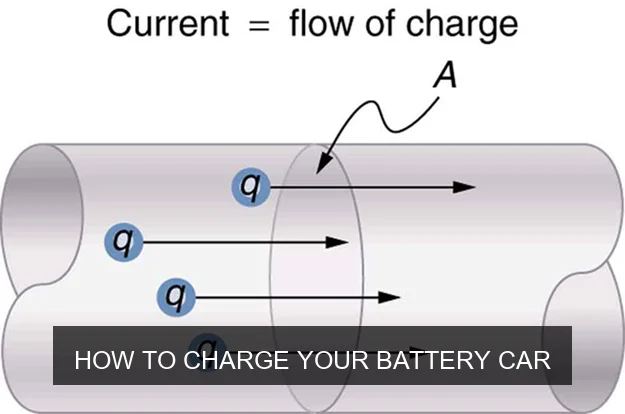
Image source: Bccampus
📋 Table of Contents
- 🔹 Introduction to Charging Your Battery Car
- 🔹 What is Charging a Battery Car?
- 🔹 Why is Charging Your Battery Car Important?
- 🔹 Understanding the Basics: How Electric Car Charging Works
- 🔹 Step-by-Step Guide: How to Charge Your Battery Car Safely and Effectively
- 🔹 Benefits of Proper EV Charging Habits
- 🔹 Common Mistakes to Avoid When Charging Your Battery Car
- 🔹 Practical Tips for Optimal Battery Health
- 🔹 When Should You Charge Your Battery Car?
- 🔹 Frequently Asked Questions about Charging Battery Cars
- 🔹 Conclusion
Introduction to Charging Your Battery Car
If you’re new to the world of electric vehicles (EVs), you might have questions about how to charge your battery car. It’s a bit different from filling up a gas tank, but it’s often more convenient and can easily fit into your daily routine. This guide is here to walk you through everything you need to know, making the process clear and stress-free.
We’ll cover the basics of how electric car charging works, explain the different types of chargers you’ll encounter, and give you practical steps for charging both at home and when you’re out and about. By the end, you’ll feel confident and ready to keep your EV powered up and ready for adventure.
What is Charging a Battery Car?
Charging a battery car refers to the process of replenishing the electrical energy stored in its high-voltage battery pack. This energy powers the electric motor, which in turn drives the wheels. Think of it like recharging your smartphone, but on a much larger scale. Instead of fossil fuels, electric cars use electricity to move, and charging is how they get that electricity.
The electricity can come from various sources, including your home’s electrical grid, public charging stations found in cities, workplaces, or along highways. The goal is to transfer electrical current into the car’s battery, converting it into chemical energy that can be used later to power the vehicle.
Why is Charging Your Battery Car Important?
Understanding how to charge your battery car is absolutely crucial for any electric vehicle owner. Here’s why:
- Keeping Your Car Running: Just like a traditional car needs gas, an EV needs electricity. Regular and proper charging ensures you always have enough “fuel” for your commutes, errands, and road trips.
- Preventing Range Anxiety: “Range anxiety” is the worry about running out of charge before reaching a charging point. Knowing your charging options and habits helps eliminate this concern, giving you peace of mind on the road.
- Maintaining Battery Health: The way you charge can impact your car’s battery life and performance over time. Good charging practices help maintain the battery’s efficiency and longevity.
- Maximizing Convenience: Most EV charging happens at home overnight, meaning you wake up to a “full tank” every day. This convenience is a major benefit, but it requires knowing how to set up and use home charging effectively.
- Making the Most of Public Infrastructure: Public charging networks are growing rapidly. Knowing how to use different types of public chargers ensures you can top up your battery whenever and wherever you need to.
Understanding the Basics: How Electric Car Charging Works
The fundamental principle behind charging an EV is converting alternating current (AC) from the grid into direct current (DC) that the battery can store. This conversion happens either inside the car itself or at the charging station, depending on the charging level.
AC vs. DC Charging
- AC Charging (Alternating Current): This is the most common type of charging, used at home and many public stations. With AC charging, the electricity flows into your car, and the car’s onboard charger converts the AC power to DC power before it goes into the battery. This process is slower but gentler on the battery.
- DC Charging (Direct Current): Also known as “DC Fast Charging,” this method bypasses the car’s onboard charger. Instead, the charging station itself converts the AC power from the grid into DC power and sends it directly to the car’s battery. This allows for much faster charging speeds, making it ideal for quick top-ups during long journeys.
Charging Levels Explained
Charging speeds are often categorized into different “levels,” which indicate the power output and, therefore, how quickly your car charges.
| Charging Level | Power Output | Adds Miles Per Hour (Approx.) | Typical Location |
|---|---|---|---|
| Level 1 (AC) | 1.4 kW – 1.9 kW (120V) | 2-5 miles | Standard home wall outlet |
| Level 2 (AC) | 3.3 kW – 19.2 kW (240V) | 12-80 miles | Dedicated home charger, public stations, workplaces |
| DC Fast Charging (DC) | 25 kW – 350+ kW (400-900V+) | 100-250+ miles in 20-60 min | Public charging hubs, highway rest stops |
Most EV drivers primarily use Level 1 or 2 at home for daily charging, and reserve DC Fast Charging for longer trips when they need a quick boost.
Step-by-Step Guide: How to Charge Your Battery Car Safely and Effectively
Charging your EV is quite simple once you know the steps. Here’s a breakdown for both home and public charging scenarios.
At Home (Level 1 & 2)
Home charging is incredibly convenient, letting you “fuel up” while you sleep or work.
- Locate Your Charging Port: This is usually on the side of the car, similar to a fuel door, or sometimes on the front. Your car’s manual will show you exactly where.
- Ensure Power is Available:
- For Level 1, plug your car’s included charging cable into a standard 120V wall outlet (a regular three-prong household socket).
- For Level 2, plug your dedicated EV charging station (often called an EVSE) into its 240V outlet, or ensure it’s hardwired.
- Plug into Your Car: Take the connector from the charging cable and firmly insert it into your car’s charging port. You’ll usually hear a click, and the car’s dashboard or an indicator light will confirm it’s charging.
- Monitor the Charge: Your car’s infotainment screen, a mobile app, or dashboard indicators will show the charging status, current battery level, and estimated time to full charge.
- Unplug When Done: When the charge is complete, or you’ve reached your desired level, simply press the release button (often on the car’s key fob or near the port) and pull the connector out of the car. Make sure to replace the dust cap on your car’s port and store the cable neatly.
At Public Charging Stations (Level 2 & DC Fast Charging)
Public stations offer convenience when you’re away from home. The exact steps can vary slightly by network, but the general process is similar.
- Locate a Station: Use your car’s navigation, a dedicated app (like PlugShare or Electrify America), or the charging network’s app to find an available station that matches your car’s connector type.
- Identify Connector Type: Most EVs in North America use a J1772 connector for Level 2 AC charging. For DC Fast Charging, most use CCS, while some older models or certain brands (like Tesla, which also offers adapters) might use CHAdeMO or their proprietary connector.
- Initiate Charging:
- Start Session: Follow the on-screen instructions at the charging station. This often involves tapping a credit card, using a network RFID card, or starting the session via a mobile app.
- Plug In: Take the correct cable from the station and plug it firmly into your car’s charging port. Ensure it clicks into place.
- Confirm Charging: Check the station screen and your car’s dashboard or app to confirm that charging has successfully started.
- Monitor and Unplug: Stay nearby if using DC Fast Charging, or leave your car if it’s Level 2 and you’re running errands. When you’re ready to leave, end the session via the station screen or app, then press your car’s release button and remove the cable. Don’t forget to return the cable to its holster on the station.
Always read the instructions on the charging station itself, as procedures can sometimes vary between different networks and equipment.
Benefits of Proper EV Charging Habits
Developing good charging habits goes beyond just keeping your car powered. It brings several advantages:
- Extended Battery Life: Consistent, moderate charging (like Level 1 or 2 overnight) is generally better for your battery’s long-term health than frequent reliance on rapid DC fast charging.
- Cost Savings: Charging at home during off-peak hours (when electricity is cheaper) can significantly reduce your “fuel” costs. Some utilities offer special EV rates.
- Convenience and Time Savings: Waking up to a fully charged car eliminates trips to gas stations and allows you to optimize your daily schedule.
- Reduced “Range Anxiety”: By regularly topping up your battery, you’ll feel more confident about your car’s range, especially on longer journeys.
- Environmental Impact: Charging from renewable energy sources, when available, further reduces your carbon footprint, making your driving even greener.
Common Mistakes to Avoid When Charging Your Battery Car
While charging is simple, a few common slip-ups can lead to minor frustrations or, in rare cases, impact battery health.
- Ignoring Charging Port Condition: Always ensure your charging port is clean and free of debris before plugging in. A dirty port can lead to connection issues.
- Forgetting to Unplug Securely: After charging at a public station, ensure you properly end the session and return the cable. Not doing so might result in continued billing or inconvenience for the next driver.
- Leaving Your Car Plugged In for Weeks: While modern EVs have sophisticated battery management systems that prevent overcharging, it’s generally not ideal to leave your car plugged in and inactive for extremely long periods (e.g., several weeks) without movement. For extended storage, consult your car’s manual.
- Always Relying on DC Fast Charging: While convenient, excessive use of DC fast charging can generate more heat, which might put more stress on the battery over its lifetime compared to slower AC charging. Balance its use with Level 1 and 2 charging.
- Not Checking Connector Compatibility: Before plugging in at a public station, make sure the connector matches your car’s port. Forcing an incompatible connector can damage both the car and the charger.
- Ignoring Charging Etiquette: At public stations, especially DC fast chargers, try to move your car once it’s charged to a sufficient level (e.g., 80%) to allow others to use the station.
Practical Tips for Optimal Battery Health
Here are some simple tips to help keep your EV’s battery in top shape and maximize its lifespan:
- Charge Regularly, Don’t Always Fully Charge: For daily driving, aim to keep your battery between 20% and 80%. Fully charging to 100% is fine for long trips but isn’t always necessary for everyday use and can put a bit more stress on the battery if done constantly.
- Avoid Deep Discharges: Try not to let your battery consistently drop below 20%. While EVs have safeguards, keeping a reasonable buffer is good for long-term health.
- Prioritize AC Charging: Use Level 1 or Level 2 AC charging as your primary method whenever possible, especially for overnight charging at home. This is gentler on the battery.
- Precondition Your Battery: Many EVs allow you to precondition the battery while still plugged in, especially in cold weather. This brings the battery to an optimal temperature for charging and driving, improving efficiency and range.
- Keep Your Car Cool: Extreme heat can degrade batteries. If possible, park in the shade or in a garage during hot weather, especially while charging.
- Check Your Owner’s Manual: Every EV is a little different. Your car’s manual will have specific recommendations for charging and battery care unique to your model.
When Should You Charge Your Battery Car?
Deciding when to charge your battery car is flexible and often depends on your lifestyle and driving habits. Here’s a breakdown:
- Daily Commutes: Most EV owners charge overnight at home using Level 1 or 2. This ensures you start each day with a full or near-full charge, ready for your daily drives. It’s often the most convenient and cost-effective method.
- Long Trips: Before a long journey, charge to 100% if recommended by your vehicle manufacturer. During the trip, use DC fast chargers at rest stops or charging hubs to quickly replenish your battery and continue your travels with minimal delay.
- Opportunistic Charging: If you see an available public Level 2 charger while running errands or at work, it’s often a good idea to plug in, even if you don’t need a full charge. These short top-ups can help maintain your battery level without needing to rely solely on home charging.
- Maintaining Battery Health: As mentioned, aim to keep your battery between 20-80% for daily use. This means you might plug in every night or every other night, depending on how much you drive, to keep within that optimal range.
- Emergency or Unexpected Needs: Always be aware of nearby public charging options using your car’s navigation or a charging app. This provides peace of mind if an unexpected need for a charge arises.
Frequently Asked Questions about Charging Battery Cars
Is it okay to charge my EV every day?
Yes, it’s generally perfectly fine to charge your EV every day. Most modern electric vehicles are designed to be plugged in regularly, especially at home with Level 1 or Level 2 chargers. Their advanced battery management systems handle the charging process to protect the battery, often optimizing for longevity and performance.
Can I overcharge my electric car battery?
No, you generally cannot overcharge a modern electric car battery. EVs are equipped with sophisticated battery management systems (BMS) that monitor the battery’s state of charge, temperature, and voltage. Once the battery reaches its set limit (e.g., 100% or a user-defined lower limit), the BMS will automatically stop or slow down the charging process to prevent overcharging and protect the battery.
What’s the difference between Level 2 and DC Fast Charging?
The main difference lies in the type of current and charging speed. Level 2 charging uses alternating current (AC) and typically adds 12-80 miles of range per hour, ideal for overnight home charging or public top-ups. DC Fast Charging uses direct current (DC), bypassing the car’s onboard charger, and can add 100-250+ miles of range in just 20-60 minutes, making it suitable for long-distance travel and quick stops.
How long does it take to charge an electric car?
The time it takes to charge an electric car varies greatly depending on the charging level, the car’s battery size, and its current state of charge. Level 1 charging can take 24-40+ hours for a full charge. Level 2 charging usually takes 4-12 hours. DC Fast Charging can get a battery from 20% to 80% in as little as 20-60 minutes.
Do electric cars lose charge when not in use?
Yes, electric cars do experience some degree of “vampire drain” or “parasitic draw” when not in use, meaning they slowly lose charge even when parked. This is because various onboard systems (like the battery management system, remote connectivity, and security features) still draw a small amount of power. The rate of loss is usually minimal, often just a few percent over several days or weeks, but it can be higher in extreme temperatures or if certain features (like cabin pre-conditioning) are active.
Conclusion
Learning how to charge your battery car is a fundamental part of owning an electric vehicle, and as you can see, it’s a process that quickly becomes intuitive. By understanding the different charging levels, knowing how to safely connect your car at home and in public, and adopting smart charging habits, you’ll ensure your EV is always ready for your next journey.
Embrace the convenience of “fueling up” wherever you park, and enjoy the smooth, quiet, and efficient ride your electric vehicle offers. Happy charging!