
Learning how to charge car batteries is a useful skill that helps keep your vehicle running smoothly and extends battery life. This guide will walk you through the entire process, from understanding why charging is important to safely performing each step, ensuring you can confidently maintain your car’s power source without worry.
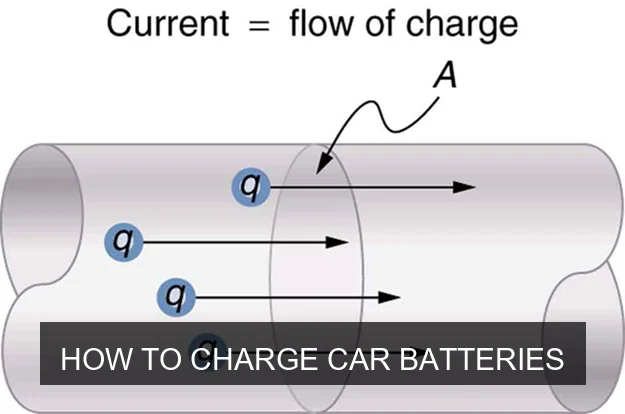
Image source: Bccampus
📋 Table of Contents
- 🔹 Introduction: Powering Up Your Ride
- 🔹 What Exactly is Charging a Car Battery?
- 🔹 Why is Charging a Car Battery So Important?
- 🔹 How to Charge Car Batteries: A Step-by-Step Guide
- 🔹 Understanding Different Car Battery Charger Types
- 🔹 Common Mistakes to Avoid When Charging Your Car Battery
- 🔹 Practical Tips for Healthy Battery Life
- 🔹 Frequently Asked Questions (FAQ)
- 🔹 Conclusion: Keep Your Battery Ready
Charging car batteries involves safely connecting a battery charger to replenish the battery’s electrical energy. It typically means connecting positive to positive and negative to negative terminals, then selecting the correct charge settings. This process restores the battery’s voltage, ensuring your car starts reliably and its electrical systems function correctly, especially after a period of disuse or a deep discharge.
Introduction: Powering Up Your Ride
Ever walked out to your car, turned the key, and… nothing? A dead car battery is a common, frustrating experience. But knowing how to charge car batteries yourself can save you time, money, and a lot of hassle. It’s a fundamental car maintenance skill that every car owner can learn.
This guide aims to make the process of charging a car battery easy to understand, even if you’re completely new to car maintenance. We’ll cover everything from the basic “what and why” to a detailed, step-by-step procedure, along with crucial safety tips and common pitfalls to avoid. By the end, you’ll feel confident tackling this task yourself, keeping your vehicle’s heart – its battery – in top shape.
What Exactly is Charging a Car Battery?
At its core, charging a car battery means restoring its electrical energy. Car batteries are essentially rechargeable storage units that convert chemical energy into electrical energy to start your engine and power your car’s accessories when the engine isn’t running. Over time, or with heavy use, this stored energy gets depleted.
When we “charge” a battery, we’re applying an external electrical current to reverse the chemical reaction that occurs during discharge. This process converts electrical energy back into chemical energy, replenishing the battery’s charge. Think of it like refilling a reusable water bottle; you’re simply putting back what was taken out.
Why is Charging a Car Battery So Important?
You might wonder why taking the time to charge a car battery is worth it. Well, it’s pretty essential for a few key reasons:
- Prevents Breakdowns: A fully charged battery ensures your car starts every time. There’s nothing worse than being stranded with a dead battery when you’re in a hurry.
- Extends Battery Life: Car batteries don’t like to be fully discharged and left that way. Regular charging, especially if your car sits for long periods, prevents sulfation – a process where sulfate crystals build up on the battery plates, reducing its capacity and lifespan. Keeping it charged keeps it healthier for longer.
- Maintains Performance: A strong battery supports all your car’s electrical systems, from the lights and radio to the power windows and onboard computers. A weak battery can cause these systems to underperform or behave erratically.
- Saves Money: Replacing a car battery can be costly. By properly maintaining and charging your existing battery, you can significantly delay the need for a new one.
- Readiness for Cold Weather: Batteries are less efficient in cold temperatures. Keeping them fully charged is especially critical during winter months to ensure reliable starting power.
In short, proper battery charging isn’t just about getting your car started today; it’s about ensuring its long-term reliability and efficiency.
How to Charge Car Batteries: A Step-by-Step Guide
Now that you understand the “what” and “why,” let’s get into the “how.” Charging a car battery is a straightforward process, but it requires attention to safety and correct steps.
Safety First: Preparations You Must Make
Before you even think about connecting anything, safety is paramount. Car batteries contain corrosive acid and produce explosive gases. Here’s what you need to do:
- Ensure Good Ventilation: Always charge a battery in a well-ventilated area. This dissipates any hydrogen gas produced, which is highly flammable. Avoid enclosed spaces like small garages without open doors or windows.
- Wear Protective Gear: Put on safety glasses and chemical-resistant gloves. Battery acid can cause severe burns, and eye contact is extremely dangerous.
- Turn Off the Vehicle: Make sure your car’s engine is off, the ignition is turned off, and the parking brake is engaged.
- Locate and Identify Battery Terminals: Open your hood and find the car battery. Identify the positive (+) terminal (usually red, larger, or marked with a plus sign) and the negative (-) terminal (usually black, smaller, or marked with a minus sign).
- Clean Terminals (If Necessary): If you see any corrosion (a white, blue, or green powdery substance) on the battery terminals, gently clean them with a wire brush or a battery terminal cleaning tool. Corrosion can prevent a good electrical connection.
Safety Tip: Remove any metal jewelry or watches before working on the battery to prevent accidental short circuits.
Connecting the Battery Charger
This is where you connect your charger to the battery. Precision is key here.
- Place the Charger Safely: Set the battery charger on a flat, stable surface, away from the battery itself but close enough for the cables to reach without strain.
- Connect the Red (Positive) Clamp: Attach the red (positive) clamp from your charger to the car battery’s positive (+) terminal. Make sure it’s a tight, secure connection.
- Connect the Black (Negative) Clamp: For most modern vehicles, attach the black (negative) clamp from your charger to a clean, unpainted metal part of the car’s engine block or chassis, away from the battery and fuel lines. This creates a ground connection and minimizes the risk of sparking near the battery’s gases. If your charger specifically instructs connecting directly to the negative terminal and your battery is outside the passenger compartment, you can do so, but generally, a chassis ground is safer.
- Double-Check Connections: Take a moment to ensure both clamps are firmly attached and that the polarity (positive to positive, negative to chassis/ground) is correct. Incorrect polarity can severely damage your battery, charger, or vehicle’s electrical system.
Setting Up and Starting the Charge
With the clamps securely in place, it’s time to set up your charger and begin the process.
- Select Charger Settings:
- Voltage: Most car batteries are 12-volt, so select 12V on your charger if it has multiple options.
- Amperage (Charge Rate): This is crucial. A slower charge is almost always better for your battery’s health.
- For a deeply discharged battery, a low amperage setting (e.g., 2-10 amps) is recommended. This provides a gradual, gentle charge.
- Some chargers have an “automatic” or “smart” mode that detects the battery’s state and adjusts the charging rate automatically. This is ideal for beginners.
- Avoid using very high amperage settings unless specifically instructed by your charger for a quick boost, and even then, monitor it closely.
- Plug In the Charger: Once all connections are made and settings are selected, plug the charger into a wall outlet. Only plug it in after the clamps are connected to the battery/vehicle.
- Start the Charging Process: Some chargers have a “start” button. If yours does, press it. The charger should now be actively charging the battery. Many chargers will display charging progress or indicator lights.
Consider the table below for typical charging times based on a 12V car battery at different charge rates (these are estimates and can vary significantly):
| Charger Amperage | Approximate Charging Time (for a typical 48Ah battery from 0% to 80%) |
|---|---|
| 2 Amps (Trickle/Maintenance) | 18-24 hours or more (best for long-term maintenance) |
| 4 Amps (Slow Charge) | 9-12 hours |
| 10 Amps (Standard Charge) | 4-6 hours |
Monitoring and Disconnecting Safely
While modern smart chargers often handle the full process automatically, it’s good to know what to look for and how to disconnect.
- Monitor the Charging Process:
- For manual chargers, you might need to check the battery voltage periodically with a multimeter to avoid overcharging. A fully charged 12V battery should read around 12.6 to 12.8 volts (when the charger is disconnected and battery has rested for a bit).
- Automatic chargers usually indicate when charging is complete or switch to a “maintenance” mode.
- Listen for any hissing or boiling sounds, or smell any strong sulfur odors. These could indicate a problem, and you should stop charging immediately.
- Disconnect the Charger: Once the battery is fully charged or you’ve decided to stop charging:
- First, unplug the charger from the wall outlet.
- Then, disconnect the black (negative) clamp from the chassis or negative terminal.
- Finally, disconnect the red (positive) clamp from the positive terminal.
- Secure the Battery and Hood: Replace any battery covers or hold-downs you removed. Close the hood of your car.
Understanding Different Car Battery Charger Types
Not all chargers are created equal. Knowing the basic types helps you understand how they work:
- Trickle Chargers: These provide a very low, constant current (usually 1-2 amps) over a long period. They’re great for maintaining a battery’s charge during storage but aren’t ideal for quickly recharging a dead battery. They can potentially overcharge if left unattended for too long on some older battery types.
- Smart/Automatic Chargers (Battery Maintainers): These are generally the safest and most convenient. They monitor the battery’s voltage and charge state, adjusting the charging current as needed. Once the battery is full, they switch to a “float” or “maintenance” mode, preventing overcharging. This makes them perfect for long-term connection, like during winter storage.
- Manual Chargers: These require more user interaction. You typically select the voltage and amperage, and they charge at that rate until manually shut off. They require careful monitoring to prevent overcharging.
- Jump Starters (Portable Power Packs): While they can start a car with a dead battery, they don’t actually “charge” it in the traditional sense. They provide a temporary burst of power to get your engine going, relying on your car’s alternator to then charge the battery as you drive.
Common Mistakes to Avoid When Charging Your Car Battery
Even with good intentions, mistakes can happen. Here’s what to watch out for:
- Incorrect Polarity: Connecting the positive clamp to the negative terminal and vice-versa is a major error. This can cause sparks, damage the battery, the charger, and even your car’s electronics. Always double-check!
- Poor Ventilation: Charging in an unventilated area allows explosive hydrogen gas to build up, creating a significant fire and explosion hazard.
- Overcharging: Overcharging, especially with manual chargers, can boil the electrolyte (battery fluid), damage the battery’s internal plates, and reduce its lifespan. Smart chargers are designed to prevent this.
- Not Cleaning Terminals: Corrosion acts as an insulator, preventing a good electrical connection and efficient charging.
- Charging a Damaged Battery: If a battery is swollen, leaking, or very hot to the touch, it might be internally damaged and should not be charged. Charging a damaged battery can be dangerous.
- Using an Incompatible Charger: Ensure your charger is designed for a 12V car battery. Using the wrong voltage can cause problems.
- Touching Clamps Together: Accidentally touching the positive and negative charger clamps together while the charger is plugged in can cause sparks and damage.
Practical Tips for Healthy Battery Life
Beyond knowing how to charge car batteries, these tips help keep your battery in prime condition:
- Regular Driving: The best way to keep your battery charged is to drive your car regularly, especially for longer trips (at least 20-30 minutes). Your alternator charges the battery as you drive.
- Limit Short Trips: Frequent short drives don’t give the alternator enough time to fully recharge the battery after starting the car.
- Keep Terminals Clean: Periodically inspect and clean battery terminals to prevent corrosion buildup.
- Check Fluid Levels (if applicable): For older, non-sealed lead-acid batteries, check the electrolyte levels and top up with distilled water if needed. Always consult your car’s manual. Most modern batteries are maintenance-free.
- Consider a Battery Maintainer for Storage: If you store your car for extended periods (weeks or months), a smart battery maintainer or trickle charger is an excellent investment to keep the battery topped off without overcharging.
- Test Your Battery: Have your battery’s charge and health tested annually, especially before winter. Many auto parts stores offer this service for free.
Frequently Asked Questions (FAQ)
Here are some common questions people ask about charging car batteries:
How long does it take to charge a car battery?
The time it takes depends on several factors: how discharged the battery is, its capacity, and the amperage of your charger. A deeply discharged battery on a 4-amp charger might take 9-12 hours, while a 10-amp charger could do it in 4-6 hours. A trickle charger can take 18-24 hours or more for a full charge, but it’s often used for maintenance.
Can you overcharge a car battery?
Yes, especially with older, manual chargers. Overcharging can lead to battery damage, electrolyte boiling, and reduced battery life. Modern smart chargers are designed to prevent overcharging by switching to a maintenance mode once the battery is full.
Is it safe to charge a car battery indoors?
Only if the indoor area is extremely well-ventilated, such as a large garage with doors and windows open. Batteries produce flammable hydrogen gas during charging. Charging in an enclosed, unventilated space is very risky due to the danger of explosion or fire.
Can I charge my car battery without disconnecting it?
Yes, you can usually charge a car battery without disconnecting it from the car’s electrical system, especially with a modern smart charger. However, always ensure your car’s ignition is off and all accessories are turned off. Some people prefer to disconnect the negative terminal first to completely isolate the battery from the car’s sensitive electronics, but it’s not always strictly necessary with modern chargers.
What kind of charger do I need for my car battery?
For most personal vehicles with 12-volt lead-acid batteries, a 12V automatic or smart battery charger with multiple amperage settings (e.g., 2-10 amps) is a great all-around choice. Look for one that explicitly states it’s safe for various battery types like AGM, Gel, and Wet (Flooded) if you want versatility.
Conclusion: Keep Your Battery Ready
Understanding how to charge car batteries is a fantastic skill that boosts your self-sufficiency and helps maintain your vehicle. It’s a process that demands respect for safety, especially regarding ventilation and proper connections, but it’s far from complicated.
By following the steps outlined in this guide – prioritizing safety, connecting your charger correctly, choosing appropriate settings, and monitoring the process – you can confidently restore your car’s power. Remember, consistent charging and good battery maintenance habits won’t just get you back on the road after a dead battery; they’ll also significantly extend your battery’s lifespan and ensure reliable performance for many miles to come. Stay charged, stay safe!