
Charging your car battery at home is a practical skill that can save you from unexpected breakdowns and extend your battery’s life. This guide will walk you through the entire process, from understanding the right equipment to completing the charge safely and effectively, ensuring your vehicle stays reliable.
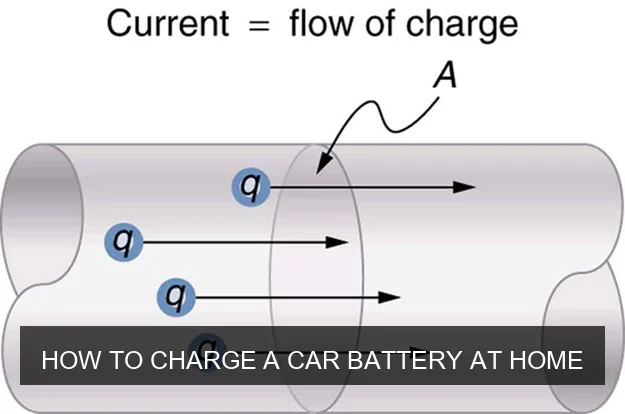
Image source: Bccampus
📋 Table of Contents
- 🔹 What Does “Charging a Car Battery at Home” Mean?
- 🔹 Why Learn How to Charge a Car Battery at Home?
- 🔹 Understanding Your Car Battery and Charger
- 🔹 Step-by-Step Guide: How to Charge a Car Battery at Home
- 🔹 Common Mistakes to Avoid When Charging Your Car Battery
- 🔹 Practical Tips for Safe and Effective Battery Charging
- 🔹 Real-Life Scenarios: When Charging at Home Comes in Handy
- 🔹 Frequently Asked Questions About Charging Car Batteries
- 🔹 Wrapping Things Up
Wondering how to charge a car battery at home safely and efficiently? It involves connecting a dedicated battery charger to your car battery terminals, typically without removing the battery from the vehicle, and allowing the charger to replenish its electrical charge. This process is crucial for maintaining battery health, especially for vehicles used infrequently, and prevents unexpected no-starts, ensuring your car is reliable.
What Does “Charging a Car Battery at Home” Mean?
When we talk about charging a car battery at home, we’re referring to the process of using a portable, household-current-powered battery charger to restore the charge of a 12-volt automotive battery. Instead of relying on your car’s alternator or jump-starting, this method provides a controlled, steady flow of electricity to fully recharge a depleted battery. It’s a fundamental maintenance task that can extend your battery’s lifespan and prevent the inconvenience of a dead battery.
This approach differs from jump-starting because it’s a slow, deliberate charge meant to bring the battery back to full capacity, rather than just providing enough power to start the engine. You’ll typically use a “smart” or “automatic” charger, which monitors the battery’s state and adjusts the charging rate as needed, preventing overcharging.
Why Learn How to Charge a Car Battery at Home?
Knowing how to charge a car battery at home is incredibly useful for several reasons. Think of it as preventative care for your car, similar to how you might charge your phone or laptop. Here’s why it matters:
- Preventative Maintenance: Batteries lose charge naturally over time, especially in cold weather or if your car sits unused for long periods. Regular charging can prevent deep discharge, which shortens battery life.
- Cost Savings: A well-maintained battery lasts longer, meaning you won’t need to replace it as often. This saves you money in the long run.
- Convenience: Avoid the stress and hassle of a dead battery when you’re in a hurry. You can charge it on your own schedule, without waiting for roadside assistance.
- Extends Battery Lifespan: Keeping a battery adequately charged helps maintain its chemical integrity, allowing it to perform optimally for its intended lifespan.
- Readiness: Ensures your vehicle is always ready to go, whether for daily commutes or an emergency.
It’s all about being prepared and taking proactive steps to keep your vehicle running smoothly.
Understanding Your Car Battery and Charger
Before you begin charging, it’s helpful to understand the basic components you’ll be working with:
The Car Battery
Most car batteries are 12-volt lead-acid batteries. They have two terminals:
- Positive Terminal (+): Usually larger and marked with a plus sign. Often covered by a red cap or cable.
- Negative Terminal (-): Usually smaller and marked with a minus sign. Often covered by a black cap or cable.
It’s super important to identify these correctly to avoid damage to your battery or charger, and more importantly, to ensure your safety. Some batteries are “maintenance-free,” while others might have removable caps for checking electrolyte levels, though this is less common with modern car batteries.
The Battery Charger
A modern battery charger, often called a “smart charger” or “automatic charger,” is your best friend for this task. These chargers offer several advantages:
- Automatic Shut-off: They stop charging once the battery is full, preventing overcharging.
- Trickle Charge/Maintenance Mode: Many can switch to a lower current to maintain the battery’s charge over long periods.
- Reverse Polarity Protection: They’ll often warn you or prevent charging if you connect the clamps incorrectly.
- Multi-stage Charging: They can adapt the charging process based on the battery’s current state, optimizing for health and speed.
Chargers come in different amperage ratings. A lower amperage (e.g., 2-4 amps) is great for maintenance or slow, deep charges, while higher amperage (e.g., 10-15 amps) can charge faster, though a very slow charge is generally better for battery health.
Step-by-Step Guide: How to Charge a Car Battery at Home
Charging your car battery at home is a straightforward process if you follow these steps carefully. Safety is paramount, so always prioritize it!
Step 1: Gather Your Supplies and Prioritize Safety
You’ll need:
- A reliable battery charger (preferably a smart charger).
- Safety glasses or goggles.
- Gloves (latex or rubber are good).
- A well-ventilated area (avoid enclosed spaces).
Safety Note: Car batteries can produce hydrogen gas, which is highly flammable. Avoid sparks, flames, or smoking near the battery. Battery acid is also corrosive, so protect your eyes and skin.
Step 2: Prepare Your Vehicle and Battery
- Park your car on a level surface and turn off the engine and all electrical accessories (lights, radio, AC).
- Engage the parking brake.
- If your battery has removable caps (less common now), remove them to allow gas to escape, but do not remove sealed caps.
- If the battery terminals are corroded, clean them gently with a wire brush and a battery terminal cleaner solution (baking soda and water also works). Ensure they are dry before proceeding.
Step 3: Connect the Charger Clamps
This is where precision matters. Ensure the battery charger is unplugged from the wall outlet before connecting anything to the battery.
- Connect the red positive (+) clamp from the charger to the positive (+) terminal on your car battery.
- Connect the black negative (-) clamp from the charger to an unpainted metal part of your car’s engine block or chassis, away from the battery itself. This grounds the charger and helps prevent sparks directly over the battery. If your car manual suggests connecting directly to the negative terminal, follow that guidance.
Double-check that the clamps are securely attached and won’t easily fall off.
Step 4: Plug in and Start Charging
- Now that the clamps are securely connected, plug your battery charger into a standard household electrical outlet.
- Turn on the charger and select the appropriate settings if your charger has them (e.g., 12V, lead-acid, or a specific charge rate). Most modern smart chargers will automatically detect the battery type and state.
- Allow the battery to charge. The charging time varies greatly depending on the battery’s size, its current state of discharge, and the charger’s amperage. A completely dead battery might take 10-24 hours with a typical home charger. Your smart charger will usually indicate when charging is complete or the battery is fully charged.
Step 5: Disconnect the Charger
Once the battery is fully charged, or you’ve charged it for the recommended time:
- Unplug the battery charger from the wall outlet first. This is crucial to prevent sparks.
- Remove the black negative (-) clamp from the car’s chassis or negative terminal.
- Remove the red positive (+) clamp from the battery’s positive terminal.
- If you removed any caps from the battery, replace them.
You’re all done! Your battery should now have enough charge to start your car.
Common Mistakes to Avoid When Charging Your Car Battery
Even though charging a battery is relatively simple, some common blunders can cause issues. Steering clear of these will ensure a smoother and safer experience:
- Incorrect Polarity: Connecting the positive clamp to the negative terminal or vice versa. This can damage the battery, charger, or even your car’s electrical system. Always remember: red to positive, black to negative/ground.
- Charging in an Enclosed Space: Batteries release hydrogen gas during charging, which is explosive. Charging in an unventilated garage or shed can be dangerous.
- Overcharging: While smart chargers greatly reduce this risk, older or manual chargers can overcharge a battery, leading to damage, overheating, and a shorter lifespan.
- Ignoring Corroded Terminals: Corrosion creates resistance, making it harder for the charger to effectively transfer power. Always clean terminals first.
- Forgetting to Unplug First: Connecting or disconnecting clamps with the charger plugged in can create sparks, which are dangerous near a gassing battery. Always plug in last, unplug first.
- Using the Wrong Type of Charger: Not all chargers are suitable for all battery types. Ensure your charger is compatible with 12V lead-acid automotive batteries.
Practical Tips for Safe and Effective Battery Charging
Here are some additional insights to make your home battery charging experience even better:
- Read Your Charger’s Manual: Every charger is a bit different. Your manual will have specific safety instructions and operational details for your model.
- Monitor the Battery: While charging, periodically check the battery for signs of overheating (hot to the touch) or swelling, which could indicate a problem.
- Consider a Battery Tender: If you store a vehicle for extended periods (like a classic car or RV), a “battery tender” or “trickle charger” is perfect. These maintain a full charge with very low current, preventing self-discharge without overcharging.
- Test Your Battery: After charging, you can test your battery’s voltage with a multimeter. A fully charged 12V battery should read around 12.6 to 12.8 volts.
- Keep Terminals Clean: Regularly cleaning your battery terminals, even when not charging, helps ensure good electrical contact and can prevent future starting issues.
Real-Life Scenarios: When Charging at Home Comes in Handy
Understanding when to use your home charger makes the skill even more valuable:
- Infrequent Driving: If you work from home or have a secondary vehicle that sits for weeks, its battery will naturally discharge. A regular top-up keeps it ready.
- Cold Weather: Cold temperatures significantly reduce a battery’s cranking power and can accelerate discharge. Charging before a cold snap can prevent a morning no-start.
- Short Trips: If your daily commute is very short, your alternator might not have enough time to fully recharge the battery after starting the car. Periodic home charging compensates for this.
- Accessory Drain: Leaving lights on, doors ajar, or using accessories when the engine is off can quickly drain a battery. Home charging provides a reliable recovery.
- Older Batteries: As batteries age, they lose their ability to hold a charge effectively. Regular charging can prolong the usable life of an older battery that isn’t quite ready for replacement.
These scenarios highlight how charging your battery at home isn’t just for emergencies but also a wise practice for routine vehicle care.
Frequently Asked Questions About Charging Car Batteries
How long does it take to charge a car battery at home?
The time it takes to charge a car battery at home varies widely. For a moderately discharged battery using a typical 4-amp smart charger, it might take 4-12 hours. A deeply discharged battery with a lower amperage charger could take 24 hours or more. Your charger’s indicator lights will usually tell you when it’s done.
Can I charge a car battery without disconnecting it?
Yes, in most cases, you can charge a car battery without disconnecting it from the vehicle’s electrical system, especially with modern smart chargers. However, some car manufacturers recommend disconnecting the negative terminal first to protect sensitive electronics, so it’s always best to check your vehicle’s owner’s manual.
Is it safe to leave a battery charger connected overnight?
If you’re using a modern “smart charger” or “battery tender” designed for maintenance charging, it is generally safe to leave it connected overnight or even longer. These chargers automatically switch to a float or maintenance mode once the battery is full, preventing overcharging. Older, manual chargers should not be left unattended for extended periods.
What should a fully charged car battery read on a multimeter?
A fully charged 12-volt car battery should read approximately 12.6 to 12.8 volts (V) when the engine is off and the battery has rested for a few hours after charging. If it reads significantly lower, the battery might be failing or not taking a full charge.
Can a completely dead car battery be recharged?
Sometimes, yes. A completely dead battery (often reading below 10 volts) can sometimes be brought back to life, especially if it’s a newer battery that simply ran out of charge. However, if a battery has been deeply discharged for a long time, it might have suffered permanent damage (sulfation) and may not hold a charge effectively anymore. A smart charger with a “reconditioning” mode might help in some cases.
Wrapping Things Up
Learning how to charge a car battery at home is a super practical skill that empowers you to take better care of your vehicle and avoid inconvenient situations. By understanding your battery, using the right charger, and following safe, step-by-step instructions, you can effectively maintain your car’s electrical heart. Remember, prioritizing safety, like good ventilation and proper terminal connection, makes all the difference.
Regularly charging your battery, especially if your driving habits or environment put stress on it, can significantly extend its life and ensure your car starts reliably every time. It’s a small effort that yields big benefits for your peace of mind and your wallet.