
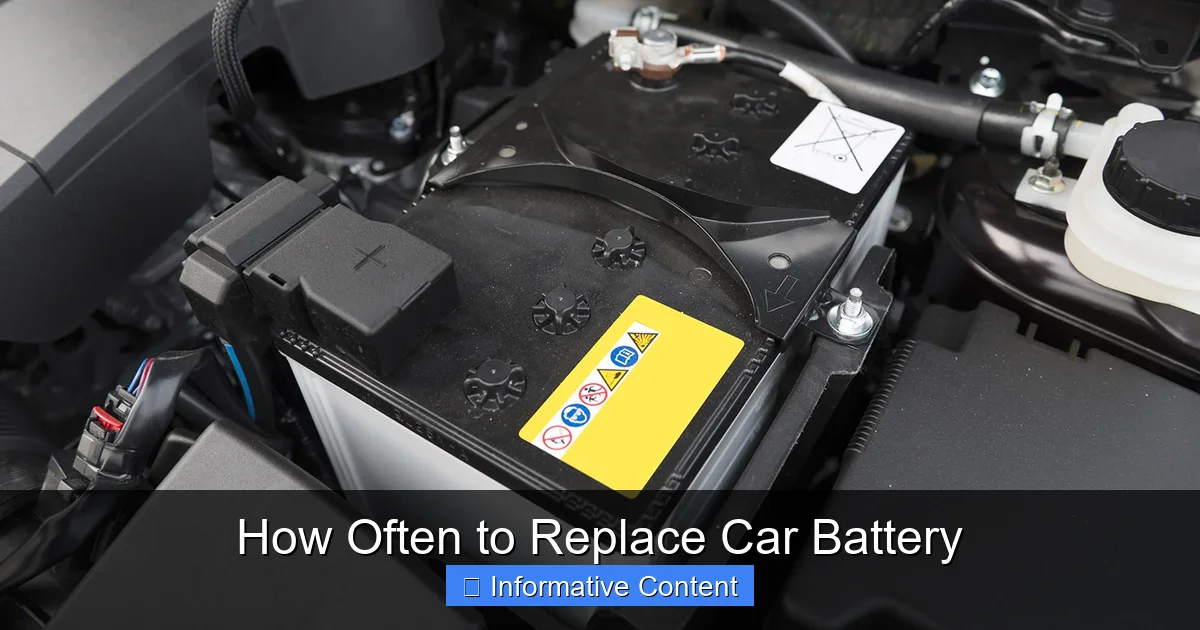
Most car batteries last between 3 to 5 years, but this can vary significantly based on climate, driving habits, and maintenance. Recognizing warning signs like slow cranking or dim lights, and performing regular checks, can help you determine the optimal time for replacement. Proactive replacement prevents unexpected breakdowns and ensures your vehicle starts reliably every time.
Ah, the trusty car battery! It’s one of those essential components we often take for granted until it decides to call it quits, usually at the most inconvenient time. You hop into your car, turn the key, and instead of that familiar roar, you’re met with a disheartening click-click-click, or worse, absolute silence. Suddenly, the big question looms: how often to replace car battery?
It’s a question that doesn’t have a single, simple answer because a car battery’s life isn’t just about a calendar date. Instead, it’s a delicate balance of age, environment, how you drive, and how well you care for it. Understanding these factors can save you from being stranded and help you make an informed decision about when it’s time to swap out that power source.
In this comprehensive guide, we’ll dive deep into the world of car batteries, exploring their average lifespan, the sneaky factors that can cut it short, the warning signs to watch for, and practical tips to keep your battery healthy. We’ll also discuss when to test your battery and ultimately, how often to replace car battery for optimal performance and peace of mind.
Key Takeaways
- Average Lifespan: Car batteries typically last 3 to 5 years, though some can go longer with ideal conditions and proper maintenance.
- Key Influencing Factors: Extreme temperatures (hot and cold), frequent short trips, and excessive use of in-car electronics with the engine off significantly shorten battery life.
- Warning Signs Matter: Look out for tell-tale signs like slow engine cranking, dim headlights, a bulging battery case, or a rotten egg smell, which indicate a dying battery.
- Proactive Testing is Crucial: Regularly test your battery’s voltage and cold-cranking amps (CCA) with a multimeter or load tester, or have it checked by a professional, especially after three years.
- Maintenance Extends Life: Simple maintenance tasks such as keeping battery terminals clean, ensuring secure mounting, and using a trickle charger if the car sits idle can prolong its lifespan.
- Don’t Wait for Failure: Replacing your car battery proactively based on age and test results is often better than waiting for it to fail, preventing inconvenient breakdowns.
Quick Answers to Common Questions
How long does a car battery typically last?
Most car batteries last between 3 to 5 years, but this can vary based on climate, driving habits, and maintenance.
What are the main factors that shorten car battery life?
Extreme temperatures (both hot and cold), frequent short trips, infrequent driving, and excessive use of in-car electronics with the engine off are the main culprits.
What are the common signs of a dying car battery?
Common signs include slow engine cranking, dim headlights, a battery warning light on the dashboard, a bulging battery case, or a rotten egg smell.
Can I test my car battery at home?
Yes, you can perform a basic voltage test with a multimeter. A healthy, fully charged battery should read around 12.6 volts or higher after sitting for a few hours.
Is it better to replace a car battery proactively or wait until it dies?
It is generally better to replace a car battery proactively, especially if it’s 4-5 years old or showing signs of weakness, to avoid unexpected breakdowns and ensure reliability.
📑 Table of Contents
The Lifespan of a Car Battery: More Than Just a Number
Most car batteries are designed to last between 3 to 5 years. This is a general guideline, of course. Some might surprise you by going for 6 or even 7 years, while others might give up the ghost after just two. Why such a variation? It comes down to a blend of design, materials, and external forces.
What’s Inside Matters: Battery Chemistry
Modern car batteries are typically lead-acid batteries. They work by a chemical reaction that generates electricity. Over time, this chemical process, especially the charging and discharging cycles, causes wear and tear. The plates inside the battery can corrode, and the electrolyte (a mix of sulfuric acid and water) can evaporate or become less effective. This degradation is a natural part of a battery’s life cycle.
The “Cycle Life” Concept
Think of a battery having a certain number of “cycles” – a full discharge and recharge. While car batteries aren’t typically fully discharged daily, their constant work of starting the engine, powering accessories, and being recharged by the alternator contributes to their overall cycle life. Each start is a small cycle, and over thousands of starts, the battery wears down.
Factors That Influence Car Battery Life
While 3-5 years is a good benchmark, several factors play a huge role in determining your specific battery’s longevity. Understanding these can help you better estimate how often to replace car battery for your vehicle.
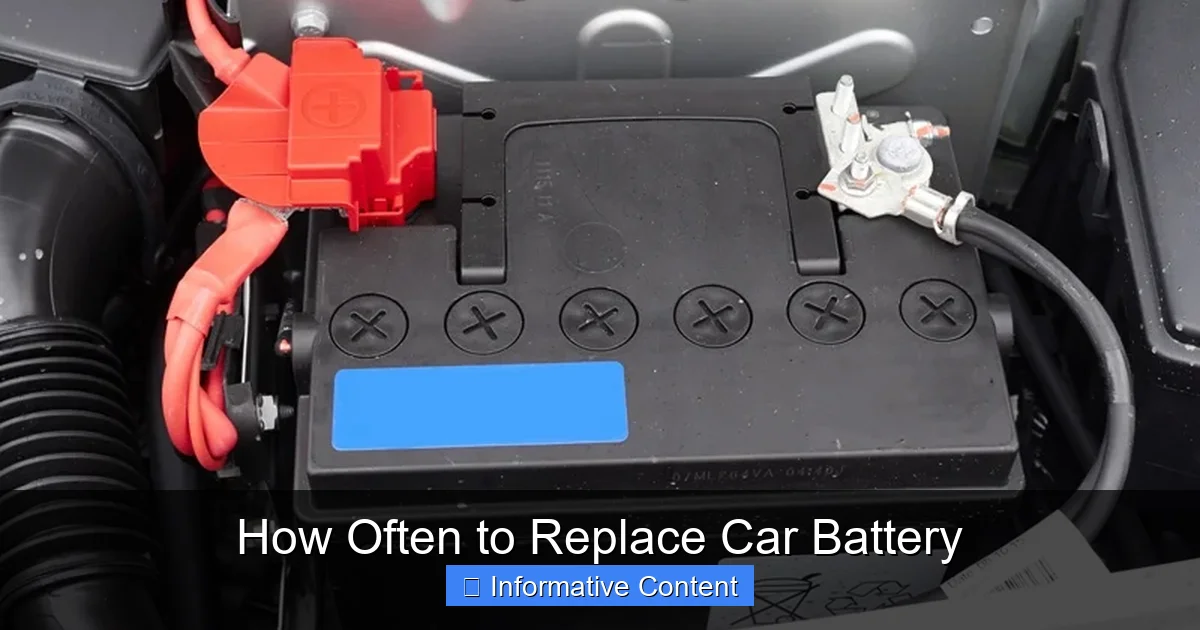
Visual guide about How Often to Replace Car Battery
Image source: expresscareautomn.com
1. Climate: The Silent Killer
Extreme temperatures are arguably the biggest enemy of car batteries.
- Heat: Hot climates accelerate the chemical reactions inside the battery, which sounds good, but it also speeds up corrosion and water evaporation from the electrolyte. This is why batteries often fail in cold weather, but the damage was already done during the preceding summer months.
- Cold: While cold weather doesn’t damage the battery as much as heat, it significantly reduces its cranking power. An engine requires more power to start in the cold because oil thickens, and the battery’s internal resistance increases, making it harder to deliver current. A battery already weakened by heat damage will struggle and often fail in the cold.
2. Driving Habits: Short Trips vs. Long Hauls
Your driving patterns greatly affect battery health.
- Short Trips: If you primarily make short drives (less than 20 minutes), your alternator might not have enough time to fully recharge the battery after starting the engine. This leads to a perpetually undercharged battery, which causes sulfation (the buildup of lead sulfate crystals on the plates), reducing its capacity over time.
- Infrequent Driving: Cars that sit for long periods (weeks or months) without being driven or connected to a charger will also suffer. Batteries naturally self-discharge, and if not topped up, they can fall below a healthy voltage, leading to sulfation and permanent damage.
3. Electrical Demands: Modern Car Features
Newer vehicles come packed with electronics – GPS, infotainment systems, heated seats, numerous sensors, and more. These components draw power even when the car is off, a phenomenon known as parasitic drain. While typically small, over time, this can slowly discharge the battery, especially if the car isn’t driven often enough to recharge it fully. Heavy use of accessories with the engine off is particularly taxing.
4. Maintenance: Or Lack Thereof
A little attention goes a long way. Neglecting basic battery maintenance can significantly shorten its life.
- Corrosion: Buildup of corrosion on battery terminals restricts current flow, making it harder for the battery to deliver power and for the alternator to charge it.
- Loose Connections: A loose battery cable can cause intermittent power issues and prevent proper charging.
- Vibration: If the battery isn’t securely mounted, constant vibration can damage its internal components and connections.
Warning Signs: When Your Battery is Saying Goodbye
Your car battery usually doesn’t die without giving you some hints. Learning to recognize these warning signs can help you replace it proactively, before you’re stuck. This insight is key to knowing how often to replace car battery.
1. Slow Engine Crank
This is the classic symptom. When you turn the key, does the engine crank slowly or sluggishly, taking longer than usual to start? This indicates that the battery is struggling to deliver the necessary power. It might sound like “rrr… rrr… rrr…” instead of a quick “vroom!”
2. Dim Headlights and Electrical Components
Before starting the car, turn on your headlights. If they look dim or flicker, or if other electrical components (like the dashboard lights or radio) seem weaker than usual, it’s a sign of low battery power. Once the engine starts, they might brighten as the alternator kicks in, but the initial weakness is a red flag.
3. Dashboard Warning Lights
Many modern cars have a battery warning light (often shaped like a battery icon) on the dashboard. If this light illuminates, it means there’s an issue with your charging system – either the battery itself or the alternator. Don’t ignore it!
4. Visible Damage or Odor
Take a peek under the hood at your battery.
- Swelling or Bulging: If the battery case looks swollen or bulging, especially on the sides, it’s a sign of internal damage, often due to overcharging or extreme heat.
- Corrosion: Excessive blue-green, white, or fuzzy corrosion around the terminals indicates a leak or excessive gassing, which is bad for the battery and its connections.
- Rotten Egg Smell: A sulfurous or rotten egg smell around the battery usually points to a leaking battery or an internal short, both serious issues that require immediate attention.
5. Older Battery
If your battery is already 3-5 years old, even if it’s not showing obvious signs of failure, it’s generally a good idea to start monitoring its health more closely. Age is a significant factor in determining how often to replace car battery.
Testing Your Car Battery: Proactive Maintenance
You don’t have to wait for your battery to fail to know it’s time for a replacement. Regular testing can give you a clear picture of its health and help you decide how often to replace car battery.
1. Voltage Test with a Multimeter
This is a simple test you can do at home.
- Turn off your car and all accessories.
- Connect the red lead of the multimeter to the positive (+) terminal of the battery and the black lead to the negative (-) terminal.
- A healthy, fully charged battery (after sitting for a few hours) should read around 12.6 volts or higher.
- A reading between 12.4 and 12.6 volts indicates a partially discharged battery. Below 12.4 volts suggests a discharged battery that might need charging or replacement. Anything below 12.0 volts is a sign of a severely discharged or failing battery.
2. Load Test
A load test is more accurate because it simulates the demands of starting your engine. Load testers put a significant drain on the battery for a short period, measuring its ability to hold voltage under stress. While you can buy a handheld load tester, many auto parts stores and mechanics offer free battery load testing. This test is crucial for determining the battery’s cold-cranking amps (CCA) and overall health.
3. Professional Inspection
When in doubt, have a professional check your battery. They have specialized equipment that can not only test the battery’s voltage and CCA but also analyze its internal resistance and provide a more comprehensive health report. This is especially recommended once your battery reaches the 3-year mark.
Extending Your Car Battery’s Life: Practical Tips
While you can’t stop the aging process entirely, you can certainly take steps to extend your battery’s life and push back the date for when you have to consider how often to replace car battery.
1. Keep it Clean and Tight
Regularly inspect your battery terminals for corrosion. Clean them with a wire brush and a battery terminal cleaning solution (or a paste of baking soda and water). Ensure the terminal clamps are tight and the battery cables are secure.
2. Secure Mounting
Make sure your battery is firmly secured in its tray. A loose battery will experience excessive vibration, which can damage its internal components and shorten its life.
3. Avoid Deep Discharges
Try not to let your battery run completely flat. Avoid leaving headlights on, keeping the radio playing with the engine off for long periods, or repeatedly trying to start a car with a known battery issue. Each deep discharge significantly reduces a battery’s overall lifespan.
4. Drive Regularly or Use a Trickle Charger
If your car sits idle for extended periods (e.g., more than a week), consider using a battery tender or trickle charger. These devices provide a slow, continuous charge to maintain the battery’s optimal voltage without overcharging it, preventing sulfation.
5. Limit Short Trips
If possible, combine short errands into longer drives to give your alternator enough time to fully recharge the battery. Aim for drives of at least 20-30 minutes.
6. Check Your Charging System
Periodically, have your alternator and voltage regulator checked by a mechanic. A faulty alternator can either undercharge (leading to a dead battery) or overcharge (which can damage the battery and other electrical components) your battery.
Making the Replacement Decision: When and How
So, you’ve assessed your battery’s age, considered the factors affecting its life, and checked for warning signs. Now, when is the definitive moment to decide how often to replace car battery?
When to Replace
- Age: If your battery is 4-5 years old, even if it’s still starting fine, it’s generally a good idea to consider replacement, especially before winter. A proactive replacement prevents unexpected breakdowns.
- Failing Tests: If a voltage test shows consistently low readings, or a load test reveals significantly reduced cranking power (CCA), it’s time for a new one.
- Obvious Signs of Failure: Slow cranking, dim lights, a rotten egg smell, or a bulging case are all clear indicators that replacement is imminent or overdue.
- Reliability Concerns: If you rely heavily on your car and cannot afford an unexpected breakdown, proactive replacement around the 4-year mark is a wise investment.
DIY vs. Professional Replacement
Replacing a car battery can be a DIY task for many, but there are considerations:
- DIY: If you’re comfortable working under the hood, have the right tools (a wrench, battery terminal cleaner, and possibly a memory saver tool), and understand safety precautions (disconnecting negative first, handling acid), you can save on labor costs. Remember to safely dispose of the old battery.
- Professional: For modern cars with complex electronics, replacing the battery can sometimes reset onboard computer systems, requiring reprogramming. A professional mechanic or an auto parts store (many offer free installation with battery purchase) can handle this, ensure proper installation, and safely dispose of the old battery.
Choosing the Right Battery
When you do replace your battery, make sure to get the correct type and size for your vehicle. Consult your car’s owner’s manual for specifications like CCA (Cold Cranking Amps), reserve capacity, and battery group size. There are also different types of batteries, such as conventional lead-acid, AGM (Absorbent Glass Mat), and gel cell, each with its own characteristics and benefits.
Conclusion
Understanding how often to replace car battery isn’t about following a rigid schedule, but rather about informed decision-making. By being aware of your battery’s age, recognizing the factors that affect its lifespan, paying attention to warning signs, and performing regular tests, you can stay ahead of potential problems.
Regular maintenance and proactive replacement can save you from the frustration and inconvenience of a dead battery. So, give your car battery a little attention, and it will keep you on the road, reliably starting your adventures for years to come!
🎥 Related Video: 5 Signs To Look Out For When To Change A Car Battery | Sgcarmart Reviews
📺 Sgcarmart
The battery is one of the most important, and overlooked, parts of your car. What does it do? When do you change it? We answer …
Frequently Asked Questions
How often should I check my car battery’s health?
It’s a good practice to check your car battery’s health at least once a year, especially before winter or if it’s nearing the 3-year mark. Many auto parts stores offer free battery testing services.
Does extreme cold or heat affect battery life more?
While a battery might fail in cold weather, it’s extreme heat that causes the most damage over time by accelerating internal corrosion and fluid evaporation. Cold weather merely exposes a battery already weakened by heat.
Can short trips really damage my car battery?
Yes, frequent short trips prevent the alternator from fully recharging the battery after each start, leading to a state of constant undercharge. This causes sulfation, a buildup of crystals that reduces the battery’s capacity and lifespan.
What is a “memory saver tool” and why might I need one for battery replacement?
A memory saver tool provides continuous power to your vehicle’s onboard computer systems while the main battery is disconnected. This prevents loss of radio presets, saved navigation data, and engine diagnostic codes, avoiding potential reprogramming needs after battery replacement.
Is there a specific time of year when car batteries are more likely to fail?
Car batteries are most likely to fail in the fall or winter. This is because the damage from summer heat has taken its toll, and the colder temperatures reduce the battery’s efficiency, making it harder to start the engine.
How can I tell what type of battery my car needs for replacement?
Your car’s owner’s manual is the best source for battery specifications, including the correct group size, cold-cranking amps (CCA), and reserve capacity. You can also typically find this information on the existing battery itself or by using an online battery finder tool on auto parts store websites.