
Car batteries typically last between 3 to 5 years, but this can vary significantly based on driving habits, climate, and maintenance. It’s crucial to understand the factors that impact battery life and recognize the common warning signs of a failing battery to avoid unexpected breakdowns. Regular testing and proactive replacement, especially after the 3-year mark, are key to reliable vehicle operation.
There’s hardly a more frustrating experience for a driver than turning the key or pushing the start button only to be met with silence or a weak, struggling engine. In that moment, a dead car battery instantly reminds us of its vital role in our daily commute. It’s the silent workhorse that powers everything from ignition to infotainment, but like all components, it has a finite lifespan. The big question then becomes: how often to change the car battery?
Understanding when to replace your car battery isn’t just about avoiding an inconvenient breakdown; it’s about maintaining your vehicle’s reliability and ensuring your safety. While there isn’t a universal expiration date stamped on every battery, knowing the average lifespan, recognizing the warning signs, and understanding the factors that influence its health can empower you to make an informed decision at the right time. Let’s dive into everything you need to know to keep your car starting smoothly every time.
Key Takeaways
- Average Lifespan: Most car batteries last 3 to 5 years, but this is an average, not a guarantee.
- Factors Affecting Life: Extreme temperatures (hot and cold), frequent short trips, prolonged vehicle inactivity, and heavy use of electrical accessories all reduce battery lifespan.
- Warning Signs: Look out for slow engine cranking, dim lights, the battery warning light on your dashboard, a swollen battery case, or corrosion on terminals.
- Regular Testing: It’s wise to have your battery tested annually by a professional, especially once it’s over three years old, to assess its charge capacity and cranking power.
- Maintenance Matters: Keeping battery terminals clean and tight, avoiding excessive discharge, and ensuring it stays adequately charged can help prolong its life.
- Proactive Replacement: Don’t wait for your battery to completely fail. Consider proactive replacement around the 4-year mark, or sooner if tests indicate weakness, to prevent unexpected breakdowns.
- Environmental Impact: Always ensure old batteries are recycled responsibly, as they contain hazardous materials.
Quick Answers to Common Questions
How long does a typical car battery last?
A typical car battery usually lasts between 3 to 5 years, but this can be influenced by various factors like climate, driving habits, and maintenance.
What are the primary signs of a failing car battery?
Primary signs include slow engine cranking, dim headlights or interior lights, the battery warning light on the dashboard, and physical signs like corrosion or a swollen battery case.
Can extreme weather conditions affect how often to change the car battery?
Yes, extreme heat accelerates battery fluid evaporation and internal corrosion, while extreme cold reduces cranking power, both significantly shortening battery life and increasing the frequency of needing to change the car battery.
Is it okay to jump-start a dying battery multiple times?
While an occasional jump-start is fine, repeatedly needing to jump-start your car indicates a severely weakened battery that is likely failing. It’s best to have it tested and replaced to avoid being stranded.
Should I replace my car battery even if it seems fine after 4 years?
It’s highly recommended to consider proactive replacement if your battery is 4 years old or more, even if it seems fine. Batteries degrade internally over time, and replacing it proactively can prevent unexpected failures and stress.
📑 Table of Contents
The Lifespan of a Car Battery: More Than Just a Number
The general consensus among automotive experts is that a car battery typically lasts anywhere from 3 to 5 years. This range, however, is a guideline, not a strict rule. Many factors can either shorten or extend this period considerably. Think of it like this: a high-quality battery in a mild climate, driven regularly, and well-maintained might easily exceed five years. Conversely, a budget battery in extreme conditions with poor maintenance might give up the ghost in less than three years. So, while you’re asking “how often to change the car battery,” remember that the answer is nuanced.
What Actually Affects Battery Life?
Several critical elements play a role in determining how long your car battery will serve you faithfully. Understanding these can help you better predict when you might need to think about a replacement.
- Climate and Temperature: This is perhaps the biggest factor. Extreme heat significantly reduces battery life by accelerating the evaporation of the battery’s internal fluids and speeding up corrosion of the internal plates. Paradoxically, while cold weather doesn’t damage the battery as much as heat, it severely reduces its cranking power, making an already weakened battery more likely to fail. A battery that might last five years in a temperate climate could last only three in Arizona or Florida.
- Driving Habits: Frequent short trips (less than 20 minutes) don’t give your alternator enough time to fully recharge the battery after starting the car. Over time, this constant partial discharge and recharge cycle can wear down the battery. On the other hand, a car that sits unused for extended periods can also suffer, as batteries naturally discharge over time, leading to sulfation if not regularly charged.
- Vehicle Electronics and Accessories: Modern cars are packed with electronics – GPS, infotainment systems, advanced safety features, heated seats, USB chargers. All these draw power. If you often use these accessories with the engine off (known as “key-off load” or “parasitic drain”), you’re continuously discharging your battery without the alternator recharging it, which can shorten its life.
- Maintenance and Care: Neglecting basic battery maintenance, such as not cleaning corrosion off the terminals or not ensuring tight connections, can impede current flow and reduce efficiency, leading to premature failure.
- Battery Quality: Not all batteries are created equal. Premium batteries often use higher-quality materials and more robust construction, which can translate into a longer lifespan and better performance in varying conditions.
Recognizing the Warning Signs of a Dying Battery
Your car battery rarely dies without some form of warning. Paying attention to these subtle (and not-so-subtle) cues can save you from being stranded. If you’re wondering when to address the question of “how often to change the car battery,” these signs are your car’s way of telling you it’s time.
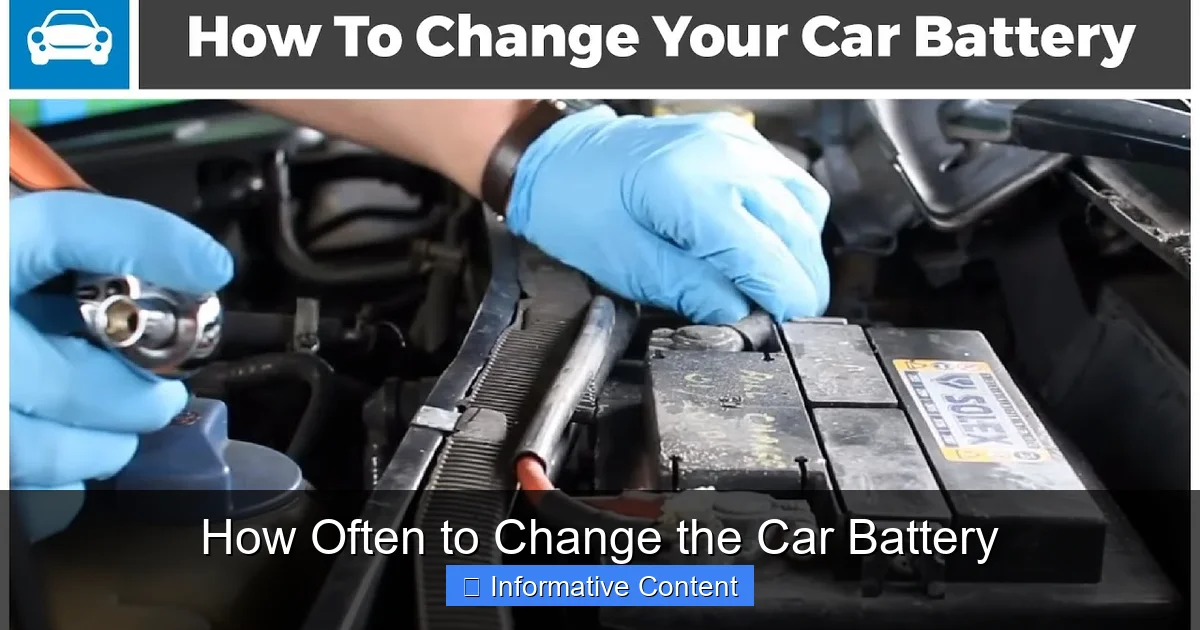
Visual guide about How Often to Change the Car Battery
Image source: i.ytimg.com
Slow Engine Crank
This is the most common and often the first sign. When you turn the key or push the start button, if your engine turns over sluggishly, sounds labored, or “grinds” before finally catching, it’s a strong indicator that your battery is struggling to provide enough power to the starter motor. It’s not completely dead yet, but it’s on its way out.
Dim Lights and Electrical Issues
Before you even try to start the car, take note of your headlights, interior lights, or dashboard lights. If they appear dimmer than usual when the engine is off, or if they flicker when you try to start the car, your battery’s charge is likely low. Other electrical components, like power windows or the radio, might also behave erratically.
Check Engine Light or Battery Warning Light
While the check engine light can signify a multitude of issues, it can sometimes illuminate due to battery-related problems. More directly, your car’s battery warning light (usually a red symbol resembling a battery) will come on if there’s an issue with the charging system, which includes the battery or alternator. Don’t ignore this warning; it’s a clear signal to investigate.
Corroded Terminals or Swollen Battery Case
A quick visual inspection can reveal a lot. White, powdery, or bluish corrosion around the battery terminals can restrict current flow and indicate that gasses are leaking from the battery. While some corrosion is normal and cleanable, excessive build-up is a red flag. Even more concerning is a swollen or bloated battery case, which can be a sign of internal damage, often caused by overcharging or extreme heat. If you see this, replace the battery immediately, as it can be dangerous.
Old Age
Sometimes, the only sign is the calendar. If your battery is four or five years old, even if it seems to be working fine, it’s living on borrowed time. Proactive replacement is often the wisest course of action to avoid an unexpected failure, especially before a long trip or the onset of extreme weather. This is where the question of “how often to change the car battery” really comes into play, even without obvious symptoms.
Testing Your Car Battery’s Health
You don’t have to wait for your car to refuse to start to know if your battery is failing. There are simple ways to test its health.
DIY Voltage Test
You can use a digital multimeter to check your battery’s voltage. A fully charged car battery should read around 12.6 volts or higher when the engine is off. If it consistently reads below 12.4 volts, it’s starting to lose its charge capacity. While this test can give you a basic idea, it doesn’t tell you about the battery’s cold cranking amps (CCA), which is its ability to deliver a burst of current to start the engine.
Professional Load Test
The most accurate way to assess your battery’s health is with a professional load test. Most auto parts stores and mechanic shops offer this service for free. A load tester puts a controlled electrical load on the battery and measures its ability to maintain voltage. This test directly evaluates the battery’s CCA capacity, giving you a much clearer picture of its remaining life and whether it’s truly time to think about how often to change the car battery.
Extending Your Car Battery’s Life: Maintenance Tips
While you can’t make a battery last forever, you can certainly maximize its lifespan with a little care and attention. This proactive approach can push your battery closer to that 5-year mark or even beyond.
Keep it Clean
Regularly check your battery terminals for corrosion. A mixture of baking soda and water can be used with a wire brush to gently clean off any build-up. Ensure the terminals are dry before reconnecting. Clean terminals ensure optimal electrical contact.
Ensure Tight Connections
Loose battery terminals can lead to poor electrical contact, making the charging system work harder and potentially causing starting issues. Ensure the cables are securely fastened to the battery posts, but don’t overtighten them.
Avoid Short Trips and Keep it Charged
If you primarily drive short distances, consider taking a longer drive (at least 30 minutes) once a week to allow the alternator to fully recharge the battery. If your car sits for extended periods, investing in a trickle charger or battery maintainer can prevent deep discharge and sulfation, significantly extending battery life. This is especially important if you’re trying to push the boundaries of how often to change the car battery.
Insulate in Extreme Weather
In regions with extremely hot or cold climates, a battery thermal blanket or cover can help regulate the battery’s temperature, protecting it from the damaging effects of extreme heat and helping it retain power better in the cold.
Turn Off Accessories
Always make sure to turn off headlights, interior lights, and the radio before turning off your engine and leaving your car. Even small draws can significantly drain a battery over time, especially if the car isn’t driven often.
When to Definitely Change the Battery
Even with the best maintenance, there comes a time when replacement is unavoidable. Here are definitive indicators it’s time to stop asking “how often to change the car battery” and just do it.
Beyond Average Lifespan
If your battery is over four years old, even if it still seems okay, it’s wise to consider replacement, especially before winter hits. The internal components degrade over time, and a battery past its prime is much more likely to fail without warning.
Repeated Failures
If you’ve had to jump-start your car multiple times in a short period, and your charging system (alternator) has been verified as healthy, then your battery is no longer holding a sufficient charge. It’s time for a new one.
Severe Corrosion or Physical Damage
If you notice significant, unmanageable corrosion around the terminals, or any physical damage like cracks, leaks, or a bulging case, replace the battery immediately. These are not only signs of a failing battery but also potential safety hazards.
Upcoming Travel or Cold Weather
If you’re planning a long road trip or anticipate a significant cold snap, and your battery is approaching or past the 3-year mark, replacing it proactively can save you immense trouble and stress. The last thing you want is a dead battery far from home in freezing temperatures.
The Battery Replacement Process
Once you’ve decided it’s time to change your car battery, you have a couple of options.
DIY vs. Professional
Replacing a car battery can be a DIY task for those comfortable with basic car maintenance. It involves disconnecting the old battery safely and installing the new one, ensuring proper polarity. However, modern vehicles with complex electronics sometimes require professional installation to maintain memory settings or perform a “battery registration” process. If you’re unsure, or if your car’s manual recommends it, a professional installation is safer.
Choosing the Right Battery
Always replace your battery with one that meets or exceeds your vehicle manufacturer’s specifications. This includes battery type (e.g., lead-acid, AGM), size (group size), cold cranking amps (CCA), and reserve capacity (RC). Your car’s owner’s manual will provide these details, or a reputable auto parts store can help you find the correct fit for your specific make and model.
So, how often to change the car battery? The most reliable answer is between 3 to 5 years, with vigilant observation for warning signs and annual professional testing, especially after year three. By being proactive and understanding the nuances of battery health, you can ensure your vehicle remains a dependable mode of transportation, ready to go whenever you are. Don’t let a dead battery dictate your schedule; take charge of your car’s power source today!
Frequently Asked Questions
How do I know what kind of battery my car needs?
Your car’s owner’s manual is the best source for battery specifications, including group size, cold cranking amps (CCA), and reserve capacity (RC). You can also provide your vehicle’s make, model, and year to an auto parts store, and they will help you find the correct battery.
What is “cold cranking amps” (CCA) and why is it important?
Cold Cranking Amps (CCA) is a rating used to define a battery’s ability to start an engine in cold temperatures. It measures the amount of current a battery can deliver for 30 seconds at 0°F (-18°C) while maintaining a minimum voltage. A higher CCA rating means better starting power in cold weather.
Can a professional battery test tell me exactly when to change my car battery?
A professional battery load test can accurately assess your battery’s current health, charge capacity, and cold cranking ability. While it can’t give an exact date, it can tell you if your battery is weak and nearing the end of its life, providing a strong recommendation for replacement soon.
Is it safe to change a car battery myself?
Changing a car battery can be done safely by yourself with the right tools and knowledge, but it requires caution to avoid electrical shock or damage to the vehicle’s electronics. Always disconnect the negative terminal first and connect it last. For modern cars with complex electrical systems, professional installation may be recommended.
What is sulfation and how does it affect battery life?
Sulfation occurs when lead sulfate crystals build up on the battery plates, often due to undercharging or prolonged disuse. This build-up hardens, reducing the battery’s ability to hold a charge and deliver power, significantly shortening its lifespan.
What should I do with my old car battery?
Car batteries contain hazardous materials like lead and sulfuric acid, so they must be recycled responsibly. Most auto parts stores accept old batteries for recycling, often providing a core charge refund if you’re buying a new one, ensuring they are disposed of safely and environmentally friendly.