
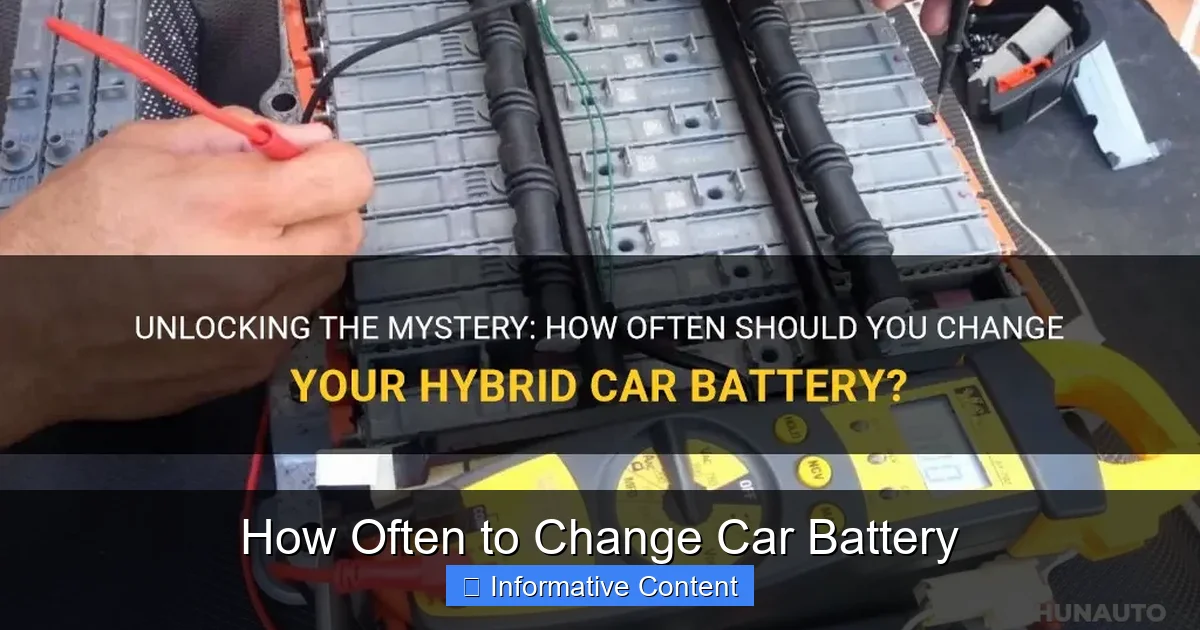
Knowing how often to change your car battery is crucial for reliable vehicle operation. While the average car battery lasts 3-5 years, this can vary significantly based on climate, driving habits, and maintenance. Pay attention to warning signs like slow cranking or dim lights, and perform regular checks to avoid being stranded.
Have you ever experienced that heart-sinking moment when you turn the key, and your car just groans, clicks, or does absolutely nothing? It’s a universal frustration, often stemming from one culprit: a dead car battery. Beyond the immediate inconvenience, a failing battery can leave you stranded, late for work, or missing important appointments. It’s a common scenario that makes many car owners wonder, “How often should I change my car battery?”
The truth is, there isn’t a single, magic number that applies to every car and every driver. While you might hear an average range, several factors play a significant role in determining your car battery’s actual lifespan. Understanding these elements and knowing the warning signs can save you a lot of hassle and help you avoid an unexpected breakdown. Let’s dive deep into everything you need to know about your car battery, from its typical lifespan to maintenance tips and when it’s time for a replacement.
Key Takeaways
- Average Lifespan: Most car batteries last between 3 to 5 years, but this is a general guideline.
- Key Influencing Factors: Extreme temperatures (hot and cold), short driving trips, and lack of regular maintenance are major contributors to shortened battery life.
- Warning Signs: Look out for slow engine cranking, dim headlights, illuminated battery warning lights, and visible corrosion on battery terminals.
- Proactive Maintenance: Regularly clean battery terminals, ensure connections are tight, and consider a trickle charger if your car sits unused for long periods.
- Regular Testing: Have your battery tested professionally at least once a year, especially as it approaches the 3-year mark, to gauge its remaining life.
- Don’t Wait Until It Dies: It’s generally better to replace a battery proactively based on age and test results rather than waiting for a complete failure.
- Consider Your Climate: Batteries in hotter climates tend to degrade faster internally, often lasting closer to the lower end of the 3-5 year range.
Quick Answers to Common Questions
How often should I test my car battery?
It’s a good idea to have your car battery tested annually, especially once it’s three years old. Many auto parts stores offer this service for free.
What does a car battery warning light mean?
A car battery warning light on your dashboard typically indicates an issue with your vehicle’s charging system, which could be the battery itself, the alternator, or the voltage regulator. It means your car isn’t getting sufficient power.
Can a car battery die suddenly without warning?
While often there are warning signs, a car battery can sometimes die suddenly, especially if it has an internal short circuit or has been severely discharged. Extreme temperature changes can also push an already weakened battery over the edge quickly.
Is it bad to let a car battery sit unused for a long time?
Yes, letting a car battery sit unused for an extended period (weeks or months) is detrimental to its health. It can slowly discharge due to parasitic drains, leading to sulfation and a reduced lifespan. Using a trickle charger can prevent this.
What is “cold-cranking amps” (CCA) and why is it important?
Cold-cranking amps (CCA) measure a battery’s ability to start an engine in cold temperatures. It indicates the amount of current a battery can deliver for 30 seconds at 0°F (-18°C) while maintaining a minimum voltage. A higher CCA rating means better starting power in cold weather.
📑 Table of Contents
- The Average Lifespan of a Car Battery: What to Expect
- Signs Your Car Battery Is Dying: Don’t Wait for a Complete Failure
- Factors That Shorten Car Battery Life
- Proactive Car Battery Maintenance Tips
- When to Consider Professional Inspection or Replacement
- The “How Often to Change Car Battery” Rule of Thumb
The Average Lifespan of a Car Battery: What to Expect
Generally speaking, most car batteries are designed to last anywhere from 3 to 5 years. This is the sweet spot that manufacturers aim for, assuming ideal conditions and regular usage. However, this is merely an average, and your personal experience might fall outside this range. Some batteries might only last two years, especially under harsh conditions, while others could surprise you by going strong for six or even seven years.
Think of it like the lifespan of a pair of shoes – some last longer than others, depending on how often you wear them, where you walk, and how well you care for them. Car batteries are similar. They are complex chemical powerhouses, and their internal components degrade over time and with use.
Factors That Influence Battery Lifespan
Many things can impact how long your car battery actually lasts. Let’s break down the most significant ones:
- Climate: This is perhaps the biggest factor. Extreme temperatures, both hot and cold, are brutal on car batteries. In very hot climates (like the southern US), the heat causes the battery fluid to evaporate faster and accelerates internal corrosion, often leading to a shorter lifespan, sometimes closer to the 3-year mark. While cold weather doesn’t damage the battery as much as heat, it significantly reduces its cranking power, making it harder for an already weakened battery to start your engine.
- Driving Habits: How you drive makes a big difference.
- Short Trips: If you mostly drive short distances (less than 20 minutes), your alternator might not have enough time to fully recharge the battery after starting the car. This leads to a perpetually undercharged battery, shortening its life.
- Long Periods of Inactivity: Cars that sit unused for weeks or months tend to have shorter battery lives. Even when turned off, your car’s electrical system draws a small amount of power (known as parasitic drain), slowly discharging the battery.
- Frequent Starts: If you make many short trips with frequent engine starts and stops, it puts more stress on the battery than one long trip.
- Maintenance: A well-maintained battery often lasts longer. Neglecting simple tasks like cleaning terminals or ensuring proper electrolyte levels (if applicable to your battery type) can shorten its life.
- Vehicle Electronics: Modern cars are packed with electronics, from infotainment systems to advanced safety features. These systems demand more power, especially when the engine is off (e.g., security systems, memory functions), which can put additional strain on the battery.
Signs Your Car Battery Is Dying: Don’t Wait for a Complete Failure
Visual guide about How Often to Change Car Battery
Image source: compressorlab.com
Knowing how often to change your car battery isn’t just about age; it’s also about recognizing the warning signs. Being proactive can save you from an inconvenient breakdown. Here are the most common indicators that your battery is nearing the end of its life:
Slow Engine Crank
This is often the first and most obvious sign. When you turn the key, does your engine crank slowly, sluggishly, or take longer than usual to start? It sounds like a “rrruh-rrruh-rrruh” instead of a quick “vroom.” This means the battery is struggling to provide enough power to the starter motor.
Dim Headlights and Electrical Components
Before starting the car, turn on your headlights. If they appear dim, or if other electrical components like the dashboard lights or radio seem weaker than usual, it’s a sign of low battery voltage. Once the engine starts and the alternator kicks in, these might brighten up, but the initial dimness is a red flag.
Dashboard Warning Light
Many modern cars have a battery warning light (often shaped like a battery) on the dashboard. If this light illuminates while you’re driving, it means there’s an issue with your charging system, which could be the battery, the alternator, or the voltage regulator. Don’t ignore it!
Corrosion on Battery Terminals
Pop open your hood and take a look at your battery. If you see a fuzzy, white, or bluish-green powdery substance around the terminals (where the cables connect), that’s corrosion. Corrosion can prevent a strong electrical connection, making it harder for the battery to deliver power. While sometimes cleanable, excessive corrosion can indicate a leaking battery or an underlying issue.
The “Check Engine” Light
While not exclusively a battery sign, a dying battery can sometimes trigger the “Check Engine” light. Low voltage can disrupt the performance of various sensors and systems, leading the car’s computer to flag an error.
A Swollen Battery Case
Extreme heat can cause a battery to swell or bulge, especially on the sides. This is a very serious sign of internal damage and potential failure. If you see this, get your battery checked immediately.
A Sulphuric or Rotten Egg Smell
If you detect a smell like rotten eggs around your battery, it usually indicates a leak of sulfuric acid or that the battery is overheating and gassing out. This is a dangerous sign and warrants immediate attention from a mechanic.
Factors That Shorten Car Battery Life
Beyond the natural aging process, specific habits and environmental conditions can significantly reduce how often you’ll need to change your car battery. Understanding these can help you adjust your routine and potentially extend your battery’s life.
Extreme Temperatures
As mentioned, both extreme heat and cold are battery killers. Heat accelerates chemical reactions inside the battery, leading to quicker degradation. Cold weather, while not damaging in the same way, reduces the battery’s efficiency and makes it work much harder to start the engine, especially if it’s already weakened by prior heat exposure.
Frequent Short Drives
If your daily commute involves only short hops to the grocery store or school pick-ups, your car battery isn’t getting a full charge. The alternator needs time to replenish the power used during startup. Consistently operating in an undercharged state stresses the battery and shortens its lifespan.
Parasitic Drains
Even when your car is off, certain components (like the clock, radio presets, alarm system, and onboard computer) continuously draw a small amount of power. This is normal. However, if there’s an electrical fault, a faulty relay, or an aftermarket accessory that’s not properly installed, it can create an excessive “parasitic drain,” rapidly discharging your battery, especially if the car sits for a few days.
Leaving Lights or Accessories On
This one seems obvious, but leaving headlights, interior lights, or the radio on for extended periods with the engine off is a surefire way to kill your battery quickly. Even a forgotten phone charger can be enough to drain a weak battery overnight.
Vibrations
A loosely mounted battery can experience excessive vibrations while driving. These vibrations can cause internal damage to the battery plates and connections, shortening its life. Ensure your battery is securely clamped in its tray.
Proactive Car Battery Maintenance Tips
You don’t just have to wait for your battery to die. There are several simple maintenance steps you can take to potentially extend its life and get closer to that 5-year mark. When thinking about how often to change your car battery, remember that good maintenance can push that date back.
Keep Battery Terminals Clean
Regularly inspect your battery terminals for corrosion. If you see any, you can clean it yourself using a wire brush and a mixture of baking soda and water. Always disconnect the negative terminal first, then the positive, and reconnect in the reverse order (positive first, then negative). Make sure the battery is off and your hands are protected.
Check Fluid Levels (If Applicable)
Some conventional lead-acid batteries have removable caps, allowing you to check the electrolyte (acid and water) levels. If the levels are low, you can top them up with distilled water (never tap water!). Most modern car batteries are “maintenance-free” sealed units, so this step won’t apply. Check your car’s manual to be sure.
Ensure Connections Are Tight
Loose battery cable connections can prevent your battery from fully charging and delivering power effectively. Gently wiggle the terminals to ensure they are secure. If they’re loose, tighten them with a wrench (but don’t overtighten!).
Use a Battery Charger for Stored Vehicles
If your car sits unused for long periods (e.g., a classic car, an RV, or a vehicle during a long vacation), invest in a “trickle charger” or “battery maintainer.” These devices provide a slow, steady charge to prevent the battery from discharging and help maintain its health.
Avoid Excessive Electrical Load When Engine is Off
Try not to run accessories like the radio, headlights, or charging ports for extended periods when your engine isn’t running. This rapidly drains the battery.
Test Your Battery Regularly
Many auto parts stores offer free battery testing. It’s a good idea to have your battery tested annually, especially once it’s over three years old. A professional test can tell you its remaining charge, cold-cranking amps (CCA), and overall health, giving you a good indication of how much life it has left.
When to Consider Professional Inspection or Replacement
Even with the best maintenance, your car battery won’t last forever. So, how often to change car battery proactively, rather than reactively?
The “3-5 Year” Rule of Thumb
Once your battery hits the 3-year mark, it’s wise to start paying closer attention. After 4-5 years, even if it’s still working, its performance will likely have degraded significantly, especially in extreme temperatures. Many mechanics will recommend replacement around this age, regardless of immediate symptoms, as a preventative measure.
Failed Battery Test
If a professional battery test indicates that your battery’s capacity or cold-cranking amps (CCA) are below recommended levels, it’s time for a replacement. The test often gives a “good,” “weak,” or “replace” reading. Don’t gamble with a “weak” result.
Frequent Jump Starts
If you find yourself needing a jump start more than once in a short period, it’s a clear sign your battery is on its last legs. A battery that struggles to hold a charge needs to be replaced.
Before a Long Trip or Winter
If your battery is getting old and you’re planning a long road trip, or if winter is approaching (when batteries are most stressed), consider replacing it proactively. The last thing you want is to be stranded far from home or on a freezing morning.
The “How Often to Change Car Battery” Rule of Thumb
To summarize, the general rule of thumb for how often to change your car battery is every 3 to 5 years. However, this is heavily influenced by factors such as your driving environment, driving habits, and maintenance routine.
In hotter climates, you might find yourself needing a new battery closer to the 3-year mark. In milder climates with good maintenance and regular driving, you might push it closer to 5 years or even a bit more.
The most important takeaway is to not solely rely on the calendar. Combine age with vigilance. Pay attention to the warning signs your car gives you, perform basic maintenance, and get your battery tested annually after it reaches three years old. Being proactive with your car battery replacement can save you from a lot of stress, inconvenience, and potentially dangerous situations. When in doubt, it’s always better to replace a questionable battery than to risk being stranded.
🎥 Related Video: 5 Signs To Look Out For When To Change A Car Battery | Sgcarmart Reviews
📺 Sgcarmart
The battery is one of the most important, and overlooked, parts of your car. What does it do? When do you change it? We answer …
Frequently Asked Questions
How long does a new car battery last?
A new car battery typically lasts between 3 to 5 years, though this can vary widely based on factors like climate, driving habits, and how well it’s maintained. Hot climates tend to shorten a battery’s lifespan, sometimes closer to the 3-year mark.
What are the primary signs of a failing car battery?
Key signs of a failing car battery include slow engine cranking, dim headlights or interior lights, a dashboard battery warning light, visible corrosion on the terminals, and a distinct sulfur or rotten egg smell from under the hood.
Does extreme heat or cold affect battery life more?
While both extremes are detrimental, extreme heat typically causes more long-term damage to a car battery. Heat accelerates the internal chemical reactions and fluid evaporation, leading to quicker degradation and a shorter overall lifespan than cold.
Can short daily drives damage my car battery?
Yes, frequent short drives can damage your car battery. The alternator doesn’t have enough time to fully recharge the battery after starting the car, leading to a perpetually undercharged state which reduces its overall lifespan and capacity.
Is it possible to extend my car battery’s life?
Absolutely! You can extend your car battery’s life by keeping its terminals clean and tight, checking fluid levels (if applicable), using a trickle charger if your car sits idle, and avoiding excessive electrical draw when the engine is off.
Should I replace my car battery before it completely dies?
It is generally recommended to replace your car battery proactively, especially if it’s over 4-5 years old or fails a professional battery test. Replacing it before it completely dies helps you avoid being stranded and ensures reliable vehicle starting, particularly before winter or long trips.