To effectively charge a car battery after a jump-start or minor drain, you generally need to drive for at least 20 to 30 minutes at highway speeds. This duration allows your alternator enough time to replenish the battery’s charge. However, a fully discharged or old battery might need a longer drive or even a dedicated charger to recover fully.
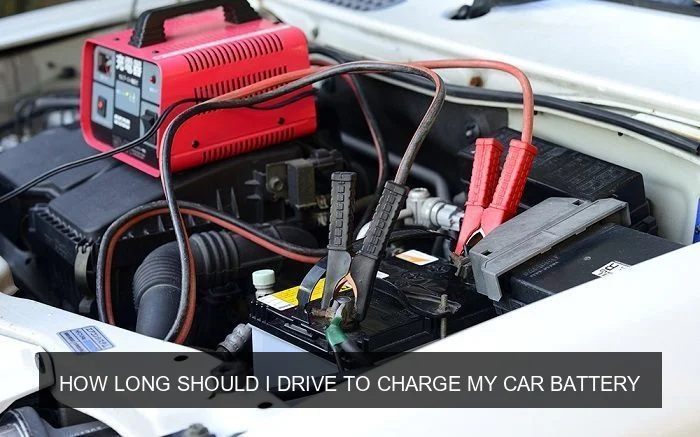
Image source: Carcaretotal
📋 Table of Contents
- 🔹 How Long Should I Drive to Charge My Car Battery? An Introduction
- 🔹 What is Car Battery Charging While Driving?
- 🔹 Why Driving Matters for Battery Charge
- 🔹 How Driving Charges Your Battery: The Alternator’s Role
- 🔹 The Recommended Driving Duration to Charge Your Car Battery
- 🔹 Factors Affecting Car Battery Charging Time While Driving
- 🔹 Benefits of Regular Driving for Battery Health
- 🔹 Common Mistakes When Trying to Charge Your Battery by Driving
- 🔹 Practical Tips for Effectively Charging Your Car Battery by Driving
- 🔹 Frequently Asked Questions (FAQ)
- 🔹 Conclusion: Keep Your Battery Happy on the Road
How Long Should I Drive to Charge My Car Battery? An Introduction
Ever found yourself with a car that won’t start, needing a jump-start to get going? It’s a common and frustrating experience. Once you’re back on the road, a big question often pops up: “How long should I drive to charge my car battery?” It’s not just about getting home; it’s about ensuring your car will start again next time. This article will help you understand exactly what’s involved in charging your car battery by driving, giving you clear advice and practical tips.
We’ll explore how your car’s charging system works, how long you really need to drive, and what factors might change that timeframe. Our goal is to give you the knowledge to confidently handle a low battery situation and keep your car running smoothly. Let’s dive in!
What is Car Battery Charging While Driving?
Simply put, “car battery charging while driving” refers to the process where your vehicle’s electrical system, specifically the alternator, generates electricity to replenish the charge in your car’s 12-volt battery as you drive. This isn’t just for emergencies; it’s how your battery stays charged every day, powering everything from your radio to your headlights, and ensuring there’s enough juice to start the engine next time.
When you start your car, the starter motor draws a significant amount of power from the battery. Once the engine is running, the alternator takes over. It converts mechanical energy from the engine into electrical energy, which then powers the car’s electrical components and sends a steady stream of charge back to the battery. This cycle is crucial for the long-term health and functionality of your car’s electrical system.
Why Driving Matters for Battery Charge
You might wonder why driving is so important for keeping your battery charged. The main reason is the alternator, which only works when the engine is running. If your car sits for long periods, or if you only make very short trips, the alternator doesn’t get enough time to fully recharge the battery after each start.
- Replenishing Power: Starting your car uses a lot of power. Driving allows the alternator to put that power back into the battery.
- Preventing Sulfation: If a battery remains undercharged, lead sulfate crystals can build up on its plates, a process called sulfation. This reduces the battery’s capacity and can permanently damage it. Regular driving helps prevent this by keeping the battery adequately charged.
- Powering Accessories: While driving, your car’s accessories (lights, radio, AC, wipers, phone chargers) all draw power. The alternator needs to generate enough electricity to both power these components and recharge the battery.
So, a good drive isn’t just about getting from point A to point B; it’s also about maintaining your car’s electrical heart.
How Driving Charges Your Battery: The Alternator’s Role
Understanding how your car battery charges while driving mostly comes down to understanding the alternator. Here’s a simple breakdown:
- Engine Starts: When you turn the key or push the start button, your battery delivers a powerful burst of electricity to the starter motor, which cranks the engine to life. This significantly drains the battery.
- Alternator Engages: Once the engine is running, a belt connected to the engine’s crankshaft spins the alternator.
- Generating Electricity: Inside the alternator, a rotating electromagnetic field creates an alternating current (AC).
- Rectifying Current: A component called a rectifier converts this AC into direct current (DC) – the type of electricity your battery and most car components use.
- Voltage Regulation: A voltage regulator ensures the electricity sent to the battery is at the correct voltage (usually around 13.5 to 14.5 volts) to charge it safely and effectively.
- Powering and Charging: This regulated DC power then flows to power all the car’s electrical systems and recharge the battery.
The efficiency of this process depends on the engine’s RPMs (revolutions per minute). Higher RPMs generally mean the alternator spins faster, generating more power. This is why highway driving is often more effective for charging than stop-and-go city driving.
The Recommended Driving Duration to Charge Your Car Battery
So, how long should you drive to charge your car battery? For a battery that’s only slightly drained, perhaps from leaving your headlights on for a few minutes or a weak start, a drive of about 20 to 30 minutes at a steady speed (like highway driving) is usually sufficient to restore a decent charge.
However, if your battery was completely flat and needed a jump-start, it will require more time. In such cases, aim for a continuous drive of at least 45 minutes to an hour. This longer duration gives the alternator enough opportunity to significantly replenish the lost charge. Keep in mind that a deeply discharged battery may never fully recover its original capacity through driving alone and might benefit from a dedicated battery charger.
Here’s a quick reference:
| Battery Condition | Recommended Driving Time | Notes |
|---|---|---|
| Slightly Drained (weak start) | 20-30 minutes | Steady speed, minimal electrical load. |
| Moderately Drained (needed jump-start) | 45-60 minutes | Consistent driving, ideally highway speeds. |
| Deeply Discharged (left lights on overnight) | 1 hour+ or dedicated charger | Driving alone may not fully recover; professional charging recommended. |
Factors Affecting Car Battery Charging Time While Driving
The “how long” question isn’t a one-size-fits-all answer. Several factors can influence how long you need to drive to charge your car battery effectively:
- Battery’s State of Discharge: A deeply drained battery takes much longer to recharge than one that’s only slightly low.
- Battery Age and Condition: Older batteries or those with internal damage (like sulfation) cannot hold a charge as effectively or accept a charge as quickly as newer, healthy batteries.
- Alternator Health: A weak or failing alternator won’t generate enough power to charge the battery efficiently, regardless of how long you drive.
- Driving Conditions:
- Highway vs. City: Highway driving at consistent speeds (higher RPMs) is far more effective for charging than stop-and-go city driving. During city driving, engine RPMs are lower, and accessories like brake lights are used more, which can reduce the net charge going into the battery.
- Electrical Load: Using many electrical accessories (AC at full blast, heated seats, powerful stereo, headlights, phone chargers, etc.) while driving puts a greater demand on the alternator. This can slow down the battery charging process as the alternator prioritizes powering these accessories first.
- Temperature: Extremely cold weather can reduce a battery’s charging efficiency and overall capacity.
Considering these factors helps you make a more informed decision about how to best recharge your battery.
Benefits of Regular Driving for Battery Health
Beyond simply getting a charge back into a dead battery, regular driving offers significant benefits for the overall health and lifespan of your car battery:
- Maintains Full Charge: Consistent driving ensures the battery regularly reaches a full charge, which is crucial for its longevity.
- Prevents Sulfation: As mentioned, sulfation occurs when a battery is left in a discharged state. Regular charging through driving helps prevent this damaging crystal buildup.
- Circulates Electrolyte: In conventional lead-acid batteries, driving helps agitate the electrolyte solution, preventing stratification (where the acid settles at the bottom). This keeps the battery’s chemistry balanced.
- Reduces Stress on Starter: A well-charged battery means the starter motor doesn’t have to work as hard, extending its life too.
- Optimal Performance: A healthy, fully charged battery ensures all your car’s electrical systems, from ignition to infotainment, receive consistent and optimal power.
If your car sits for extended periods, consider taking it for a decent drive once a week, or using a “trickle charger” or “battery maintainer” to keep the charge topped up.
Common Mistakes When Trying to Charge Your Battery by Driving
While driving is a valid way to recharge your car battery, some common misconceptions and mistakes can prevent it from being effective or even cause further issues:
- Only Short Trips: Relying on frequent short trips (e.g., less than 15 minutes) will likely not fully recharge your battery. The power used to start the car often isn’t fully recovered.
- Idling to Charge: Idling your car is not an efficient way to charge the battery. At idle speeds, the alternator produces minimal output, often just enough to run the car’s basic electronics, with little left over for significant battery charging. You need higher RPMs.
- Too Many Accessories On: If you’ve just jump-started your car, avoid blasting the AC, using heated seats, or having all your lights on. These draw significant power from the alternator, diverting it away from charging the battery.
- Ignoring Underlying Issues: If your battery repeatedly drains, driving more might only be a temporary fix. There could be a deeper problem like a faulty alternator, a parasitic drain, or a dying battery itself.
- Expecting Miracles from an Old Battery: An old battery (typically 3-5 years) or one that has been deeply discharged multiple times may have reduced capacity. Driving alone might not bring it back to full health, and it might need replacement.
Being aware of these common pitfalls can save you time and frustration.
Practical Tips for Effectively Charging Your Car Battery by Driving
To maximize your chances of fully recharging your car battery by driving, follow these practical tips:
- Aim for Highway Speeds: If possible, take your car on a highway or a road where you can maintain a consistent speed (around 50-60 mph) for the recommended duration. This keeps the engine RPMs up, allowing the alternator to work efficiently.
- Minimize Electrical Load: Especially after a jump-start, turn off non-essential accessories like the radio, air conditioning, heated seats, and extra lights. This ensures more of the alternator’s output goes directly to charging the battery.
- Check Battery Terminals: Before you drive, quickly check that your battery terminals are clean and tightly connected. Loose or corroded terminals can hinder the charging process.
- Consider a Battery Monitor: If you frequently experience low battery issues, a small battery voltage monitor that plugs into your car’s 12V outlet can give you real-time feedback on your battery’s charge level and the alternator’s output.
- Don’t Rely Solely on Driving for Deep Discharges: If your battery was completely flat, consider using a dedicated smart battery charger after your drive. These chargers can often do a more thorough job of reconditioning a deeply discharged battery safely.
- Regular Long Drives: Make it a habit to take your car for at least a 20-30 minute drive a few times a week, especially if you mostly do short trips.
By following these steps, you can significantly improve the effectiveness of charging your car battery through driving.
Frequently Asked Questions (FAQ)
What is the minimum voltage for a car battery?
A fully charged car battery should measure around 12.6 to 12.8 volts when the engine is off. If it consistently reads below 12.4 volts, it’s considered partially discharged. Below 12 volts, it’s significantly discharged and might struggle to start the car.
Is idling enough to charge a car battery?
No, idling is generally not enough to effectively charge a car battery. At idle, the alternator’s output is usually minimal, often just sufficient to power the car’s existing electrical systems. For proper charging, the engine needs to be running at higher RPMs, like during highway driving, to generate enough surplus power to replenish the battery.
How long does it take for an alternator to fully charge a car battery?
While driving, it can take anywhere from 30 minutes to several hours for an alternator to fully charge a car battery, depending on the battery’s state of discharge and the driving conditions. A deeply discharged battery will naturally take much longer than one that’s only slightly low.
Can driving too short damage my car battery?
Constantly making very short trips (less than 15-20 minutes) can gradually damage your battery. Each start uses a significant amount of power, and short drives don’t allow the alternator enough time to fully replenish this lost charge. Over time, this can lead to a chronically undercharged battery, causing sulfation and reducing its lifespan.
When should I consider a dedicated battery charger instead of driving?
You should consider a dedicated battery charger if your battery was completely dead and needed a jump-start, if you only make short trips, if your car sits unused for long periods, or if your battery frequently goes flat. A smart charger can provide a more thorough and controlled charge, often with features to maintain the battery over time.
Conclusion: Keep Your Battery Happy on the Road
Understanding “how long should I drive to charge my car battery” is key to maintaining your vehicle’s reliability and extending your battery’s life. While there’s no exact universal answer, a good rule of thumb is to aim for a solid 20-30 minute drive at steady speeds for minor drains, and a longer 45-60 minute drive after a jump-start.
Remember, your car’s alternator is designed to keep your battery topped up, but it works best when the engine is running at higher RPMs. Avoiding short trips, minimizing electrical loads post-jump-start, and being aware of your battery’s age and health will help ensure your car starts reliably every time. If you find your battery constantly struggling, it might be time to investigate further or consult a professional. Happy driving!