
The time it takes for a car battery to charge varies significantly based on its discharge level, age, the type of charger used, and its size. A completely dead battery can take anywhere from 4 to 24 hours to fully charge with a standard charger, while maintaining a nearly full battery might just require a few hours. Understanding these factors helps you choose the right charging method and duration.
There’s nothing quite like the sinking feeling of turning your key only to be met with silence, or perhaps a weak, struggling groan from under the hood. A dead car battery is a common inconvenience, but a solvable one. Once you’ve determined your battery is the culprit, the next logical question that pops into mind is: “How long does it take for car battery to charge?”
The answer, like with many things automotive, isn’t a simple one-size-fits-all number. It’s more of a “it depends” situation, influenced by a handful of important factors. From the type of charger you’re using to the current state of your battery, many variables play a role in the charging process. Understanding these can save you time, frustration, and even help prolong the life of your battery.
In this comprehensive guide, we’ll break down everything you need to know about charging your car battery. We’ll explore the different charging methods, the factors that influence charging time, and walk you through the process safely. By the end, you’ll have a clear understanding of what to expect and how to get your vehicle back on the road with a fully charged battery.
Key Takeaways
- Charging Time Varies Widely: How long does it take for car battery to charge depends on its initial state of discharge, age, capacity, and the specific type of charger you’re using.
- Type of Charger Matters Most: Trickle chargers are slow (10-24+ hours), smart chargers are efficient (4-12 hours), and rapid chargers are quick but risky (1-4 hours).
- Driving Charges, But Not Fully: Driving your car for 30-60 minutes can put enough charge back into a jump-started battery to get you going, but it won’t typically provide a full charge.
- Safety First: Always follow safety precautions when charging a car battery, including good ventilation, eye protection, gloves, and correctly connecting the charger.
- Full Charge vs. Jump Start: A jump start only provides enough power to start the engine; it doesn’t charge the battery. A proper battery charger is needed for a full recovery.
- Age and Condition are Crucial: Older or damaged batteries will take longer to charge, may not hold a charge well, and might need replacement rather than just charging.
Quick Answers to Common Questions
How long does it take for car battery to charge by driving?
After a jump start, driving for at least 30 minutes to an hour at highway speeds can put enough charge back into the battery to restart the car, but it won’t typically achieve a full charge, especially if the battery was deeply discharged.
Can I overcharge my car battery with a modern charger?
Most modern “smart” or automatic battery chargers are designed with multi-stage charging cycles and float modes that prevent overcharging, automatically switching to a maintenance charge once the battery is full. However, older, simpler chargers without these features can overcharge if left connected too long.
How long does a trickle charger take to charge a dead battery?
A trickle charger (1-2 amps) will take a very long time to charge a completely dead car battery, potentially 24-48 hours or even more, as its primary purpose is slow, long-term maintenance rather than rapid recovery.
What voltage should a fully charged car battery read?
A fully charged 12-volt car battery should read approximately 12.6 to 12.8 volts when measured with a voltmeter after resting for a few hours (engine off).
Is it safe to charge a car battery while it’s still connected in the car?
Yes, it is generally safe to charge a car battery while it’s still connected in the car, provided you follow safety precautions like ensuring good ventilation and correctly connecting the charger clamps, typically connecting the negative clamp to a ground point on the chassis rather than directly to the battery’s negative terminal.
📑 Table of Contents
The Basics: Understanding Your Car Battery and Charging Needs
Before we dive into how long it takes for car battery to charge, let’s quickly recap what a car battery does and why it might need charging in the first place.
What is a Car Battery?
Most modern cars use a 12-volt lead-acid battery. This isn’t just for starting your engine; it also powers your lights, radio, and other electronic components when the engine is off. Once your engine is running, the alternator takes over, powering the electrical system and simultaneously recharging the battery.
Why Does a Battery Die?
Car batteries can die for several reasons:
- Leaving Lights On: The classic culprit! Forgetting to turn off headlights or interior lights can drain your battery surprisingly quickly.
- Parasitic Drain: Sometimes, electrical components in your car continue to draw small amounts of power even when the car is off. This “parasitic drain” can slowly kill a battery over time, especially if the car sits for extended periods.
- Cold Weather: Extreme cold significantly reduces a battery’s capacity and makes it harder for it to deliver power, often exposing an already weak battery.
- Old Age: Car batteries don’t last forever. Typically, they have a lifespan of 3-5 years. Over time, their ability to hold a charge diminishes.
- Faulty Alternator: If your alternator isn’t working correctly, it won’t recharge the battery while you drive, leading to a dead battery.
When Does a Battery Need Charging?
You’ll usually notice several tell-tale signs:
- Slow Engine Crank: The engine turns over sluggishly, sounding like it’s struggling to start.
- Dim Lights: Headlights, interior lights, or dashboard lights appear dimmer than usual.
- Warning Light: Your dashboard might display a battery or “charge” warning light.
- Complete Silence: The car doesn’t respond at all when you turn the key or push the start button.
Factors Influencing Charging Time
So, exactly how long does it take for car battery to charge? As mentioned, several key factors dictate the duration. Understanding these will help you set realistic expectations.
Visual guide about How Long Does It Take for Car Battery to Charge
Image source: autocarelabs.com
Battery’s State of Discharge
This is perhaps the most significant factor. A battery that’s only partially discharged (e.g., you left your parking lights on for an hour) will charge much faster than a battery that’s completely dead (e.g., your car has been sitting for weeks without use). A completely flat battery requires more time and effort to bring back to full capacity.
Battery’s Age and Condition
A brand new, healthy battery will accept and hold a charge more efficiently than an older, worn-out one. As batteries age, their internal resistance increases, making them less efficient at charging and discharging. An old or sulfated battery might take significantly longer to charge, and even then, it might not reach its full capacity or hold the charge for long. Sometimes, an old battery needs replacing, not just charging.
Type of Charger Used
Not all battery chargers are created equal. The amperage (current) and intelligence of the charger play a crucial role in how long does it take for car battery to charge.
- Low-Amp Chargers (Trickle Chargers): These typically deliver 1-2 amps. They’re designed for slow, long-term maintenance charging and are ideal for keeping a battery topped up during storage. They will take a very long time to charge a dead battery.
- Standard/Smart Chargers: These are the most common type for home use, usually delivering 4-15 amps. They often have multiple stages and microprocessors that monitor the battery’s condition, preventing overcharging.
- Rapid/Fast Chargers: Delivering 20 amps or more, these can charge a battery much quicker. However, fast charging can generate heat and potentially damage the battery if not done correctly or if the battery is old or weak.
Battery Size (CCA and Ah Ratings)
Car batteries come in various sizes, often indicated by their Cold Cranking Amps (CCA) and Amp-hour (Ah) ratings. A larger battery (higher Ah) contains more energy and will naturally take longer to fully charge than a smaller one, assuming the same state of discharge and charger output. For instance, a battery with an 80 Ah rating will take roughly twice as long to charge as a 40 Ah battery at the same amperage.
Environmental Temperature
Temperature affects battery chemistry. In very cold conditions, the chemical reactions inside a battery slow down. This means a battery will charge more slowly and less efficiently in freezing temperatures compared to warmer environments. It’s why charging a battery indoors (if safe) or in a garage is often more effective during winter months.
Different Ways to Charge Your Car Battery and Their Timelines
Let’s look at the practical aspects of how long does it take for car battery to charge using various methods.
Using a Battery Charger (The Primary Method)
This is the most effective and recommended way to fully charge a car battery.
Trickle Charger (1-2 Amps):
Time: 10-24+ hours for a partially discharged battery; potentially days for a dead one.
Trickle chargers are fantastic for maintaining a charge over long periods, like when you store a classic car or motorcycle for the winter. They deliver a very low, constant current. While they can eventually charge a dead battery, it will be a very slow process, often taking over 24 hours and sometimes even longer for a completely flat battery. They’re safest for preventing overcharging but not ideal for a quick recovery.Smart/Automatic Charger (4-15 Amps):
Time: 4-12 hours for a moderately discharged battery; 8-24 hours for a deeply discharged battery.
Most consumer-grade battery chargers fall into this category. They are designed to monitor the battery’s voltage and charge state, adjusting the charging current as needed. They go through different stages (bulk, absorption, float) to ensure a safe and efficient charge. This is the best option for general use, providing a good balance of speed and battery health preservation. A typical car battery that’s just a bit low might be ready in 4-8 hours, while a nearly dead one could take 12-24 hours.Fast/Rapid Charger (20+ Amps):
Time: 1-4 hours for a moderately discharged battery; 2-6 hours for a deeply discharged battery.
These chargers deliver a high current, significantly reducing charging time. While convenient, rapid charging can generate more heat and potentially stress the battery, especially older ones. It’s generally not recommended for regular use as it can shorten battery lifespan. It’s best reserved for emergencies when you need to get back on the road quickly. Always use with caution and monitor the battery for excessive heat.
General Rule of Thumb for Chargers: To estimate how long does it take for car battery to charge, you can use a rough formula: Divide the battery’s Ah rating by the charger’s amperage. For example, a 60 Ah battery charged by a 10-amp charger might take around 6 hours to get a significant charge, but you’ll add more time for reaching a full charge, especially with multi-stage chargers.
Charging While Driving (Alternator Charging)
Your car’s alternator is designed to keep your battery charged while the engine is running. If your battery just needed a jump start, driving can often put enough charge back into it to get it going again, but not necessarily fully charge it.
- How long to drive? After a jump start, aim to drive for at least 30 minutes to an hour, preferably on the highway where the engine RPMs are consistently higher. This allows the alternator to work efficiently and recharge the battery. However, relying solely on driving to bring a deeply discharged battery back to full health isn’t ideal. The alternator is primarily for maintaining a charge, not for heavy recharging of a dead battery. It can put a strain on the alternator and might not fully recover a very weak battery.
Jump Starting (Not Charging)
It’s important to remember that a jump start does not charge your battery. It simply provides enough power from another vehicle (or a jump starter pack) to crank your engine and get it running. Once your engine is on, your car’s alternator takes over. You still need to either drive for an extended period or, better yet, connect it to a dedicated battery charger to fully restore the charge.
Step-by-Step Guide to Safely Charging Your Battery
When you’re dealing with electricity and car components, safety is paramount. Here’s a basic guide to safely charging your car battery with a dedicated charger.
Gather Your Tools
- A suitable car battery charger.
- Safety goggles or glasses.
- Rubber gloves.
- A wrench or socket set (if you need to remove battery terminals).
Safety First
- Ventilation: Always charge your battery in a well-ventilated area. Batteries can release hydrogen gas, which is highly flammable.
- No Sparks: Avoid creating sparks near the battery, especially when connecting or disconnecting cables. Don’t smoke or use open flames.
- Eye and Hand Protection: Battery acid is corrosive. Wear safety glasses and gloves to protect against splashes.
- Vehicle Off: Ensure your car’s engine is off and the ignition is completely off.
- Read Charger Manual: Always follow the specific instructions provided with your battery charger.
Connecting the Charger
- Locate Battery: Find your car battery. It’s usually under the hood, but sometimes in the trunk or under the back seat.
- Clean Terminals (if needed): If you see corrosion (a white or greenish crust), clean the battery terminals and cable clamps with a wire brush and a baking soda-water solution. Rinse and dry thoroughly.
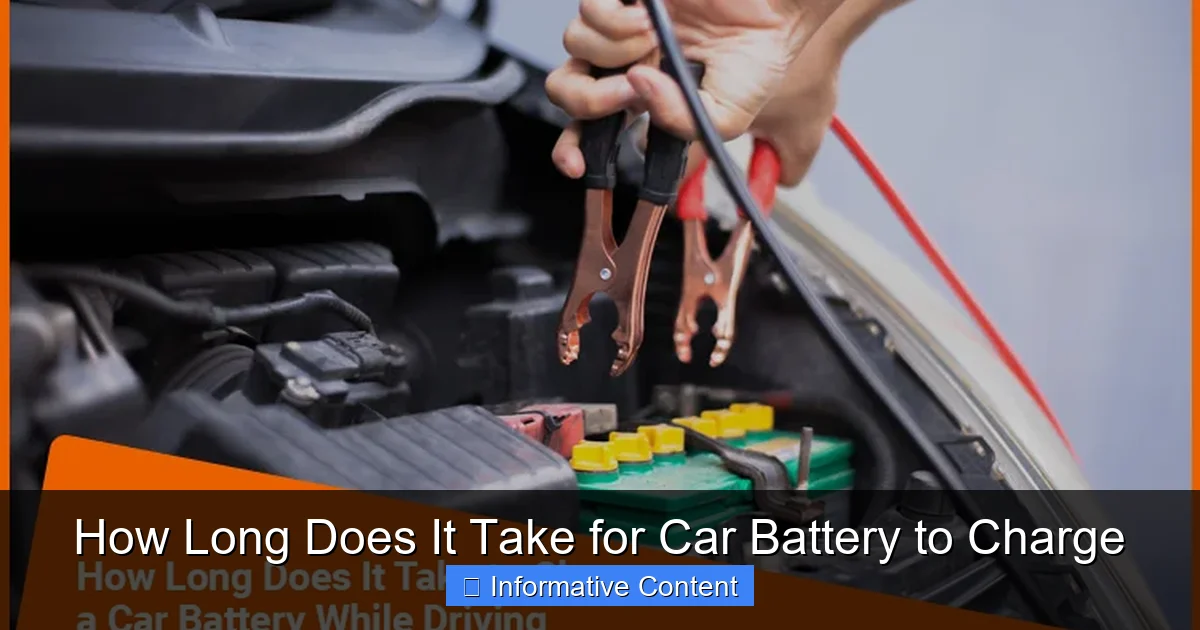
- Connect Positive (Red): Connect the red positive (+) clamp of the charger to the positive (+) terminal of your car battery.
- Connect Negative (Black): Connect the black negative (-) clamp of the charger to a clean, unpainted metal part of your car’s frame or engine block, away from the battery. This creates a ground and reduces the risk of sparking near the battery itself. *Some chargers may instruct connecting directly to the negative terminal; follow your specific charger’s manual.*
- Plug in Charger: Once the clamps are securely connected, plug the charger into an electrical outlet.
- Select Settings: If your charger has settings (e.g., 6V/12V, amperage selection, battery type), choose the appropriate ones for your car’s 12-volt battery.
Monitoring the Process
Modern smart chargers often have indicator lights or digital displays that show the charging progress. They’ll typically indicate when the battery is charging, when it’s partially charged, and when it’s fully charged. Many will automatically switch to a “float” or maintenance mode once complete, preventing overcharging.
Disconnecting Safely
Once the battery is fully charged (or you’ve reached your desired level), reverse the connection process:
- Unplug Charger: First, unplug the charger from the electrical outlet.
- Disconnect Negative (Black): Remove the black negative (-) clamp from the car’s ground point.
- Disconnect Positive (Red): Remove the red positive (+) clamp from the battery’s positive (+) terminal.
What to Do If Your Battery Won’t Hold a Charge
Sometimes, even after carefully charging, your battery doesn’t seem to hold its charge for long, or your car won’t start again shortly after. This usually indicates a deeper problem.
Testing the Battery
You can perform a few simple tests to check your battery’s health:
- Voltmeter: A fully charged 12-volt battery should read around 12.6 to 12.8 volts when the engine is off. If it reads significantly lower after charging, it might be weak.
- Load Tester: This device puts a temporary “load” on the battery to simulate starting the engine and measures its voltage output under stress. Many auto parts stores offer free battery testing.
When to Replace
If your battery is frequently dying, struggles to hold a charge, or is older than 3-5 years, it’s likely time for a replacement. A failing battery can also put extra strain on your alternator, potentially leading to more expensive repairs down the line. Investing in a new battery is often the most reliable solution for persistent starting problems.
Professional Help
If you’ve charged your battery and it still won’t start, or if you suspect an issue with your alternator or starter motor, it’s best to consult a professional mechanic. They can accurately diagnose the problem and recommend the appropriate repairs.
Understanding how long does it take for car battery to charge empowers you to make informed decisions about your vehicle’s maintenance. While the exact time varies, knowing the factors involved and how to safely use a charger ensures you can confidently tackle a dead battery situation. Remember, regular battery checks and timely maintenance can often prevent you from being stranded in the first place. So, next time your battery acts up, you’ll be well-equipped to get it back to full health and hit the road with peace of mind!
🎥 Related Video: Best battery charging hack for dead batteries!!!!
📺 10 Minute Fix
Charging a dead battery is easy. Connect them in parallel then connect the charger to the know good battery. The charger will …
Frequently Asked Questions
How often should I charge my car battery?
For most daily drivers, the car’s alternator keeps the battery charged, so manual charging isn’t often needed. If your car sits for extended periods (weeks or months), using a smart trickle charger once a month or continuously can help maintain its charge.
Can I use any battery charger for my car?
No, you should use a charger designed for 12-volt lead-acid automotive batteries. Chargers for other battery types or voltages could damage your car battery. Always check the charger’s specifications to ensure it’s compatible.
What are the signs of a failing car battery?
Common signs include slow engine cranking, dim headlights, a battery warning light on the dashboard, frequent need for jump starts, and a battery that doesn’t hold a charge for long, even after charging.
Should I disconnect the battery terminals before charging?
For routine charging, it’s often not necessary to disconnect the battery terminals, especially with modern smart chargers. However, if you are using an older, basic charger or want to completely isolate the battery to prevent potential electrical surges to your car’s electronics, disconnecting the negative terminal first can be a good precaution.
How long do car batteries typically last?
The average lifespan of a car battery is typically between 3 to 5 years. Factors like climate (extreme heat is harder on batteries than cold), driving habits, and maintenance can significantly affect its longevity.
Can a completely dead battery be fully revived?
Sometimes, yes, a completely dead battery can be revived with a proper multi-stage battery charger. However, if the battery has been dead for a long time or is very old, it might have internal damage (like sulfation) that prevents it from holding a full charge, indicating it needs replacement.