How to Disconnect Car Battery
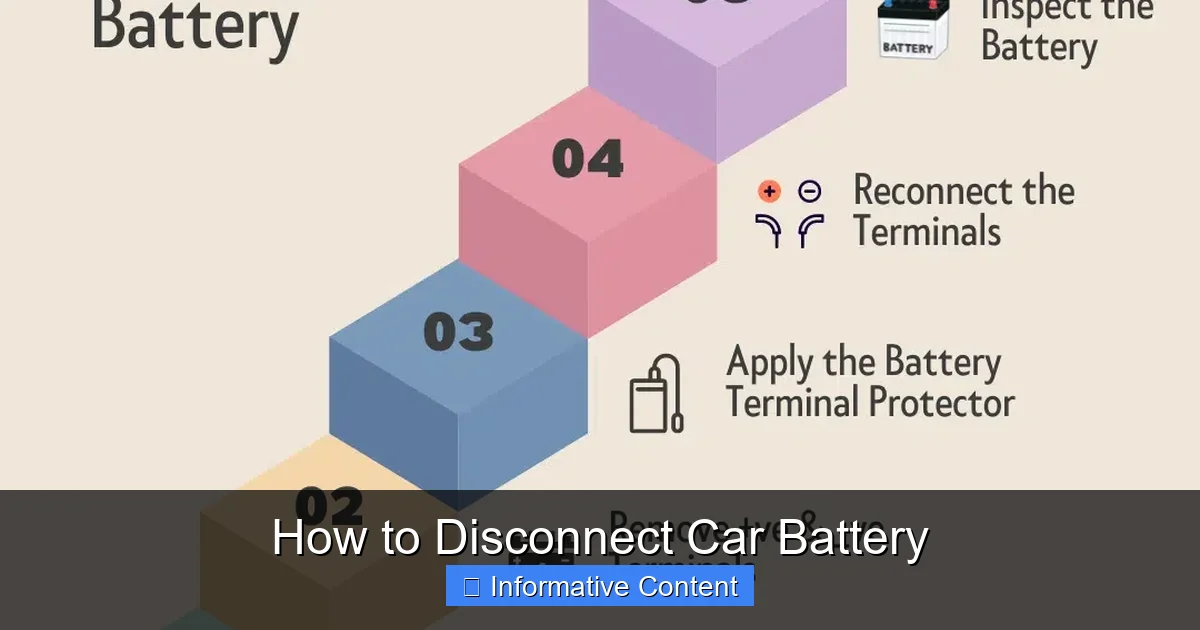
Learn how to safely disconnect a car battery with our easy-to-follow guide. Understand why, what tools you need, and essential safety tips to perform this DI…

 CBC Advisor
Learn how to safely disconnect a car battery with our easy-to-follow guide. Understand why, what tools you need, and essential safety tips to perform this DI…
A typical car battery can last anywhere from two weeks to a couple of months without charging, depending on its age, health, and environmental factors. Newer, healthy batteries in moderate conditions can hold a charge longer, while older batteries or those exposed to extreme temperatures will drain much faster due to natural self-discharge and vehicle … Read more

To use a car battery charger, you begin by ensuring a safe, well-ventilated work area and wearing protective eyewear and gloves. You then securely connect the charger’s red (positive) clamp to your battery’s positive terminal and the black (negative) clamp to a grounded metal part of your vehicle, away from the battery. After selecting the … Read more

Learning how to charge a car battery can save you from being stranded and extend your battery’s lifespan. This guide will walk you through the entire process, from understanding how batteries work to performing the charge safely and effectively. You’ll gain practical knowledge, discover essential safety tips, and learn to avoid common mistakes, ensuring your … Read more

Learning how to charge a car battery with jumper cables, more commonly known as jump-starting, is an essential skill for any driver. This comprehensive guide will walk you through the safe and correct steps, ensuring you can confidently get a stalled vehicle running again. We’ll cover everything from preparation and cable connection to crucial safety … Read more

Trickle charging a car battery means slowly feeding it a small, steady current over a long period to maintain its charge, prevent self-discharge, and extend its lifespan. This guide will walk you through the simple steps, explain why it’s beneficial, and offer practical tips to keep your battery healthy. Image source: Blogspot 📋 Table of … Read more
Using a trickle charger correctly helps maintain your car battery’s health and readiness, especially for vehicles stored or used infrequently. This comprehensive guide walks you through the straightforward process, from understanding what a trickle charger does to connecting it safely and avoiding common mistakes. You’ll learn the simple steps to ensure your battery stays charged … Read more
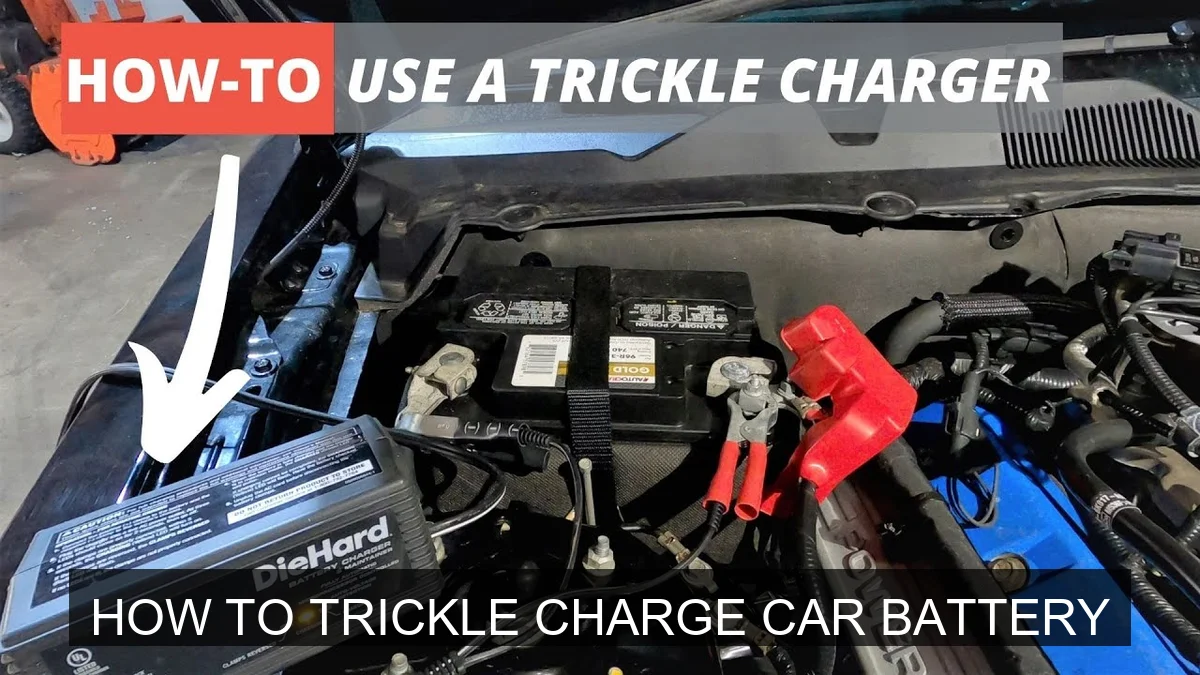
To trickle charge a car battery means slowly feeding a low, steady current into it over a long period, preventing self-discharge and maintaining its full charge. This process is ideal for batteries in vehicles stored for extended periods, helping to prolong battery life and ensure the car is ready to start when needed, all while … Read more
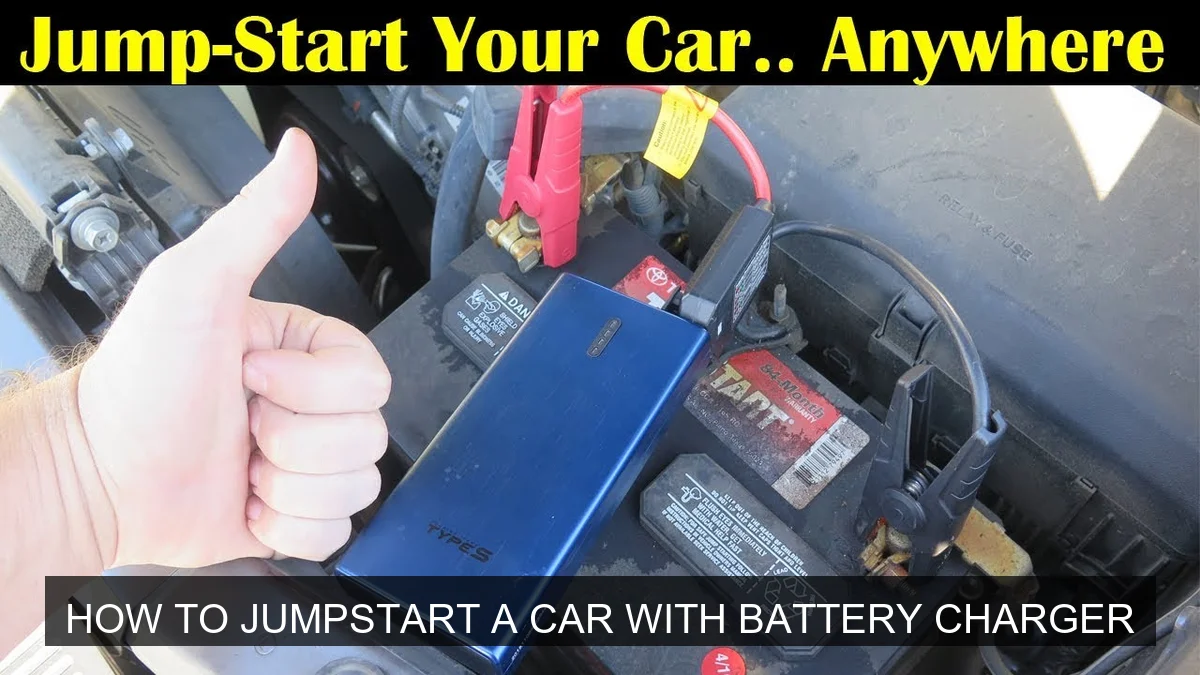
Learning how to jumpstart a car with a battery charger is a handy skill that can save you time and hassle when your car’s battery dies. This comprehensive guide will walk you through the entire process, from understanding the basics to connecting the charger safely, ensuring you can confidently get your vehicle back on the … Read more

Learning how to jump start a car with a battery charger is a handy skill that can get you back on the road when your battery dies. This guide provides clear, step-by-step instructions, essential safety tips, and common mistakes to avoid, ensuring you can confidently revive your vehicle’s power. Image source: Pexels 📋 Table of … Read more
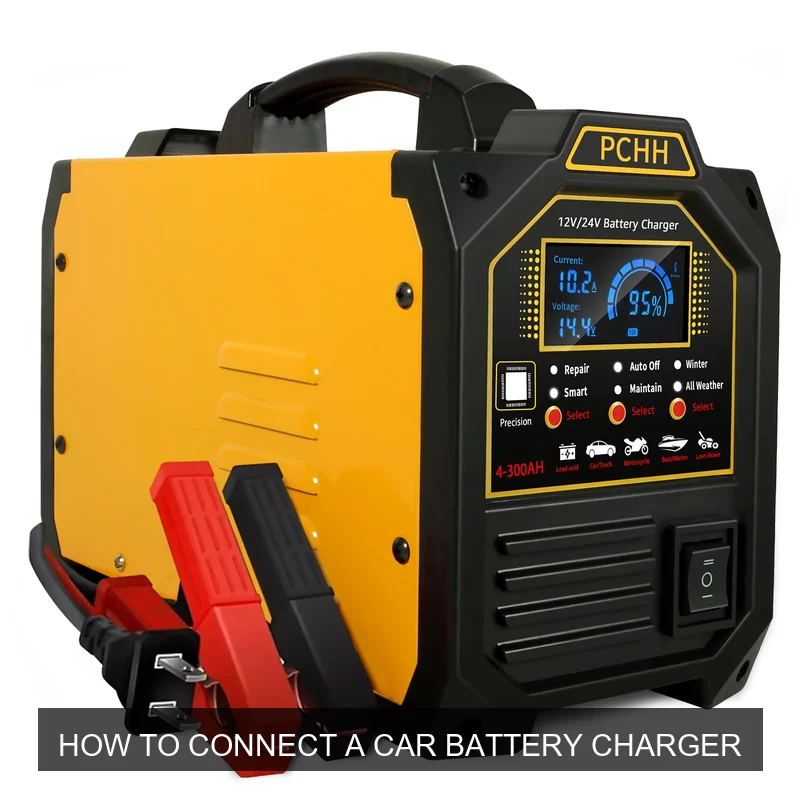
Connecting a car battery charger involves a few key steps: first, ensure safety with proper gear and a well-ventilated area. Then, turn off the charger and car. Next, securely attach the red positive clamp to the battery’s positive terminal, followed by the black negative clamp to an unpainted metal part of the car chassis, away … Read more
Connecting a car battery charger involves a few straightforward steps: first, ensure your vehicle is off and in a well-ventilated area. Then, attach the positive (red) clamp to the positive battery terminal, followed by the negative (black) clamp to a clean, unpainted metal surface on the car’s engine block or chassis, away from the battery. … Read more