Learning how to fully charge a car battery is an essential skill for any car owner, ensuring reliability and extending battery life. This comprehensive guide walks you through the safe and effective steps, explains why it’s important, and offers practical tips to maintain your battery’s health.
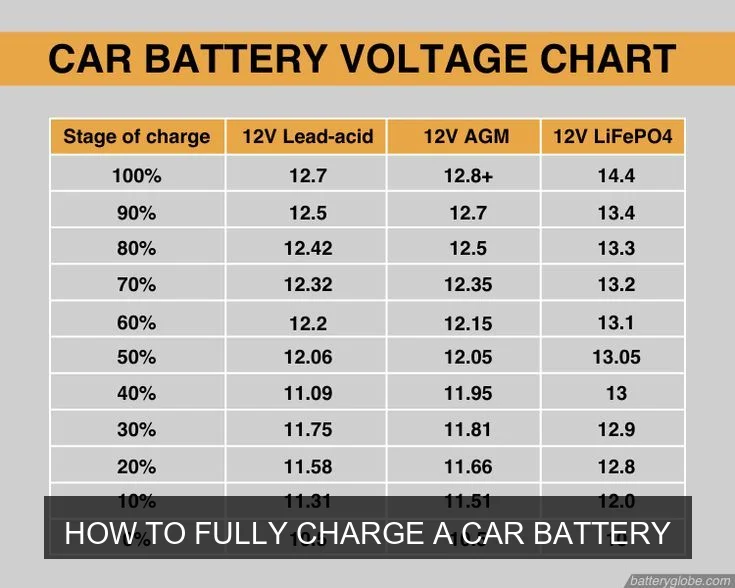
Image source: Pinimg
To fully charge a car battery, you’ll need a suitable battery charger and a safe, well-ventilated area. The process involves securely connecting the charger’s positive and negative terminals to the corresponding battery terminals, selecting the correct voltage and amperage settings, and allowing the charger to complete its cycle. Most modern “smart” chargers will automatically stop charging once the battery reaches its full capacity, typically around 12.6 to 12.8 volts when fully rested.
📋 Table of Contents
- 🔹 Introduction: Powering Up Your Ride
- 🔹 What Does “Fully Charge a Car Battery” Really Mean?
- 🔹 Why Is Fully Charging Your Car Battery Important?
- 🔹 How to Fully Charge a Car Battery: Step-by-Step Guide
- 🔹 Understanding Battery Chargers: The Right Tool for the Job
- 🔹 Is Fully Charging Always Necessary? When to Act
- 🔹 When Should You Fully Charge Your Car Battery?
- 🔹 Common Mistakes to Avoid When Charging
- 🔹 Practical Tips for Optimal Battery Health
- 🔹 Frequently Asked Questions About Car Battery Charging
- 🔹 Conclusion: Keep Your Car Powered Up
Introduction: Powering Up Your Ride
Ever hopped into your car, turned the key, and… nothing? A dead car battery is a frustrating experience, but it’s often preventable and fixable with a proper charge. Understanding how to fully charge a car battery isn’t just about getting your car started; it’s about maintaining the health and longevity of one of its most vital components.
In this guide, we’re going to dive deep into everything you need to know about charging your car battery. We’ll cover what “fully charged” actually means, why it’s so important, and a clear, step-by-step process to do it safely and effectively. We’ll also tackle common mistakes and offer practical tips to keep your battery in top shape. By the end, you’ll feel confident in your ability to keep your vehicle powered and ready to go.
What Does “Fully Charge a Car Battery” Really Mean?
When we talk about a car battery being “fully charged,” we’re generally referring to its optimal state where it has absorbed as much electrical energy as it can efficiently hold. For a standard 12-volt lead-acid car battery, this typically translates to a resting voltage of about 12.6 to 12.8 volts. It’s important to measure this voltage after the battery has rested for several hours, ideally overnight, to get an accurate reading free from “surface charge.”
What is how to fully charge a car battery? It’s the process of restoring a car battery to its maximum electrical capacity through the controlled application of external electrical current. This ensures it can deliver the necessary power for starting the engine and supporting the vehicle’s electrical systems.
Beyond voltage, another indicator of a fully charged conventional lead-acid battery is the specific gravity of its electrolyte. When fully charged, the specific gravity should be around 1.265 to 1.299 at 80°F (27°C) in each cell. However, this measurement often requires specialized tools and is more commonly done by professionals or for specific battery maintenance.
Different battery types, like AGM (Absorbent Glass Mat) or Gel batteries, also aim for this full charge state but might have slightly different voltage thresholds or charging requirements. Always check your battery’s specifications if you’re unsure.
Why Is Fully Charging Your Car Battery Important?
Keeping your car battery fully charged offers several significant benefits that go beyond just getting your engine to turn over. It’s a crucial part of preventative maintenance that can save you time, money, and hassle.
Why is how to fully charge a car battery important? A fully charged battery ensures reliable vehicle starts, extends the battery’s lifespan by preventing sulfation, and guarantees optimal performance for all electronic components in your car. It’s fundamental for maintaining a healthy electrical system.
- Reliable Starting Power: The most obvious benefit. A fully charged battery provides the strong burst of electricity needed to crank your engine, especially in cold weather.
- Extended Battery Lifespan: Car batteries are designed to be kept at a high state of charge. When a battery is repeatedly allowed to drain significantly and then only partially recharged, it can lead to a condition called sulfation. This is when sulfate crystals build up on the lead plates, reducing the battery’s capacity and overall life. Full charges help prevent this.
- Optimal Electrical System Performance: Your car’s various electronic systems, from the radio to the navigation, rely on a stable power supply. A healthy battery helps ensure these systems function correctly without strain on the alternator.
- Prevents Deep Discharge Damage: Letting a battery drain completely can cause irreversible damage, shortening its life dramatically. Fully charging it regularly prevents these deep discharge cycles.
How to Fully Charge a Car Battery: Step-by-Step Guide
Charging a car battery is a straightforward process, but it requires careful attention to safety and proper steps. Let’s walk through how to fully charge a car battery safely and effectively.
Safety is Key
Before you begin, remember that car batteries contain corrosive acid and produce flammable hydrogen gas. Always prioritize safety:
- Wear safety glasses and gloves.
- Work in a well-ventilated area to disperse hydrogen gas.
- Avoid sparks, open flames, or smoking near the battery.
- Ensure your vehicle is off and in park/neutral with the parking brake engaged.
Gather Your Supplies
You’ll need a few things:
- A suitable car battery charger (we’ll discuss types next).
- Safety glasses and gloves.
- A wire brush (optional, for cleaning terminals).
- Baking soda and water solution (optional, for cleaning corrosion).
Steps to Fully Charge Your Car Battery:
Prepare the Battery:
- Pop the hood of your car.
- If necessary, use a wrench to loosen and remove the negative (black, “-“) cable from the battery terminal first, then the positive (red, “+”) cable. This step is crucial if you’re removing the battery from the car or if your charger instructions recommend disconnecting it. For simply charging in the car, some chargers allow direct connection, but disconnecting the negative terminal is a good safety precaution to prevent accidental shorts.
- Inspect the battery terminals. If they have corrosion (a white or bluish powdery substance), clean them with a wire brush and a baking soda/water mixture. Rinse with clean water and dry thoroughly.
Connect the Charger:
- Ensure the battery charger is turned OFF or unplugged from the wall outlet.
- Connect the red (positive, “+”) clamp of the charger to the positive (+) terminal of the battery.
- Connect the black (negative, “-“) clamp of the charger to the negative (-) terminal of the battery. If the battery is still in the car, and you haven’t disconnected the negative terminal, you can often connect the negative clamp to an unpainted metal part of the car chassis away from the battery. However, connecting directly to the negative terminal is generally fine with modern smart chargers.
- Double-check that the clamps are securely attached and not touching any other metal parts.
Set the Charger:
- Plug the charger into a wall outlet.
- Refer to your charger’s manual. Most modern chargers are “smart” and will detect the battery type and charge level automatically.
- If your charger has settings, choose the appropriate voltage (usually 12V for car batteries) and charge rate (amperage). A lower amperage setting (e.g., 2-10 amps) is generally better for a slower, more thorough charge that’s gentler on the battery, especially if it’s deeply discharged.
Monitor the Charge:
- Turn on the battery charger.
- Many chargers have indicator lights or a screen that shows the charging progress.
- Allow the battery to charge. The time it takes depends on the battery’s state of discharge and the charger’s amperage output. It can range from a few hours for a slightly depleted battery to 12-24 hours or more for a deeply discharged one.
- Smart chargers will automatically switch to a “float” or “maintenance” mode once the battery is fully charged, preventing overcharging.
Disconnect the Charger:
- Once the charger indicates the battery is fully charged (or switches to maintenance mode), turn the charger OFF or unplug it from the wall first.
- Remove the negative (black) clamp from the battery (or chassis).
- Remove the positive (red) clamp from the battery.
Reconnect the Battery (if disconnected):
- If you removed the battery or disconnected the cables, reconnect the positive (red, “+”) cable first, then the negative (black, “-“) cable. Ensure connections are tight.
How does how to fully charge a car battery work? A battery charger works by supplying a controlled direct current (DC) to the battery. This current reverses the chemical reaction that occurs during discharge, converting lead sulfate back into lead and lead dioxide, and restoring the sulfuric acid concentration, thereby replenishing the battery’s stored electrical energy.
Understanding Battery Chargers: The Right Tool for the Job
Not all battery chargers are created equal. Using the right type is crucial for effectively and safely charging your car battery:
- Trickle Chargers: These deliver a very low, constant current (usually 1-2 amps). They are slow and ideal for maintaining a battery over long periods, but can take a very long time to fully charge a deeply depleted battery. Older models might overcharge if left connected indefinitely.
- Smart Chargers (Maintainers/Float Chargers): These are generally the best choice for car batteries. They monitor the battery’s voltage and adjust the charging current as needed. Once the battery is full, they switch to a “float” or “maintenance” mode, providing just enough current to keep it topped off without overcharging. They’re safe to leave connected for extended periods.
- Standard Chargers: These offer various amperage settings (e.g., 2A, 10A, 20A). While they can charge faster than trickle chargers, you must monitor them to prevent overcharging once the battery is full.
- Jump Starters/Rapid Chargers: These are designed to deliver a high burst of current to jump-start a car or quickly charge a battery. While convenient for emergencies, they aren’t ideal for a full, deep charge as the high current can stress the battery. They are not recommended for routine full charging.
For a full and healthy charge, a “smart charger” or “battery maintainer” is typically the safest and most effective option, especially if you plan to leave it connected for a while.
Is Fully Charging Always Necessary? When to Act
You might wonder if a full charge is always the answer every time your car struggles to start. The truth is, it depends on the situation. While a full charge is almost always beneficial, it’s not the solution for every battery issue.
Is how to fully charge a car battery necessary? It is necessary when a battery is significantly discharged, after being deeply drained, or before storing a vehicle for an extended period. For minor power dips or occasional slow starts, a full charge helps restore optimal health and prevent long-term damage.
- Deep Discharge: If your battery is completely dead (e.g., you left your lights on overnight), a full charge is absolutely necessary to bring it back to life and prevent permanent damage.
- Infrequent Use: Cars that sit for long periods, like classic cars or seasonal vehicles, benefit greatly from regular full charges to counteract the natural self-discharge and parasitic drains.
- Preventative Maintenance: Regularly fully charging your battery, especially if you primarily make short trips, helps maintain its overall health and extends its service life. Short trips don’t always allow the alternator enough time to fully recharge the battery.
- Not always for a simple jump start: If your car just needs a quick jump to get going, and you plan on driving it for an extended period afterward, that drive might be enough to top off a slightly depleted battery. However, a full charge from a dedicated charger is always more thorough.
If your battery repeatedly drains or won’t hold a charge even after a full charge, it might be a sign that the battery is old and needs to be replaced, or there’s an issue with your car’s charging system (like a faulty alternator).
When Should You Fully Charge Your Car Battery?
Knowing when to top off your battery can be just as important as knowing how.
When should how to fully charge a car battery be used? It should be used after a significant discharge event (like leaving lights on), before storing a vehicle for an extended period, if the car is used infrequently, or if a battery’s resting voltage drops below 12.4 volts.
Here are some common scenarios where a full charge is highly recommended:
- After a Jump Start: While a jump start gets your engine running, it doesn’t fully recharge your battery. The alternator is designed to maintain a charge, not to fully replenish a deeply discharged battery. Always follow a jump start with a full charge from a dedicated charger.
- Before Long-Term Storage: If you’re going to store your vehicle for weeks or months, a fully charged battery will suffer less damage from self-discharge and parasitic drains. Using a smart maintainer during storage is even better.
- Infrequent Driving: If you only drive short distances or infrequently, your alternator might not have enough time to fully recharge the battery. A periodic full charge helps keep it healthy.
- Slow Cranking: If your engine sounds sluggish or takes longer to start, it’s a good indicator your battery might be low and could benefit from a full charge.
- Low Voltage Readings: Using a voltmeter, check your battery’s resting voltage. If it’s consistently below 12.4 volts, it’s time for a full charge.
| Battery State of Charge | Resting Voltage (Approx.) | Action Recommended |
|---|---|---|
| 100% Fully Charged | 12.6V – 12.8V | Optimal. No action needed. |
| 75% Charged | 12.4V – 12.5V | Consider charging if not driven regularly. |
| 50% Charged | 12.2V – 12.3V | Charge immediately to prevent damage. |
| 25% Charged | 12.0V – 12.1V | Deeply discharged. Charge urgently; may need replacement soon. |
| 0% Dead | Below 12.0V | May not accept a charge or be permanently damaged. |
Common Mistakes to Avoid When Charging
Even with good intentions, mistakes can happen. Avoiding these common errors will make your battery charging experience safer and more effective:
- Ignoring Safety Precautions: Skipping safety glasses, gloves, or working in a poorly ventilated area can lead to serious injury from acid or explosive gases.
- Incorrect Clamp Connection: Connecting the positive clamp to the negative terminal, or vice-versa (reverse polarity), can damage the battery, charger, or even your car’s electronics. Always double-check!
- Overcharging: While modern smart chargers prevent this, older or basic chargers can overcharge a battery if left connected too long. Overcharging boils off the electrolyte, warps plates, and significantly shortens battery life.
- Using the Wrong Charger Type: A high-amperage rapid charger is great for a quick jump but isn’t ideal for a slow, deep, and healthy full charge. Likewise, a tiny trickle charger won’t quickly restore a deeply depleted battery.
- Charging a Damaged Battery: If a battery is physically damaged (cracked case, leaking) or extremely swollen, do not attempt to charge it. It’s a fire hazard and should be handled by a professional.
- Not Cleaning Terminals: Corrosion can impede the flow of current, making charging less efficient and potentially giving you a false reading of the battery’s true state.
Practical Tips for Optimal Battery Health
Beyond just knowing how to fully charge a car battery, adopting good habits can significantly prolong its life and reliability.
- Regular Voltage Checks: Use a simple voltmeter to check your battery’s resting voltage once a month, especially if you don’t drive frequently.
- Keep Terminals Clean: Periodically inspect and clean battery terminals to ensure a strong connection and prevent corrosion buildup.
- Drive Regularly and for Longer Durations: Short trips don’t allow the alternator enough time to fully replenish the battery. Try to take longer drives when possible.
- Limit Parasitic Drains: Make sure lights are off, doors are fully closed, and accessories are unplugged when the car is off. Even small draws can deplete a battery over time.
- Insulate in Extreme Cold: In very cold climates, a battery blanket or insulating cover can help the battery retain its charge better.
- Consider a Battery Maintainer for Storage: If you have a vehicle that sits for weeks or months, a smart battery maintainer is an excellent investment to keep the battery topped off.
- Know Your Battery’s Age: Car batteries typically last 3-5 years. If yours is older, it might be more prone to losing charge quickly.
Frequently Asked Questions About Car Battery Charging
How long does it take to fully charge a car battery?
The charging time varies widely based on the battery’s initial state of charge, its capacity (measured in Amp-hours), and the output amperage of your charger. A slightly depleted battery might take 2-6 hours with a 10-amp charger, while a deeply discharged battery could take 12-24 hours or more, especially with a lower-amperage charger.
Can I overcharge my car battery?
Yes, older or basic chargers can overcharge a battery if left connected too long, especially at higher amperage settings. This can damage the battery by boiling off its electrolyte and warping the internal plates. Modern “smart” chargers are designed to prevent overcharging by switching to a maintenance or float mode once the battery is full.
Can I charge my car battery while it’s still in the car?
Yes, you can. It’s often the most convenient way. For safety, it’s generally recommended to at least disconnect the negative battery cable from the car’s electrical system before charging to prevent any potential damage to the vehicle’s electronics, though many modern chargers are safe enough for direct connection without disconnection.
What’s the difference between a “dead” battery and a “low” battery?
A “low” battery still has some charge but not enough to reliably start the car, typically reading above 12.0 volts but below 12.4 volts. A “dead” battery has almost no charge, often reading below 12.0 volts, and may struggle to accept or hold a charge, sometimes indicating permanent damage.
What voltage is a fully charged car battery?
A fully charged 12-volt car battery, when rested for several hours, should typically read between 12.6 and 12.8 volts. Readings above 12.8 volts immediately after charging might indicate a “surface charge” that will dissipate after a short rest.
Conclusion: Keep Your Car Powered Up
Understanding how to fully charge a car battery is a fundamental aspect of vehicle maintenance that empowers you to take control of your car’s reliability. By following the proper safety precautions and steps, using the right equipment, and recognizing when a full charge is necessary, you can significantly extend your battery’s life and avoid the inconvenience of a dead car.
Remember, a healthy battery isn’t just about starting your car; it’s about ensuring all your vehicle’s electrical systems run smoothly. Make regular battery checks and proper charging a part of your routine, and you’ll enjoy many more miles of trouble-free driving.