
How to Charge Your Car Battery with a Charger: A Complete Guide

Learning how to charge a car battery with a charger is a valuable skill for any car owner, ensuring you can revive a drained battery safely and efficiently. This guide walks you through the entire process, from understanding your charger to connecting it properly and taking essential safety precautions, helping you maintain your vehicle’s reliability and extend battery life.
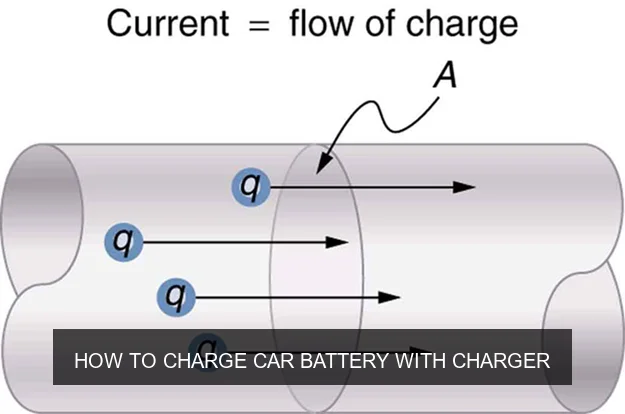
Image source: Bccampus
📋 Table of Contents
- 🔹 Introduction: Reviving Your Car Battery
- 🔹 What is Charging a Car Battery with a Charger?
- 🔹 Why is Charging Your Car Battery Important?
- 🔹 How Does a Car Battery Charger Work?
- 🔹 Understanding Different Types of Car Battery Chargers
- 🔹 Safety First: Essential Precautions Before You Begin
- 🔹 Step-by-Step Guide: How to Charge Your Car Battery with a Charger
- 🔹 When Should You Charge Your Car Battery?
- 🔹 Common Mistakes to Avoid When Charging a Car Battery
- 🔹 Practical Tips for Battery Charging Success
- 🔹 Benefits of Proper Battery Charging
- 🔹 Frequently Asked Questions (FAQs)
- 🔹 Conclusion: Keep Your Car Moving
Introduction: Reviving Your Car Battery
Ever walked out to your car, turned the key, and heard nothing but a click or a weak whirring sound? A dead car battery is a frustrating experience, but it doesn’t have to mean calling for a tow. Knowing how to charge a car battery with a charger is a super handy skill that can save you time, money, and hassle.
This article is your friendly guide to understanding and performing this essential car maintenance task. We’ll cover everything from what happens inside the battery to the step-by-step process of using a charger safely and effectively. By the end, you’ll feel confident tackling a dead battery yourself, helping to keep your vehicle running smoothly.
What is Charging a Car Battery with a Charger?
Charging a car battery with a charger means using an external device to restore electrical energy to the battery, allowing it to power your car’s starter motor and electrical systems again. It’s like giving your battery a much-needed “recharge” when its internal chemical reactions have become too depleted to function properly.
The charger connects directly to the battery’s terminals and delivers a controlled flow of electricity, reversing the chemical process that occurred when the battery discharged. This process brings the battery back to its optimal charge level, ready to start your engine and support your vehicle’s electrical needs.
Why is Charging Your Car Battery Important?
Charging your car battery isn’t just about getting your car to start after it dies; it’s a crucial part of routine maintenance that offers several benefits:
- Prevents Stranding: A properly charged battery ensures your car starts reliably, especially in cold weather or after periods of inactivity.
- Extends Battery Life: Consistently keeping your battery adequately charged can significantly prolong its overall lifespan. Deep discharges and prolonged states of low charge are very detrimental to battery health.
- Maintains System Performance: A strong battery supports all your car’s electrical components, from the lights and radio to the engine control unit, ensuring they operate as intended.
- Saves Money: Regular charging can help you avoid the cost of premature battery replacement or emergency roadside assistance.
- Better for the Environment: Extending the life of your battery means fewer batteries end up in landfills, reducing waste and the demand for new manufacturing.
How Does a Car Battery Charger Work?
A car battery charger fundamentally works by converting AC (alternating current) electricity from a wall outlet into DC (direct current) electricity, which is what your car battery needs. Here’s a simplified breakdown:
- Rectification: The charger takes the incoming AC power and converts it into DC power using a component called a rectifier.
- Voltage and Current Regulation: It then regulates this DC power to the correct voltage and current levels suitable for charging your car battery. Most car batteries are 12-volt, so the charger typically outputs around 13.8 to 14.4 volts.
- Delivery to Battery: This regulated DC current is sent through the charger’s cables and clamps to your car battery’s terminals.
- Chemical Reversal: Inside the battery, the electrical current reverses the chemical reaction that occurs during discharge. Lead sulfate crystals, which form on the battery plates during discharge, are converted back into lead dioxide and pure lead, while the sulfuric acid electrolyte is regenerated.
- Monitoring (Smart Chargers): Many modern “smart” chargers constantly monitor the battery’s voltage and adjust the charging rate. They can detect when the battery is full and switch to a “float” or maintenance mode to prevent overcharging.
Essentially, the charger pushes electricity back into the battery, making it ready to deliver power again.
Understanding Different Types of Car Battery Chargers
Not all battery chargers are the same. Knowing the common types can help you understand their features and uses:
- Trickle Chargers: These deliver a very low, constant current (typically 1-2 amps) over a long period. They’re good for maintaining a fully charged battery or slowly recharging a deeply discharged one without risking overcharging. They often lack advanced safety features.
- Maintainers (Float Chargers): Similar to trickle chargers but often more advanced, maintainers monitor the battery’s charge and only supply current when needed to keep it at full capacity. They’re ideal for vehicles stored for extended periods, like classic cars or motorcycles.
- Standard Chargers: These offer a faster charge rate than trickle chargers, often ranging from 4-10 amps. They’re suitable for bringing a moderately discharged battery back to life. Some have automatic shut-off features, while older ones might require manual monitoring.
- Smart Chargers (Automatic Chargers): These are the most common and recommended type. They feature microprocessors that monitor the battery’s state, automatically adjusting voltage and current through various charging stages (desulfation, bulk, absorption, float). They prevent overcharging and often have modes for different battery types (e.g., AGM, gel).
- Jump Starters/Portable Power Packs: While not designed for full charging, these devices provide a quick burst of power to start a dead car. Some also include a low-amperage charging function.
Safety First: Essential Precautions Before You Begin
Working with car batteries and electricity requires careful attention to safety. Don’t skip these crucial steps:
- Wear Protective Gear: Always use safety glasses and gloves. Batteries contain corrosive sulfuric acid, and charging can produce explosive hydrogen gas.
- Work in a Well-Ventilated Area: Charging batteries can release hydrogen gas, which is highly flammable. Ensure you’re in an open area or a garage with good airflow to disperse these gases.
- Turn Off the Car and Accessories: Make sure your car’s ignition is off and all accessories (lights, radio, air conditioning) are turned off to prevent sparks and accidental draining.
- Remove Jewelry: Metal jewelry can conduct electricity and cause severe burns if it accidentally touches battery terminals.
- Read Your Charger’s Manual: Every charger is a bit different. Always consult the manufacturer’s instructions for specific operating procedures and safety warnings.
- Check Battery Condition: Inspect the battery for any cracks, leaks, or swelling. Do not attempt to charge a damaged battery, as it could be extremely dangerous.
- Ensure Terminal Cleanliness: Corroded terminals can impede charging. Clean them with a wire brush if necessary.
- Keep Flames Away: No smoking, open flames, or sparks near the battery during charging due to the potential presence of hydrogen gas.
Step-by-Step Guide: How to Charge Your Car Battery with a Charger
Here’s a detailed guide on how to charge your car battery:
1. Preparation
- Locate the Battery: Most car batteries are under the hood, but some might be in the trunk or under the rear seat. Consult your car’s owner’s manual if you can’t find it.
- Park Safely: Ensure your car is on a level surface with the parking brake engaged.
- Clean Terminals (if needed): If you see white, blue, or green powdery corrosion on the battery terminals, gently clean it off with a wire brush and a mixture of baking soda and water (1 tablespoon baking soda per 1 cup water). Rinse with plain water and dry thoroughly.
- Remove Battery Caps (if applicable): If your battery has removable caps (not all do, especially maintenance-free batteries), twist them off to allow gases to escape. Do not overfill cells if checking electrolyte levels.
2. Connecting the Charger
- Connect Positive (Red) Clamp: Attach the red positive (+) charger clamp to the positive (+) terminal on your car battery. The positive terminal is usually larger and marked with a plus sign.
- Connect Negative (Black) Clamp: Attach the black negative (-) charger clamp to a grounded, unpainted metal part of your car’s chassis or engine block, away from the battery itself and any fuel lines. This helps prevent sparks near the battery, which could ignite hydrogen gas. Do not connect the negative clamp directly to the negative battery terminal unless your charger’s manual specifically instructs you to, especially if charging the battery while it’s still in the car. If you’ve removed the battery from the car, connect the black clamp to the negative terminal directly.
- Plug in the Charger: Only after both clamps are securely connected should you plug the charger into a wall outlet.
3. Charging Process
- Select Settings: If your charger has settings for battery type (e.g., standard, AGM, gel) or charge rate (amps), select the appropriate ones according to your battery and the charger’s manual. For a standard 12V lead-acid battery, a common setting is 2-10 amps for a slow charge, or a higher amperage for a faster charge (if supported by your battery and charger).
- Monitor Charging:
- Smart Chargers: These will typically run through their charging stages automatically and indicate when the battery is full. You might see lights change from red to yellow to green.
- Manual Chargers: You’ll need to monitor the voltage with a multimeter or check for boiling sounds (which indicate full charge but can also indicate overcharging if left too long). Be very careful with manual chargers and avoid overcharging.
- Charging Time: The time it takes to charge varies greatly depending on the battery’s discharge level, its capacity, and the charger’s output. A completely dead battery might take 12-24 hours or even longer on a low-amp charger. A slightly drained battery might only take a few hours.
4. Disconnecting
Once the charger indicates the battery is fully charged (or you’ve determined it’s complete with a manual charger):
- Unplug the Charger: First, unplug the charger from the wall outlet. This is crucial to prevent sparks when disconnecting from the battery.
- Remove Negative (Black) Clamp: Disconnect the black negative (-) clamp from the car’s chassis or the battery’s negative terminal.
- Remove Positive (Red) Clamp: Disconnect the red positive (+) clamp from the battery’s positive terminal.
- Replace Caps (if applicable): If you removed the battery caps, replace them securely.
- Start Your Car: You should now be able to start your car. If it doesn’t start, the battery might be too old, damaged, or there could be another issue with your car.
When Should You Charge Your Car Battery?
Knowing when to charge can keep your battery healthy and prevent inconvenient breakdowns. Here are some scenarios:
- Slow Engine Crank: If your engine turns over slowly or hesitates before starting, it’s a clear sign your battery is low on charge.
- After Short Trips: If you frequently make short drives, especially in stop-and-go traffic, your alternator might not have enough time to fully recharge the battery.
- After Leaving Lights On: Accidentally leaving headlights or interior lights on can quickly drain a battery.
- Vehicle Storage: If you’re storing a vehicle for weeks or months (e.g., a classic car, RV, or motorcycle), a battery maintainer is essential to prevent discharge.
- Cold Weather: Batteries lose capacity in cold temperatures. Charging before a cold snap can help ensure reliable starts.
- Low Voltage Reading: If a multimeter shows your 12-volt battery below 12.4 volts when the car is off, it needs charging.
Common Mistakes to Avoid When Charging a Car Battery
Even a simple task like charging a battery can go wrong if you’re not careful. Watch out for these common errors:
- Ignoring Safety Precautions: Skipping safety glasses, gloves, or working in a poorly ventilated area is incredibly risky due to corrosive acid and explosive gases.
- Incorrect Clamp Connection: Connecting the positive clamp to the negative terminal or vice-versa can cause serious damage to the battery, charger, and even the car’s electrical system, and can create sparks.
- Plugging in Charger Before Connecting Clamps: Always connect the clamps to the battery first, then plug the charger into the wall. This minimizes the risk of sparks at the battery terminal.
- Overcharging: Leaving a manual charger on too long can boil the battery’s electrolyte, damage its internal components, and shorten its lifespan. Smart chargers are designed to prevent this, but manual chargers require attention.
- Undercharging: Not charging the battery long enough leaves it partially discharged, which can lead to sulfation and reduce battery life over time.
- Charging a Damaged Battery: Attempting to charge a cracked, leaking, or swollen battery is very dangerous and can lead to explosion or acid exposure.
- Charging in a Closed Space: Hydrogen gas produced during charging needs to dissipate, so good ventilation is key.
- Not Checking Battery Type: Using the wrong charging mode (e.g., standard lead-acid mode for an AGM battery) can damage the battery.
Practical Tips for Battery Charging Success
Boost your battery charging efforts with these helpful tips:
- Read Your Car’s Manual: Some modern vehicles have specific procedures or designated grounding points for charging or jump-starting. Always check.
- Invest in a Smart Charger: If you plan to charge batteries regularly, a smart, automatic charger is much safer and more effective. It handles the complex charging stages for you.
- Clean Terminals Regularly: Preventative cleaning of battery terminals (even when not charging) ensures good conductivity and helps extend battery life.
- Test Battery Voltage: A simple multimeter can tell you the battery’s exact voltage. A fully charged 12V battery should read around 12.6-12.8 volts when the car is off.
- Charge a Disconnected Battery for Long-Term Storage: If you’re storing a car for a very long time, consider removing the battery and charging it separately with a maintainer.
- Avoid Deep Discharges: Try not to let your battery go completely dead too often. Each deep discharge shortens its life.
- Consider Battery Age: Car batteries typically last 3-5 years. If your battery is older and frequently needs charging, it might be time for a replacement.
Benefits of Proper Battery Charging
Properly charging your car battery with a dedicated charger offers several advantages beyond just getting your car to start:
| Benefit Category | Explanation |
|---|---|
| Reliability | Ensures consistent engine starting, even in challenging conditions like extreme cold. |
| Extended Lifespan | Prevents premature battery failure caused by deep discharges and sulfation, saving replacement costs. |
| Optimal Performance | Supports all electrical components, ensuring lights are bright, electronics function correctly, and the starter motor receives full power. |
| Cost Savings | Reduces the need for jump-starts, towing services, and frequent battery replacements. |
| Environmental Impact | Longer battery life means less waste and fewer resources consumed in manufacturing new batteries. |
Frequently Asked Questions (FAQs)
How long does it take to charge a car battery with a charger?
The charging time depends on several factors: how discharged the battery is, its capacity (measured in Amp-hours), and the charger’s output amperage. A completely dead battery could take anywhere from 4 to 24 hours or even longer with a low-amp trickle charger. A smart charger will typically indicate when the battery is full.
Can I leave a car battery charger on overnight?
If you have a smart charger or battery maintainer, yes, you can typically leave it on overnight or even for extended periods, as these devices automatically stop charging when the battery is full and switch to a maintenance (float) mode to prevent overcharging. If you have an older, manual charger, you should not leave it on overnight without monitoring, as it can overcharge and damage the battery.
Do I need to disconnect the car battery before charging?
Not always. Many modern chargers are designed to safely charge a battery while it’s still connected to the car. However, some car manufacturers recommend disconnecting the negative terminal first to protect sensitive electronics, especially with older or less sophisticated chargers. Always consult your car’s owner’s manual and the charger’s instructions. If you’re unsure, disconnecting the negative terminal is generally the safest approach.
What does a car battery charger do if the battery is fully charged?
A smart car battery charger will sense that the battery is fully charged and automatically switch from its “bulk charge” mode to a “float” or “maintenance” mode. In this mode, it supplies a very low, constant voltage to simply maintain the battery’s charge, preventing self-discharge without overcharging it. Simpler, non-automatic chargers might continue to charge, potentially overcharging and damaging the battery.
Can I charge my car battery too fast?
Yes, charging a car battery too fast can damage it. High amperage charging creates excessive heat and can cause the battery’s electrolyte to boil, shortening its lifespan and potentially causing internal damage. Most car batteries benefit from a slower, more controlled charge. Stick to the charging rates recommended by your battery and charger manufacturers.
Conclusion: Keep Your Car Moving
Learning how to charge a car battery with a charger is a fundamental skill for any vehicle owner. It’s not just about solving an immediate problem; it’s about proactively maintaining your car’s health and ensuring reliable performance. By understanding the types of chargers, following crucial safety steps, and knowing the proper connection and disconnection procedures, you can confidently revive a dead battery and extend its life.
Remember, safety always comes first. Always wear protective gear, ensure good ventilation, and follow the specific instructions for your car and charger. With a little knowledge and preparation, you’ll be well-equipped to keep your car starting strong and avoid unexpected roadside headaches. Happy driving!