
How to Charge Your Car Battery While It’s Still in the Car

Learning how to charge your car battery in the car is a practical skill that helps maintain your vehicle’s reliability and extends battery life. This guide will walk you through the essential steps, safety precautions, and vital tips to safely and effectively recharge your car’s power source without needing to remove it. You’ll discover the simple process to keep your car starting strong every time.
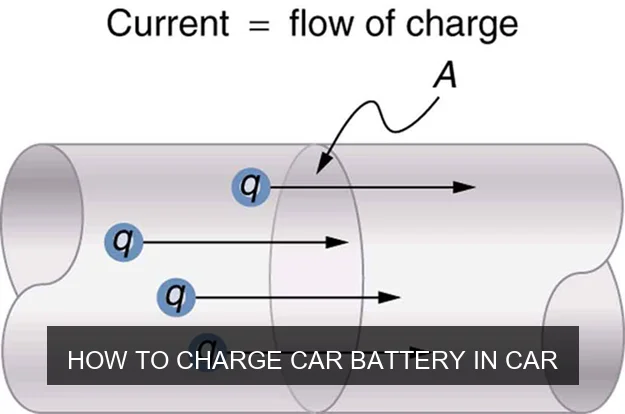
Image source: Bccampus
📋 Table of Contents
- 🔹 What Does It Mean to Charge Your Car Battery in the Car?
- 🔹 Why You Might Need to Charge Your Car Battery (Still in the Car)
- 🔹 The Essentials: What You’ll Need Before You Start
- 🔹 Step-by-Step Guide: How to Charge Your Car Battery in the Car
- 🔹 Understanding How Car Battery Charging Works
- 🔹 Benefits of Charging Your Car Battery Regularly
- 🔹 Common Mistakes to Avoid When Charging Your Car Battery
- 🔹 Practical Tips for Car Battery Maintenance and Charging
- 🔹 FAQs About Charging Your Car Battery in the Car
- 🔹 Conclusion: Keeping Your Car Ready to Go
What Does It Mean to Charge Your Car Battery in the Car?
Charging your car battery in the car means you’re using a dedicated battery charger to restore power to your vehicle’s 12-volt battery while it remains connected within the engine bay. This process is different from jump-starting, which uses another car’s battery to provide an immediate boost. Instead, charging involves a slower, controlled flow of electricity to fully rejuvenate the battery, enhancing its performance and lifespan.
Why You Might Need to Charge Your Car Battery (Still in the Car)
There are several reasons why your car battery might lose its charge, making an in-car charge a smart solution. It’s a common situation many drivers face, and knowing how to handle it can save you time and hassle.
Why Charging Your Car Battery Matters
Your car battery is a vital component, providing the initial burst of power to start the engine and supplying electricity to various systems when the engine isn’t running. When it gets weak, you’ll notice slow cranking or, worse, no start at all. Charging it proactively helps you avoid being stranded.
- Infrequent Driving: Cars left unused for long periods often develop weak batteries because electronics in the car still draw a small amount of power.
- Short Trips: If you only make short drives, your alternator might not have enough time to fully recharge the battery after starting the engine.
- Left Lights On: Accidentally leaving headlights or interior lights on can drain a battery quickly.
- Cold Weather: Extreme cold significantly reduces battery efficiency, making it harder for the battery to hold a charge and deliver power.
- Aging Battery: Batteries naturally degrade over time. Regular charging can help extend the life of an older battery, although eventually, it will need replacement.
Is Charging a Car Battery in the Car Necessary?
Yes, charging your car battery in the car can definitely be necessary and beneficial. It’s especially useful if your battery isn’t completely dead but just low on charge, or if you want to perform regular maintenance to keep it in top condition. This approach helps prevent total discharge, which can damage the battery and shorten its overall lifespan. Think of it as giving your battery a steady meal rather than a quick sugar rush.
The Essentials: What You’ll Need Before You Start
Before you begin the charging process, gathering the right tools and understanding safety precautions is really important. Having everything at hand will make the job smoother and much safer.
Here’s what you’ll typically need:
- Battery Charger: A modern “smart” charger or “battery maintainer” is highly recommended. These can detect the battery’s charge level and regulate the current, preventing overcharging.
- Safety Glasses: Crucial for protecting your eyes from potential acid splashes or sparks.
- Gloves: To protect your hands from battery acid and corrosion.
- Wire Brush or Battery Terminal Cleaner: For cleaning corrosive buildup from battery terminals.
- Clean Cloth: To wipe away dirt or corrosion.
- Baking Soda and Water (optional): A mixture can help neutralize battery acid if you need to clean terminals.
- Good Ventilation: Important if you’re working in an enclosed space like a garage.
- Your Car’s Owner’s Manual: Always a good idea to check for specific instructions related to your vehicle.
Safety First: Important Precautions
Working with car batteries involves electricity and corrosive chemicals, so safety isn’t something to overlook. Always put safety first:
- Ventilation is Key: Batteries can release hydrogen gas, which is highly flammable. Make sure you’re in a well-ventilated area to prevent gas buildup.
- No Sparks or Flames: Avoid smoking or creating any sparks near the battery while charging. This includes not having uninsulated tools come into contact with both terminals at once.
- Read Your Charger’s Manual: Every charger is a bit different. Familiarize yourself with its specific operating instructions and safety warnings.
- Check Battery Type: Ensure your charger is compatible with your car’s battery type (e.g., lead-acid, AGM, gel). Most modern chargers are multi-chemistry.
- Avoid Skin Contact: Battery acid is corrosive. If you get it on your skin or in your eyes, flush immediately with plenty of water and seek medical attention if necessary.
Step-by-Step Guide: How to Charge Your Car Battery in the Car
Charging your car battery while it’s still connected is a straightforward process when you follow the right steps. Let’s walk through it together.
Step 1: Park Safely and Turn Everything Off
First things first, park your car on a level surface in a well-ventilated area. Make sure the engine is off and the parking brake is engaged. Turn off all accessories inside the car, like the radio, lights, and climate control. This prevents any unexpected power draws or electrical surges.
Step 2: Locate the Battery and Clean Terminals
Pop the hood and locate your car battery. It’s usually in the engine compartment, but sometimes it might be in the trunk or under the rear seat. Once you find it, visually inspect the battery terminals. If you see any white or bluish-green powdery corrosion, you’ll need to clean it off. Wearing your safety glasses and gloves, use a wire brush or battery terminal cleaner to gently scrub away the corrosion. A mixture of baking soda and water can help neutralize any acid. Wipe everything clean with a dry cloth. Good contact is essential for efficient charging.
Step 3: Connect the Charger Correctly
This is a really important step, so pay close attention to the order of connections:
- Connect the red (positive) clamp from the charger to the positive (+) terminal on your car battery. The positive terminal is usually larger and marked with a plus sign.
- Connect the black (negative) clamp from the charger to a clean, unpainted metal surface on the car’s engine block or frame, away from the battery. This provides a ground connection. In some car models, especially those with batteries in the trunk, you might find a dedicated ground point. Avoid connecting the negative clamp directly to the negative terminal of the battery if your car’s manual advises against it, as this can sometimes cause a spark near the battery’s flammable gases. However, for many modern chargers and vehicles, connecting directly to the negative terminal is also acceptable. Check your car and charger manuals for specific guidance.
Step 4: Set the Charger and Begin Charging
Once the clamps are securely connected, plug your battery charger into a wall outlet. Many modern smart chargers will automatically detect the battery type and charge level, then select the appropriate charging mode. If your charger has settings for amperage, a lower amperage (e.g., 2 amps) is generally better for a slow, thorough charge, which is healthier for the battery. Higher amperage (e.g., 10 amps) can charge faster but can also be harder on the battery. Follow your charger’s instructions for starting the charging process.
Step 5: Monitor the Charging Process
Keep an eye on the charger’s indicator lights or display. These usually show the charging progress. If you’re using an older, non-smart charger, you might need to monitor it more closely to prevent overcharging. Smart chargers will typically switch to a “float” or “maintenance” mode once the battery is full, preventing damage. The time it takes to fully charge can vary widely, from a few hours to overnight, depending on how discharged the battery is and the charger’s output.
Step 6: Disconnect the Charger Safely
Once the charger indicates the battery is fully charged, it’s time to disconnect. The disconnection order is the reverse of the connection order:
- Unplug the charger from the wall outlet first.
- Remove the black (negative) clamp from the car’s engine block or ground point.
- Remove the red (positive) clamp from the positive battery terminal.
Make sure the clamps don’t touch each other or any metal on the car after removal.
Step 7: Start Your Car
Now that your battery is charged, you can try starting your car. It should crank over strongly and fire right up. If it doesn’t, or if it struggles, it might indicate a deeper issue with the battery itself, the charging system (like the alternator), or the starter.
Understanding How Car Battery Charging Works
A car battery operates through a reversible chemical reaction. When you charge it, you’re essentially forcing that reaction to run backward, restoring its potential energy.
What Happens During Charging?
A battery charger takes alternating current (AC) from your wall outlet and converts it into direct current (DC) that the battery can accept. This DC current flows into the battery, reversing the chemical process that occurs during discharge. Inside a lead-acid battery, lead sulfate on the plates is converted back into lead dioxide on the positive plate and pure lead on the negative plate, while the sulfuric acid electrolyte is regenerated. This replenishes the battery’s stored energy, making it ready to deliver power again.
Briefly on Charger Types
While we won’t recommend specific brands or products, understanding charger types helps. Essentially, chargers differ in how they deliver power:
- Trickle Chargers: These provide a slow, constant low current. They’re good for long-term maintenance but can potentially overcharge if left unattended on a full battery without smart features.
- Smart Chargers/Battery Maintainers: These are the most common and safest. They monitor the battery’s voltage and adjust the charging current as needed, switching to a “float” or maintenance mode once full. This prevents overcharging and keeps the battery topped off without damage.
- Rapid Chargers: These deliver a high current for a quick boost. They should be used cautiously as they can generate heat and stress the battery, potentially shortening its life if used incorrectly or too often.
For most personal use, a smart charger or battery maintainer is the best choice because of its safety features and ability to prevent overcharging.
Benefits of Charging Your Car Battery Regularly
Keeping your car battery properly charged offers more than just the ability to start your car. It brings several advantages that contribute to your vehicle’s overall health and your peace of mind.
Advantages of Keeping Your Battery Healthy
- Extends Battery Lifespan: Deep discharges and prolonged low charge states are harsh on batteries. Regular charging and maintenance prevent this, allowing your battery to last longer.
- Ensures Reliable Starts: A fully charged battery provides strong, consistent power to your starter, meaning your car is far more likely to fire up every time you turn the key or push the button.
- Prevents Inconvenience: Nobody wants to be stranded with a dead battery. Proactive charging helps you avoid those frustrating and potentially costly situations.
- Supports Electrical System Health: A strong battery ensures all your car’s electrical components receive stable voltage, which is important for the longevity and proper functioning of everything from your infotainment system to your engine’s ECU.
- Optimizes Performance: A healthy battery contributes to the overall efficiency of your vehicle’s electrical system, ensuring everything runs as intended.
Common Mistakes to Avoid When Charging Your Car Battery
Even though charging a car battery is relatively simple, there are common errors that can lead to problems. Being aware of these can help you avoid potential hazards and ensure a successful charge.
Don’t Make These Errors!
- Incorrect Polarity Connection: Connecting the positive clamp to the negative terminal or vice-versa is a major mistake. This can cause sparks, damage the battery, the charger, or even your car’s electronics. Always double-check the positive (+) and negative (-) markings.
- Lack of Ventilation: Charging batteries can produce hydrogen gas, which is explosive. Performing the charge in an enclosed space without proper airflow is dangerous. Always work in a well-ventilated area.
- Charging a Damaged Battery: If your battery is visibly cracked, swollen, or leaking, it should not be charged. Attempting to charge a damaged battery is extremely hazardous and could lead to an explosion or fire.
- Ignoring Safety Gear: Skipping safety glasses and gloves might seem harmless, but battery acid can cause severe burns and eye damage. Always wear protective gear.
- Overcharging (with older chargers): While modern smart chargers largely prevent this, older or unregulated chargers can overcharge a battery, leading to excessive heat, gassing, and damage to the battery’s internal components. Always monitor older chargers.
- Disconnecting in the Wrong Order: Always unplug the charger from the wall first, then remove the negative (black) clamp, and finally the positive (red) clamp. Reversing this order can create sparks.
- Charging the Wrong Battery Type: Ensure your charger is set for, or compatible with, your battery’s chemistry (e.g., traditional lead-acid, AGM, Gel). Using the wrong setting can damage the battery.
Practical Tips for Car Battery Maintenance and Charging
Beyond simply charging when needed, a few proactive steps can greatly enhance your battery’s life and performance. Think of these as good habits for any car owner.
Smart Practices for Battery Longevity
- Keep Battery Terminals Clean: Regularly check your battery terminals for corrosion. A clean connection ensures efficient power transfer to and from the battery.
- Check Battery Water Levels (if applicable): Some non-sealed lead-acid batteries require you to periodically check and top off the electrolyte levels with distilled water. Always wear protective gear when doing this.
- Drive Your Car Regularly: The best way to keep your battery charged is to drive your car. Longer trips are more effective as they allow the alternator enough time to fully recharge the battery.
- Consider a Battery Tender for Storage: If you store your car for extended periods (weeks or months), a battery maintainer or “trickle charger” is a great investment. It will keep the battery topped off without overcharging.
- Test Battery Health Periodically: Many auto parts stores offer free battery testing. This can give you an early warning if your battery is starting to weaken, allowing you to charge it or replace it before it fails completely.
- Limit Excessive Accessory Use with Engine Off: Avoid using accessories like the radio, headlights, or charging phones for prolonged periods when the engine isn’t running.
FAQs About Charging Your Car Battery in the Car
We often get asked specific questions about car battery charging. Here are some common ones that might clarify any lingering doubts you have.
How long does it take to charge a car battery in the car?
The charging time can vary significantly. It depends on factors like the battery’s current state of discharge, its size (capacity), and the amperage output of your charger. A deeply discharged battery with a 2-amp charger might take 12-24 hours or even longer to fully charge. A moderately discharged battery with a 10-amp charger might only take 4-6 hours. Smart chargers often provide an estimate or indicate when charging is complete.
Can I charge my car battery with jumper cables and another car?
No, using jumper cables and another car is for jump-starting, not charging. Jump-starting provides a quick burst of power to get your engine running. It doesn’t fully recharge your battery. For a proper charge, you need a dedicated battery charger that supplies a steady, controlled current over a longer period.
Is it safe to leave the battery connected while charging?
Yes, it is generally safe to leave the battery connected to the car’s electrical system while charging, especially if you’re using a modern, smart charger or battery maintainer. These chargers are designed to regulate voltage and won’t harm your vehicle’s electronics. However, always refer to your specific car owner’s manual and charger manual for any specific warnings or recommendations.
When should I replace my car battery instead of charging it?
You should consider replacing your car battery if it:
- Is more than 3-5 years old (lifespan varies by battery and climate).
- Doesn’t hold a charge, even after a full charge.
- Shows visible signs of damage like swelling, cracks, or leaks.
- Consistently struggles to start your car despite being fully charged.
- Fails a professional battery test, indicating low cold-cranking amps.
Can a car battery charger harm my car’s electronics?
When used correctly, a modern, regulated battery charger is very unlikely to harm your car’s electronics. These chargers are designed to provide stable power. However, improper connection (like reversing polarity) or using a very old, unregulated charger might pose a risk. Always follow the manufacturer’s instructions for both your car and your charger to ensure safety.
Conclusion: Keeping Your Car Ready to Go
Knowing how to charge your car battery in the car is a truly valuable skill for any driver. It helps you keep your vehicle reliable, avoid unexpected breakdowns, and get the most out of your battery’s lifespan. By following the simple, step-by-step process outlined in this guide, prioritizing safety, and avoiding common mistakes, you can confidently maintain your car’s power source. Regular maintenance, including periodic charging, is a small effort that yields big rewards, ensuring your car is always ready when you are.