
How to Charge Car Battery Without a Charger at Home

If your car battery is flat and you don’t have a dedicated charger at home, don’t worry! The most common and effective way to get your car running is by jump-starting it from another vehicle. This guide will walk you through safe, practical steps to temporarily charge your car battery and get back on the road, alongside other lesser-known methods.
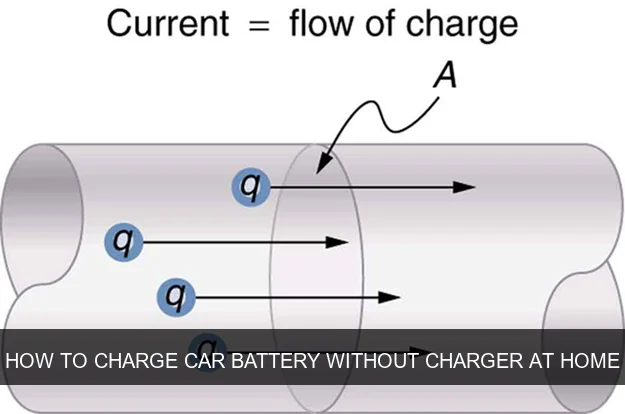
Image source: Bccampus
📋 Table of Contents
- 🔹 What Does “Charging Without a Charger” Really Mean?
- 🔹 Why Would You Need to Charge Without a Charger?
- 🔹 The Most Common Method: Jump-Starting Your Car
- 🔹 Alternative (Less Common) Methods
- 🔹 Benefits of Knowing These Methods
- 🔹 Common Mistakes to Avoid
- 🔹 Practical Tips and Best Practices
- 🔹 Real-Life Scenarios
- 🔹 Frequently Asked Questions (FAQ)
- 🔹 Conclusion
What Does “Charging Without a Charger” Really Mean?
When we talk about “charging a car battery without a charger at home,” we usually mean finding a way to get enough power into the battery to start the car, rather than performing a full, deep charge. A dedicated car battery charger uses a controlled process to slowly replenish the battery’s energy. Without one, the goal shifts to temporary solutions that provide a quick boost to restart your engine, allowing the car’s alternator to take over and recharge the battery as you drive.
The most widely recognized and practical method for this is jump-starting. This involves using a healthy battery from another vehicle to provide the initial burst of power your drained battery needs. Other, less common methods might involve specialized equipment you happen to have, like a power inverter connected to another battery or even small solar panels, though these are typically slower and less direct for an immediate start.
Why Would You Need to Charge Without a Charger?
There are several common reasons why you might find yourself needing to revive a dead car battery without the convenience of a traditional charger:
- Unexpected Drain: You might have accidentally left your headlights on, an interior light burning, or a door ajar overnight. This can completely drain the battery.
- Infrequent Driving: Cars that sit for long periods can gradually lose battery charge, especially in extreme temperatures.
- Old Battery: Older batteries naturally lose their ability to hold a charge efficiently and can die unexpectedly.
- No Access to a Charger: You simply don’t own a car battery charger, or the one you have isn’t working or is misplaced.
- Emergency Situation: You need to get your car started right away and don’t have time to wait for a full charge or a service call.
Knowing how to charge your car battery without a charger at home gives you a crucial self-help skill, preventing inconvenient delays and potential expenses.
The Most Common Method: Jump-Starting Your Car
Jump-starting is hands down the most common, accessible, and effective way to deal with a dead car battery without a dedicated charger. It uses the power from another vehicle’s battery to give your car enough juice to crank the engine.
Understanding Jump-Starting
When you jump-start a car, you’re essentially creating a temporary electrical connection between a charged battery (the “donor” car) and your drained battery. This connection allows current to flow from the donor battery to yours, providing the immediate power needed by your starter motor. Once your car starts, its alternator will then take over the charging process, replenishing your battery as you drive.
It’s important to remember that jump-starting is a temporary fix. It gets your car running, but it doesn’t fully recharge your battery. After a successful jump, you should drive your car for at least 20-30 minutes to allow the alternator to put a sufficient charge back into the battery. If the battery keeps dying, it might need testing or replacement.
Step-by-Step Guide to Jump-Starting
Before you begin, make sure you have a set of jumper cables and another vehicle with a working battery. Safety is key throughout this process.
- Gather Your Tools and Park Safely:
- You’ll need reliable jumper cables.
- Park the donor vehicle (with the good battery) next to your dead car, bonnet to bonnet, but not touching. Make sure both vehicles are in Park (automatic) or Neutral (manual) with the parking brakes firmly set.
- Turn off both vehicles’ engines and all accessories (lights, radio, AC, etc.).
- Locate Batteries and Terminals:
- Open the bonnets of both cars.
- Find the batteries and identify the positive (+) and negative (-) terminals. The positive terminal usually has a red cover or a plus sign, while the negative has a black cover or a minus sign.
- Clean any corrosion off the terminals with a wire brush if necessary.
- Connect the Cables (Crucial Order):
- Red to Dead Positive: Attach one red (positive) clamp of the jumper cables to the positive (+) terminal of your dead car’s battery.
- Red to Donor Positive: Attach the other red (positive) clamp to the positive (+) terminal of the donor car’s battery.
- Black to Donor Negative: Attach one black (negative) clamp to the negative (-) terminal of the donor car’s battery.
- Black to Ground (Your Car): Attach the remaining black (negative) clamp to a clean, unpainted metal surface on your dead car’s engine block or chassis. This acts as a ground connection. Never connect the black clamp directly to the negative terminal of the dead battery, as this can cause sparks near potentially explosive battery gases.
- Start the Donor Car:
- Start the engine of the donor vehicle. Let it run for 5-10 minutes to charge your battery slightly. You can even rev the donor engine slightly to provide a stronger charge.
- Start Your Car:
- After a few minutes, try to start your dead car. If it doesn’t start immediately, wait a minute or two and try again. Don’t crank the engine for more than 5 seconds at a time to avoid overheating the starter.
- Disconnect the Cables (Reverse Order):
- Once your car starts, let it run for a few minutes.
- Disconnect the cables in the exact reverse order of connection:
- Black clamp from your car’s metal ground.
- Black clamp from the donor car’s negative (-) terminal.
- Red clamp from the donor car’s positive (+) terminal.
- Red clamp from your car’s positive (+) terminal.
- Close both bonnets.
- Drive Your Car:
- Drive your car for at least 20-30 minutes at normal road speeds to allow the alternator to fully recharge the battery.
Safety First When Jump-Starting
Working with car batteries and electricity can be dangerous if not done correctly. Always prioritize safety:
- Wear Protective Gear: Gloves and eye protection are strongly recommended to protect against acid splashes or sparks.
- Check Battery Condition: Do not attempt to jump-start a cracked, leaking, or visibly damaged battery. It could explode.
- Ventilation: Ensure good ventilation to disperse hydrogen gas, which is highly flammable and produced by batteries.
- No Smoking or Flames: Keep all sources of ignition (cigarettes, open flames, sparks) away from the batteries.
- Read Your Manual: Always consult your car’s owner’s manual for specific jump-starting instructions, as some modern vehicles have particular connection points or procedures.
- Avoid Touching Metal: Do not let the jumper cable clamps touch each other or any other metal parts of the car (except the designated terminals/ground) once connected to a battery.
- Matching Voltage: Only jump-start a 12-volt car battery with another 12-volt car battery. Mixing voltages can cause severe damage.
Alternative (Less Common) Methods
While jump-starting is the primary “no charger” method, some niche situations or specific equipment might allow for other approaches. These are generally less practical for an immediate start and come with their own considerations.
Using a Power Inverter (with another battery)
If you happen to have a power inverter and another 12-volt battery (like from an RV, boat, or another car that isn’t able to get close enough to jump-start), you could theoretically use it. This method is more involved and less common for a quick start.
- Connect the Inverter: Attach the power inverter to your secondary 12-volt battery. Ensure the inverter can handle the car battery’s charging requirements (usually requiring a high wattage inverter).
- Find a Charging Cable: You would need a charging cable with the correct connectors that can plug into the inverter’s AC outlet and then connect to your car battery’s terminals. This often means having a small, portable battery charger (which defeats the “without charger” premise somewhat) or a custom setup, which can be risky.
- Charge: Connect the charging cable to your dead car battery (positive to positive, negative to negative) and then plug it into the inverter. The inverter converts the donor battery’s DC power into AC, which your charging cable then converts back to DC to charge your car battery.
Caveats: This method is quite roundabout and generally not recommended for emergencies unless you are very familiar with electrical systems. It’s also inefficient, as power is converted multiple times, leading to energy loss. A direct jump-start is almost always safer and more effective.
Solar Panels (if available)
Small, portable solar panel kits designed for car batteries can provide a trickle charge. This won’t jump-start your car instantly, but it can slowly replenish a drained battery over several hours or even days, depending on the panel’s size and sunlight intensity.
- Connect to Battery: Typically, these panels come with alligator clips that connect directly to your car battery’s terminals (red to positive, black to negative).
- Position for Sunlight: Place the solar panel in direct sunlight.
- Wait: This is a very slow process. It’s more suited for maintaining a battery charge on a rarely used vehicle rather than reviving a completely dead one for an immediate start. You might need to leave it connected for many hours or even a full day to get enough charge to start the car.
Caveats: This method is dependent on sunlight and is not a fast solution for an urgent situation. It’s best used as a preventative measure or for very gradual recharging of a partially drained battery.
Benefits of Knowing These Methods
Understanding how to charge your car battery without a charger at home offers several clear advantages:
- Self-Reliance: You won’t be stranded or dependent on roadside assistance. You can solve the problem yourself.
- Time-Saving: A quick jump-start can get you back on the road in minutes, avoiding the wait for a tow truck or a friend with a charger.
- Cost-Effective: Avoiding service calls or tow fees saves you money.
- Emergency Preparedness: It’s a valuable skill for unexpected situations, giving you peace of mind.
- Reduced Stress: A dead battery can be frustrating, but knowing how to handle it reduces stress and anxiety.
Common Mistakes to Avoid
When trying to charge your car battery without a charger, especially during a jump-start, certain errors can lead to damage or injury:
- Incorrect Cable Connection Order: This is perhaps the most dangerous mistake. Connecting cables in the wrong order can cause sparks, battery explosions, or damage to vehicle electronics. Always follow the specific sequence: Red to dead positive, Red to donor positive, Black to donor negative, Black to ground on the dead car.
- Connecting Negative to Dead Battery Terminal: Placing the final black clamp directly on the negative terminal of the dead battery can ignite flammable hydrogen gas. Always use a metal ground point away from the battery.
- Letting Clamps Touch: Allowing the positive and negative clamps to touch each other while connected to a battery can create a short circuit, causing sparks and damage.
- Ignoring Warning Signs: Attempting to jump-start a cracked, corroded, or frozen battery is extremely dangerous.
- Not Giving Enough Time: Trying to start the dead car immediately after connecting cables may not give enough time for some charge to transfer. Let the donor car run for a few minutes.
- Not Driving After Jump-Start: Failing to drive your car for at least 20-30 minutes after a successful jump will likely result in the battery dying again soon.
- Using Damaged Cables: Frayed or damaged jumper cables can lead to poor connections, overheating, and electrical hazards.
Practical Tips and Best Practices
To make the process smoother and safer, keep these tips in mind:
- Keep Jumper Cables Handy: Always have a good quality set of jumper cables in your car’s boot.
- Read Your Manual: Familiarize yourself with your car’s owner’s manual regarding battery location and jump-starting procedures. Some vehicles have remote battery terminals or specific grounding points.
- Clean Terminals: Corroded battery terminals impede electrical flow. Keep them clean.
- Check Battery Age: If your battery is over 3-5 years old and frequently dies, it’s probably nearing the end of its life and should be tested or replaced.
- Regular Driving: Drive your car regularly to keep the battery charged. If you leave it sitting for long periods, consider a trickle charger (if you eventually get one).
- Turn Off Accessories: Always switch off lights, radio, and other accessories before turning off your engine to avoid unnecessary battery drain.
Real-Life Scenarios
Let’s consider a couple of common situations where knowing how to charge your car battery without a charger at home comes in handy:
Scenario 1: The Morning Commute Disaster
It’s Monday morning, and you’re already running late. You hop into your car, turn the key, and… nothing but a feeble click. You realize you left your interior light on all weekend. Instead of panicking and calling for a tow, you remember you have jumper cables. You ask a neighbor for a quick hand with their car, perform a safe jump-start using the steps outlined, and are on your way to work, albeit a little late, but without the cost or long wait of roadside assistance.
Scenario 2: Remote Location Flat Battery
You’re visiting a friend’s house in a rural area, far from any service stations or repair shops. You’ve parked your car for a few hours, and when you try to leave, the battery is dead. Luckily, your friend has another vehicle. Because you know the correct jump-starting procedure, you can quickly and safely use their car to get yours running, preventing a long and expensive wait for help in an isolated spot.
Frequently Asked Questions (FAQ)
Can a car battery charge itself while driving?
Yes, absolutely. Once your car’s engine is running, the alternator takes over and generates electricity, which powers the car’s electrical systems and recharges the battery. After a jump-start, driving for at least 20-30 minutes at normal speeds usually puts enough charge back into the battery to restart the car later.
Is it safe to charge a car battery with a power inverter?
While technically possible in some specific setups, it’s generally not the safest or most efficient method for charging a car battery without a dedicated charger. Using an inverter with another battery to power a conventional battery charger (if you have one) is safer than trying to create a direct charging connection. Improper connections or an undersized inverter can cause electrical hazards or damage. Jump-starting is much simpler and safer for immediate needs.
How long does it take to jump-start a car battery?
The actual jump-starting process itself, from connecting cables to starting your car, typically takes about 5 to 15 minutes. This includes letting the donor car run for a few minutes to transfer some charge. After your car starts, you’ll need to drive it for at least 20-30 minutes to ensure the alternator adequately recharges your battery.
What are the signs of a dead car battery?
Common signs include a slow engine crank (it sounds like it’s struggling to turn over), no sound at all when you turn the key, dim or flickering headlights, a clicking noise from the starter motor, or your car’s accessories (radio, lights, power windows) not working or working very weakly.
When should I avoid trying to charge my car battery at home?
You should absolutely avoid trying to charge or jump-start a battery if it’s visibly cracked, leaking fluid, or appears swollen or bulging. These are signs of severe damage that could lead to an explosion. If the battery is frozen, attempting to jump-start it can also be very dangerous as the ice can cause the battery to burst. In these cases, it’s best to call for professional roadside assistance.
Conclusion
Dealing with a dead car battery when you don’t have a charger at hand can feel like a major setback, but it doesn’t have to be. Knowing how to charge your car battery without a charger at home, primarily through the safe and effective method of jump-starting, is a valuable skill that empowers you to handle unexpected situations with confidence.
Always prioritize safety, follow the correct procedures, and understand that these methods are usually for getting your car running so its own system can take over. With a good set of jumper cables and the knowledge gained here, you’re well-equipped to manage a flat battery and get back on the road quickly and efficiently.