Charging a car battery simply means restoring its electrical energy using an external power source, typically a specialized battery charger. This process replenishes the battery’s chemical charge, enabling it to reliably start your engine and power your vehicle’s electrical components. Understanding how and when to charge your car battery is key to preventing unexpected breakdowns and prolonging its lifespan.
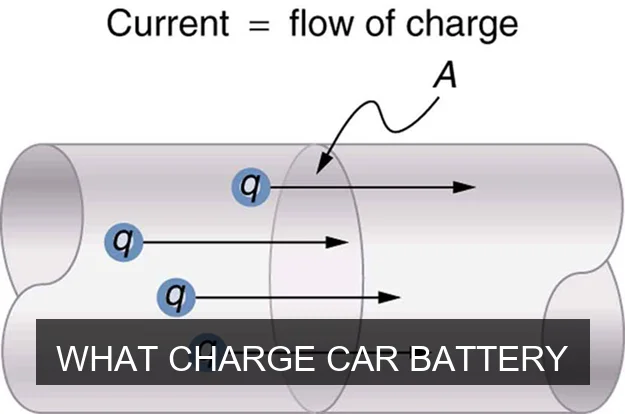
Image source: Bccampus
📋 Table of Contents
- 🔹 What Exactly Does It Mean to Charge a Car Battery?
- 🔹 Why Keeping Your Car Battery Charged Matters So Much
- 🔹 How Charging a Car Battery Works: The Basics
- 🔹 Understanding Different Car Battery Charger Types
- 🔹 Steps for Safely Charging a Car Battery
- 🔹 How Long Does It Take to Charge a Car Battery?
- 🔹 Common Mistakes to Avoid When Charging Your Car Battery
- 🔹 Tips for Maintaining a Healthy Car Battery
- 🔹 People Also Ask About Car Battery Charging (FAQ)
- 🔹 Keeping Your Car Ready to Roll: A Conclusion
Every car owner knows that sinking feeling when the engine just won’t turn over. Often, a dead or weak car battery is the culprit. But what exactly does it mean to “charge a car battery,” and why is it so important? This isn’t just about jump-starting your car; it’s about understanding the heart of your vehicle’s electrical system and knowing how to properly care for it. Let’s dive deep into the world of car battery charging, exploring what it is, why it matters, and how you can do it safely and effectively.
What Exactly Does It Mean to Charge a Car Battery?
When we talk about “what charge car battery” means, we’re referring to the process of restoring the battery’s stored electrical energy. A car battery, specifically a lead-acid battery, works by converting chemical energy into electrical energy to power your car’s starter motor and other accessories when the engine isn’t running. Over time, or with disuse, this chemical reaction reverses, and the battery loses its charge.
Charging essentially pushes electrical current back into the battery, reversing the chemical process and replenishing its capacity. Think of it like refilling a water bottle after you’ve emptied it. A fully charged battery ensures your car has enough juice to reliably start and keep all its electrical systems, like lights, radio, and wipers, running smoothly.
Why Keeping Your Car Battery Charged Matters So Much
You might wonder, “Why can’t my car’s alternator just handle it?” While your car’s alternator does charge the battery as you drive, sometimes that’s not enough. Understanding why regular or supplemental charging is important can save you a lot of hassle.
- Reliable Starting: This is the most obvious reason. A well-charged battery provides the burst of power needed to crank your engine. A weak battery struggles, and a dead one won’t even click.
- Prolongs Battery Lifespan: Allowing a battery to fully discharge repeatedly can significantly shorten its life. This is called “deep cycling,” and standard car batteries aren’t designed for it. Keeping a battery topped up helps maintain its internal chemistry and overall health.
- Prevents Sulfation: When a battery loses its charge, lead sulfate crystals can build up on the battery plates. This process, known as sulfation, reduces the battery’s ability to hold a charge and is a leading cause of battery failure. Regular charging helps prevent this buildup.
- Supports Electrical Systems: Modern cars have more electronics than ever. A healthy battery ensures consistent power delivery to all these components, from your infotainment system to crucial safety features, even when the engine is off or at idle.
So, making sure you know what charge car battery involves is about more than just starting your car; it’s about total vehicle health.
How Charging a Car Battery Works: The Basics
The core principle behind charging a car battery is pretty straightforward: you apply an external electrical current to the battery terminals. This current reverses the chemical reaction that occurs when the battery discharges.
- Connecting the Charger: A battery charger has two clamps, one for the positive (+) terminal and one for the negative (-) terminal. It’s crucial to connect them correctly to avoid damage or safety hazards.
- Current Flow: Once connected, the charger sends direct current (DC) into the battery. This current flows through the electrolyte (a mixture of sulfuric acid and water) and causes the lead sulfate on the plates to convert back into lead dioxide (on the positive plate), spongy lead (on the negative plate), and sulfuric acid.
- Voltage Increase: As the chemical reaction reverses, the battery’s voltage gradually rises. A fully charged 12-volt car battery typically reads around 12.6 to 12.8 volts when resting.
- Monitoring and Completion: Modern “smart” chargers monitor this voltage and adjust the current accordingly. They often have multiple charging stages and will automatically switch to a “float” or “maintenance” mode once the battery is full, preventing overcharging.
Understanding this basic mechanism helps demystify what charge car battery really means.
Understanding Different Car Battery Charger Types
Not all battery chargers are created equal. The type you use can impact the charging speed, efficiency, and the long-term health of your battery. Here are the main categories:
- Trickle Chargers: These deliver a very small, constant current (often 1-2 amps) over a long period. They’re good for maintaining a fully charged battery or slowly recharging a deeply discharged one without much risk of overcharging. However, they can take a very long time.
- Smart (Automatic) Chargers: These are the most common and recommended type. They feature microprocessors that monitor the battery’s voltage and condition. They automatically adjust the charging current and voltage through multiple stages (bulk, absorption, float) to optimize charging and prevent overcharging. Many also have desulfation modes.
- Battery Maintainers/Tenders: Similar to smart chargers but typically with lower amperage. They’re designed specifically for long-term maintenance, keeping a battery topped up during periods of storage (e.g., for classic cars, motorcycles, or boats). They cycle on and off as needed to maintain a full charge.
- Fast Chargers/Jump Starters: These provide a high current (sometimes 100+ amps) for a short burst to quickly start a dead vehicle. While convenient for emergencies, they are not suitable for regular charging and can be harmful to the battery if used improperly or too often for sustained charging. Their primary purpose is to deliver enough power to start the engine, not to fully recharge the battery.
For most regular charging needs, a smart charger or battery maintainer is the best choice for knowing what charge car battery effectively means in practice.
Steps for Safely Charging a Car Battery
Safety is paramount when handling car batteries and chargers. Batteries contain corrosive acid and produce flammable gases. Always follow these steps carefully:
- Gather Your Gear: You’ll need your battery charger, safety glasses, and gloves. Ensure you’re in a well-ventilated area, away from sparks or flames.
- Turn Off the Vehicle and Disconnect: Make sure your car’s ignition is off and all accessories are turned off. For charging outside the vehicle, disconnect the negative (black) battery cable first, then the positive (red) cable. If charging while connected to the car (which is possible with modern smart chargers, but always check your car and charger manuals), ensure the ignition is off.
- Inspect the Battery: Check the battery for any cracks, leaks, or corrosion on the terminals. Clean any corrosion with a wire brush and a baking soda/water solution. If there are signs of severe damage, don’t charge it; replace it.
- Connect the Charger:
- First, connect the positive (red) clamp of the charger to the positive (+) terminal of the battery.
- Next, connect the negative (black) clamp of the charger to the negative (-) terminal of the battery.
- If the battery is still in the car, and you’re charging it in place, some manufacturers recommend connecting the negative clamp to an unpainted metal part of the car’s frame away from the battery to act as a ground. Always refer to your car’s and charger’s specific instructions.
- Plug In and Set Charger: Only after the clamps are securely connected should you plug the charger into an electrical outlet. Select the appropriate voltage (usually 12V for cars) and charge rate (if your charger has settings). For most applications, a lower amperage setting (e.g., 2-10 amps) is safer and better for the battery’s long-term health than a very fast charge.
- Monitor the Charging Process: Keep an eye on the charger’s indicator lights or display. Avoid leaving a battery charging unattended for extended periods, especially with older, non-smart chargers. Smart chargers typically manage this automatically.
- Disconnect Safely: Once the battery is fully charged (the charger will usually indicate this), first unplug the charger from the electrical outlet. Then, disconnect the negative (black) clamp from the battery or chassis. Finally, disconnect the positive (red) clamp.
Following these steps ensures a safe and effective way to what charge car battery needs.
How Long Does It Take to Charge a Car Battery?
The time it takes to fully charge a car battery isn’t a fixed number; it depends on several factors:
- Battery’s State of Discharge: A completely dead battery will take much longer than one that’s only partially discharged.
- Battery Capacity (Amp-Hours): Larger batteries (higher Amp-Hour rating) store more energy and will take longer to charge than smaller ones.
- Charger Output (Amps): A higher amperage charger will replenish the battery faster, but a slower charge is generally better for battery health.
- Battery Age and Condition: An old, worn-out battery might not hold a charge as well or charge as efficiently as a new one.
- Temperature: Extremely cold temperatures can slow down the charging process.
As a rough estimate, a typical car battery that is moderately discharged and charged with a 4-amp smart charger might take 8-12 hours to fully replenish. A completely flat battery could take 24 hours or more with a low-amperage charger. Using a 10-amp charger could cut these times significantly. Always consult your charger’s manual for specific guidelines and expected charging times.
Here’s a simplified table illustrating approximate charging times for a moderately discharged (around 50% charge) 60 Amp-hour (Ah) car battery:
| Charger Output (Amps) | Approximate Charging Time (for 60Ah battery at 50% charge) |
|---|---|
| 2 Amps | ~15-20 hours |
| 4 Amps | ~8-12 hours |
| 10 Amps | ~4-6 hours |
Remember, these are estimates. A smart charger will automatically determine when the battery is full.
Common Mistakes to Avoid When Charging Your Car Battery
Even with good intentions, it’s easy to make mistakes that can harm your battery or pose a safety risk. Avoid these common pitfalls:
- Incorrect Polarity: Connecting the positive clamp to the negative terminal (and vice versa) can damage the battery, the charger, or your car’s electrical system. Always double-check your connections.
- Overcharging: While modern smart chargers prevent this, older or basic chargers can overcharge a battery, leading to excessive gassing, electrolyte loss, plate damage, and a shortened battery life.
- Charging in a Poorly Ventilated Area: Car batteries produce hydrogen gas during charging, which is highly flammable. Charging in an enclosed space without airflow can lead to a dangerous buildup of this gas.
- Not Checking Electrolyte Levels (for Flooded Batteries): Some traditional flooded lead-acid batteries require you to check and top off electrolyte levels with distilled water before charging. Charging a battery with low electrolyte levels can damage the plates. Most modern “maintenance-free” batteries don’t require this.
- Using a Damaged Battery: Attempting to charge a battery with a cracked case, severe leaks, or extremely corroded terminals is dangerous and often fruitless. Replace it instead.
- Ignoring Safety Precautions: Skipping safety glasses or gloves, or working near open flames or sparks, significantly increases the risk of acid burns, electrical shock, or an explosion.
- Using an Undersized Charger for a Large Battery: While a small charger will eventually charge a large battery, it will take an excessively long time and might not be efficient.
Knowing what charge car battery process entails also means knowing what not to do.
Tips for Maintaining a Healthy Car Battery
Beyond knowing what charge car battery requires, proactive maintenance helps keep it in top shape:
- Regular Driving: The best way to keep your battery charged is to drive your car regularly, allowing the alternator to do its job. Short trips might not fully replenish the charge used during starting.
- Clean Terminals: Periodically check for and clean any corrosion on the battery terminals. A good connection ensures efficient charging and power delivery.
- Test Battery Voltage: Use a voltmeter to check your battery’s resting voltage. A fully charged 12V battery should read around 12.6-12.8 volts. If it consistently reads lower, it might need charging or be nearing the end of its life.
- Use a Battery Maintainer for Storage: If your car sits for extended periods (weeks or months), connect it to a battery maintainer to keep the charge topped up and prevent sulfation.
- Minimize Parasitic Drain: Ensure all lights and accessories are off when you leave the car. Investigate any persistent electrical drains if your battery repeatedly dies even after charging.
- Insulate in Extreme Cold: Cold weather reduces a battery’s capacity and makes it harder to start. Consider a battery blanket or parking in a garage in very cold climates.
These simple practices go a long way in ensuring your battery is always ready.
People Also Ask About Car Battery Charging (FAQ)
What does it mean to charge a car battery?
To charge a car battery means to replenish its electrical energy by sending a controlled direct current (DC) into it from an external power source, such as a battery charger. This process reverses the chemical reaction that occurs during discharge, restoring the battery’s ability to provide power.
Why is charging a car battery important?
Charging a car battery is vital for several reasons: it ensures your vehicle can reliably start, prevents unexpected breakdowns, and significantly extends the battery’s overall lifespan. Regular charging also prevents harmful sulfation, which can drastically reduce a battery’s capacity and performance.
How does charging a car battery work?
A battery charger sends an electrical current into the battery’s terminals. This current reverses the chemical process inside the battery, converting lead sulfate back into lead dioxide and spongy lead on the plates, while also restoring the sulfuric acid concentration in the electrolyte. This chemical conversion stores electrical energy for future use.
Is it necessary to charge a car battery if I drive regularly?
If you drive regularly and for sufficient durations (typically at least 20-30 minutes per trip), your car’s alternator usually keeps the battery adequately charged. However, if you only make short trips, have many accessories, or your car sits unused for long periods, supplemental charging with a dedicated charger can be necessary to maintain optimal battery health.
When should I charge my car battery?
You should charge your car battery if your car struggles to start, if the battery voltage drops below 12.4 volts when resting, or if you plan to store your vehicle for an extended period. It’s also a good idea to periodically charge it during extremely cold weather, as cold reduces battery performance and capacity.
Keeping Your Car Ready to Roll: A Conclusion
Understanding what charge car battery entails is more than just a piece of technical knowledge; it’s a practical skill that empowers you as a vehicle owner. By knowing how to properly and safely charge your car battery, you can prevent inconvenient breakdowns, extend the life of your battery, and ensure your vehicle is always ready when you need it. Whether you’re using a smart charger for routine maintenance or addressing a low charge, remember to prioritize safety and follow the correct procedures. A little proactive care goes a long way in keeping your car’s electrical heart beating strong.