What Charges a Car Battery: Your Complete Guide
Ever wondered what keeps your car’s battery alive and kicking? This article explains exactly what charges a car battery, detailing the crucial roles of the alternator, voltage regulator, and the battery itself within your vehicle’s complex electrical system. We’ll break down how these components work together to ensure your car starts reliably and all its electronics function smoothly, helping you understand this vital process.
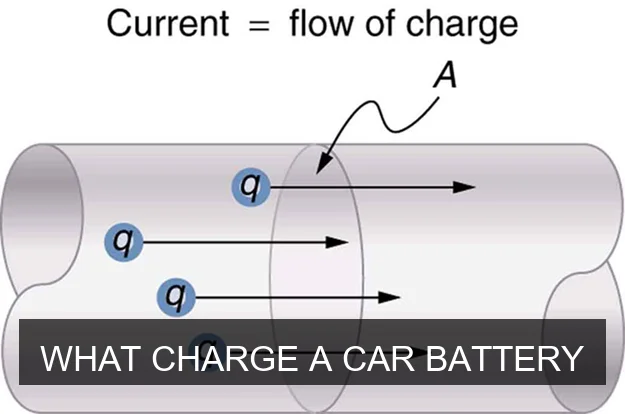
Image source: Bccampus
📋 Table of Contents
- 🔹 The Core Answer: What Charges a Car Battery?
- 🔹 Introduction: Understanding Your Car’s Powerhouse
- 🔹 What Charges a Car Battery? The Core Components
- 🔹 Why Keeping Your Car Battery Charged Matters
- 🔹 How a Car Battery Gets Charged: A Step-by-Step Look
- 🔹 Benefits of a Healthy Car Battery Charging System
- 🔹 Common Mistakes and Misconceptions About Car Battery Charging
- 🔹 Practical Tips for Maintaining Your Car’s Charging System
- 🔹 People Also Ask About Car Battery Charging
- 🔹 Conclusion: Powering Your Journey
The Core Answer: What Charges a Car Battery?
The primary component that charges a car battery while your engine is running is the alternator. This crucial device converts mechanical energy from the engine into electrical energy, replenishing the battery and powering all your car’s electrical systems. Without a working alternator, your battery would quickly drain, leaving you stranded.
Introduction: Understanding Your Car’s Powerhouse
Imagine your car as a living organism. Its heart is the engine, but its nervous system and circulatory system are all about electricity. At the core of this electrical activity lies the car battery. Many people know a battery helps start the car, but what charges a car battery once the engine is on? It’s a common and important question. Understanding this process isn’t just for mechanics; it helps every driver feel more confident about their vehicle’s health.
In this guide, we’re going to dive deep into exactly what charges a car battery. We’ll explore the main components involved, explain how they work together, discuss why this charging process is so vital, and share some practical tips for keeping your car’s electrical system in top shape. By the end, you’ll have a clear picture of how your car stays powered up, mile after mile.
What Charges a Car Battery? The Core Components
To fully grasp what charges a car battery, we need to look at a few key players in your vehicle’s electrical system. It’s not just one thing; it’s a team effort.
The Alternator: Your Car’s Onboard Power Generator
Think of the alternator as a small electrical power plant under your hood. Once the engine starts, a belt connected to the engine’s crankshaft spins the alternator. Inside, it uses electromagnetism to generate alternating current (AC) electricity. This AC is then converted into direct current (DC) by internal rectifiers, which is the type of electricity your car’s battery and accessories need.
- Main Function: To generate electricity to power all electrical components (lights, radio, wipers, etc.) and recharge the battery.
- Location: Usually mounted on the front of the engine, driven by a serpentine belt.
The Car Battery: Storing the Spark
While the alternator does the charging, the battery is still a crucial part of the charging system. Its primary jobs are to provide a burst of power to start the engine and to act as a stable power reservoir for the electrical system, especially when the engine isn’t running or when the alternator isn’t producing enough power at very low RPMs.
- Main Function: Stores electrical energy, starts the engine, and stabilizes voltage.
- Type: Most modern cars use lead-acid batteries.
The Voltage Regulator: The Brain of the Operation
The voltage regulator is a smart little device, often built right into the alternator these days. Its job is to make sure the alternator sends a consistent and correct voltage to the battery and the rest of the electrical system. If the voltage is too low, the battery won’t charge properly. If it’s too high, it can damage the battery and other sensitive electronics.
- Main Function: Controls the alternator’s output voltage, keeping it within a safe range (typically 13.5 to 14.5 volts for a 12-volt system).
- Importance: Prevents overcharging or undercharging, protecting electrical components.
Why Keeping Your Car Battery Charged Matters
Understanding what charges a car battery highlights why this process is so fundamental to your vehicle’s operation. A properly charged battery and a healthy charging system are non-negotiable for several reasons:
Essential for Starting
Your battery provides a massive surge of electricity to the starter motor the moment you turn the key or push the start button. Without enough charge, that motor won’t turn, and your engine won’t crank. It’s the most common reason for being stranded.
Powering Accessories
While driving, the alternator handles the load for your headlights, radio, air conditioning, power windows, navigation system, and all the other electronic gadgets. If the charging system isn’t working right, these components might suffer from low power, flicker, or even stop working.
Maintaining System Health
A car battery that is consistently undercharged or overcharged will have a significantly shorter lifespan. Proper charging ensures the battery remains in good condition, and that sensitive electronic control units (ECUs) and sensors receive stable power, preventing potential damage or malfunctions.
How a Car Battery Gets Charged: A Step-by-Step Look
Let’s walk through the journey of electricity in your car to see exactly how these components answer the question, “what charge a car battery?”
Step 1: Ignition and the Starter
When you first turn the ignition, the car battery sends a powerful current to the starter motor. This motor then engages with the engine’s flywheel, physically turning the engine over to begin the combustion process.
Step 2: The Engine Starts Turning
Once the engine fires up, it begins to rotate. This rotational energy is transferred via a serpentine belt to the alternator, causing it to spin.
Step 3: Alternator Kicks In
As the alternator spins, it begins generating electricity. Initially, it might use a small amount of battery power to “excite” its magnetic field, but very quickly it becomes self-sufficient, producing its own power.
Step 4: Voltage Regulation and Distribution
The electricity generated by the alternator passes through the voltage regulator. This regulator ensures the output voltage is consistent (around 13.5 to 14.5 volts for a 12V system) and stable. This regulated power then goes to two main places:
- To the Car’s Electrical Systems: This powers everything currently turned on in your car—lights, radio, AC, wipers, charging your phone, etc.
- To the Car Battery: The remaining current is sent to the battery to replenish the charge it used to start the engine and to keep it topped off for future starts.
Step 5: Constant Charging and Maintenance
As long as the engine is running, the alternator continues to generate electricity, powering the car’s systems and maintaining the battery’s charge. It’s a continuous cycle, ensuring your battery is ready for the next time you need to start the car.
Benefits of a Healthy Car Battery Charging System
Having a well-functioning charging system offers numerous advantages for any car owner:
- Reliable Starts: The most obvious benefit is knowing your car will start every time you turn the key.
- Extended Battery Life: Proper voltage regulation prevents premature battery failure due to overcharging or undercharging.
- Optimal Performance of Electronics: All your car’s electrical components, from infotainment to safety sensors, operate as they should.
- Reduced Risk of Breakdowns: A healthy charging system significantly lowers your chances of getting stranded with a dead battery.
- Better Fuel Efficiency (indirectly): While not directly impacting MPG, a strained charging system can put more load on the engine, potentially affecting efficiency.
Common Mistakes and Misconceptions About Car Battery Charging
When it comes to what charges a car battery and general battery care, some common myths can lead to problems:
- Myth: Leaving the car running for a few minutes fully recharges a dead battery.
Reality: While the alternator does charge the battery, a severely drained battery needs a good 30 minutes to an hour of driving, or even a dedicated charger, to get a significant charge. Short trips actually drain the battery more than they charge it because of the energy used for starting.
- Myth: If my car starts, my battery and alternator are fine.
Reality: Your car might start even if the battery is weak or the alternator is beginning to fail. Symptoms like dimming lights, slow cranking, or warning lights often appear before a complete failure.
- Mistake: Ignoring warning lights.
Reality: If your battery or “GEN” light comes on, it’s a clear signal that something is wrong with the charging system. Don’t ignore it.
- Mistake: Constantly running many accessories when the engine is off.
Reality: This drains your battery without the alternator there to recharge it, often leading to a dead battery.
Practical Tips for Maintaining Your Car’s Charging System
Keeping an eye on your car’s charging system can save you a lot of hassle. Here are some simple tips:
- Regular Battery Checks: Visually inspect your battery for corrosion on the terminals. Clean them with a wire brush if needed.
- Test Your Battery: Most auto service centers can test your battery’s health and the charging system’s output for free. Do this periodically, especially before winter or after a few years of use.
- Avoid Short Trips: If possible, try to make your drives long enough for the alternator to fully replenish the battery.
- Limit Accessory Use When Engine is Off: Avoid sitting in your car with the radio or lights on for extended periods without the engine running.
- Check Belt Tension: Ensure the serpentine belt driving the alternator isn’t loose or frayed. A slipping belt means the alternator isn’t spinning effectively.
- Mind the Warning Lights: If the battery or “GEN” light illuminates on your dashboard, get your charging system checked by a professional right away.
People Also Ask About Car Battery Charging
What is the main thing that charges a car battery?
The main component responsible for charging a car battery while the engine runs is the alternator. It generates electricity to power the car’s electrical systems and sends excess power back to the battery to keep it charged.
Why is the alternator important for charging a car battery?
The alternator is vital because it acts as the vehicle’s onboard generator. It converts the engine’s mechanical energy into electrical energy, ensuring the battery is continuously replenished and all electrical components (like lights, radio, and power windows) receive the necessary power while driving. Without it, the battery would quickly drain.
Do car batteries charge while driving?
Yes, car batteries primarily charge while you are driving. As the engine runs, it powers the alternator, which then generates electricity to recharge the battery. The longer you drive, the more opportunity the alternator has to fully charge the battery.
Can a completely dead car battery be recharged?
Yes, in most cases, a completely dead car battery can be recharged. However, it will likely require a dedicated battery charger, not just jumping it. If a battery has been completely dead for an extended period, or if it’s an older battery, it might have suffered permanent damage and might not hold a charge effectively even after being recharged.
How long does it take for a car battery to charge?
The time it takes to charge a car battery varies greatly depending on how depleted it is, the battery’s size, and the method of charging. A partially discharged battery might fully recharge after 30-60 minutes of driving. A deeply discharged battery could take several hours to a full day with a slow battery charger. A fast charger might get it done in a few hours, but slow charging is generally better for battery health.
Conclusion: Powering Your Journey
Understanding what charges a car battery is key to appreciating how your vehicle functions. The alternator, working in harmony with the voltage regulator and the battery, forms a sophisticated system designed to keep your car’s electrical heart beating strong. This continuous charging process ensures your engine starts reliably and all your comfort and safety features work without a hitch.
By simply paying attention to your car’s behavior and following a few basic maintenance tips, you can help extend the life of your battery and prevent unexpected breakdowns. A well-maintained charging system isn’t just about avoiding trouble; it’s about ensuring a smooth, dependable, and enjoyable driving experience every time you get behind the wheel. Drive safely, and keep that battery charged!