
What Keeps the Battery Charged in a Car: Your Comprehensive Guide

The car’s battery stays charged primarily thanks to the alternator. This vital component converts mechanical energy from the engine into electrical energy, constantly replenishing the battery and powering all the vehicle’s electrical systems while the engine is running. It’s the heart of your car’s electrical longevity.
Ever wondered how your car’s battery stays alive, providing power for everything from your radio to your headlights? This article breaks down the ingenious system at play, explaining the alternator’s crucial role and how it works with other components to keep your car’s electrical system running smoothly. You’ll gain a clear understanding of what powers your drive and how to spot potential issues.
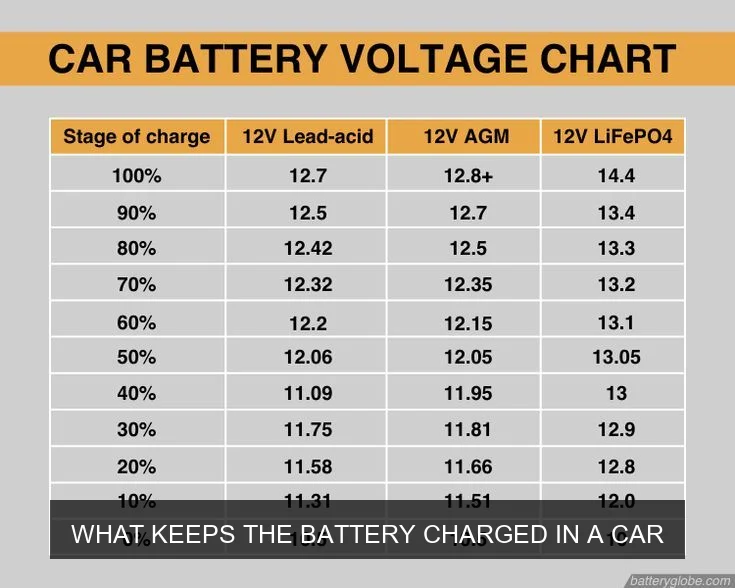
Image source: Pinimg
📋 Table of Contents
- 🔹 Introduction to Your Car’s Electrical Lifeline
- 🔹 The Alternator: The Star of the Show
- 🔹 Why a Continuously Charged Battery is Crucial
- 🔹 How the Car’s Charging System Works
- 🔹 Key Components of the Charging System
- 🔹 Recognizing a Failing Charging System
- 🔹 Common Misconceptions About Car Batteries and Charging
- 🔹 Practical Tips for a Healthy Charging System
- 🔹 People Also Ask (FAQ)
- 🔹 Conclusion
Introduction to Your Car’s Electrical Lifeline
You hop into your car, turn the key or push a button, and the engine roars to life. It feels like magic, but behind the scenes, a clever system is hard at work. While your car’s battery gets things going, it isn’t solely responsible for keeping all those electrical bits—like your radio, headlights, and wipers—powered up during your drive.
So, what exactly keeps the battery charged in a car? It’s a question many drivers have, and understanding the answer is key to appreciating your vehicle’s reliability. This guide will take a deep dive into the components and processes that ensure your car’s electrical system stays energized, explaining everything simply and clearly.
The Alternator: The Star of the Show
When we talk about what keeps the battery charged in a car, the first and most important component that comes to mind is the alternator. Think of it as a small, powerful generator nestled within your engine bay. Its primary job is to produce electricity once the engine is running.
The alternator doesn’t just charge the battery; it also supplies power to nearly all of your car’s electrical systems while the engine is on. This means your lights, radio, air conditioning, power windows, and even the engine’s computer all draw their running power directly from the alternator.
Why a Continuously Charged Battery is Crucial
The battery’s main role is to provide a surge of power to start the engine. Once the engine is running, the alternator takes over. If the alternator wasn’t there to constantly replenish the battery and power the car, two main problems would quickly arise:
- Dead Battery: The battery would drain rapidly as it tried to power everything, eventually leaving you stranded.
- Electrical Malfunctions: Without a consistent power supply from the alternator, your car’s electrical components wouldn’t work correctly, leading to dim lights, a failing radio, or even engine stalls.
So, the continuous charging from the alternator is not just important; it’s absolutely essential for your car’s operation and reliability. It’s how your car avoids running purely on limited battery power.
How the Car’s Charging System Works
Understanding what keeps the battery charged in a car involves knowing how the whole system cooperates. It’s a pretty elegant setup, really. Here’s a simplified breakdown:
- Engine Starts: When you start your car, the battery provides the initial burst of electricity to crank the engine. This uses a significant amount of the battery’s charge.
- Engine Runs, Alternator Kicks In: Once the engine is running, a serpentine belt (or drive belt) connected to the engine’s crankshaft starts spinning the alternator’s pulley.
- Generating Electricity: Inside the alternator, this spinning motion creates electromagnetic fields that generate alternating current (AC) electricity.
- Converting to DC: Car electrical systems run on direct current (DC). So, the alternator has a component called a rectifier that converts the AC into usable DC electricity.
- Regulating Voltage: A voltage regulator, often built into the alternator, ensures that the electricity sent to the battery and other components is at a stable, safe voltage (usually around 13.5 to 14.5 volts). This prevents overcharging the battery or damaging sensitive electronics.
- Powering the Car and Recharging: The regulated DC power then flows to power all the car’s electrical accessories and simultaneously recharges the car battery, replacing the energy used during startup.
This cycle continues as long as the engine is running, ensuring a constant supply of power and a topped-up battery.
Key Components of the Charging System
While the alternator is the star, it’s not working alone. Several other components play crucial roles in what keeps the battery charged in a car:
| Component | Role in Charging |
|---|---|
| Alternator | Generates electrical power (AC, then converted to DC) once the engine is running. Charges the battery and powers electrical systems. |
| Voltage Regulator | Controls the voltage output from the alternator. Prevents overcharging the battery or damaging electronics with too much voltage. Ensures a stable supply. |
| Car Battery | Provides the initial power to start the engine. Acts as a buffer, storing electrical energy and smoothing out power delivery. |
| Serpentine Belt (Drive Belt) | Connects the engine’s crankshaft to the alternator (and other accessories like the power steering pump and AC compressor), transferring mechanical power to spin the alternator. |
| Wiring and Fuses | Conducts electricity between all components. Fuses protect circuits from overcurrent, preventing damage to the system. |
Recognizing a Failing Charging System
It’s helpful to know the signs if something isn’t quite right with what keeps the battery charged in a car. Catching these issues early can save you a lot of hassle:
- Dashboard Warning Light: Many cars have a battery-shaped light or a “GEN” (generator) or “ALT” (alternator) light that illuminates if there’s a problem with the charging system. Don’t ignore it!
- Dim or Flickering Lights: If your headlights, dashboard lights, or interior lights seem dimmer than usual or flicker, especially at lower engine RPMs, it could be a sign the alternator isn’t producing enough power.
- Electrical Component Failures: Your power windows might roll up slowly, your radio might cut out, or other electrical accessories might malfunction. This happens because they aren’t getting consistent voltage.
- Dead Battery: This is often the most obvious sign. If your battery keeps dying, even after being jumped, it suggests it’s not being recharged by the alternator.
- Strange Noises: A worn serpentine belt can squeal, especially during startup or when accelerating. Bearings within the alternator can also wear out and produce grinding or whining sounds.
- Burning Smell: A burning rubber smell could indicate a slipping or overheating serpentine belt. An electrical burning smell might point to an overheated alternator or wiring issue.
Common Misconceptions About Car Batteries and Charging
There are a few myths floating around about how car batteries and charging systems work. Let’s clear some of them up:
Myth: “My battery light means my battery is bad.”
Fact: While it’s battery-shaped, this light usually indicates a problem with the charging system as a whole, most often the alternator. It means the battery isn’t getting the charge it needs, which will eventually lead to a dead battery.
Myth: “You can keep jumping a dead battery without fixing anything else.”
Fact: A jump start only provides temporary power to get the engine running. If the underlying charging problem isn’t addressed (e.g., a faulty alternator), the battery will simply die again soon after.
Myth: “My battery is old, so it’s normal for it to keep dying.”
Fact: While batteries do age and lose capacity, a healthy charging system should still keep even an older battery adequately charged for normal operation. Frequent dying suggests either a failing battery that can’t hold a charge or, more commonly, a charging system issue.
Practical Tips for a Healthy Charging System
Keeping what keeps the battery charged in a car in good shape doesn’t require a lot of effort, but regular attention helps:
- Regular Battery Checks: Have your battery tested periodically, especially as it ages. Clean any corrosion off the battery terminals to ensure good electrical contact.
- Inspect the Serpentine Belt: Look for cracks, fraying, or excessive wear on the belt. A worn belt can slip, preventing the alternator from spinning at its optimal speed.
- Listen for Unusual Noises: Pay attention to any squealing, grinding, or whining sounds coming from under the hood. These can be early indicators of belt or alternator bearing problems.
- Don’t Overload the Electrical System: While your alternator is powerful, continuously running many high-draw accessories (like powerful audio systems, multiple phone chargers, and bright auxiliary lights) can put extra strain on it.
- Address Warning Lights Promptly: If your battery or charging system warning light comes on, don’t delay. Have it checked by a professional as soon as possible.
- Limit Short Trips: Very short drives (under 15-20 minutes) don’t always give the alternator enough time to fully recharge the battery after startup. If you primarily make short trips, consider an occasional longer drive.
People Also Ask (FAQ)
What exactly is an alternator?
An alternator is an electrical generator in your car that converts mechanical energy from the engine into electrical energy. It’s responsible for powering the vehicle’s electrical systems once the engine is running and for recharging the car battery.
Can a car run without an alternator?
A car can run for a short period without a working alternator, but it will be running solely on battery power. Once the battery’s stored energy is depleted, the car will eventually lose power and stall. The duration depends on the battery’s charge and the electrical load.
How long should a car battery last?
On average, a car battery typically lasts between 3 to 5 years. Factors like climate (extreme heat is tough on batteries), driving habits, and proper maintenance can significantly influence its lifespan. A healthy charging system also plays a crucial role.
What are the signs of a bad voltage regulator?
A bad voltage regulator can cause several issues. Signs include dimming or flickering headlights, electrical accessories malfunctioning, a battery warning light on the dashboard, an overcharging battery (which can cause fluid leaks or a rotten egg smell), or an undercharging battery leading to frequent dead batteries.
Is the battery charger in a car called an alternator?
Yes, in essence, the alternator serves as the car’s onboard battery charger while the engine is running. It continuously generates electricity to replenish the battery’s charge and power all the other electrical components simultaneously.
Conclusion
The intricate dance between the alternator, voltage regulator, and battery is what keeps the battery charged in a car, making sure you have reliable power for every drive. It’s a fundamental system that highlights the clever engineering beneath your vehicle’s hood.
Understanding these components helps you appreciate how your car functions and empowers you to recognize early warning signs of trouble. By paying attention to your car’s electrical health and performing some basic maintenance, you can ensure a smooth, worry-free journey every time you turn the key. So, the next time your headlights shine bright or your radio hums along, you’ll know exactly what unsung hero is powering it all!