
Your car battery stays charged thanks to a clever system primarily driven by the alternator. This vital component generates electricity while the engine runs, continuously recharging the battery and powering all your vehicle’s electrical systems. Alongside the battery and a voltage regulator, the alternator ensures a steady supply of power for reliable starts and smooth operation.
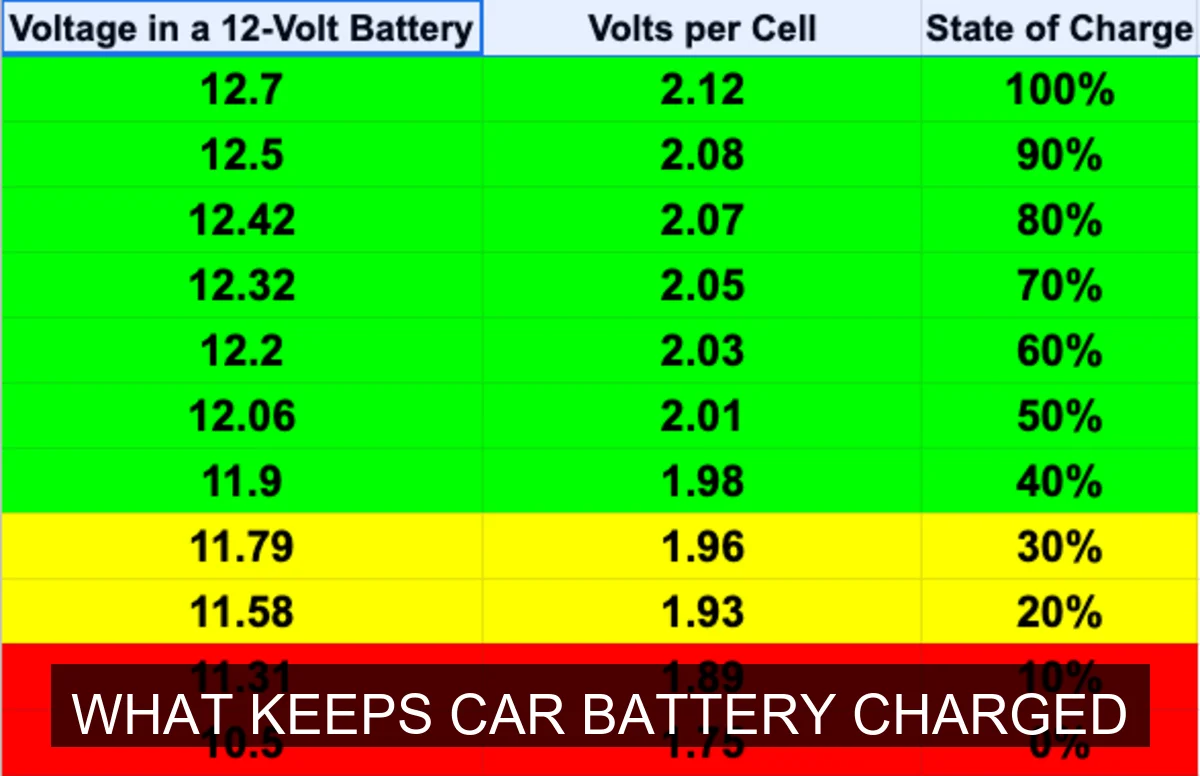
Image source: Saymedia-content
📋 Table of Contents
- 🔹 Introduction: The Heartbeat of Your Car’s Electrical System
- 🔹 What Keeps Car Battery Charged? Understanding the Core System
- 🔹 Why a Charged Car Battery is Absolutely Essential
- 🔹 How the Car Charging System Works: A Step-by-Step Breakdown
- 🔹 Key Components of the Charging System Explained
- 🔹 Benefits of a Healthy Charging System
- 🔹 Common Misconceptions About Car Battery Charging
- 🔹 Practical Tips for Maintaining a Charged Battery and Healthy System
- 🔹 Real-Life Scenarios: When the Charging System Struggles
- 🔹 Frequently Asked Questions About Car Battery Charging
- 🔹 Conclusion: The Unsung Hero of Your Car’s Reliability
Introduction: The Heartbeat of Your Car’s Electrical System
Ever wondered how your car reliably starts every morning, or how your lights, radio, and wipers work without ever needing new batteries? It’s all thanks to a surprisingly clever and efficient system that constantly keeps your car battery charged. Without this system, your vehicle wouldn’t just be inconvenient; it would be utterly useless.
In this comprehensive guide, we’re going to dive deep into the fascinating world of your car’s charging system. We’ll explore the main components that work together seamlessly, explain how they function, and share practical tips to help you keep your car’s power supply in top shape. Get ready to understand the unsung hero working tirelessly under your hood!
What Keeps Car Battery Charged? Understanding the Core System
At its heart, what keeps your car battery charged is the alternator. This mechanical generator, driven by your engine, produces electricity to both power the car’s electrical systems when the engine is running and to recharge the 12-volt battery. The battery itself provides the initial burst of power to start the engine, but once the engine is running, the alternator takes over the heavy lifting.
Think of it this way: the battery is like the starter pistol at a race, providing a quick, powerful impulse. The alternator is then like the ongoing energy drink, keeping the athlete (your car’s electrical needs) going throughout the race. A crucial part of this team is the voltage regulator, which makes sure the alternator doesn’t produce too much or too little electricity, protecting all your sensitive electronics.
Why a Charged Car Battery is Absolutely Essential
Having a fully charged car battery isn’t just about avoiding a frustrating breakdown; it’s fundamental to your vehicle’s entire operation and your safety. Here’s why:
- Starting the Engine: This is the most obvious reason. The battery delivers a massive surge of power to the starter motor, which cranks the engine into life. Without that initial jolt, your car won’t start.
- Powering Electronics: Once the engine is off, the battery powers everything from your alarm system to the interior lights. When the engine is running, the alternator powers these, but a healthy battery acts as a crucial buffer.
- Stabilizing Voltage: The battery helps smooth out any fluctuations in the electrical system, ensuring that all components receive a consistent voltage. This protects delicate electronics from damage.
- Reliability and Safety: A weak battery or a failing charging system can lead to unexpected breakdowns, leaving you stranded. Ensuring everything works correctly means a safer, more reliable driving experience.
How the Car Charging System Works: A Step-by-Step Breakdown
The process of keeping your car battery charged is a continuous loop once your engine is running. Let’s break down how it all works:
- Initial Spark: When you turn the key or push the start button, your car battery sends a powerful electrical current to the starter motor. This motor then spins the engine, getting it running.
- Alternator Engages: As soon as the engine starts, it begins turning a serpentine belt. This belt is connected to the alternator, causing its internal components to spin.
- Generating Electricity: Inside the alternator, this spinning motion (mechanical energy) is converted into electrical energy. It essentially acts like a small power plant for your car. This electricity is in the form of alternating current (AC).
- Conversion to Direct Current: Car batteries and most car electronics run on direct current (DC). So, the AC electricity produced by the alternator passes through a component called a rectifier, which changes it into DC.
- Voltage Regulation: The voltage regulator, often built right into the alternator, continuously monitors the electrical output. It adjusts how much electricity the alternator generates to maintain a steady voltage, typically around 13.5 to 14.5 volts. This prevents both overcharging the battery (which can damage it) and undercharging (which leaves it weak).
- Recharging and Powering: The regulated DC electricity then flows to two main places: it recharges your car battery, replenishing the power used during starting, and it directly powers all your car’s electrical accessories and systems (headlights, radio, climate control, ignition system, engine computer, etc.).
This cycle continues as long as the engine is running, ensuring your battery stays topped up and all your electrical components receive the power they need.
Key Components of the Charging System Explained
While the alternator is the star, it’s part of a finely tuned orchestra. Let’s look at the main players:
The Alternator: Your Car’s Power Generator
The alternator is a marvel of engineering. It’s an electromagnetic device that transforms mechanical energy from the engine into electrical energy. Inside, it has:
- Rotor: A spinning electromagnet that creates a magnetic field.
- Stator: Stationary coils of wire where electricity is induced by the rotating magnetic field.
- Rectifier: Converts the alternating current (AC) produced in the stator into direct current (DC) for the battery and accessories.
- Voltage Regulator: As discussed, this controls the alternator’s output.
The Car Battery: The Initial Spark and Storage Unit
Most modern cars use a 12-volt lead-acid battery. Its primary job is to:
- Provide the initial surge of power to start the engine.
- Act as a power reservoir for electrical systems when the engine isn’t running.
- Stabilize the voltage for all electrical components.
While the alternator charges it, the battery is the one providing the initial muscle.
The Voltage Regulator: The System’s Conductor
Often integrated with the alternator or the car’s engine control unit (ECU), the voltage regulator is crucial. Its job is to:
- Prevent the alternator from overcharging the battery, which can damage it and other electrical components.
- Ensure a consistent voltage supply to all electrical systems, preventing fluctuations that could harm sensitive electronics.
- Allow the alternator to charge the battery optimally, ensuring it receives enough power without being stressed.
Wiring and Belts: Connecting the Power
Don’t forget the supporting cast! The serpentine belt connects the engine’s crankshaft pulley to the alternator (and other accessories like the power steering pump and air conditioning compressor), making it spin. Robust wiring harnesses and cables connect the alternator to the battery and to the car’s entire electrical network, safely transmitting the generated power.
| Component | Primary Function |
|---|---|
| Alternator | Generates electricity (AC, then converted to DC) to power the car and recharge the battery. |
| Car Battery | Provides initial power for starting and acts as a reservoir/buffer for electrical systems. |
| Voltage Regulator | Controls the alternator’s output, maintaining a stable voltage to prevent over/undercharging. |
| Serpentine Belt | Transfers mechanical power from the engine to spin the alternator. |
| Wiring Harness | Connects all electrical components, safely transmitting current throughout the vehicle. |
Benefits of a Healthy Charging System
A properly functioning charging system offers numerous advantages that contribute to your car’s longevity and your peace of mind:
- Reliable Vehicle Operation: You can trust your car to start every time and power all its essential functions without issue.
- Extended Battery Life: By preventing overcharging and ensuring optimal charging levels, a good system helps your battery last longer, saving you money and hassle.
- Optimal Performance of Electronics: Stable voltage protects your car’s sensitive computers, infotainment system, and other accessories from damage due to power spikes or drops.
- Fuel Efficiency: While not a direct link, an inefficient charging system can sometimes put more strain on the engine, indirectly affecting fuel economy. A well-tuned system operates efficiently.
Common Misconceptions About Car Battery Charging
There are quite a few myths floating around about car batteries and charging. Let’s clear some up:
“Many people believe a quick drive around the block is enough to fully recharge a dead battery, but that’s often not the case. Full recovery takes time and consistent power.”
- The battery charges itself completely after a short drive: A very short drive might replace the power used for starting, but if your battery was significantly discharged, it needs a much longer drive (at least 20-30 minutes at highway speeds) to get a decent recharge.
- All car batteries are the same: Batteries vary greatly in size, capacity, and technology (e.g., standard lead-acid, AGM, EFB). Using the wrong type can affect charging efficiency and battery lifespan.
- Leaving accessories on won’t drain the battery much if the car is off: Modern cars have many components that draw small amounts of power (parasitic drain) even when off. Leaving lights on or using the radio for extended periods with the engine off will absolutely drain your battery.
- Jump-starting fixes a dead battery permanently: Jump-starting only provides temporary power to get your engine running. It doesn’t fix the underlying problem of why the battery died (e.g., old battery, failing alternator, parasitic drain).
Practical Tips for Maintaining a Charged Battery and Healthy System
Keeping your charging system healthy and your battery charged doesn’t require advanced mechanical skills. Here are some simple tips:
- Regular Vehicle Use: Cars are meant to be driven! Regular driving allows the alternator to do its job and keep the battery topped up.
- Check Battery Terminals: Periodically inspect your battery terminals for corrosion (a white or green powdery substance). Clean them with a wire brush and a baking soda/water solution if necessary. Ensure connections are tight.
- Monitor Dashboard Warning Lights: Pay attention to your dashboard. If a battery warning light comes on, it usually signals an issue with the charging system, often the alternator.
- Avoid Frequent Short Trips: Short trips where the engine doesn’t run long enough to allow the alternator to fully recharge the battery can lead to chronic undercharging.
- Limit Accessory Use When Engine Is Off: Avoid running the radio, lights, or climate control for extended periods when the engine isn’t running.
- Periodic System Checks: Have your charging system (battery, alternator, voltage regulator) tested by a professional, especially as your car ages or if you notice any unusual electrical behavior.
Real-Life Scenarios: When the Charging System Struggles
Knowing what to look for can save you from a breakdown. Here are common signs that your charging system might be having trouble keeping your car battery charged:
- Slow Cranking: When you try to start your car, the engine turns over slowly, or “grinds” instead of quickly firing up. This is a classic sign of a weak battery.
- Dimming Lights: Your headlights, interior lights, or dashboard lights appear dimmer than usual, especially at idle or when many accessories are running. They might brighten when you rev the engine.
- Battery Warning Light On: A dashboard light shaped like a battery is usually an indicator that the alternator isn’t generating enough voltage, or there’s another charging system issue.
- Failing Accessories: Your power windows are slow, the radio cuts out, or your heated seats aren’t as warm. These can indicate insufficient power from the charging system.
- Unusual Noises: A failing alternator can sometimes make a whining or grinding noise, especially if its bearings are worn out.
Frequently Asked Questions About Car Battery Charging
How long does it take for a car battery to fully recharge?
If your battery is only slightly discharged from starting, a 15-20 minute drive might be enough to top it up. However, if it’s significantly drained, it can take much longer – sometimes an hour or more of driving, or several hours with a dedicated battery charger.
Can a car run without a battery if the alternator is working?
Technically, once the engine is running and the alternator is generating power, a car *can* continue to run without a battery. However, this is extremely risky and not recommended. The battery acts as a crucial voltage stabilizer; removing it while the engine is running can cause severe damage to the alternator and other sensitive electronic components due due to voltage spikes.
What are signs of a failing alternator?
Common signs include a battery warning light on the dashboard, dimming headlights or interior lights, strange whining or grinding noises from under the hood, and frequent battery drains or dead batteries even after driving.
Does extreme weather affect battery charging?
Yes, extreme weather, especially cold, can significantly impact battery performance and charging efficiency. Cold temperatures reduce a battery’s capacity and its ability to accept a charge, making it harder for the alternator to fully recharge it. Hot weather can also accelerate battery degradation.
Is it bad to start and stop the car frequently?
Frequent short trips with many starts and stops can be hard on a car battery and charging system. Each start draws a significant amount of power from the battery, and if the engine doesn’t run long enough, the alternator doesn’t have sufficient time to fully replenish that charge.
Conclusion: The Unsung Hero of Your Car’s Reliability
The system that keeps your car battery charged is truly the unsung hero tucked away under your hood. It’s a complex yet highly efficient partnership between the alternator, the battery, and the voltage regulator, all working in harmony. This continuous electrical dance ensures that your car starts reliably, its lights shine bright, and all its advanced electronics function flawlessly.
Understanding “what keeps car battery charged” empowers you as a car owner. By recognizing the importance of each component and following some simple maintenance tips, you can significantly prolong the life of your battery, maintain a healthy charging system, and enjoy a much more dependable driving experience. So next time you hit the road, remember the silent work happening to keep your journey powered and smooth!