To keep your car battery charged and healthy, proactive maintenance is key, primarily through regular driving or utilizing a battery maintainer for infrequently used vehicles. Always ensure battery terminals are clean and corrosion-free, and avoid frequent short trips that don’t allow for a full recharge. These simple practices significantly extend battery life and prevent unexpected breakdowns.
Oh, that moment! You turn the key, eager to start your day, and all you hear is a sad, anemic click. Or worse, absolute silence. We’ve all been there, right? That sudden, helpless feeling when your car battery decides it’s had enough, usually at the most inconvenient time. It’s frustrating, it’s stressful, and it can throw your entire day into chaos.
But what if I told you that dread doesn’t have to be a regular part of your driving life? What if you could take simple steps to prevent those battery blues? The good news is, you absolutely can! Keeping your car battery charged and healthy isn’t some automotive mystery. It’s about understanding a few basic principles and adopting some easy habits.
Think of your car battery like a loyal friend who needs a little looking after. With the right care, it will reliably be there for you every time. This comprehensive guide will walk you through everything you need to know about how to keep car battery charged, ensuring your car is always ready to go. No more surprising clicks, just smooth starts and peace of mind!
Key Takeaways
- Drive regularly: Shorter trips don’t fully charge your battery.
- Use a trickle charger: Maintain optimal charge during extended parking.
- Keep terminals clean: Remove corrosion for better electrical flow.
- Check fluid levels: Top up with distilled water for longevity (if applicable).
- Limit accessory use: Avoid draining power when your engine is off.
- Test battery health: Get it checked annually to prevent surprises.
- Protect from extremes: Insulate battery in very hot or cold weather.
Quick Answers to Common Questions
How often should I drive my car to keep the battery charged?
To effectively keep your car battery charged, aim to drive your vehicle for at least 30 minutes a few times a week. This allows the alternator enough time to fully replenish the battery’s charge after starting.
What if my car sits for a long time? How can I keep the battery charged then?
If you don’t drive often, a smart trickle charger or battery maintainer is your best friend to keep the car battery charged. These devices provide a gentle, continuous flow of power without overcharging, keeping your battery ready to go.
Does cleaning battery terminals help keep it charged?
Definitely! Corroded battery terminals can prevent a proper electrical connection, making it harder to keep the car battery charged. Regularly cleaning them ensures optimal conductivity and a healthier battery.
Can leaving my lights on really drain the battery fast?
Absolutely! Leaving lights, the radio, or even a phone charger plugged in when your engine is off can quickly drain your car battery. Always double-check that all accessories are turned off to prevent an unexpected dead battery.
How does weather affect my car battery’s charge?
Extreme temperatures, especially cold, can significantly reduce your car battery’s charging capacity and overall health. Parking indoors or using a battery blanket in winter can help keep your car battery charged and ready for action.
📑 Table of Contents
- Understanding Your Car Battery: The Basics of Power
- Your Driving Habits: Key to Keeping Your Battery Alive
- Essential Tools: Battery Chargers and Maintainers Explained
- Proactive Maintenance: Simple Steps to Prevent Battery Drains
- Seasonal Considerations for Optimal Battery Health
- When to Call a Pro and Consider Replacement
Understanding Your Car Battery: The Basics of Power
Before we dive into how to keep car battery charged, let’s briefly understand what this unsung hero does for your car. Knowing its role helps you appreciate why keeping it healthy is so important.
What Your Car Battery Does
Your car battery is more than just a box under the hood. It’s the heart of your car’s electrical system. Its main job is to provide the initial surge of power needed to crank your engine. Think of it as the muscle that gets things going. But it doesn’t stop there. Once the engine is running, the battery also acts as a power buffer. It supplies electricity to your car’s lights, radio, power windows, and other accessories. This happens even when the engine isn’t running. It’s a vital power reservoir for your entire vehicle.
Signs of a Weak Battery
Your battery usually gives you hints when it’s struggling. Don’t ignore these whispers! Recognizing these signs early is key. It helps you prevent being stranded. Here are some common red flags:
- Slow Engine Crank: Does your engine sound sluggish when you try to start it? Does it turn over slowly? This is often the first sign of a weak battery. It struggles to deliver enough power.
- Dim Lights: Notice your headlights or interior lights are dimmer than usual? This can happen when the battery isn’t providing full voltage.
- Warning Light: Many modern cars have a battery or charging system warning light on the dashboard. If it comes on, pay attention!
- Electrical Glitches: Power windows moving slowly? Radio cutting out? These can also point to a struggling battery.
Knowing these signs is your first step in figuring out how to keep car battery charged. Early action can save you a lot of trouble.
How Batteries Lose Charge
Batteries don’t just “die” overnight for no reason. Several factors contribute to their gradual decline:
- Parasitic Drain: Even when your car is off, some components still draw a tiny bit of power. Things like your clock, radio presets, and alarm system. This is normal. But if a component draws too much power, it’s called a parasitic drain. This can kill a battery over time.
- Short Trips: Your car’s alternator recharges the battery as you drive. Short trips, especially in stop-and-go traffic, don’t give the alternator enough time. The battery uses power to start. It doesn’t get fully recharged. This is a big reason why many ask how to keep car battery charged better.
- Age: Batteries simply wear out over time. They typically last 3-5 years. The internal chemicals degrade. They become less efficient at holding a charge.
- Extreme Temperatures: Both extreme cold and extreme heat are tough on batteries. Cold reduces its capacity. Heat speeds up internal chemical reactions. This causes faster degradation.
Understanding these causes is fundamental. It informs your approach to keeping your car battery charged and healthy for the long haul.
Your Driving Habits: Key to Keeping Your Battery Alive
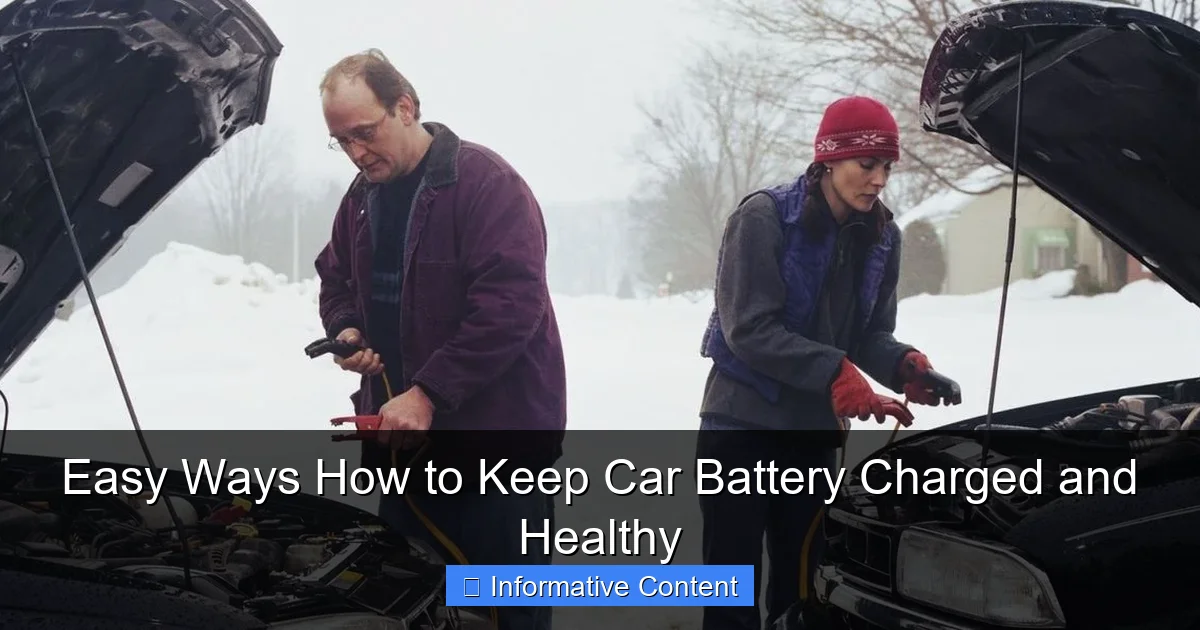
Believe it or not, how you drive your car plays a huge role in its battery health. Simple changes in your routine can make a big difference in how to keep car battery charged.
Visual guide about keep car battery charged
Image source: 10wares.com
The Magic of Longer Drives
Remember how your car’s alternator recharges the battery? It needs time to do its job properly. Short drives are the enemy of a fully charged battery. When you only drive a few miles, the alternator replaces the power used to start the car. But it rarely gets enough time to fully top up the battery. It’s like taking a sip of water after a marathon instead of a full drink.
Aim for drives that are at least 20-30 minutes long. This allows the alternator to work efficiently. It ensures the battery receives a sufficient charge. If your daily commute is short, consider taking a longer route once or twice a week. Or, just take a drive for the sake of driving! It’s one of the easiest ways how to keep car battery charged through normal use.
Avoiding Common Battery Drainers
We’re all guilty of these sometimes, but being mindful can save your battery. These small habits can quickly drain your battery, especially when the engine isn’t running:
- Leaving Lights On: Interior lights, headlights, or even trunk lights. These are notorious battery killers. Always double-check before walking away from your car.
- Using Accessories with the Engine Off: Listening to the radio for a long time? Charging your phone? Running the air conditioning? These all draw power directly from the battery. Limit their use when your engine isn’t running.
- Dash Cams and GPS Trackers: Some devices continue to draw power even when the car is off. If hardwired, ensure they have a low-voltage cut-off feature. Or, consider unplugging them for longer periods of inactivity.
A little awareness goes a long way. These simple practices are fundamental to how to keep car battery charged and prevent unexpected breakdowns.
Driving Less? Consider a Maintainer
Many of us drive less these days. Or maybe you have a classic car, an RV, or a motorcycle that sits for long stretches. If your car isn’t driven regularly (at least a few times a week for sufficient duration), its battery will slowly discharge. This is where a battery maintainer becomes your best friend. We’ll talk more about these tools next. But know that for vehicles that sit, it’s almost impossible to keep them charged without one. This is especially true if you are wondering how to keep car battery charged over winter storage.
Essential Tools: Battery Chargers and Maintainers Explained
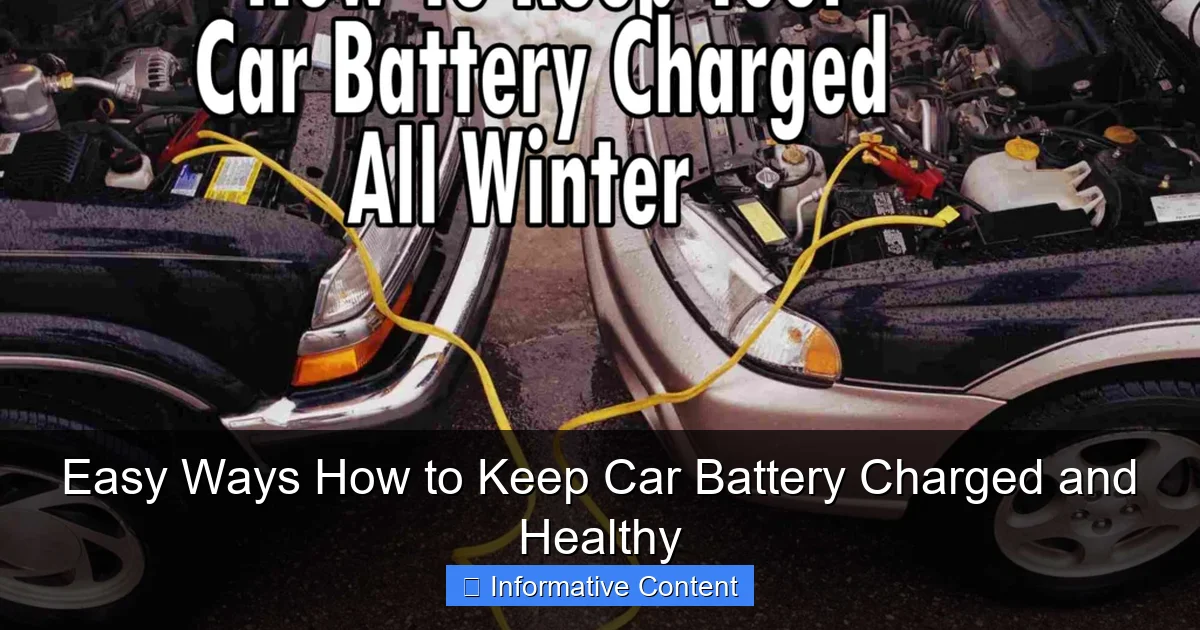
Sometimes, good driving habits aren’t enough. Or your car simply sits too long. That’s when external charging devices come into play. These tools are crucial for how to keep car battery charged outside of normal driving.
Visual guide about keep car battery charged
Image source: shedheads.net
Trickle Chargers vs. Smart Chargers vs. Battery Maintainers
It’s easy to get confused by the different types of battery charging tools available. Let’s break them down:
- Trickle Chargers: These are the simplest type. They deliver a slow, steady current (a “trickle”) to the battery. The idea is to slowly bring a drained battery back to life. However, older trickle chargers lack intelligence. They can overcharge a battery if left connected too long. Overcharging can damage the battery. Use with caution.
- Smart Chargers (or Automatic Chargers): These are much more sophisticated. They use microprocessors to monitor your battery’s charge level. They adjust the charging voltage and current accordingly. They often have multiple charging stages. This ensures a safe and efficient charge. Once the battery is full, a smart charger typically switches to a “float” or “maintenance” mode. This prevents overcharging. They are excellent for recharging a partially or fully drained battery safely. They are a great tool for how to keep car battery charged correctly.
- Battery Maintainers (or Float Chargers): These are designed to keep an already charged battery topped off. They are not meant to revive a dead battery. Instead, they provide just enough current to offset parasitic drains. They prevent self-discharge over long periods. They are perfect for cars in storage. They continuously monitor the battery and deliver small bursts of charge as needed. They safely maintain a full charge. Many modern smart chargers also function as maintainers.
How to Safely Use a Charger/Maintainer
Using these tools is straightforward, but safety is paramount:
- Read the Manual: Always, always read the specific instructions for your device. Each model might have unique features or safety warnings.
- Work in a Well-Ventilated Area: Batteries can release hydrogen gas during charging. This gas is flammable. Ensure good airflow to prevent gas buildup.
- Connect in the Right Order:
- First, turn off the charger/maintainer.
- Connect the red (positive) clamp to the positive (+) terminal on the battery.
- Connect the black (negative) clamp to a clean, unpainted metal part of your car’s frame. This is a ground point. Avoid connecting directly to the negative terminal, especially if your car is older or you are unsure. This reduces the risk of sparking near battery gases.
- After clamps are secure, plug the charger into the electrical outlet.
- Monitor: If using a trickle charger, don’t leave it unattended for days. Smart chargers and maintainers are designed to be left connected. But it’s always good to check on them periodically.
- Disconnect in Reverse Order: Unplug the charger from the wall first. Then, remove the negative (black) clamp. Finally, remove the positive (red) clamp.
Following these steps ensures safe and effective charging. This is vital for how to keep car battery charged without incident.
Choosing the Right Battery Charging Tool
Here’s a quick guide to help you pick the best tool for your needs:
| Tool Type | Primary Function | Best For | Key Feature |
|---|---|---|---|
| Trickle Charger (Basic) | Slow, low-amp charge | Recharging a deeply discharged battery; short-term use with monitoring | Inexpensive; simple operation (but can overcharge) |
| Smart Charger | Multi-stage, optimized charging | Safe, efficient recharging of any battery; can often serve as a maintainer | Microprocessor controlled; prevents overcharging; versatile |
| Battery Maintainer | Keeps an already charged battery topped off | Vehicles in long-term storage (classic cars, RVs, motorcycles) | Low output; safe for continuous connection; prevents self-discharge |
Proactive Maintenance: Simple Steps to Prevent Battery Drains
Beyond driving habits and charging tools, regular, hands-on maintenance can significantly extend your battery’s life. These steps are crucial for how to keep car battery charged effectively.
Regular Visual Inspections
A quick look under the hood every few months can reveal potential problems before they become major issues:
- Check for Corrosion: Look at the battery terminals. Do you see a fluffy, powdery substance? This is corrosion. It usually looks white, blue, or green. Corrosion hinders the electrical flow. It can prevent your battery from charging or discharging properly.
- Clean Connections: If you spot corrosion, clean it off! You can use a mixture of baking soda and water to neutralize the acid. Apply it with an old toothbrush. Then, rinse with clean water and dry thoroughly. A wire brush made for battery terminals works wonders.
- Ensure Cables are Tight: Gently wiggle the battery cables. They should be snug and not move. Loose connections can lead to poor charging and starting issues. Tighten them with a wrench if needed, but don’t overtighten.
- Check for Cracks or Swelling: Inspect the battery case. Any cracks, bulges, or swelling are serious signs of internal damage. This means it’s time for a replacement.
These simple checks are powerful tools. They are your frontline defense in how to keep car battery charged.
Testing Your Battery’s Health
Visual inspections are good, but testing tells you the battery’s actual state of charge and health. This helps you catch issues early.
- Using a Voltmeter: A multimeter (set to DC Volts) can give you a quick reading. A fully charged battery should read around 12.6 volts or higher when the engine is off. If it’s consistently below 12.4 volts, your battery is undercharged. A reading below 12.0 volts means it’s severely discharged.
- Load Tester: For a more accurate assessment, a load tester is better. This device puts a temporary “load” on the battery. It simulates engine cranking. It then measures how well the battery maintains voltage under stress. Many auto parts stores offer free battery testing using these professional tools. This is a very good way to know how healthy your battery is, not just how to keep car battery charged.
Regular testing helps you avoid surprises. It lets you know if your efforts to keep your car battery charged are working.
Addressing Parasitic Drains
A parasitic drain is like a tiny vampire slowly sucking power from your battery. It’s a continuous, small electrical draw when the car is off. While some drain is normal, too much will kill your battery over a few days or weeks. If your battery keeps dying even with good driving habits and no obvious issues, a parasitic drain might be the culprit. Identifying these can be tricky. It often requires specific tools and expertise. You might need to check fuses or use a multimeter to measure current draw. If you suspect a parasitic drain, it’s often best to consult a professional mechanic. They can diagnose and fix the issue. This is an advanced step in how to keep car battery charged, but sometimes necessary.
Seasonal Considerations for Optimal Battery Health
Your car battery doesn’t experience the world the same way you do. It’s highly sensitive to temperature. Understanding seasonal effects is crucial for how to keep car battery charged year-round.
Winter Worries: Cold Weather Effects
Winter is arguably the toughest season for car batteries. Here’s why:
- Reduced Capacity: Cold temperatures significantly reduce the battery’s chemical activity. This means it has less available power to deliver. It’s like trying to run a marathon on an empty stomach.
- Increased Engine Demand: Cold engine oil is thicker. It takes more power to crank the engine in cold weather. So, your battery is working harder with less capacity. This is a double whammy!
- Tips for Winter:
- If possible, park your car in a garage. Even a few degrees warmer can make a big difference.
- If your car sits for extended periods, use a battery maintainer.
- Make sure your battery is fully charged before winter sets in.
- Consolidate short trips when possible.
Planning for winter is a vital part of how to keep car battery charged when the mercury drops.
Summer Stress: Heat and Evaporation
While cold causes problems, extreme heat is actually more damaging to your battery’s long-term lifespan. It’s a silent killer:
- Accelerated Chemical Reactions: Heat speeds up the chemical reactions inside the battery. This leads to faster degradation of internal components.
- Fluid Evaporation: In traditional lead-acid batteries, high temperatures can cause the electrolyte fluid to evaporate faster. This reduces the battery’s effectiveness.
- Tips for Summer:
- Try to park in the shade whenever possible.
- Ensure your battery is securely mounted. Excessive vibration in hot weather can cause internal damage.
- If you have a traditional lead-acid battery (not sealed), check the fluid levels. Add distilled water if they are low.
So, remember, how to keep car battery charged isn’t just a winter concern. Summer heat impacts battery life too.
Long-Term Storage Tips
Storing a car for weeks or months requires special attention to the battery:
- Use a Battery Maintainer: This is the golden rule for long-term storage. It will keep the battery fully charged without overcharging.
- Disconnect the Battery: If a maintainer isn’t an option, disconnecting the negative battery terminal can prevent parasitic drains. Be aware that this might reset your car’s computer, radio presets, and other memory functions.
- Remove and Store: For very long storage (e.g., several months), you can remove the battery entirely. Store it in a cool, dry place. Keep it off concrete floors. Charge it periodically with a smart charger or maintainer.
These strategies ensure your battery is ready when you are, no matter the season or storage duration.
When to Call a Pro and Consider Replacement
Despite your best efforts, batteries don’t last forever. Knowing when to wave the white flag and seek professional help is part of smart battery management. It also determines your strategy for how to keep car battery charged.
Signs Your Battery is Beyond Saving
Sometimes, a battery is just at the end of its life. No amount of charging or maintenance will bring it back. Look for these irreversible signs:
- Swollen Battery Case: If the battery case looks visibly swollen or bloated, it means internal damage. This is often due to overcharging or extreme heat. It’s dangerous and needs immediate replacement.
- Strong Sulfur Smell: A rotten egg smell around the battery usually indicates a leak or excessive gassing. This is due to internal damage.
- Doesn’t Hold a Charge: If your battery repeatedly dies even after a full charge and a healthy charging system, it’s likely no longer able to hold a charge. It’s reached its end.
- Repeated Starting Issues: Despite consistent efforts on how to keep car battery charged, if your car still struggles to start, the battery might be failing.
These signs mean it’s time for a new battery. Don’t risk being stranded.
The Average Lifespan of a Car Battery
Most car batteries have a lifespan of about 3 to 5 years. This can vary greatly, however. Factors like climate, driving habits, and maintenance play a huge role. In hot climates, batteries tend to die faster. Frequent short trips also shorten life. Regular testing can give you a good indication of when your battery is nearing the end of its typical lifespan.
Professional Battery Testing and Replacement
If you’re unsure about your battery’s health, or if you suspect issues with your car’s charging system, don’t hesitate to visit a professional mechanic. They have specialized diagnostic tools. These tools can accurately assess your battery’s condition. They can also check your alternator and starter. This ensures the entire charging system is functioning correctly.
When it’s time for a replacement, a professional can help you choose the right battery for your vehicle. They can also install it correctly. They will dispose of the old battery properly. This is important for environmental reasons. Sometimes, fixing the problem of how to keep car battery charged just means replacing the old one.
Learning how to keep car battery charged and knowing when to replace it saves you time, money, and stress.
So, there you have it! No more wondering how to keep car battery charged. You’re now equipped with the knowledge and practical tips to keep your car battery healthy and reliable. From understanding its basic function to adopting smart driving habits, using the right charging tools, performing simple maintenance, and knowing when to seek professional help, you’ve got all the bases covered.
A little proactive care goes a long way. By following these easy steps, you can avoid that dreaded clicking sound and enjoy worry-free driving for years to come. Your car battery is a hardworking component. Give it the attention it deserves, and it will keep you powered on all your journeys. Drive safe, and stay charged!
🎥 Related Video: Best battery charging hack for dead batteries!!!!
📺 10 Minute Fix
Charging a dead battery is easy. Connect them in parallel then connect the charger to the know good battery. The charger will …
Frequently Asked Questions
How often should I drive my car to keep the car battery charged?
Regular driving is crucial for maintaining your car battery’s charge. Aim for at least a 20-30 minute drive a few times a week, ideally at highway speeds, to allow the alternator sufficient time to fully recharge the battery after startup. Short, frequent trips might not provide enough time for a complete recharge.
What common habits can drain a car battery and how can I avoid them?
Leaving headlights, interior lights, or the radio on when the engine is off are common culprits for battery drain. Always double-check that everything is switched off before leaving your vehicle, and avoid using accessories excessively without the engine running. Even a phone charger left plugged in can draw a small current over time.
Is it necessary to use a battery tender or trickle charger if I don’t drive my car often?
Absolutely, a battery tender or trickle charger is highly recommended for vehicles that are not driven frequently, such as seasonal cars or those stored for extended periods. These devices maintain an optimal charge without overcharging, preventing your car battery from slowly discharging and extending its overall lifespan.
How does extreme weather affect my car battery’s health and charge?
Both extreme hot and cold temperatures can significantly impact your car battery’s performance and lifespan. Heat accelerates internal corrosion and fluid evaporation, while cold weather reduces the battery’s cranking power, making it harder to start the engine. Regularly check your battery’s condition and ensure terminals are clean and tight, especially before seasonal changes.
What are the signs that my car battery might be losing its charge or failing?
Common signs include slow engine cranking, dim headlights, or the dashboard warning light illuminating. You might also notice electrical components behaving erratically or a clicking sound when trying to start the car. Addressing these symptoms early can prevent being stranded with a dead battery.
Can regular maintenance extend the life of my car battery and keep it charged?
Yes, consistent maintenance plays a vital role in prolonging your car battery’s lifespan and ensuring it stays charged. This includes regularly cleaning corrosion from battery terminals, ensuring the terminals are securely fastened, and checking the battery’s fluid levels if it’s not a sealed unit. A professional battery test during routine service can also identify potential issues early.