Selecting the correct amperage to charge your car battery is vital for its health and longevity. Generally, a slow charge between 2 to 10 amps is best for most lead-acid batteries, preventing damage and ensuring a complete, safe recovery. Always verify your battery’s specific needs and charger instructions to maintain optimal battery performance.
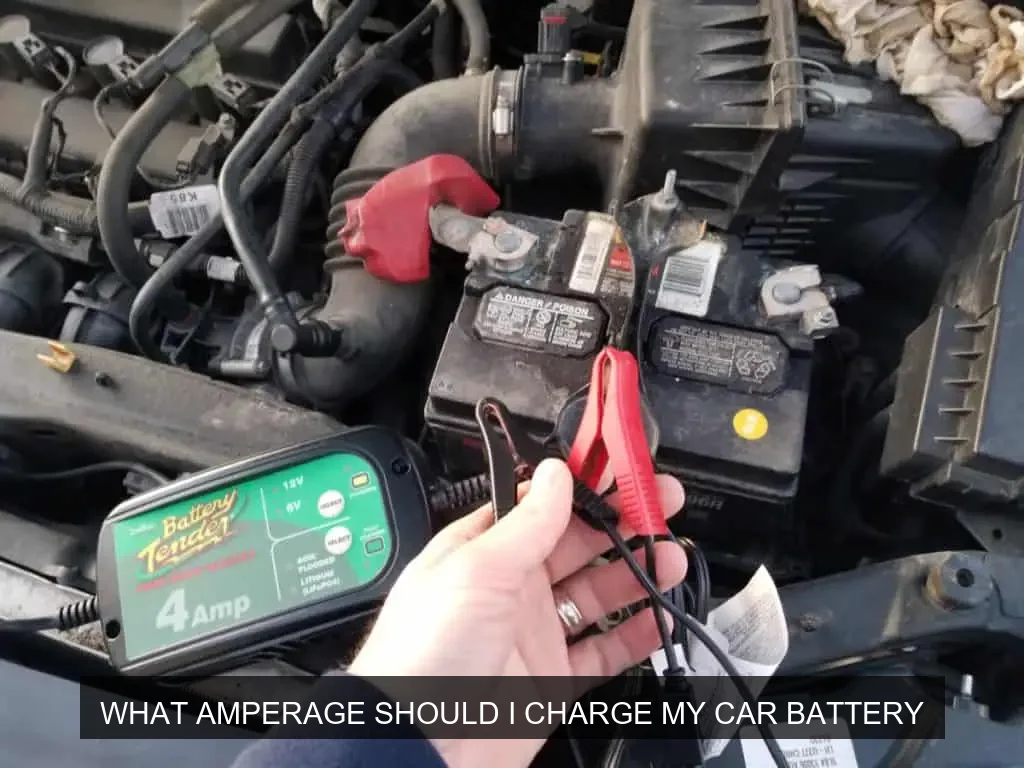
Image source: Homebatterybank
📋 Table of Contents
- 🔹 Introduction: The Importance of Proper Amperage
- 🔹 Understanding Amperage and Your Car Battery
- 🔹 Why the Right Amperage is So Important
- 🔹 How Different Amperage Settings Affect Charging
- 🔹 Finding the Recommended Amperage for Your Battery
- 🔹 Benefits of Charging at the Correct Amperage
- 🔹 Common Mistakes to Avoid While Charging
- 🔹 Practical Tips for Safe and Effective Battery Charging
- 🔹 Real-Life Charging Scenarios
- 🔹 Frequently Asked Questions (FAQ)
- 🔹 Conclusion
Introduction: The Importance of Proper Amperage
Ever found yourself staring at a car battery charger, wondering which setting to pick? You’re not alone! Many people wonder “what amperage should I charge my car battery” to get it running again or keep it healthy. Choosing the right amperage isn’t just a technical detail; it’s a critical decision that directly impacts your battery’s life and performance.
In this guide, we’ll dive deep into understanding amperage, explain why it matters so much for charging, and give you clear, practical advice on how to pick the best setting for your car battery. We’ll cover everything from slow “trickle” charges to faster boosts, helping you charge your battery safely and effectively.
Understanding Amperage and Your Car Battery
Before we talk about specific numbers, let’s quickly explain what amperage (amps) means in the context of your car battery. Amperage is basically the rate at which electrical current flows. Think of electricity like water flowing through a pipe:
- Voltage (Volts) is like the water pressure pushing the water. Car batteries are typically 12-volt systems.
- Amperage (Amps) is like the volume of water flowing through the pipe at any given moment.
- Wattage (Watts) is the total power, or the pressure times the volume (Volts x Amps).
When you’re charging a car battery, the charger sends electrical current into the battery to reverse the chemical reaction that happens during discharge. The amperage setting on your charger controls how quickly this current flows into the battery. A higher amperage means more current flowing in faster, while a lower amperage means a slower, gentler flow.
Why the Right Amperage is So Important
Choosing the correct amperage isn’t just about getting your battery charged; it’s about doing it safely and efficiently, without causing harm. Here’s why getting it right is crucial:
- Battery Health: Too high an amperage can “cook” your battery by generating excessive heat, leading to internal damage, electrolyte evaporation, and reduced lifespan. Too low an amperage might take too long to charge or might not fully recover a deeply discharged battery.
- Charging Time: Higher amps charge faster, but at a potential cost to battery health. Lower amps take longer but are generally safer for the battery.
- Safety: Overheating from too much current can cause the battery to swell, leak, or even explode in extreme cases due to the buildup of hydrogen gas. Proper ventilation and appropriate amperage greatly reduce these risks.
- Battery Type: Different battery types (standard flooded lead-acid, AGM, Gel) have different charging requirements. What’s good for one might be detrimental to another.
The goal is to provide enough current to charge the battery in a reasonable time without stressing its internal components. It’s a balance.
How Different Amperage Settings Affect Charging
Car battery chargers often come with different amperage settings. Understanding what each means for your battery can help you make an informed choice.
Low Amperage Charging (Trickle Charge)
Typically 1 to 2 amps.
- How it works: A trickle charger delivers a very small, steady current over a long period.
- When to use it: This is ideal for maintaining a fully charged battery during long periods of storage (e.g., over winter for a classic car or motorcycle). It’s also excellent for very deeply discharged batteries to slowly bring them back without shock.
- Benefits: Extremely safe for the battery, prevents overcharging, extends battery life, and provides a very thorough charge.
- Drawbacks: Very slow; not suitable if you need your car running quickly. Can take 24-48 hours or more to fully charge a depleted battery.
Medium Amperage Charging (Standard Charge)
Typically 4 to 10 amps.
- How it works: This is the most common and recommended setting for recharging a discharged car battery. It provides a balanced current flow.
- When to use it: Perfect for everyday charging needs, like bringing a moderately drained battery back to full power, or if your battery needs a regular top-up after a series of short trips.
- Benefits: A good balance of speed and safety. It charges the battery relatively quickly (a few hours to a day, depending on discharge level) without putting excessive strain on it. This is usually the go-to setting for most situations.
- Drawbacks: Still requires several hours, so it’s not an instant fix.
High Amperage Charging (Boost/Fast Charge)
Typically 20 to 50 amps (or higher for jump-start features).
- How it works: A high amperage setting pumps a large amount of current into the battery very quickly. Some chargers even have a “engine start” or “boost” mode that can deliver 100+ amps for a short burst.
- When to use it: Only for emergencies when you need to get your car started quickly and don’t have time for a slower charge. The “engine start” feature is designed to provide enough power to crank the engine while the charger is still connected, not to fully charge the battery.
- Benefits: Gets your car started in minutes.
- Drawbacks: Can severely damage your battery if used frequently or for extended periods. It generates a lot of heat, can cause gassing, and reduce the battery’s overall lifespan. It’s not a true “charge” but rather a temporary power injection. Never use this setting on AGM or Gel batteries unless specifically stated by the manufacturer for very short bursts.
Finding the Recommended Amperage for Your Battery
So, how do you know the right amperage for your car battery? Here’s what to look for:
- Battery Label: Many car batteries have a label that might specify recommended charging rates or capacity (e.g., Cold Cranking Amps – CCA, or Reserve Capacity – RC). While not always a direct amp recommendation, it gives you clues. A common rule of thumb is to charge at about 10% of the battery’s amp-hour (Ah) rating. For example, a 60 Ah battery would ideally charge at 6 amps. If your battery doesn’t list Ah, you can estimate. Most car batteries are in the 40-100 Ah range.
- Car Owner’s Manual: Your vehicle’s owner’s manual might have specific instructions regarding battery maintenance and charging, especially for newer cars with complex electrical systems.
- Battery Charger Manual: Your battery charger’s manual will explain its different settings and often provide guidance on when to use each.
- Battery Type:
- Flooded Lead-Acid: Most forgiving. Can handle a range, but generally 2-10 amps is best.
- AGM (Absorbent Glass Mat) and Gel Cell: These are more sensitive to overcharging and heat. They generally prefer lower, more controlled amperages, often in the 2-6 amp range. Never use a high-amp boost charge on these unless specifically cleared by their manufacturer, and even then, only for starting, not charging.
When in doubt, a slow charge (2-6 amps) is almost always the safest option for any 12-volt automotive battery.
Benefits of Charging at the Correct Amperage
Using the appropriate amperage offers several significant advantages:
- Maximized Battery Lifespan: A gentle charge prevents stress, heat damage, and electrolyte loss, allowing the battery to perform optimally for its intended design life.
- Optimal Performance: Proper charging ensures the battery reaches its full capacity, delivering consistent power for starting your engine and running electrical accessories.
- Reduced Risk of Damage: Avoiding excessive current protects the battery from internal plate damage, warping, and premature failure.
- Enhanced Safety: Minimizes the risk of overheating, gassing, and potential explosions, keeping you and your surroundings safe.
- Cost Savings: A battery that lasts longer means fewer replacements, saving you money in the long run.
Common Mistakes to Avoid While Charging
Even with the right amperage knowledge, it’s easy to make mistakes. Here are some common pitfalls:
- Overcharging: Leaving a battery on a charger for too long, especially with a non-smart charger or a too-high amperage, can cause it to overheat and damage its internal plates and evaporate electrolyte.
- Undercharging: Not charging the battery fully can lead to sulfation, a condition where sulfate crystals build up on the battery plates, reducing capacity and making it harder to charge later.
- Using Too High an Amperage: As discussed, this generates excessive heat, boils off electrolyte, and can warp plates, drastically shortening battery life.
- Ignoring Battery Type: Using a charging method suitable for a flooded battery on an AGM or Gel battery can cause irreversible damage.
- Poor Ventilation: Batteries can produce hydrogen gas when charging, which is highly flammable. Charging in an enclosed space without proper airflow is dangerous.
- Incorrect Polarity: Connecting the charger’s positive (+) lead to the battery’s negative (-) terminal, or vice-versa, can damage both the battery and the charger, and potentially cause sparks.
- Charging a Frozen Battery: Never attempt to charge a frozen battery. It could rupture or explode. Let it thaw completely first.
Practical Tips for Safe and Effective Battery Charging
Here are some straightforward tips to ensure you charge your car battery safely and effectively:
- Read the Manuals: Always consult your battery charger’s manual and your car’s owner’s manual. They contain specific, critical information.
- Work in a Well-Ventilated Area: This is non-negotiable. Batteries release explosive hydrogen gas during charging. Good airflow is essential.
- Connect Correctly: Always connect the positive (+) lead (red clamp) to the positive (+) terminal on the battery, and the negative (-) lead (black clamp) to the negative (-) terminal. If your car is still connected, attach the negative clamp to an unpainted metal part of the car’s frame away from the battery.
- Choose the Right Amperage: For most car batteries, stick to a medium charge (4-10 amps). Use trickle charge (1-2 amps) for maintenance or very deeply discharged batteries. Reserve high-amp boost only for emergencies to start the car.
- Monitor the Battery: While charging, periodically check the battery for signs of overheating (it might feel warm or hot to the touch) or swelling. If you notice anything unusual, stop charging immediately.
- Use a Smart Charger: Modern “smart” or “automatic” chargers are highly recommended. They can detect the battery’s state of charge, adjust amperage as needed, and automatically switch to a maintenance mode once the battery is full, preventing overcharging.
- Disconnect Charger Properly: Once charging is complete, turn off the charger before disconnecting the clamps, starting with the negative (-) first, then the positive (+).
- Clean Terminals: Ensure battery terminals are clean and free of corrosion before charging for a good connection.
Real-Life Charging Scenarios
Let’s look at a few common situations and the best amperage choices:
- Scenario 1: Your Car Won’t Start After Sitting for Weeks.
Your battery is likely deeply discharged. Start with a low amperage (1-2 amps) trickle charge. This gentle approach can help recondition the battery over 24-48 hours. If you’re in a hurry, you could use a medium amperage (4-10 amps) charge for several hours, but be prepared for it to take a while.
- Scenario 2: You Left Your Headlights On Overnight.
The battery is significantly drained but probably not completely dead. A medium amperage (4-10 amps) charge is ideal here. It will recharge the battery within a few hours without causing undue stress. A smart charger will automatically taper the charge as it fills up.
- Scenario 3: You Need to Get Your Car Started RIGHT NOW!
This is when a high amperage (20-50+ amps) boost or engine start feature on your charger comes in handy. Remember, this is to start the car, not fully charge the battery. Use it only for a few minutes to get the engine running, then remove the charger. Let your car’s alternator do the rest of the charging while you drive.
- Scenario 4: Storing a Vehicle for the Winter.
A low amperage (1-2 amps) trickle charger or battery maintainer is perfect for this. Connect it and leave it on; a good smart maintainer will cycle on and off as needed to keep the battery topped up without overcharging.
Frequently Asked Questions (FAQ)
What is the ideal amperage to charge a car battery?
The ideal amperage for charging a typical 12-volt car battery is generally between 4 to 10 amps. A 6-amp setting is often considered a good all-around choice for a standard charge, balancing charging speed with battery health.
Why is it important to choose the correct amperage for charging?
Choosing the correct amperage is crucial because it directly impacts battery health, lifespan, and safety. Too high an amperage can overheat and damage the battery, while too low can lead to undercharging or take an excessively long time. The right amperage ensures an efficient, safe, and complete charge.
How long does it take to charge a car battery at different amperages?
Charging time varies based on the battery’s state of discharge and its capacity. For a moderately discharged battery:
- At 2 amps (trickle charge): 24-48 hours or more.
- At 6 amps (standard charge): 8-12 hours.
- At 10 amps (faster charge): 4-8 hours.
These are estimates; a deeply discharged battery will take longer.
Can I use a high-amperage setting to charge an AGM or Gel battery?
Generally, it’s not recommended to use high-amperage settings for full charging of AGM or Gel batteries. These battery types are more sensitive to heat and can be easily damaged by excessive current. Stick to lower, controlled amperage settings (typically 2-6 amps) and use a charger specifically designed for AGM/Gel modes if available.
What does “amp-hour” (Ah) mean, and how does it relate to charging amperage?
Amp-hour (Ah) is a measure of a battery’s capacity, indicating how much current it can deliver over a certain period. For example, a 60 Ah battery can theoretically deliver 60 amps for one hour, or 1 amp for 60 hours. A common rule of thumb for charging amperage is to use about 10% of the battery’s Ah rating (e.g., 6 amps for a 60 Ah battery).
Conclusion
Understanding “what amperage should I charge my car battery” is a fundamental step in responsible vehicle ownership and battery maintenance. While there’s no single magic number, aiming for a medium amperage, typically between 4 and 10 amps, is the safest and most effective approach for most lead-acid car batteries.
Remember to always prioritize safety, consult your manuals, and consider investing in a smart charger. By taking a little time to learn about proper charging techniques, you can significantly extend the life of your car battery, ensure reliable starts, and avoid costly replacements. A healthy battery means a happy car and a confident driver.