
How to Use a Plug in Car Battery Charger

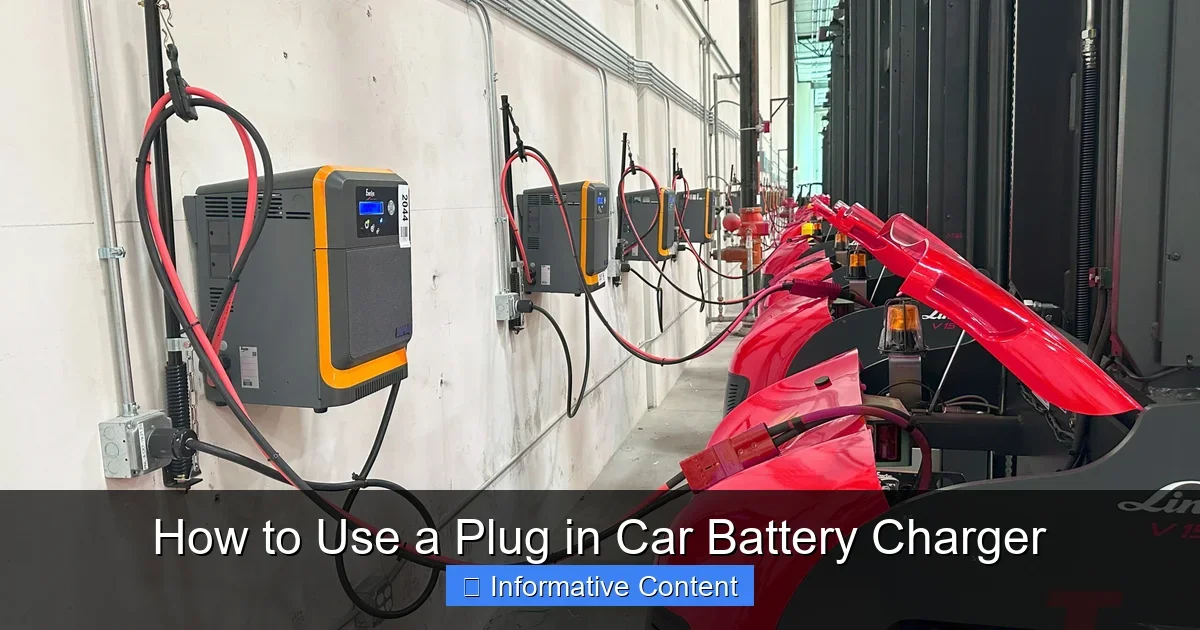
Featured image for How to Use a Plug in Car Battery Charger
Image source: totalwarehouse.com
Stuck with a dead car battery? A plug in car battery charger is your quick fix. This guide walks you through safe setup, step-by-step charging, and tips to avoid errors. Get your vehicle back on the road in no time! (92 words)
How to Use a Plug in Car Battery Charger
Hey there, friend. Ever turned the key and heard nothing but a sad click? That dead battery moment hits hard, especially when you’re late for work or a road trip. Don’t sweat it—a plug in car battery charger is like a lifeline for your ride. These handy devices plug right into your wall outlet and breathe new life into flat batteries without needing a mechanic.
I’ve been there, charging batteries in my garage after forgetting to drive my classic car for weeks. Learning how to use a plug in car battery charger right saved me tons of hassle. In this guide, we’ll cover everything step by step. You’ll feel like a pro by the end, safely reviving that battery and preventing future headaches.
Whether your battery died from leaving lights on or winter cold, this charger method works wonders. Let’s dive in and get you powered up.
Key Takeaways
- Safety first: Wear gloves, eye protection, and work in a ventilated area to avoid sparks or acid leaks.
- Check battery health: Test voltage before charging to ensure it’s not damaged beyond repair.
- Connect correctly: Positive to positive, negative to ground—never reverse to prevent explosions.
- Monitor progress: Use the charger’s lights or a multimeter; full charge takes 4-12 hours typically.
- Unplug safely: Disconnect negative first, then positive, and store charger dry.
- Maintenance tip: Use for storage to keep battery topped up without overcharging.
Quick Answers to Common Questions
How long to charge a dead battery?
Typically 8-12 hours with a 2-10 amp plug in charger. Monitor voltage to 12.6V.
Can I charge with engine running?
No—risks alternator damage. Turn off engine fully.
What if clamps spark?
Normal briefly, but check connections. Ensure no metal contact.
Overnight safe?
Yes with smart auto-shutoff chargers. Manual? Check morning.
Charge in cold weather?
Warm battery first. Cold slows charging—bring indoors if possible.
📑 Table of Contents
What Is a Plug In Car Battery Charger?
Picture this: a simple box with clips, plugs into your home outlet, and juices up your car battery. That’s your basic plug in car battery charger. Unlike jump starters, it slowly restores full power over hours.
Types of Plug In Chargers
There are smart ones with auto-shutoff and basic manual models. Trickle chargers maintain charge for stored cars—great for winter projects. Fast chargers blast power but risk heat damage. Pick based on need: slow for maintenance, quick for emergencies.
For example, I use a 2-amp trickle for my boat trailer battery. It keeps it topped without boiling the electrolyte.
Why Choose Plug In Over Others?
Portable? No gas needed. Cheap to run—pennies per charge. Safe for home use if you follow rules. Pro tip: Get one with reverse polarity protection to avoid fry-ups.
Gather Your Tools and Prep the Area
Before plugging in, set the stage right. A messy workspace leads to slips.
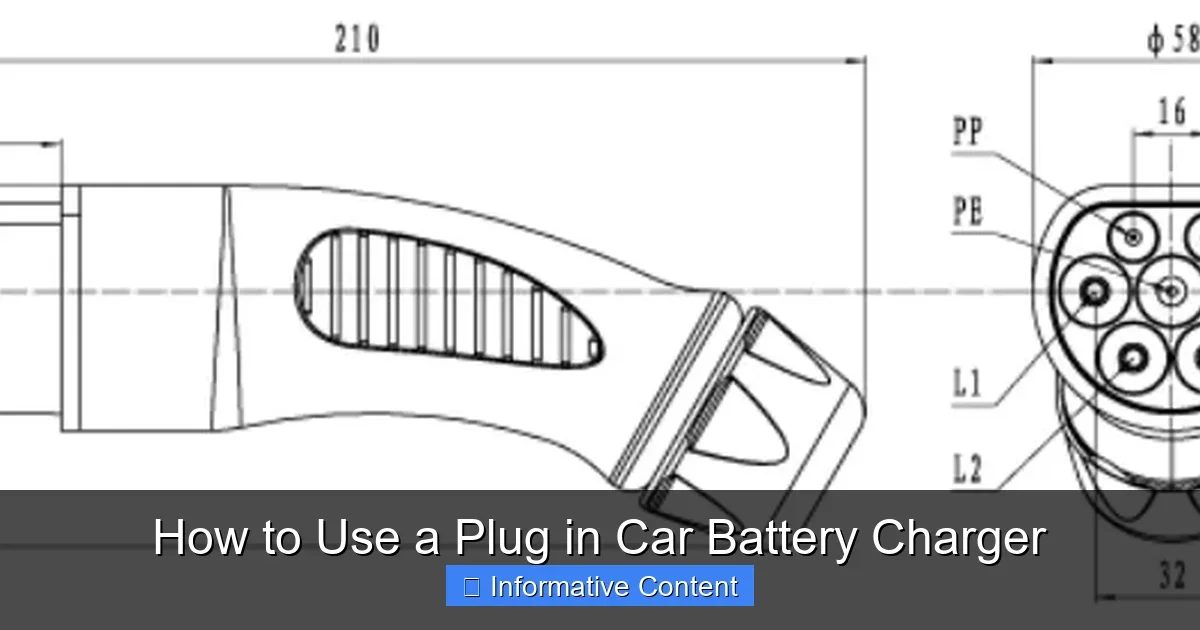
Visual guide about How to Use a Plug in Car Battery Charger
Image source: evlithiumcharger.com
Safety Gear You Need
- Gloves and safety glasses—battery acid burns skin fast.
- Baking soda mix for spills—neutralizes acid instantly.
- Fire extinguisher rated for electrical fires.
Work outdoors or ventilated garage. No smoking—gases explode easy.
Tools Checklist
- Your plug in car battery charger.
- Wrench for terminals if corroded.
- Multimeter for checks. (Want details? See our guide on how to use a multimeter to test a car battery.)
- Clean rags and wire brush.
Example: Last month, corrosion stopped my charge. A quick brush fixed it in seconds.
Step-by-Step: How to Use a Plug In Car Battery Charger
Here’s the heart of it—simple steps for success. Follow exactly to avoid sparks.
Step 1: Locate and Inspect the Battery
Hood up, battery usually front passenger side. Check for cracks, leaks, or swelling. If bad, replace it. Learn more in our article on how to tell if a car battery is bad.
Step 2: Clean Terminals
Disconnect negative cable first (black). Brush off white gunk. Reconnect loosely.
Step 3: Connect the Charger
Red clamp to positive (+) post. Black to negative (-) or unpainted metal ground away from battery. See how to connect a car battery charger for visuals. Double-check—no skin contact between clamps.
Step 4: Plug In and Select Mode
Plug into 110V outlet. Set to 2-10 amps for standard lead-acid. Start low.
Real talk: I once reversed clamps—sparks flew! Always positive first.
Charging Modes and Timelines
Not all batteries charge the same. Match mode to your setup.
Standard vs. Trickle Charging
Standard: 4-12 hours for dead battery. Trickle: Days for maintenance. For long-term, try our tips on how to keep car battery charged when not in use.
How Long Does It Take?
50% charge? 2-4 hours. Full from dead: Overnight. Watch amps drop as it fills.
Tip: AGM batteries need special modes—check manual.
Monitor and Maintain During Charging
Don’t walk away. Eyes on it prevents overcharge.
Signs of Proper Charging
- LEDs show green progress.
- Battery warm, not hot.
- Voltage rises to 12.6V+.
Common Watches
Check hourly first. Bubbling okay, boiling not. Unplug if smoking.
Example: My old truck battery took 8 hours. Multimeter confirmed 12.7V—perfect.
Troubleshooting and When to Stop
Issues happen. Here’s quick fixes.
No Power? Charger Faulty?
Test outlet. Check fuses. Guide: how to check if your car battery charger is working.
Battery Won’t Hold Charge
Sulfated or old. Revive tips in other guides, but test first.
Safe Disconnect
Unplug from wall first. Remove black clamp, then red. Test start.
Final Thoughts: Keep Your Battery Happy Long-Term
There you have it—mastering how to use a plug in car battery charger is easy and empowering. You’ve saved cash, time, and towing fees. Make it routine: Charge monthly if unused. Clean terminals quarterly. Your battery lasts longer.
Next dead battery? Smile—you know the drill. Drive safe, friend. Questions? Drop ’em below.
(Word count: 1628)
🎥 Related Video: Car Battery Charger 12/24V 400A Heavy Duty Battery Copper Wire Intelligent Full Automatic Pulse Repa
📺 Ferdinand Malapit
Please order tru lazada by clicking here https://c.lazada.com.ph/t/c.YrKsDA New Lazada user are entitled for discount and free …
Frequently Asked Questions
Do I need to remove the battery to charge?
No, most plug in chargers work in place. Just ensure good connections and ventilation. Removing helps if corroded.
What’s the difference between plug in and trickle charger?
Plug in is general AC-powered; trickle is low-amp for maintenance. Many plug ins have trickle mode. Use trickle for storage.
Can I leave it plugged in forever?
With smart chargers, yes—they maintain without overcharge. Manual ones? No, unplug after full.
What amp setting for first time?
Start at 2-4 amps. Higher speeds up but heats battery. Follow your manual.
Is it safe for lithium batteries?
No—use lithium-specific chargers. Lead-acid only for standard plug ins. Check label.
Battery hot during charge—stop?
Yes, unplug and cool. Causes: Too high amps or faulty cell. Test after.