
How to Use a Car Battery Charger at Home

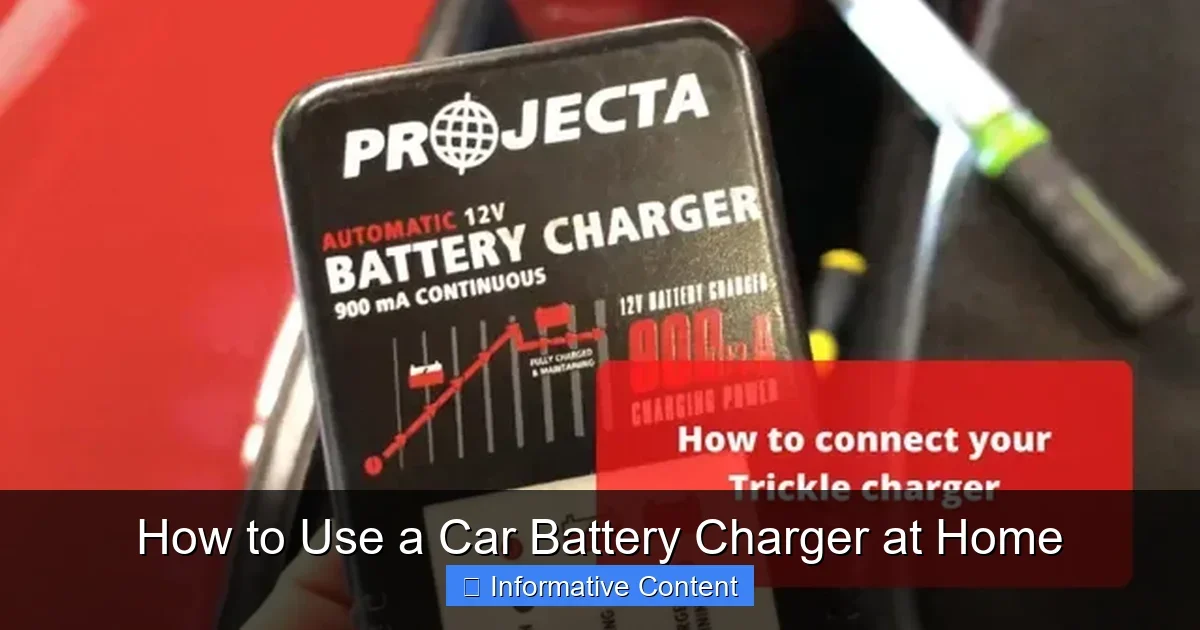
Featured image for How to Use a Car Battery Charger at Home
Image source: ourhometools.com
Using a car battery charger at home is simple and safe when done right. This guide walks you through every step, from safety checks to full charging. Save money and time by handling dead batteries yourself—no mechanic needed. (78 words)
How to Use a Car Battery Charger at Home
Hey, picture this. You hop into your car for work, turn the key, and… nothing. Dead battery. We’ve all been there. It’s frustrating, right? But don’t worry. Learning how to use a car battery charger at home can save the day. No tow truck. No expensive shop visit. Just you, your charger, and a few simple steps.
Why bother? Car batteries die from leaving lights on or short trips that don’t recharge them fully. A good charger fixes that fast. In this guide, we’ll cover everything. Safety tips. Step-by-step instructions. Even tricks for different chargers. By the end, you’ll charge like a pro. Let’s get your ride back on the road.
Ready? Grab your charger. We’ll start slow and build up. Trust me, it’s easier than changing a flat tire.
Key Takeaways
- Safety first: Always wear gloves and eye protection, and work in a well-ventilated area to avoid battery acid risks.
- Test before charging: Use a multimeter to check if your battery is truly dead or needs replacing.
- Match charger to battery: Pick the right amps and type, like trickle for maintenance or fast for quick boosts.
- Connect correctly: Red to positive (+), black to negative (-) or ground, never reverse.
- Monitor closely: Watch for overcharge signs like heat or bubbling to prevent damage.
- Disconnect safely: Remove negative clamp first, then positive, and test voltage after.
- Regular use extends life: Trickle charge monthly for long-term battery health.
Quick Answers to Common Questions
How long does it take to charge a car battery at home?
Typically 8-12 hours with a 2-10 amp charger. Depends on battery size and drain level. Full charge hits 12.6 volts.
Can I charge my car battery while it’s in the car?
Yes, safely. Engine off, hood up for ventilation. Connect clamps right to avoid sparks.
What’s the difference between trickle and fast charging?
Trickle is slow and safe for maintenance. Fast revives quicker but risks heat. Use smart types for best results.
Do I need to disconnect the battery cables?
No, usually not. Just connect charger clamps directly. Ground black clamp on metal if needed.
Is it safe to leave the charger on overnight?
Yes with auto-shutoff models. Monitor first time. Never leave manual ones unattended.
📑 Table of Contents
- Safety Precautions: Protect Yourself First
- Choosing the Best Car Battery Charger for Home Use
- Preparing Your Car Battery Before Charging
- Step-by-Step: How to Use a Car Battery Charger at Home
- Understanding Trickle Chargers for Long-Term Home Use
- After Charging: Testing and Maintenance Tips
- Troubleshooting Common Issues
Safety Precautions: Protect Yourself First
Safety isn’t optional when you learn how to use a car battery charger at home. Batteries hold acid and can spark. One wrong move, and boom—trouble. Follow these rules every time.
Wear the Right Gear
Put on safety glasses. Thick gloves too. Old clothes are best. Battery acid eats fabric fast. Work outside or in a garage with open doors. Fresh air keeps fumes away.
Check Your Workspace
Keep kids and pets away. No smoking—gases explode. Park on level ground. Turn off the engine. Remove keys. This stops any electrical surprises.
Pro tip: If your battery leaks, stop. Clean with baking soda and water. Then think replacement. Safety first keeps you charging happily.
Choosing the Best Car Battery Charger for Home Use
Not all chargers are equal. Pick wrong, and you risk damage. Or slow results. Let’s match one to your needs.
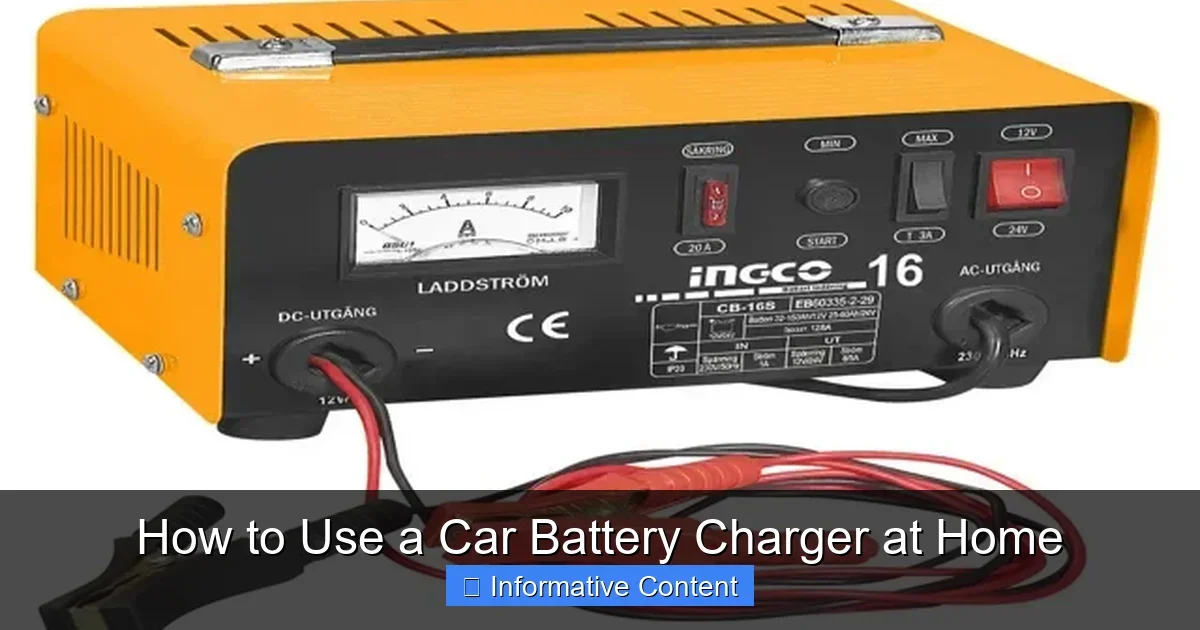
Visual guide about How to Use a Car Battery Charger at Home
Image source: ourhometools.com
Understand Charger Types
Trickle chargers give slow, steady power. Great for maintenance. Fast chargers boost quick but watch for heat. Smart chargers auto-stop. They detect full charge. Best for beginners.
Check amps. 2-10 amps for home use. Match your battery size—usually 40-60 amp-hours. Read the manual. Voltage? 12V for cars.
Example: Your Weekend Warrior Setup
Say your sedan battery is dead after a camping trip. Grab a 6-amp smart trickle charger. It revives overnight without overdoing it. For trucks? Go 10 amps. Faster juice.
Bonus: Look for reverse polarity protection. It saves you from hookup mistakes. Invest once, charge forever.
Preparing Your Car Battery Before Charging
Don’t just plug and pray. Prep work matters. A quick check tells if charging helps or if it’s toast.
Test the Battery Health
First, use a multimeter. Set to DC volts. Touch red to positive (+), black to negative (-). Good battery reads 12.6V+. Below 12V? Needs charge. Under 10V? Might be bad.
Want details? Check our guide on how to use a multimeter to test a car battery. It shows voltage, cranking power, everything.
Clean and Inspect
Wipe terminals with a wire brush and soda mix. Rust blocks flow. Tighten loose cables. If swollen or cracked, replace it. No sense charging junk.
Example: My buddy ignored corrosion. Charger failed. Cleaned it—worked perfect. Small step, big win.
Step-by-Step: How to Use a Car Battery Charger at Home
Here’s the heart. Follow this exactly. Repeat for every charge.
Step 1: Position the Charger
Place charger near battery. Cords should reach without stretch. Plug into a grounded outlet. Turn charger on but set to zero amps first.
Step 2: Connect the Clamps
Red clamp to positive (+) terminal. Firm snap. Black to negative (-) or unpainted metal ground away from battery. This cuts spark risk.
Details in our how to connect a car battery charger article. Visuals make it foolproof.
Step 3: Start Charging
Set amps low—2-4 for trickle. Turn on. Lights show status. Let it run. Door open if inside car.
Time? 8-12 hours for dead to full. See how long to charge a car battery at 6 amps for charts.
Step 4: Monitor and Adjust
Check hourly first. Warm is okay; hot means stop. Gas smell? Disconnect fast.
Understanding Trickle Chargers for Long-Term Home Use
Trickle chargers shine for home. They sip power, prevent drain. Perfect for storage.
When to Use a Trickle Charger
Winter storage? Hook up. Classic cars? Yes. They maintain 13.2-13.8V without overcharge.
Our how to use a trickle charger on car battery guide dives deeper. Steps mirror above but slower.
Real-Life Tip
I trickle my boat battery monthly. Lasted 5 years extra. Yours can too.
After Charging: Testing and Maintenance Tips
Charged? Don’t stop. Test and care keep it going.
Disconnect Safely
Turn off charger. Unplug. Black clamp first, then red. Retest voltage—12.6V means success.
Spot Bad Batteries Early
If it drops fast, it’s weak. Learn more in how to tell if a car battery is bad.
Maintenance Hacks
- Charge monthly if unused.
- Drive 30 minutes post-charge.
- Store at half charge.
These extend life 2-3 years.
Troubleshooting Common Issues
Things go wrong. Here’s fixes.
Charger Won’t Start
Check fuses. Polarity? Swap clamps if auto-detect fails.
Battery Won’t Hold Charge
Parasitic drain or age. Test alternator next.
Overheating
Lower amps. Ventilate. Smart chargers prevent this.
Stuck? Read manual or pros.
Wrapping up, mastering how to use a car battery charger at home empowers you. Save cash. Fix fast. Stay stranded no more. Start today—your battery thanks you. Got questions? Drop a comment. Happy charging!
(Word count: 1624)
🎥 Related Video: How to charge 12v Car Battery
📺 CarHow
Its seen as good practice to connect the black wire second, and to connect it to some bare metal part in the engine.
Frequently Asked Questions
Can I use a car battery charger on a motorcycle?
Yes, if voltage matches—usually 12V. Use low amps like 2A to avoid overload. Check manual for small batteries.
What if my charger sparks when connecting?
Connect positive first with engine off. Use ground for negative away from battery. Sparks mean wrong order—retry safely.
How do I know when the battery is fully charged?
Voltage at 12.6-12.8V. Charger light turns green. Or current drops below 0.5 amps. Retest after rest.
Will charging damage my car’s electronics?
Rarely with proper chargers. Modern ones regulate voltage. Disconnect if worried, or fuse alternator line.
Can I charge a completely dead battery?
Yes, but slowly. Use desulfator mode if available. If no hold after, replace it—dead means sulfated.
How often should I charge my car battery at home?
Monthly for stored cars. After short trips. Or if voltage dips below 12.4V. Prevents deep discharge damage.