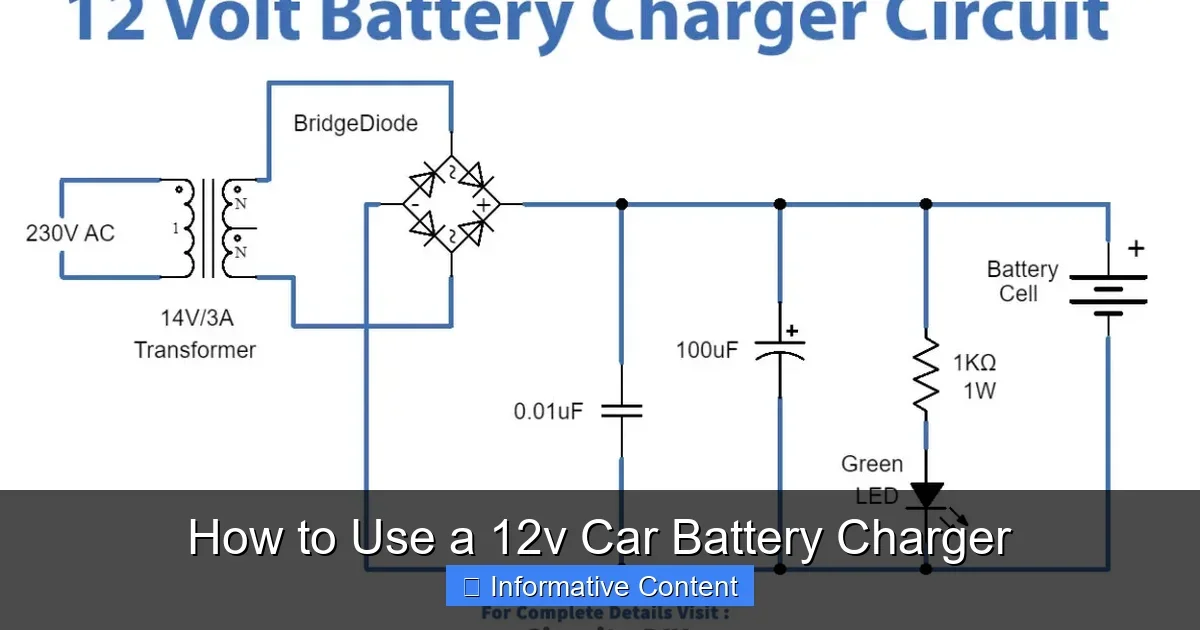
Featured image for How to Use a 12v Car Battery Charger
Image source: i2.wp.com
Discover simple steps on how to use a 12v car battery charger to bring your dead battery back to life. This guide covers safety tips, connections, charging times, and troubleshooting for hassle-free results. Save money and time by doing it yourself like a pro. (92 words)
How to Use a 12v Car Battery Charger
Hey there, friend. Ever come out to your car in the morning, turn the key, and… nothing? That dreaded dead battery moment hits us all. But don’t worry. Learning how to use a 12v car battery charger is easier than you think. It’s a game-changer that saves you a tow truck call and a chunk of cash.
I’ve been there, fumbling with clamps in the garage. Now, I charge my battery like a pro. This guide walks you through every step. We’ll cover safety, setup, charging, and tips to keep things smooth. By the end, you’ll handle any flat battery with confidence. Let’s get your ride started!
Whether it’s winter drain or you left the lights on, a 12v car battery charger is your best buddy. Stick with me, and you’ll master how to use a 12v car battery charger in no time.
Key Takeaways
- Safety first: Always wear gloves and eye protection before handling batteries or chargers.
- Check battery health: Use a multimeter to test voltage and ensure it’s chargeable.
- Correct connections: Red to positive (+), black to negative (-) – never reverse them.
- Monitor progress: Charge in a well-ventilated area and check every few hours.
- Know when to stop: Most 12v batteries are full at 12.6-12.8 volts.
- Maintenance tip: Use a trickle charger for long-term storage to prevent discharge.
- Troubleshoot wisely: If it won’t charge, the battery might be bad – test it properly.
Quick Answers to Common Questions
How long to charge a dead 12v car battery?
Expect 12-24 hours with a 2-10 amp charger. Test voltage to confirm full at 12.6V.
Can I charge with the car on?
No. Turn off engine and accessories. Prevents surges and sparks.
What if my charger sparks?
Check connections. Ensure red on positive, black on negative. Unplug if hot.
Do I need to remove the battery?
Not always. Charge in place if accessible. Remove for deep cleans.
Is a trickle charger the same?
No. Trickle is low-amp maintenance. Use standard for fast revival.
📑 Table of Contents
- Safety First: Gear Up Before You Start
- Choosing the Best 12v Car Battery Charger for Your Needs
- Step-by-Step: Connecting Your 12v Car Battery Charger
- Monitoring the Charge: What to Watch For
- Troubleshooting: When Things Go Wrong
- Tips and Best Practices for Long Battery Life
- Wrapping It Up: Master Your 12v Car Battery Charger Today
Safety First: Gear Up Before You Start
Safety isn’t optional when dealing with batteries. They pack power and can spark or leak acid. Treat them with respect, okay?
Wear Protective Gear
Grab safety glasses and rubber gloves. Batteries can spit acid. It burns skin fast. Keep a baking soda mix nearby to neutralize spills. Works like magic on acid.
Pick the Right Spot
Charge outdoors or in a garage with good airflow. No enclosed spaces. Hydrogen gas builds up during charging. It’s flammable. One spark, boom. Keep kids and pets away too.
Inspect Everything
Check your 12v car battery charger for damage. Frayed cords? Toss it. Look at battery terminals. Corroded? Clean with baking soda and water. Dry well. Pro tip: Before diving in, learn how to use a multimeter to test a car battery. It tells if it’s worth charging.
Follow these, and you’re set safe. No shocks, no fires. Now, let’s connect.
Choosing the Best 12v Car Battery Charger for Your Needs
Not all chargers are equal. Pick wrong, and you risk damage. Let’s find your match.
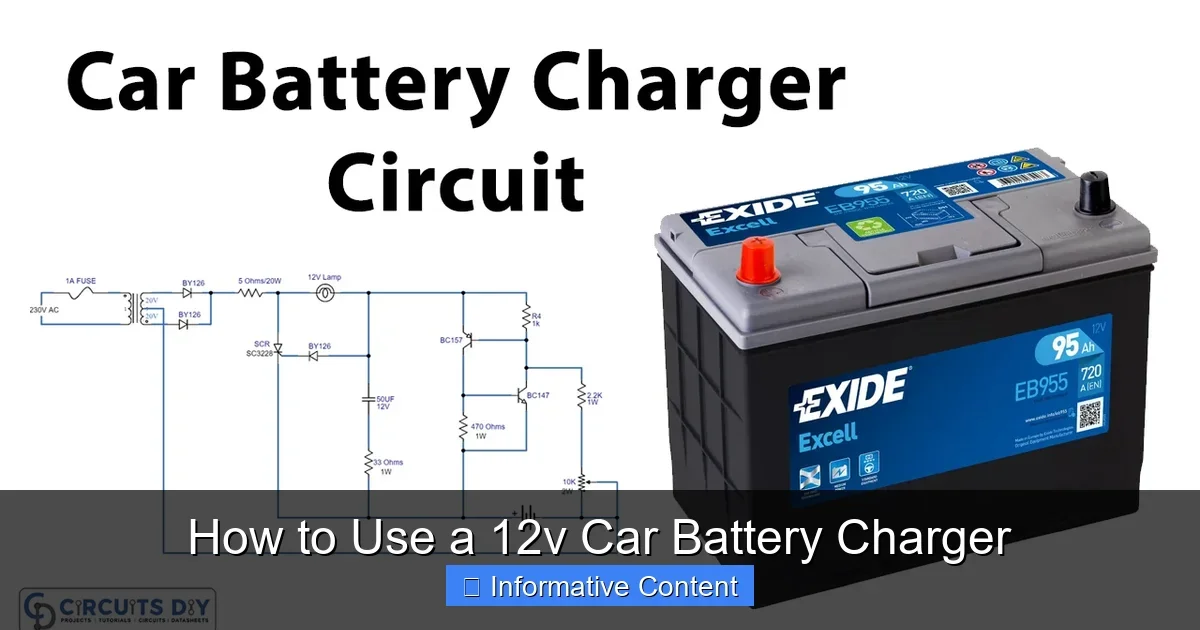
Visual guide about How to Use a 12v Car Battery Charger
Image source: circuits-diy.com
Understand Charger Types
Manual chargers need watching. Automatic ones stop when full – smarter choice. Trickle chargers sip power slow for maintenance. For quick boosts, go 10-20 amps. Read our guide on how to use a trickle charger on car battery if storage is your thing.
Match Amps to Battery Size
Standard car battery? 40-60 amp-hours. Use 2-10 amps charger. Too high fries it. Check your manual. Example: My 50Ah battery loves a 6-amp unit. Charges in 8-10 hours.
Smart Features to Look For
Get one with voltage display and reverse polarity protection. LED indicators show stages: bulk, absorption, float. Desulfator modes revive sulfated batteries. Budget? $30-100 gets quality.
Right charger makes how to use a 12v car battery charger foolproof. Invest once, save forever.
Step-by-Step: Connecting Your 12v Car Battery Charger
Connections are key. Wrong way sparks or damages. Follow this exactly.
Prep the Battery
Turn off car. Remove keys. If battery’s in car, pop hood. Disconnect negative cable first if removing. Clean terminals shiny.
Hook Up the Clamps
Red clamp to positive (+) terminal. First. Black to negative (-) or ground away from battery. Like chassis bolt. Never positive to negative. See how to connect a car battery charger for visuals if needed.
Plug It In
Connect charger to outlet last. Set amps low, like 2-10. Switch on. Lights should glow green or show charging. Example: Left lights on overnight? Connect, charge 12 hours. Starts right up.
There. You’re charging! Patience now.
Monitoring the Charge: What to Watch For
Don’t walk away forever. Check progress. Overcharge kills batteries.
Charging Stages Explained
Bulk: Fast fill to 80%. Absorption: Slow top-off. Float: Maintains full. Good chargers auto-switch. Bubbles mean it’s working. Smell? Ventilate more.
How Long Does It Take?
Dead battery? 12-24 hours at 2 amps. Half dead? 4-8 hours. Test voltage: 12.6V full. Use multimeter. My tip: Check hourly first two, then every 4.
Signs It’s Done
Charger says full. Voltage steady at 12.7V. Amps drop to zero. Disconnect power first, then clamps. Black off first, red last.
Monitor smart, charge perfect every time.
Troubleshooting: When Things Go Wrong
Issues happen. Stay calm. Fix most easy.
No Power or Lights?
Check outlet. Loose clamps? Tighten. Fuse blown? Replace. Still nada? Charger bad.
Battery Won’t Hold Charge
Sulfated or old. Try desulfator mode overnight. If under 12.4V after charge, it’s toast. Check how to tell if a car battery is bad.
Overheating or Sparks?
Stop now. Unplug. Check polarity. Cool down, retry. Example: Reversed once – sparks flew. Swapped, charged fine.
These fixes save the day. Know limits, replace when needed.
Tips and Best Practices for Long Battery Life
Charging is step one. Habits keep it going.
Regular Maintenance
Charge monthly if not driving. Trickle for winter storage. Clean terminals quarterly. Tighten loose ones.
When to Jump Instead
Urgent start? Chargers can jump too. But cables faster sometimes. Avoid deep cycles.
Storage and Travel Tips
Remove battery for months? Fully charge, trickle monthly. Road trip? Check voltage before. Pro move: Hybrid owners, see special care guides.
These habits make your 12v battery last 3-5 years. Charge smart, drive happy.
Wrapping It Up: Master Your 12v Car Battery Charger Today
There you have it, buddy. Now you know exactly how to use a 12v car battery charger. From safety to disconnect, you’re covered. No more stranded panic. Grab your charger, test that battery, and hit the road.
Practice once, own it forever. Questions? Drop ’em below. Drive safe!
(Word count: 1624)
🎥 Related Video: How to charge 12v Car Battery
📺 CarHow
Its seen as good practice to connect the black wire second, and to connect it to some bare metal part in the engine.
Frequently Asked Questions
Can I leave my 12v car battery charger connected overnight?
Yes, if it’s automatic with float mode. It stops overcharging. Manual? Check every 4 hours to avoid damage.
What amp setting for a 12v car battery charger?
Start at 2-10 amps for most cars. Higher for boats or trucks. Match to battery size for best results.
Why is my battery not charging with the 12v charger?
Could be dead cells, wrong connections, or bad charger. Test voltage first. Might need replacement.
Is it safe to charge in the car?
Yes, in a ventilated hood area. Disconnect negative cable if possible. Watch for gas buildup.
How do I know if charging worked?
Voltage at 12.6-12.8V means full. Car starts strong. Retest after a drive.
What’s the difference between fast and slow charging?
Fast (high amps) revives quick but heats battery. Slow (trickle) is gentler, better for maintenance and longevity.