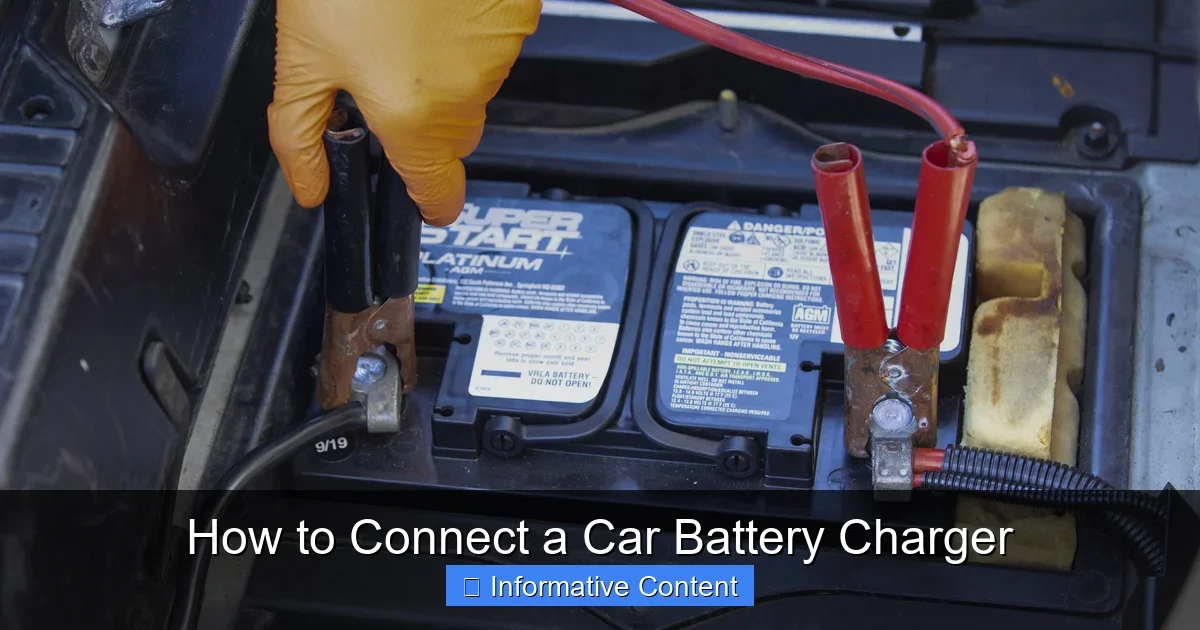
Featured image for How to Connect a Car Battery Charger
Image source: hips.hearstapps.com
Connecting a car battery charger is simple and safe when done right. Follow our easy steps to charge your battery without sparks or damage. Always prioritize safety and check your battery first for best results. (78 words)
How to Connect a Car Battery Charger
Hey there, friend. Ever had your car refuse to start on a busy morning? That sinking feeling when the engine just clicks? It’s often the battery. Knowing how to connect a car battery charger can save the day. No need for a tow truck or expensive mechanic visit. With basic tools and a few minutes, you can bring that battery back to life.
I’ve been there myself—stranded in a parking lot with a dead battery after forgetting to turn off the lights. Grabbing a charger was my quick fix. Today, I’ll walk you through it like we’re chatting in the garage. We’ll cover safety, steps, tips, and more. Stick around, and you’ll master how to connect a car battery charger like a pro.
Why bother? A good charge keeps your car reliable, saves money, and extends battery life. Let’s dive in and get your ride humming again.
Key Takeaways
- Safety first: Wear gloves, eye protection, and work in a ventilated area to avoid acid fumes and sparks.
- Positive first: Always connect the red positive clamp to the battery’s positive terminal before the black negative one.
- Secure connections: Ensure clamps grip tightly without touching each other to prevent short circuits.
- Monitor charging: Check voltage periodically and never leave unattended for too long.
- Disconnect reverse: Remove negative clamp first, then positive, to safely end the charge.
- Test battery: Use a multimeter to confirm if your battery needs charging or replacement.
Quick Answers to Common Questions
Do I connect positive or negative first?
Always positive (red) first, then negative (black). This minimizes spark risk.
Can I charge with the car running?
No. Turn everything off to avoid damage to alternator or electronics.
How long to charge a dead battery?
4-12 hours depending on charger amps and battery size. Monitor voltage.
What if the charger sparks?
Disconnect immediately. Check order and clean terminals. Retry carefully.
Is it okay to leave charger overnight?
Yes, with smart or trickle chargers that auto-shutoff. Never manual fast chargers.
📑 Table of Contents
Safety Precautions Before You Start
Safety isn’t optional when learning how to connect a car battery charger. Batteries hold acid and can spark. One wrong move, and boom—trouble.
Wear Protective Gear
Grab gloves, safety glasses, and maybe an apron. Acid splashes hurt. Work outside or in a garage with good airflow. Fumes aren’t fun to breathe.
Park Smart and Prep the Car
Park on level ground. Turn off the engine, lights, everything. Remove keys. Disconnect accessories like radios if possible. This cuts risks.
Check Your Workspace
Keep kids and pets away. No smoking—gases explode easy. Have baking soda nearby for spills. It neutralizes acid fast. Example: I once spilled a drop on my hand. Quick rinse and baking soda saved the day.
Pro tip: If unsure about your battery’s health, learn how to check a car battery with a multimeter. It tells you if charging is worth it.
Tools and Materials You’ll Need
Don’t wing it. Right gear makes how to connect a car battery charger a breeze. Here’s your list:
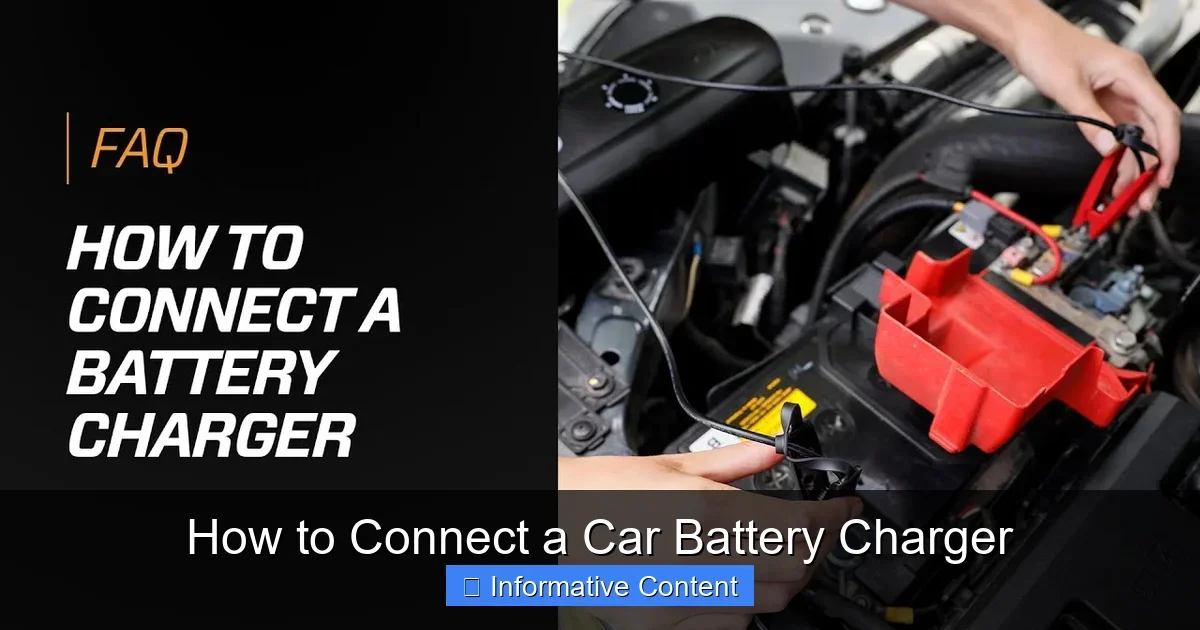
Visual guide about How to Connect a Car Battery Charger
Image source: i.ytimg.com
- Car battery charger (smart or manual, 2-10 amps).
- Wrench set (usually 10mm for terminals).
- Gloves and goggles.
- Wire brush or terminal cleaner.
- Multimeter for testing.
- Baking soda and water for cleanup.
Choosing the Right Charger
Trickle chargers are slow and safe for maintenance. Fast chargers juice up quicker but watch heat. Smart ones auto-stop—best for newbies. Match amps to battery size. Too high? Overheats. Example: My 6-amp trickle revived an old battery overnight.
For specifics on slow chargers, check how to connect a trickle charger to car battery.
Finding and Preparing Your Car Battery
Batteries hide sometimes. Pop the hood. Look for the black box with + and – marks. In trucks or some cars, it’s under the back seat or side panel.
Clean the Terminals
Corrosion looks like white fuzz. Mix baking soda and water. Scrub gently. Rinse. Dry. Clean terminals grip better. Shiny contacts charge faster.
Test Before Charging
Use a multimeter. Set to DC volts. Touch red to +, black to -. 12.6V is full. Below 12V? Needs charge. 10V or less? Might be toast. Learn more in our guide on how to tell if you need a new car battery.
Tip: Note cable positions. Positive is red cover, negative black or grounded.
Step-by-Step: How to Connect a Car Battery Charger
Now the fun part—how to connect a car battery charger. Go slow. Order matters.
Step 1: Plug in the Charger
Don’t connect to car yet. Plug charger into wall outlet. Turn off if it has a switch. Power waits safely.
Step 2: Connect Positive First
Red clamp to positive (+) terminal. Hear a click? Good grip. Wiggle to secure. No touching metal parts.
Step 3: Connect Negative Last
Black clamp to negative (-) post. Or a chassis ground bolt away from battery. Sparks less here. Why? Positive first reduces arc risk.
Step 4: Turn On Charger
Set mode—charge or boost. Watch lights. Amps start high, drop as it fills. Example: My Ford took 4 hours to go from 11V to 12.6V.
Visualize: Red on +, black on -. Charger humming. You’re golden.
Monitoring the Charge and Types of Chargers
Don’t walk away forever. Check every 30 minutes first.
Watch for Overcharge Signs
Battery warm? Okay. Hot? Stop. Bubbling? Ventilate. Smart chargers beep when done.
Trickle vs. Fast Chargers
Trickle: 1-2 amps, overnight safe. Fast: 20+ amps, 1-2 hours. Match your need. For dead batteries, slow wins to avoid damage.
How Long Does It Take?
Depends. 50 amp-hour battery at half charge? 4-8 hours on 6 amps. Test voltage to confirm.
Bonus: Some chargers jump-start too. See how to jump a car with a battery charger for emergencies.
Disconnecting Safely and Troubleshooting
Charge done? Reverse the process.
Disconnect Order
Black negative off first. Then red positive. Unplug from wall. Prevents sparks.
Common Issues and Fixes
- No charge? Check fuses, connections.
- Sparks? Wrong order—retry safely.
- Charger hot? Wrong size—swap.
- Battery won’t hold? Test load. Might need how to revive a car battery.
Post-Charge Test
Multimeter again. Start car. If weak, repeat or replace.
Troubleshoot tip: Loose cables? Tighten. Corrosion back? Clean often.
Final Thoughts: Keep Your Battery Happy
There you have it—mastering how to connect a car battery charger. It’s empowering, right? Save trips to the shop, stay road-ready. Practice once, and it’s muscle memory.
Drive safe: Turn off lights, limit short trips. Batteries love full charges. Questions? Drop a comment. Your car’s thanks you!
(Word count: 1624)
🎥 Related Video: How to charge 12v Car Battery
📺 CarHow
Its seen as good practice to connect the black wire second, and to connect it to some bare metal part in the engine.
Frequently Asked Questions
Why won’t my charger start charging?
Check if it’s plugged in, fuses are good, and clamps are secure. Test outlet. Dirty terminals block flow too.
Can I connect a car battery charger to a running engine?
No, always turn off the engine first. Running alternator interferes and risks overload.
How do I know when the battery is fully charged?
Use a multimeter for 12.6V or higher. Charger lights or auto-stop indicate full too.
What amp charger for my car battery?
2-10 amps for maintenance, 20+ for quick charge. Match your battery’s amp-hour rating.
Is it safe to charge in the garage?
Yes, if ventilated. Avoid enclosed spaces due to hydrogen gas buildup risk.
What if my battery is frozen?
Don’t charge—thaw first in warm spot. Frozen batteries can explode. Replace if damaged.