
How to Check If Your Car Battery Charger Is Working

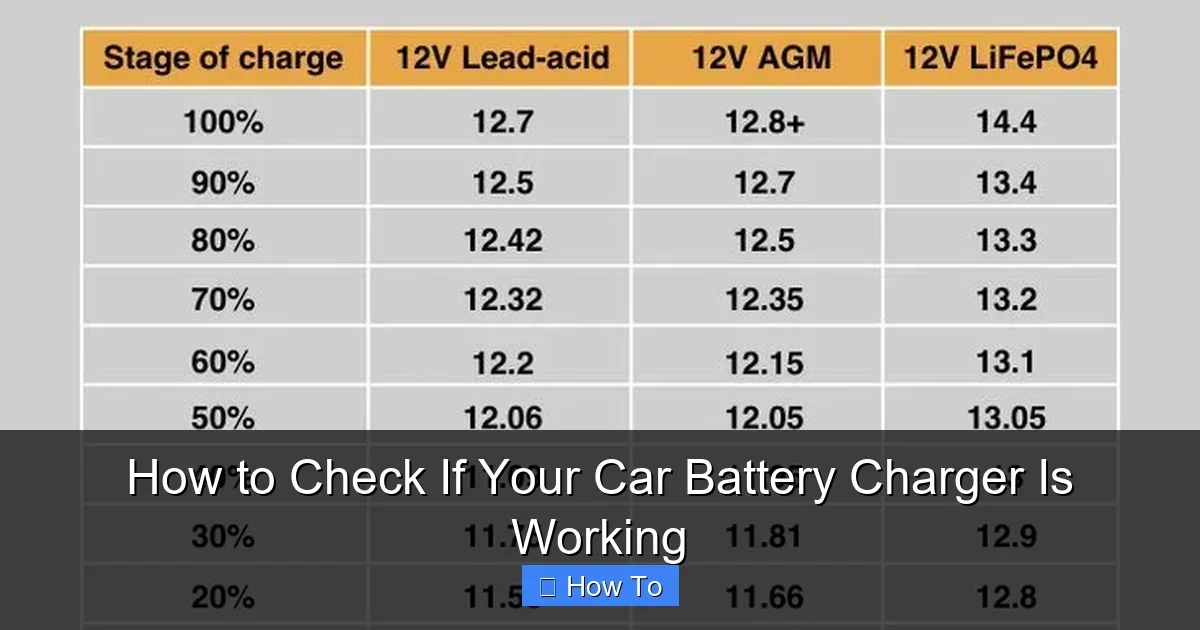
Featured image for How to Check If Your Car Battery Charger Is Working
Image source: i.pinimg.com
Is your car battery charger failing you? This guide shows you how to check if your car battery charger is working using basic tools like a multimeter. Follow our step-by-step instructions to test power, voltage, and charging performance safely at home. Get your vehicle running smoothly again in no time.
Key Takeaways
- Safety first: Always unplug the charger and wear gloves before testing to avoid shocks or sparks.
- Visual check: Look for damage, frayed cables, or burnt smells on your car battery charger.
- Multimeter test: Measure output voltage; it should match the charger’s rating, like 12-14 volts for standard models.
- Test on battery: Hook it up to a known good battery and monitor voltage rise over time.
- Indicator lights: Ensure LEDs or displays show proper charging modes without errors.
- Troubleshoot outlets: Try different power sources to rule out faulty plugs.
- When to replace: If it fails multiple tests, get a new charger for reliable performance.
Quick Answers to Common Questions
Multimeter on hand?
Yes! It’s the best tool for accurate voltage reads during tests.
Charger gets hot?
Unplug it right away—overheating signals internal failure.
No power light?
Check the outlet first, then the fuse inside the unit.
Battery not charging?
Test the battery health separately before blaming the charger.
Best time to test?
Monthly or before winter to avoid surprises.
Introduction: Why You Need to Know How to Check If Your Car Battery Charger Is Working
Hey there, fellow car owner! Have you ever plugged in your car battery charger, waited hours, and still had a dead battery? Frustrating, right? That’s why learning how to check if your car battery charger is working is a game-changer. In this guide, you’ll get simple, step-by-step instructions to test your charger at home. No fancy tools needed—just a multimeter, some basic safety gear, and about 30 minutes.
We’ll cover visual inspections, power tests, voltage checks, and real-world charging trials. By the end, you’ll know if your charger is good or if it’s time for a replacement. Plus, we’ll troubleshoot common issues. Let’s keep your rides reliable and your wallet happy!
Gather Your Tools and Safety Gear
Before diving into how to check if your car battery charger is working, grab these essentials. Safety comes first—car batteries and chargers involve electricity and acid.
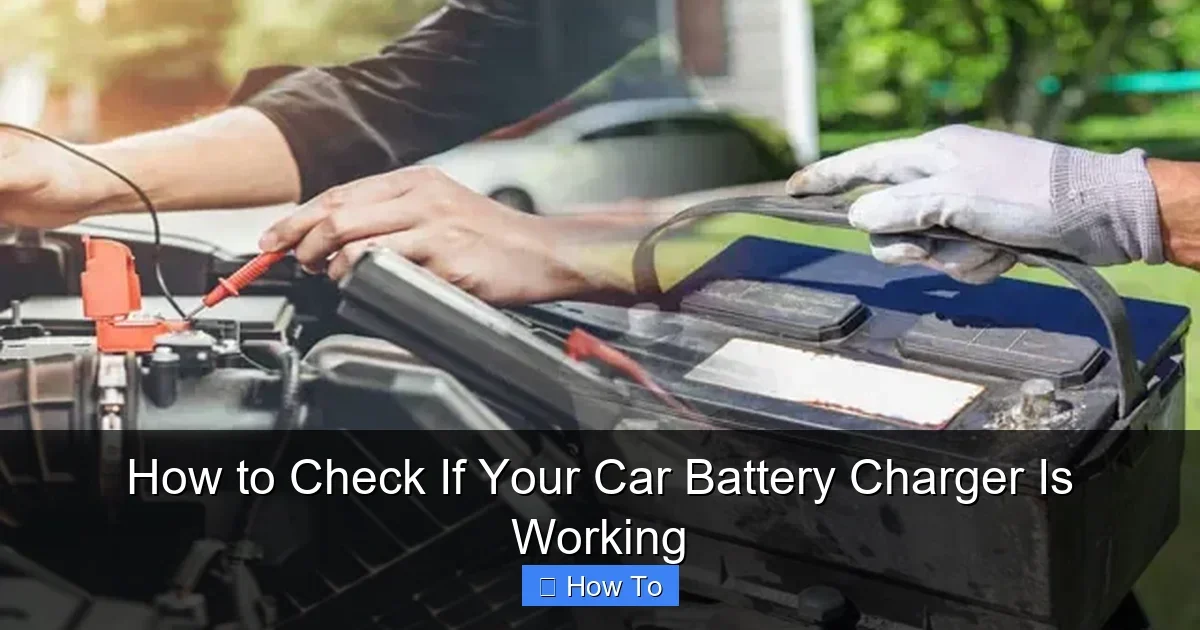
Visual guide about How to Check If Your Car Battery Charger Is Working
Image source: toolsguide.org
Tools You’ll Need
- Digital multimeter (under $20 at any auto store).
- Known good car battery (or borrow one).
- Screwdriver set.
- Clean rags and baking soda for spills.
- Extension cord (if needed).
Safety Tips
- Wear rubber gloves and safety glasses.
- Work in a well-ventilated area.
- Unplug everything before handling cables.
- Never smoke or create sparks near batteries.
Got your gear? Great. Let’s start with the basics.
Step 1: Perform a Visual Inspection
The easiest way in how to check if your car battery charger is working begins with your eyes. Many faults show up right away.
Check the Charger Body
- Look for cracks, dents, or melted plastic.
- Smell for burnt odors—a red flag for internal damage.
- Test buttons or dials; they should click smoothly.
Inspect Cables and Clamps
- Examine power cord for frays or cuts.
- Check battery clamps for corrosion or loose jaws.
- Wiggle connections—nothing should feel loose.
Example: I once had a charger with a frayed cord. It sparked when plugged in. Visual check saved me from a fire hazard!
If all looks good, move on. Damage means replace it now.
Step 2: Test the Power Source and Plug
Your outlet might be the culprit, not the charger. Here’s how to rule it out in how to check if your car battery charger is working.
Verify Outlet Power
- Plug in a lamp or phone charger. Lights on?
- Use a outlet tester ($5 tool) for wiring issues.
- Try a different outlet or extension cord.
Check Charger’s Power Light
Plug it in. Does the power LED glow? No light means a bad cord, fuse, or transformer. Open the case (unplugged!) and inspect the fuse—replace if blown.
Pro tip: Label outlets as “good” or “test” after checks. Saves time next time.
Step 3: Measure Output Voltage with a Multimeter
This is the gold standard for how to check if your car battery charger is working. A multimeter tells if it’s pushing the right volts.
Set Up Your Multimeter
- Turn dial to DC volts (20V range).
- Plug red lead into V/Ω port, black into COM.
Test Without Battery (No-Load Voltage)
- Plug in charger but don’t connect to battery.
- Touch red probe to positive clamp, black to negative.
- Expect 12-18V for standard chargers (check manual).
Low voltage? Charger might be weak. For more on multimeters, see our guide on how to check car battery multimeter.
Practical Example
My 10-amp charger should output 14V. It read 11V—failing! Adjusted to load test next.
Step 4: Perform a Charging Test on a Battery
Now, the real deal. Hook it up to test actual charging. First, ensure your battery isn’t dead. Learn how to tell if your car battery is dead here.
Prepare the Battery
- Clean terminals with baking soda/water mix.
- Charge a partially discharged battery (10-12V).
Connect and Monitor
- Red clamp to positive (+), black to negative (-).
- Plug in charger. Watch indicators.
- Measure battery voltage every 15 minutes.
It should rise steadily (e.g., 12.2V to 12.6V in 30 mins). Flatline? Charger issue. For setup help, check how to hook up car battery charger.
Time It Right
Trickle chargers take hours; fast ones minutes. No rise after 1 hour? Faulty.
Step 5: Check Charger Indicators and Modes
Modern chargers have smart features. Test them during how to check if your car battery charger is working.
Review Display or LEDs
- Bulk charge: High amps, green light.
- Float mode: Low amps, maintenance.
- Error codes: Consult manual (e.g., “reverse polarity”).
If stuck on one mode, it might need repair. Example: My unit blinked “bad battery”—but it was the charger’s sensor.
Troubleshooting Common Problems
Not passing tests? Don’t panic. Here’s how to fix issues in how to check if your car battery charger is working.
Charger Won’t Turn On
- Check fuse inside (unplugged).
- Test power cord continuity with multimeter.
No Voltage Output
- Clean clamps thoroughly.
- Try reverse polarity mode if available.
Overheats or Smokes
Unplug immediately! Internal short—replace it. Safety first.
Slow Charging
- Bad connection? Tighten clamps.
- Weak battery? Test it separately via how to use a car battery charger.
Still stuck? Watch for warranty or auto shop diagnostics.
Advanced Test: Load Test the Charger
For pros, simulate real load.
What You’ll Need
- Resistor load bank (or car battery under load).
- Multimeter in amps mode.
Connect load, measure amps. Should match rating (e.g., 2-50A). Drops too low? Failing rectifier.
When to Buy a New Car Battery Charger
If it fails 2+ tests, retire it. Look for smart chargers with auto-reverse and thermal protection. Budget $30-100.
Pro tip: Maintain by storing dry, cables coiled loosely.
Conclusion: Drive Confidently with a Working Charger
Congrats! You now know how to check if your car battery charger is working like a pro. Regular checks prevent roadside woes. Test monthly, especially in winter. Your car—and wallet—will thank you. Got questions? Drop a comment. Safe driving!
(Word count: 1628)
🎥 Related Video: How to charge 12v car battery
📺 GLC HOW?