
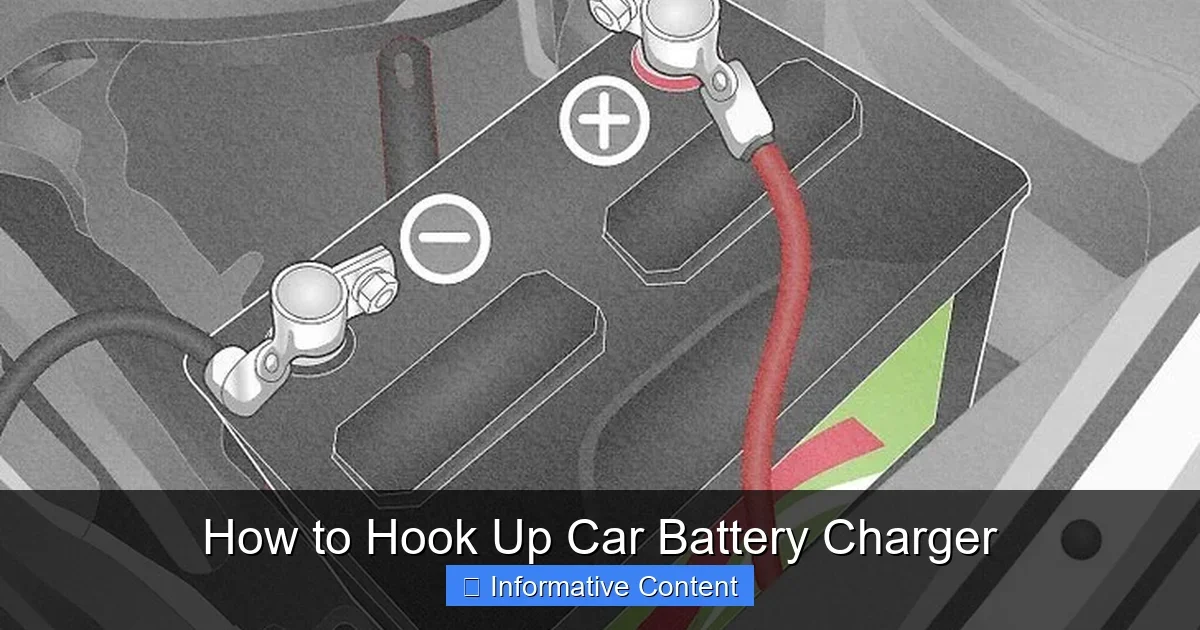
Featured image for How to Hook Up Car Battery Charger
Image source: wikihow.com
Struggling with a dead car battery? Hooking up a charger is simple if you follow safety steps. This guide walks you through everything from prep to charging, so you can get back on the road fast. No more towing bills or frustration! (98 words)
How to Hook Up Car Battery Charger
Hey, friend. Ever come out to your car in the morning, turn the key, and… nothing? That sinking feeling when your battery is dead hits hard. But don’t worry. Learning how to hook up car battery charger is easier than you think. It’s a skill every driver should know.
I’ve been there. Stranded at work, late for a date, or just needing a quick fix before a road trip. A good battery charger can save the day. In this guide, we’ll cover everything step by step. You’ll feel like a pro in no time.
We’ll talk safety, tools, exact steps, and tips to avoid mess-ups. Plus, when to call it quits on that old battery. Let’s get your ride fired up!
Key Takeaways
- Safety first: Wear gloves and goggles, work in a ventilated area, and never connect charger with engine running.
- Positive first: Always hook up the red (positive) clamp before the black (negative) to avoid sparks.
- Secure connections: Clean terminals for best contact; use a wire brush if corroded.
- Monitor closely: Check for overheating; unplug once fully charged to prevent damage.
- Dead battery check: Test voltage first—if below 12.4V, it may need charging or replacement.
- Trickle vs. fast: Use trickle for maintenance; fast chargers for quick boosts but watch heat.
Quick Answers to Common Questions
Do I charge with engine on?
No. Engine off prevents alternator damage and sparks.
Red or black first?
Red (positive) first, then black. Unplug reverse.
Can I charge in the car?
Yes, pop hood and connect directly. No removal needed.
How do I know it’s charged?
12.6V+ on multimeter or charger light says full.
What if it sparks?
Clean terminals, connect positive first. Stop if big sparks.
📑 Table of Contents
Safety Precautions Before Hooking Up Your Charger
Safety isn’t optional here. Batteries pack power—and acid. One wrong move, and you could spark a fire or get a nasty shock. Let’s start right.
Wear Protective Gear
Grab gloves and safety goggles. Batteries can leak acid or explode if shorted. Thick rubber gloves protect your hands. Goggles shield your eyes from sparks or splashes. Trust me, it’s worth the extra minute.
Choose the Right Spot
Work outdoors or in a garage with good airflow. Fumes from charging are no joke—they’re hydrogen gas, super flammable. Keep kids and pets away. Turn off the car completely. No engine running while hooking up.
Check Your Charger and Battery
Inspect the charger for damage. Frayed cords? Toss it. Before connecting, see if your battery needs more than a charge. If it’s bulging or leaking, replace it. Learn how to tell if a car battery is bad to save time.
Tools and Materials You Need
You don’t need a toolbox full of gadgets. Keep it simple. Here’s your must-have list for how to hook up car battery charger.
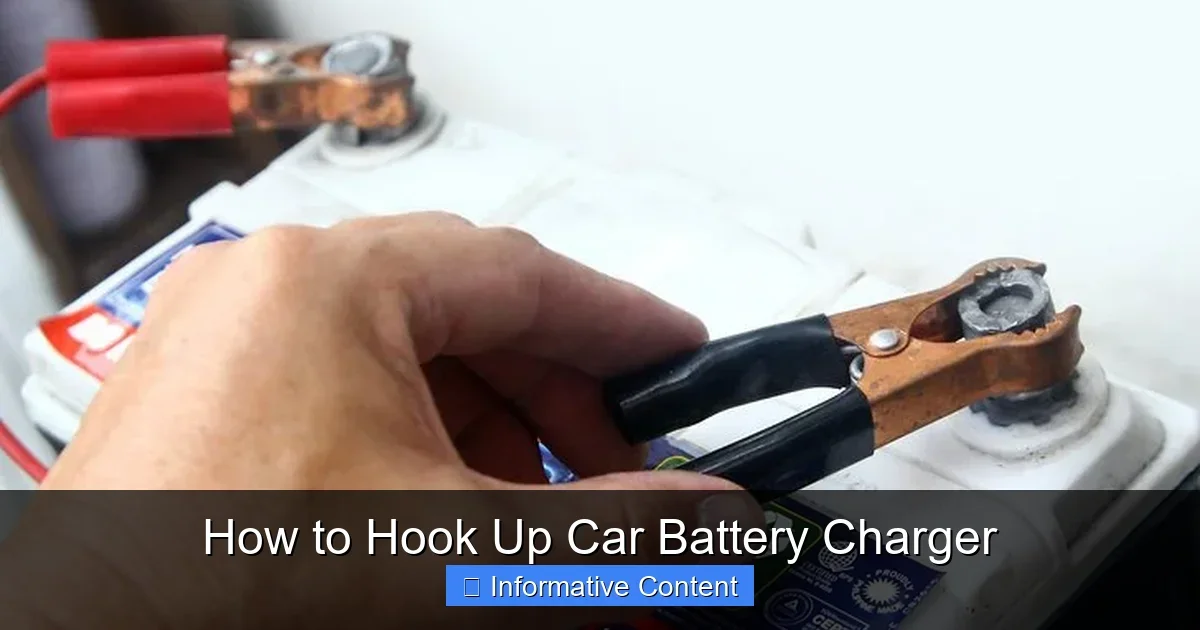
Visual guide about How to Hook Up Car Battery Charger
Image source: wikihow.com
Essential Items
- Battery charger (trickle or smart model best for beginners).
- Red and black clamps (usually included).
- Wire brush or baking soda mix for cleaning terminals.
- Multimeter (optional, but great for checks).
- Wrench (10mm or 13mm for battery hold-down).
Pro Tip on Chargers
Smart chargers auto-stop when full. They’re safer than old manual ones. If your battery’s in the car, no need to remove it. Just pop the hood. For maintenance, a trickle charger keeps it topped up without overcharge.
Step-by-Step Guide: How to Hook Up Car Battery Charger
Ready for the main event? Follow these steps exactly. Do positive first, always. It’s the golden rule for how to hook up car battery charger.
Step 1: Locate and Prep the Battery
Open the hood. Find the battery—usually front passenger side. Remove any covers. Loosen hold-down clamp with wrench if needed. Clean terminals. Dip a rag in baking soda water, scrub corrosion. Rinse and dry. Spark-free now!
Step 2: Connect Positive (Red) Clamp
Plug charger into wall outlet first? No—connect to battery first, then power. Clip red clamp to positive (+) terminal. Firm tug to secure. Hear a click? Good. No sparks if clean.
Step 3: Connect Negative (Black) Clamp
Now black to negative (-) post. Or better: to unpainted engine block or frame. This grounds it safely, away from battery fumes. Reduce explosion risk. Secure tight.
Step 4: Power On and Charge
Plug into outlet. Lights on charger show mode. Set to 2-10 amps for cars. Watch it bubble gently. That’s normal. Leave it 4-12 hours, depending on deadness.
Example: My buddy’s sedan battery was at 11V. Hooked up overnight on 2A trickle. Started perfect next day.
Common Mistakes to Avoid When Hooking Up
Everyone slips up once. Don’t let it be you. These pitfalls ruin batteries or worse.
Reversing Polarity
Red to negative? Boom—sparks, damage, fire. Double-check labels. Positive is bigger post usually.
Ignoring Overheat
Chargers get hot. Smell burning? Unplug fast. Use fans if indoors. Overcharge boils acid, kills battery.
Dirty Connections
Corroded terminals block juice. Clean first! If bad, check our guide on how to clean car battery.
Tip: Label clamps with tape if colors fade.
How Long to Charge and When to Monitor
Patience pays. Don’t yank it off too soon.
Charging Times
Dead flat (10V)? 12-24 hours on 2A. Half-dead? 4-8 hours. Full is 12.6V+. Use multimeter. Wondering exact times? See how long to charge car battery with charger.
Monitoring Tips
Check hourly first time. Bubbles ok, smoke not. Smart chargers beep when done. Unplug power first, then clamps—reverse order.
No charger? Try how to charge car battery without charger for quick hacks.
Troubleshooting After Hookup
Not charging? Let’s fix it.
No Power Flow
Check fuses, outlet. Loose clamps? Tighten. Test voltage pre/post.
Battery Won’t Hold Charge
Old battery? Test load. Might need new one. Signs like dim lights scream “replace me.”
Charger Errors
Blinking lights? Consult manual. Sulfated battery? Slow trickle revives some.
Example: Neighbor’s truck—cleaned terminals, charged 48 hours. Still weak. Tested bad cell. New battery fixed it.
Conclusion: Master Hooking Up Your Charger Today
There you have it—your full playbook on how to hook up car battery charger. From safety gear to unplugging, you’re set. Next dead battery? No sweat. You’ll save cash, time, and hassle.
Practice once, own it forever. Drive safe, charge smart. Got questions? Drop ’em below. Happy wrenching!
(Word count: 1628)
🎥 Related Video: How to charge 12v Car Battery
📺 CarHow
Its seen as good practice to connect the black wire second, and to connect it to some bare metal part in the engine.
Frequently Asked Questions
Can I leave the charger on overnight?
Yes, with smart chargers that auto-shutoff. Monitor first time to avoid overcharge. Manual ones? Check every few hours.
What amp charger for car battery?
2-10 amps ideal. Trickle (2A) for safe overnight; higher for quick charge. Match your battery size.
Should I remove battery to charge?
No need usually. Charge in place under hood. Easier and safer for most.
What if battery is frozen?
Don’t charge—warm it first safely. Frozen means damaged cells. Replace it.
Does charging fix a dead battery forever?
Sometimes yes, if just drained. Parasitic drain or age? It’ll die again. Test after.
Trickle charger vs regular?
Trickle maintains without overcharge. Regular for reviving dead ones faster. Both key for how to hook up car battery charger.