
How to Use Car Battery Charger

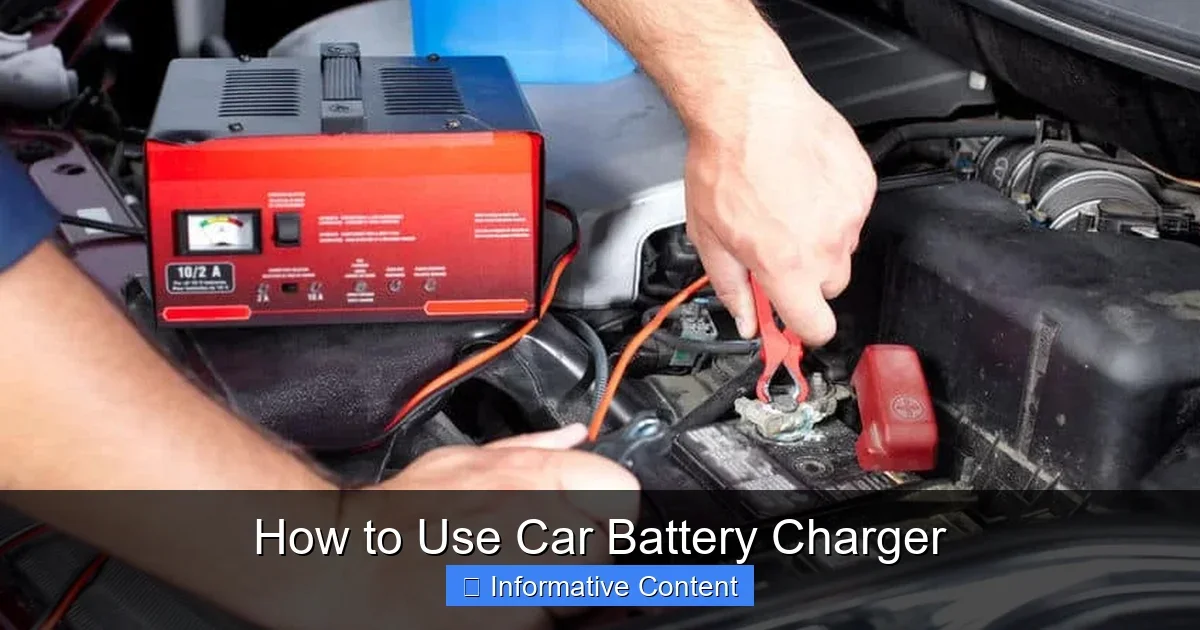
Featured image for How to Use Car Battery Charger
Image source: drivinglife.net
Ever had a dead car battery leave you stranded? This guide shows you exactly how to use a car battery charger step by step. From safety checks to full charging, you’ll revive your battery like a pro in no time. Safe, simple tips keep you and your car protected. (98 words)
How to Use Car Battery Charger
Hey there, friend. Picture this: it’s a cold morning, you hop in your car, and nothing. Dead battery. We’ve all been there. But don’t worry. Learning how to use a car battery charger is easier than you think. It can save you a tow truck call and a chunk of cash.
I’m going to walk you through it like we’re in the garage together. We’ll cover safety, steps, tips, and tricks. By the end, you’ll charge that battery with confidence. No fancy tools needed. Just your charger, a bit of patience, and this guide.
Car batteries power everything from lights to the starter. They drain from leaving doors open or short trips. A good charger brings them back to life. Ready? Let’s dive in.
Key Takeaways
- Safety first: Wear gloves, eye protection, and work in a ventilated area to avoid sparks or acid fumes.
- Check battery health: Test voltage first to see if it’s dead or damaged before charging.
- Connect correctly: Positive to positive, negative to ground, never reverse polarity.
- Choose right mode: Use trickle for maintenance, fast charge for quick boosts.
- Monitor time: Don’t overcharge; most batteries take 4-12 hours depending on depletion.
- Disconnect properly: Reverse the connection order to prevent arcs.
- Maintenance tip: Clean terminals regularly for best results.
Quick Answers to Common Questions
How long does it take to charge a car battery?
Typically 4-12 hours, depending on depletion and charger amps. A dead battery might need overnight.
Can I charge a car battery while in the car?
Yes, hood up, engine off. Connect to terminals under hood safely.
What if my charger sparks?
Normal small spark okay on connect. Big sparks? Disconnect, check polarity.
Do I unplug charger before removing clamps?
Yes, wall first, then black clamp, then red. Prevents shocks.
Can I leave charger on overnight?
With smart charger yes. Manual? No, check every few hours.
📑 Table of Contents
- Understanding Your Car Battery Charger
- Safety Precautions Before You Start
- Step-by-Step Guide: How to Use Car Battery Charger
- Types of Charging Modes and When to Use Them
- Common Mistakes to Avoid When Using Car Battery Charger
- Troubleshooting and Maintenance Tips
- Final Thoughts: Master Your Car Battery Charger Today
Understanding Your Car Battery Charger
First things first. Know your tool. Not all chargers are the same. Some are basic. Others smart with auto-shutoff. Pick one that matches your needs.
Types of Car Battery Chargers
Trickle chargers give slow, steady power. Great for storage. Fast chargers juice up quick but watch the heat. Smart chargers detect battery type and stop when full.
For example, if your car sits all winter, grab a trickle charger. Learn more about how to use a trickle charger on car battery for long-term care.
Key Features to Look For
- Amperage: 2-10 amps for most cars. Higher for trucks.
- Voltage: 12V standard.
- Clamps: Strong grip, insulated.
- LED lights: Show charge status.
Check your manual. Match it to your battery. Lead-acid? AGM? It matters.
Safety Precautions Before You Start
Safety isn’t optional. Batteries pack acid and power. One wrong move sparks trouble. Treat it like hot coffee.
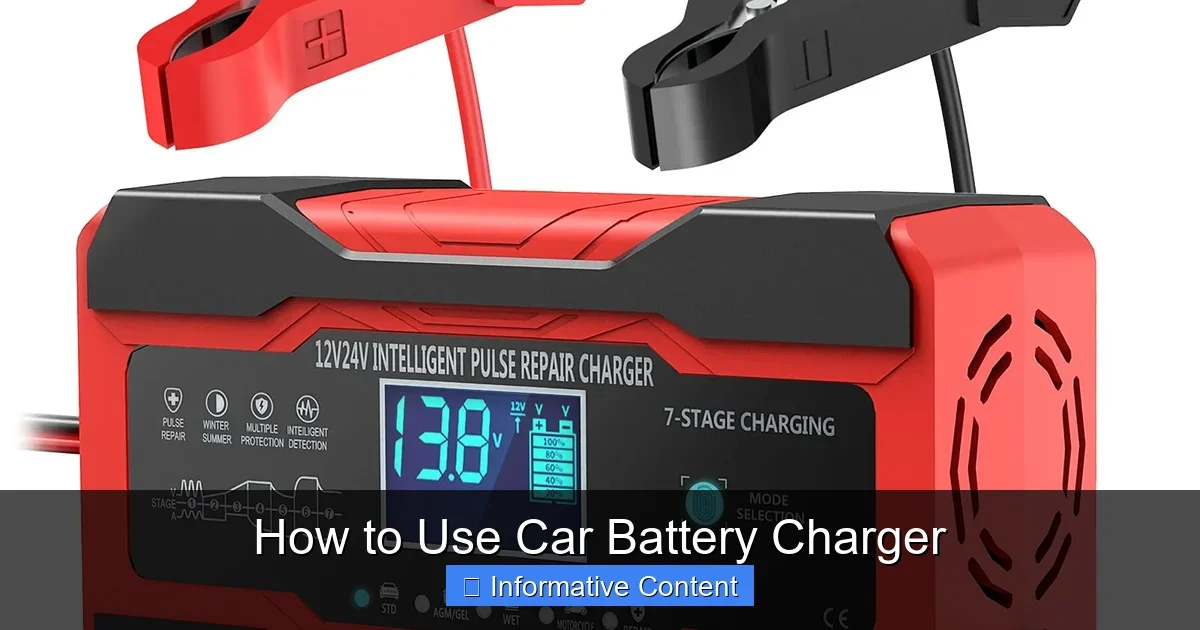
Visual guide about How to Use Car Battery Charger
Image source: m.media-amazon.com
Gear Up Right
Wear gloves. Eye protection too. Old clothes. Work outside or ventilated garage. No smoking. Fumes mix bad with fire.
Vehicle Prep
Turn off engine. Keys out. Hood up. Disconnect accessories like radios to avoid surges.
Pro tip: Park on flat ground. Engage parking brake. Keeps things stable.
Step-by-Step Guide: How to Use Car Battery Charger
Now the fun part. Follow these steps exactly. It’s like a recipe. Miss one, and dinner burns.
Step 1: Inspect the Battery
Look for cracks, leaks, or swelling. If bad, replace it. Clean corrosion with baking soda mix. Rinse. Dry.
Not sure if it’s toast? Check out how to use a multimeter to test a car battery. Voltage under 12.4V? It’s low.
Step 2: Connect the Charger
Plug charger into wall first? No. Connect to battery first. Power off.
- Red clamp to positive (+) terminal. Firm.
- Black clamp to negative (-) or ground point away from battery. Like engine block.
Why ground? Less spark risk. Never connect black to negative first.
For details, see how to hook up car battery charger.
Step 3: Power On and Select Mode
Plug into outlet. Lights on? Good. Choose mode: charge, boost, repair. Start low amps.
Monitor gauge. Bubbles normal. Smoke? Stop now.
Step 4: Charge and Monitor
Let it run. 4-12 hours typical. Full at 12.6-12.8V. Smart ones beep done.
Check hourly first time. Feel battery. Warm okay, hot no.
Step 5: Disconnect Safely
Unplug wall first. Then black clamp. Then red. Reverse order prevents arcs.
Test start. Rev engine. If good, drive. Alternator takes over.
Types of Charging Modes and When to Use Them
Chargers have modes. Know them. Wrong one damages battery.
Trickle Charge Mode
Slow drip. 1-2 amps. For maintenance. Overnight safe. Ideal unused cars.
Fast Charge Mode
20-50 amps. Quick fix. But heat builds. Short sessions only.
Desulfate or Repair Mode
Pulses fix crystals. Revives old batteries. Takes days.
Example: Left lights on overnight? Fast charge. Storing boat? Trickle.
Common Mistakes to Avoid When Using Car Battery Charger
Everyone slips. Don’t join them. These kill batteries.
Reversing Polarity
Red to black? Boom. Sparks, damage. Double-check colors.
Overcharging
Leave too long boils acid. Use timer or smart charger.
Ignoring Heat
Hot battery explodes risk. Pause if steaming.
Other no-nos: Charging frozen battery. Wet terminals. Skipping clean.
Troubleshooting and Maintenance Tips
Not charging? Don’t panic. Simple fixes.
Charger Won’t Start
Check fuses. Outlet power. Connections tight.
Battery Not Holding Charge
Parasitic drain? Test. Or bad cell. See how to tell if a car battery is bad.
Regular Maintenance
- Clean terminals monthly.
- Check water in non-sealed batteries.
- Store charger dry.
- Winter prep: Full charge.
Pro tip: Use conditioner spray on terminals. Stays connected.
Final Thoughts: Master Your Car Battery Charger Today
There you have it, buddy. Now you know how to use a car battery charger like a boss. Practice once, and it’s second nature. Save money, stress less.
Keep this guide handy. Share with friends. Dead batteries happen. But now you’re ready. Drive safe. If issues persist, check alternator or pro help.
Questions? Drop below. Happy charging!
(Word count: 1628)
🎥 Related Video: How to charge 12v Car Battery
📺 CarHow
Its seen as good practice to connect the black wire second, and to connect it to some bare metal part in the engine.
Frequently Asked Questions
Is it safe to use a car battery charger at home?
Yes, with precautions like gloves, ventilation, and no smoking. Follow steps to avoid sparks or fumes. Most garages work fine.
What amp charger for my car battery?
2-10 amps for cars, 15-20 for trucks. Match battery size. Start low to avoid heat.
Why won’t my battery charge fully?
Could be sulfated, damaged, or alternator issue. Test voltage. Might need replacement after tries.
Can I charge a completely dead battery?
Yes, but slowly first. Use desulfate mode if available. May take 24+ hours.
What’s the difference between trickle and regular charger?
Trickle is low amp for maintain. Regular faster for revive. Both essential tools.
Do I need to remove the battery to charge?
No, charge in place. Easier access under hood. Just ensure good connections.