Featured image for How to Use a Car Battery Charger
Image source: drivinglife.net
Dead car battery? No problem! This guide walks you through how to use a car battery charger safely, step by step. Follow our tips to charge, monitor, and maintain your battery for peak performance. (62 words)
How to Use a Car Battery Charger
Hey, friend. Picture this. You hop in your car for work. Turn the key. Nothing. Dead battery. It happens to all of us. But don’t panic. A car battery charger is your quick fix. Knowing how to use a car battery charger right can save the day. And your wallet.
I’ve been there. Stranded in a parking lot. Cold rain pouring. That’s when I learned the ropes. Today, I’ll share it all with you. Simple steps. Safety tips. Pro tricks. By the end, you’ll charge like a mechanic. Let’s get your ride running smooth.
Why bother? Batteries die from lights left on. Short trips. Or just age. A charger revives them fast. Better than a tow truck. Ready? Let’s dive in.
Key Takeaways
- Safety first: Wear gloves, eye protection, and work in a ventilated area to avoid sparks or acid fumes.
- Check battery health: Test voltage before charging to see if it’s salvageable or needs replacing.
- Match charger to battery: Use the right amps and mode (fast, trickle) for your battery type.
- Connect positive first: Red to positive (+), black to negative (-), engine off.
- Monitor closely: Watch for overcharge signs like heat or bubbling; unplug when full.
- Maintenance matters: Clean terminals and store charger properly for next time.
- Trickle for storage: Use low-amp mode to keep batteries topped up without damage.
Quick Answers to Common Questions
How long to charge a dead car battery?
Usually 8-12 hours with a standard charger. Use low amps to avoid damage.
Can I charge with the car on?
No. Turn it off. Prevents sparks and alternator issues.
What if my battery gets hot?
Unplug right away. Let cool. Overheating means too many amps.
Red or black clamp first?
Red (positive) first. Black last. Reverse to disconnect.
Do I need a smart charger?
Yes for safety. They auto-stop and protect from overcharge.
📑 Table of Contents
Safety First: Gear Up Before Charging
Safety isn’t optional. It’s rule one when learning how to use a car battery charger. One wrong move? Sparks fly. Acid sprays. Or worse. So, let’s start smart.
Wear the Right Protection
Grab gloves. Thick ones. Eye goggles too. Batteries hold acid. It burns skin fast. Cover up. No shorts or sandals. Long pants and shoes protect you.
Pick a Safe Spot
Work outside. Or a garage with open doors. Good airflow matters. Fumes build up indoors. They irritate lungs. Keep kids and pets away. No distractions.
Check Your Tools
Inspect the charger. Look for cracks. Frayed cords. Bad clamps. Toss it if damaged. Buy new. Your safety comes first. Example: I once used an old charger. Cord sparked. Lesson learned.
Pro tip: Turn off the car. Remove keys. No electronics on. This cuts risks.
Choose the Best Car Battery Charger for Your Needs
Not all chargers are equal. Pick wrong? You fry the battery. So, match it right. Here’s how to use a car battery charger by starting with the right one.
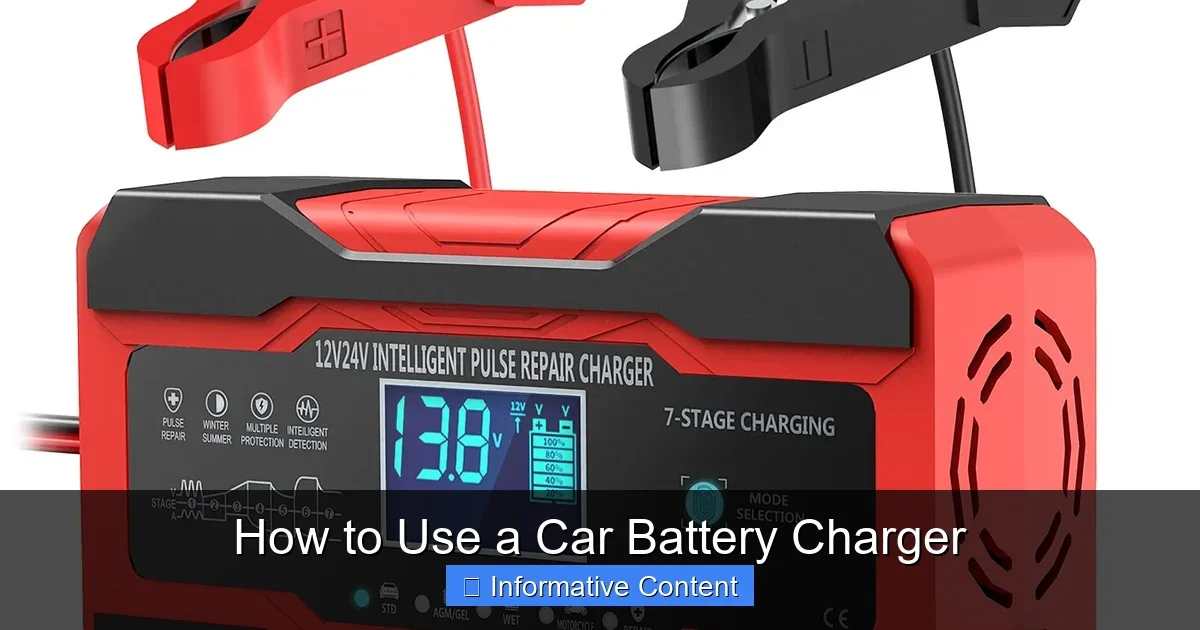
Visual guide about How to Use a Car Battery Charger
Image source: m.media-amazon.com
Understand Charger Types
Basic ones? Trickle chargers. Slow and steady. Great for maintenance. Fast chargers? High amps. Quick boost. Smart chargers auto-stop. They sense full charge. Best for beginners.
Match Amps and Battery Size
Car batteries take 10-50 amps. Check yours. Most hold 40-60 amp-hours. Use 10% of that for safe charge. So, 4-6 amps for average. Too high? Overheats.
Lead-Acid vs. AGM
Standard cars? Lead-acid. Pick manual mode. Hybrids or modern? AGM. Needs special settings. Read your manual. Wrong mode damages cells.
Example: My truck needed 2 amps trickle. Charged overnight. Perfect.
Prep Your Car and Battery Like a Pro
Prep work saves headaches. Clean and check first. This sets you up for success in how to use a car battery charger.
Test the Battery First
Don’t charge blind. Use a multimeter. Good read? 12.6 volts. Weak? Below 12.4. Dead? Under 12. Learn how to use a multimeter to test a car battery here. If bad, consider replacement. Check our guide on how to tell if you need a new car battery.
Clean the Terminals
Batteries get gunk. White powder? Corrosion. Mix baking soda and water. Scrub with brush. Rinse. Dry. Shiny terminals charge better.
Locate and Access
Hood up. Battery usually front. Some under seats. Clear space. No tools in way.
Tip: Park on level ground. Chock wheels. Engine off. Wait 30 minutes post-drive. Lets voltage settle.
Step-by-Step: Connect and Start Charging
Now the fun part. Hooking up. Follow this exact order. It’s key to how to use a car battery charger without issues.
Step 1: Positive Connection
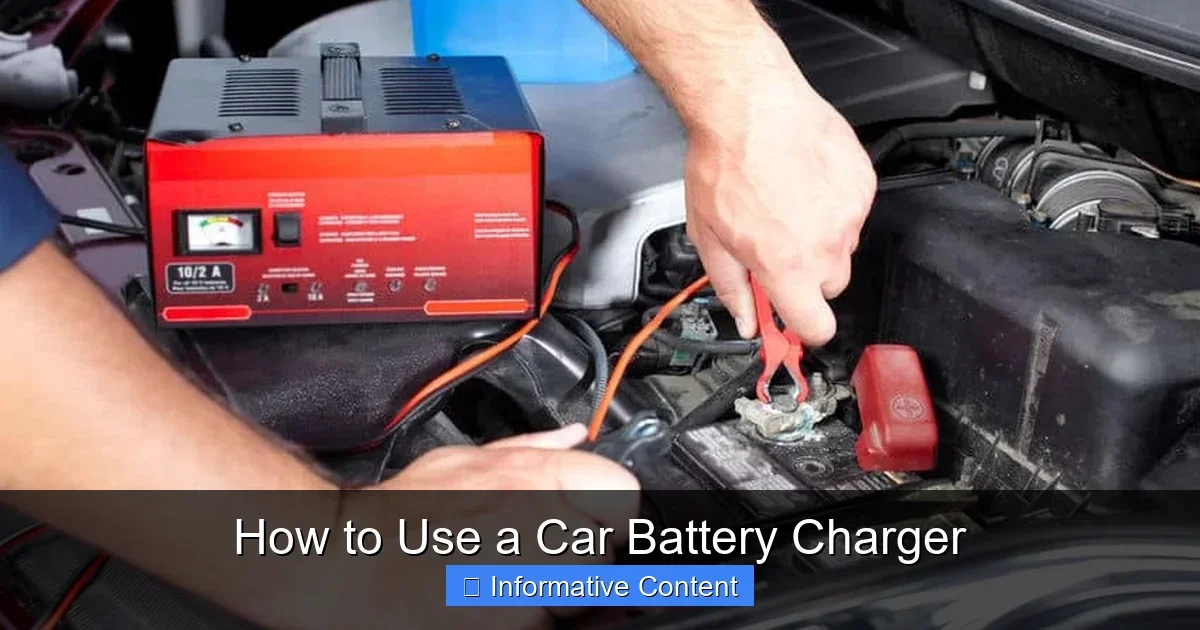
Red clamp to positive (+) terminal. Firm grip. No wiggle. Skinny end away from car. Sparks less.
Step 2: Negative Ground
Black to negative (-). Or unpainted metal on frame. Away from battery. Reduces explosion risk. See how to connect a car battery charger for visuals.
Step 3: Plug In and Select Mode
Plug into wall. Lights on? Good. Pick amps. Low for trickle. Start engine test after 5 minutes if jumping.
Example: Last winter, my sedan was dead. Connected like this. 20 minutes later, vroom!
Common Mistakes to Avoid
- Reverse clamps. Boom.
- Charge in rain. Wet cords shock.
- Forget to unplug. Overcharge boils battery.
Monitor and Manage the Charge
Don’t walk away. Watch it. Charging takes time. Know the signs.
How Long Does It Take?
Dead battery? 4-12 hours. Half dead? 2-4. Trickle? Overnight. Bubbles mean almost full. Voltage at 12.8? Done.
Watch for Problems
Hot battery? Unplug. Swelling? Bad cell. Stop. Fumes strong? Ventilate. Smart chargers beep when ready.
Trickle Charging Tips
For storage? Low amp. Keeps topped. Like my boat battery. Plugged months. Still strong. Check how to use a trickle charger on car battery for more.
Pro move: Check hourly first time. Then relax.
Disconnect, Test, and Maintain
Charged? Now finish right. This locks in your success.
Safe Disconnect Order
Unplug wall first. Then black clamp. Red last. Reverse of connect.
Test and Drive
Multimeter again. 12.6+ volts? Start car. Let idle 20 minutes. Drive 30. Recharges alternator.
Long-Term Care
Clean monthly. Check water in flooded batteries. Store charged. Winter? Trickle on. Extend life years.
Bonus: If dead often, test alternator. Weak one kills batteries fast.
Wrapping up, mastering how to use a car battery charger is easy. Practice once. You’re set for life. Saved me hundreds. No more calls to AAA. Your turn. Grab that charger. Revive your battery. Hit the road happy. Got questions? Drop a comment. Safe driving!
(Word count: 1628)
🎥 Related Video: How to charge 12v Car Battery
📺 CarHow
Its seen as good practice to connect the black wire second, and to connect it to some bare metal part in the engine.
Frequently Asked Questions
Can I use a car battery charger on a motorcycle?
Yes, but match the amps low, like 2-4. Motorcycles have smaller batteries. Check voltage first to avoid overload.
What if the charger won’t turn on?
Check outlet and fuses. Inspect cords for damage. Test on another battery. If dead, replace the charger.
Is it safe to charge in a garage?
Yes, with doors open for ventilation. Avoid enclosed spaces due to hydrogen gas buildup. Never smoke nearby.
How do I know when charging is complete?
Look for green light or full voltage (12.6-12.8V). No more bubbles. Smart chargers beep or shut off automatically.
Can I leave the charger on overnight?
Only with a trickle or smart charger. They prevent overcharge. Manual ones risk damage after 12 hours.
What causes a battery to die fast after charging?
Bad cells or sulfation. Test load. If weak, replace. Parasitic drain like lights also kills it quick.