Replacing your car battery can be a straightforward DIY task, saving you time and money. This comprehensive guide walks you through every step, from identifying a failing battery to safely installing a new one and performing post-installation checks. Prioritizing safety, having the right tools, and following the correct terminal connection order are crucial for a successful battery replacement.
How to Install a New Car Battery
Is your car struggling to start? Do the lights seem a little dim, or are you noticing a strange powdery substance around your battery terminals? These are tell-tale signs that your trusty car battery might be on its last legs. While it might seem like a daunting task, learning how to install a new car battery yourself is a skill that can save you a significant amount of money and give you a real sense of accomplishment. Plus, it’s often much simpler than you might imagine!
Many people shy away from car repairs, especially when it involves the electrical system, but replacing a car battery is one of the most common and accessible DIY tasks for car owners. With the right tools, a bit of knowledge, and a commitment to safety, you can easily tackle this job in your driveway or garage. Think of it as empowering yourself to keep your vehicle running smoothly without relying solely on a mechanic or roadside assistance. We’re here to walk you through every step, making sure you feel confident and prepared.
This comprehensive guide will break down the entire process of how to install a new car battery. We’ll cover everything from recognizing the signs of a dying battery and gathering your essential tools to safely disconnecting the old one, preparing your vehicle for the new power source, and finally, installing the new car battery correctly. By the time you’re done reading, you’ll have all the information you need to successfully replace your car battery and get back on the road with renewed confidence. Let’s get started and learn how to install a new car battery like a pro!
Key Takeaways
- Safety First: Always wear safety glasses and gloves. Work in a well-ventilated area, and avoid creating sparks around the battery to prevent potential explosions from hydrogen gas.
- Tools You’ll Need: Gather essential items like a terminal wrench, battery brush, terminal cleaner, battery puller (optional but helpful), and anti-corrosion spray before starting.
- Disconnect Negative First: When removing the old battery, *always* disconnect the negative (-) terminal first. This prevents accidental short circuits and protects your vehicle’s electrical system.
- Connect Positive First: When installing the new battery, *always* connect the positive (+) terminal first. This ensures a proper electrical connection and minimizes risk.
- Cleanliness is Key: Thoroughly clean the battery tray and cable terminals before installing the new battery. This ensures good electrical conductivity and prevents future corrosion issues.
- Proper Disposal: Never throw old car batteries in the trash. They contain hazardous materials and must be recycled responsibly at an auto parts store or designated recycling center.
- Check Compatibility: Ensure your new battery matches the specifications (size, CCA, terminal location) of your old battery to guarantee a proper fit and function in your vehicle.
Quick Answers to Common Questions
Which battery terminal do I disconnect first?
Always disconnect the negative (-) terminal first when removing a car battery. This is a crucial safety step to prevent accidental short circuits.
Which battery terminal do I connect first when installing?
When installing a new car battery, always connect the positive (+) terminal first. This ensures a safe and proper electrical connection.
Do I need special tools to replace a car battery?
You’ll need a terminal wrench (often 10mm or 13mm), a battery brush, and potentially a battery puller. Safety glasses and gloves are also essential.
What is CCA on a car battery?
CCA stands for Cold Cranking Amps. It measures the battery’s ability to start an engine in cold temperatures. A higher CCA generally means better starting power.
What should I do with my old car battery?
You must recycle your old car battery. Most auto parts stores accept them for free or with a core charge refund because they contain hazardous materials like lead and acid.
📑 Table of Contents
Is It Time for a New Battery? Signs and Symptoms
Before you even think about how to install a new car battery, it’s important to confirm that your current battery is indeed the problem. Sometimes, a weak start can be due to other issues, but typically, a failing battery gives off several clear warning signs. Knowing these signs can help you diagnose the problem accurately and decide if it’s truly time to replace your car battery.
Slow Engine Crank
This is often the most common and obvious sign. When you turn the key or push the start button, your engine might crank slowly or sluggishly, taking longer than usual to turn over. It might sound like a “rrruh-rrruh-rrruh” instead of a quick “vroom.” This indicates that the battery isn’t providing enough power to the starter motor.
Warning Lights
Many modern vehicles have a battery warning light on the dashboard. This light typically looks like a battery symbol. If it illuminates, especially while driving, it means there’s an issue with the charging system, which could be the battery itself or the alternator. Don’t ignore this light!
Dim Lights or Electrical Issues
If your headlights are dim when the engine is off, or if interior lights, the radio, or power windows are acting sluggishly, it’s a strong indicator of a weak battery. The battery provides power for all these electrical components, and when it’s low on charge, you’ll notice the difference.
Battery Corrosion or Swelling
Take a peek under the hood. Do you see a white or bluish powdery substance around the battery terminals? This is corrosion, and while sometimes manageable with cleaning, excessive corrosion can hinder conductivity and signal a leaking or failing battery. Also, if the battery casing looks swollen or bloated, especially on the sides, that’s a critical sign of internal damage and means it’s definitely time to install a new car battery.
Age of Battery
Car batteries typically last between 3 to 5 years, depending on climate, driving habits, and maintenance. If your battery is older than this timeframe, even if it’s not showing severe symptoms, it’s a good idea to have it tested. Proactive replacement can save you from being stranded.
Gathering Your Tools and Safety Gear
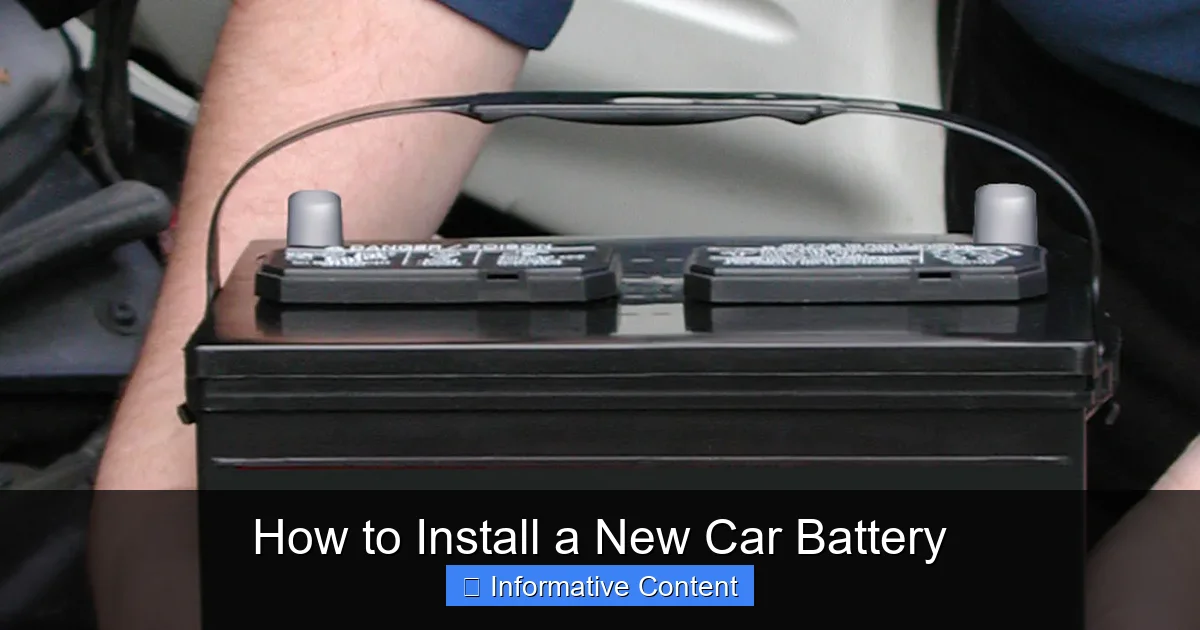
Visual guide about How to Install a New Car Battery
Image source: d3qyiwn9eml53p.cloudfront.net
Before you learn how to install a new car battery, getting prepared is half the battle. You’ll need a few specific tools to make the job safe and efficient. Don’t skip on safety gear; working with car batteries involves strong chemicals and electrical currents.
Essential Tools
- Terminal Wrench (or socket set): You’ll need this to loosen and tighten the battery terminal clamps. A 10mm or 13mm wrench is common, but check your vehicle’s specific needs.
- Battery Brush and Terminal Cleaner: These are crucial for cleaning away corrosion from the battery tray and cable terminals.
- Battery Puller/Carrier (optional but helpful): Batteries are heavy and awkward. A puller or strap can make lifting the old battery and positioning the new car battery much easier and safer.
- Wire Brush (for battery tray): For more stubborn corrosion on the tray.
- Anti-Corrosion Spray or Felt Washers: To apply to the new terminals to prevent future corrosion.
- Baking Soda and Water Mixture: For neutralizing any acid spills on the battery tray or terminals.
- Old Towels or Rags: For wiping up spills and protecting painted surfaces.
- Battery Terminal Spreader (optional): If the terminal clamps are too tight to fit over the new battery posts easily.
Safety First
Safety is paramount when you learn how to install a new car battery.
- Safety Glasses: Battery acid is corrosive and can cause severe eye damage. Always wear eye protection.
- Gloves: Protect your hands from acid and dirt. Chemical-resistant gloves are best.
- Well-Ventilated Area: Batteries emit hydrogen gas, which is highly flammable. Work in an open space, like a driveway, and avoid enclosed garages without proper ventilation.
- No Sparks or Open Flames: Keep cigarettes, lighters, and anything that could create a spark away from the battery.
- Remove Jewelry: Metal jewelry can conduct electricity and cause a short circuit or severe burns if it contacts battery terminals.
- Vehicle in Park/Neutral with Parking Brake Engaged: Ensure your car is stable and won’t roll.
Disconnecting the Old Battery – Step-by-Step
This is where the magic begins! Properly disconnecting the old battery is critical for your safety and to prevent damage to your vehicle’s electrical system. Remember the cardinal rule: negative first!
Locate the Battery
Most car batteries are located under the hood, but some vehicles place them in the trunk, under the back seat, or even in the fender well. Consult your owner’s manual if you can’t find it easily.
Identify Terminals (Negative First!)
Batteries have two terminals: a positive (+) and a negative (-). The positive terminal is usually larger and covered by a red cap or has a “+” symbol. The negative terminal often has a black cap or a “-” symbol. The negative cable will connect to the vehicle’s chassis or engine block, while the positive goes to the starter.
Loosen and Remove Negative Terminal
Using your terminal wrench, loosen the nut on the negative (-) terminal clamp. Once loose, wiggle the clamp off the battery post. Move the disconnected cable away from the battery so it cannot accidentally touch any metal part of the vehicle or the positive terminal. *This is the most crucial step for safety when you disconnect a car battery.* Removing the negative cable first ensures that if your wrench accidentally touches the car’s body while working on the positive terminal, it won’t create a spark or short circuit.
Loosen and Remove Positive Terminal
Now, repeat the process for the positive (+) terminal. Loosen the nut and carefully remove the clamp from the positive post. Again, ensure this cable is also moved away and cannot accidentally come into contact with anything.
Remove Battery Hold-Down Clamp
Car batteries are secured in place by a hold-down clamp, bracket, or strap. Locate this clamp, usually at the base or over the top of the battery, and loosen or remove it using your wrench. This prevents the battery from shifting while driving.
Carefully Lift Out the Old Battery
Using your battery puller or strong gloves, carefully lift the old battery straight up and out of its tray. Remember, car batteries are heavy (30-60 pounds!), so lift with your legs, not your back. Place the old battery on a stable surface, away from your work area.
Preparing for the New Battery
Before you learn how to install a new car battery, you need to prepare the area where it will sit. This step is vital for longevity and preventing future corrosion.
Clean the Battery Tray and Terminals
Inspect the battery tray where the old battery sat. It’s common to find dirt, grime, and corrosion there. Use your wire brush, battery brush, and the baking soda/water mixture to clean this area thoroughly. The baking soda neutralizes any residual acid. Rinse with a little clean water and dry completely. Clean the inside of the cable clamps as well, using your battery terminal cleaner or wire brush, until the metal is shiny. This ensures a good electrical connection for the new car battery.
Inspect Cables for Damage
While the battery is out, take a moment to inspect the positive and negative cables. Look for any signs of fraying, cracking insulation, or excessive corrosion that might run up the wire. If the cables are severely damaged, they may need to be replaced, which is a more involved job.
Compare Old and New Battery
Before you install a new car battery, make sure it’s the correct one!
- Size: Ensure the physical dimensions (Group Size) match your old battery so it fits securely in the tray and the hold-down clamp.
- Cold Cranking Amps (CCA): This indicates the battery’s ability to start in cold weather. The new battery should have equal or higher CCA ratings than your vehicle manufacturer’s recommendation.
- Terminal Orientation: Confirm that the positive and negative terminals on the new battery are in the same location (left/right) as the old one. If they’re swapped, your cables might not reach or could be stressed.
Installing the New Battery – Step-by-Step
Now for the exciting part: installing your new car battery! Remember the opposite rule from removal: positive first!
Position the New Battery
Carefully lower the new car battery into the clean battery tray. Ensure it sits flat and is properly oriented so the terminals align with your vehicle’s cables. Use your battery puller if you have one.
Secure the Hold-Down Clamp
Once the battery is in place, reattach and tighten the hold-down clamp or strap. The battery should be secure and not able to wiggle or slide around. Overtightening can damage the battery case, so make it snug but not excessively tight.
Connect the Positive Terminal (Positive First!)
Slide the positive (+) cable clamp over the positive terminal post on the new battery. Using your terminal wrench, tighten the nut until the clamp is secure and doesn’t wiggle. Do not overtighten, as this can strip the post or clamp, but ensure it’s tight enough to make good contact. This is your first connection when you install a new car battery.
Connect the Negative Terminal
Now, connect the negative (-) cable clamp to the negative terminal post on the new battery. Tighten the nut securely with your wrench. Double-check both terminals to ensure they are firmly attached.
Apply Anti-Corrosion Product
To prevent future corrosion and prolong the life of your new car battery, spray the terminals and cable clamps with an anti-corrosion spray or place felt washers (which are often soaked in anti-corrosion grease) over the posts before connecting the cables. This creates a protective barrier.
Post-Installation Checks and Tips
You’ve learned how to install a new car battery, but a few final steps will ensure everything is working correctly and your battery lasts.
Test the Battery
Once everything is connected, close the hood (or secure access panels) and attempt to start your car. It should crank quickly and start smoothly. If not, recheck your connections. Ensure they are tight and clean. If issues persist, there might be another underlying problem (like an alternator issue) or a defective new battery.
Resetting Electronics
After a battery replacement, some of your car’s electronic systems might need to be reset. This is normal.
- Radio Presets: You’ll likely need to re-enter your favorite radio stations.
- Clock: The clock will need to be set to the correct time.
- Power Windows: Some vehicles require you to “relearn” the auto-up/down feature for power windows. Typically, this involves holding the window switch down for a few seconds, then up for a few seconds, once the window is fully closed. Consult your owner’s manual for specific instructions.
- Engine Control Unit (ECU): The car’s computer might need to “relearn” your driving habits. The car might feel a bit sluggish or idle rough initially, but this usually resolves itself after a few short drives.
Proper Battery Disposal
Never throw your old car battery in the regular trash. Batteries contain lead and sulfuric acid, which are hazardous and harmful to the environment. Most auto parts stores will accept old batteries for recycling, often offering a small credit or waiving a core charge if you return your old one when you purchase a new car battery. This is an essential part of responsible car ownership.
Maintenance Tips for Longevity
To make your new car battery last as long as possible:
- Keep Terminals Clean: Periodically check for signs of corrosion and clean terminals with a battery brush and baking soda solution if needed.
- Check Water Levels (if applicable): If you have a non-sealed battery, check the electrolyte levels every few months and top off with distilled water if low. Most modern batteries are maintenance-free, so check your battery type.
- Avoid Deep Discharges: Try not to let your battery fully drain, as this reduces its lifespan. If your car sits for long periods, consider using a trickle charger.
- Regular Driving: Short trips don’t allow the alternator enough time to fully recharge the battery. Regular, longer drives help keep the battery topped up.
Congratulations! You’ve successfully learned how to install a new car battery. This DIY task not only saves you money but also equips you with valuable automotive knowledge. By following these steps carefully, you’ve ensured your vehicle has a fresh start and is ready to hit the road reliably. Drive safely, and enjoy the peace of mind that comes with knowing you’ve tackled this job yourself!
Frequently Asked Questions
How long does it typically take to install a new car battery?
For most people, installing a new car battery is a relatively quick process. Once you have your tools ready and understand the steps, it usually takes between 15 to 30 minutes from start to finish. The first time might take a little longer as you familiarize yourself with the process.
Can a new battery be dead or low on charge?
While new batteries from reputable retailers are usually fully charged, it’s possible for them to have sat on a shelf for a while and lost some charge. It’s always a good idea to have a new battery tested before installation, or after installation, you can connect it to a trickle charger overnight to ensure it’s at peak performance.
What happens if I connect the battery terminals in the wrong order?
Connecting the terminals in the wrong order (positive first when disconnecting, or negative first when connecting) can cause a short circuit. This can result in sparks, damage to your vehicle’s electrical system (like blowing fuses or damaging the alternator), or even battery explosion due to hydrogen gas ignition. Always follow the correct order for safety.
Do I need to do anything special after installing the new battery, like resetting the computer?
Yes, after installing a new car battery, you might need to reset certain electronic components. This often includes resetting the clock, radio presets, and sometimes power window “auto” features. Your car’s computer (ECU) may also need to “relearn” your driving patterns for optimal performance over a few driving cycles.
How often should I check my car battery for maintenance?
It’s a good practice to visually inspect your car battery every few months, especially when you’re performing other routine maintenance like checking oil or tire pressure. Look for corrosion on the terminals, ensure the connections are snug, and check for any swelling or damage to the battery casing. For conventional batteries, also check electrolyte levels.
Is it safe to install a new car battery in the rain or wet conditions?
It is not recommended to install a new car battery in the rain or wet conditions. Water can conduct electricity, increasing the risk of short circuits or electric shock. Always work in a dry environment to ensure your safety and protect your vehicle’s electrical system.