
How to Know If Your Car Battery Is Dying

Knowing if your car battery is dying can save you from unexpected breakdowns. Look for common red flags like slow engine cranking, dim lights, and strange clicking noises. Visual cues such as corrosion or a bloated battery case also indicate trouble. Pay attention to your battery’s age and get it tested regularly to stay ahead of potential issues.
How to Know If Your Car Battery Is Dying
Imagine this: You’re running late for an important appointment, you hop in your car, turn the key, and… nothing. Or maybe just a sluggish, wheezing sound, followed by silence. Few things are as frustrating as a dead car battery, especially when you least expect it. It’s a common problem, but often, it doesn’t just happen out of the blue. Your car, in its own way, usually tries to tell you that its power source is on its last legs.
Learning how to know if your car battery is dying isn’t just about avoiding inconvenience; it’s about staying safe and maintaining your vehicle’s reliability. A failing battery can impact other parts of your car’s electrical system and leave you stranded at the worst possible moment. The good news is that by paying attention to a few key symptoms and performing some simple checks, you can often spot the problem long before it leaves you high and dry. This guide will walk you through all the tell-tale signs, both obvious and subtle, helping you become a pro at diagnosing a failing car battery.
So, let’s dive in and explore the many ways your car signals that it’s time for a battery check-up or replacement. Understanding these signs will empower you to take proactive steps, ensuring your car starts reliably every time and giving you peace of mind on the road. Knowing if your car battery is dying means you can act before it becomes an emergency.
Key Takeaways
- Listen to Your Engine: Slow cranking, a clicking sound, or a complete lack of response when you turn the key are classic signs that your car battery is dying.
- Observe Electrical Systems: Dim headlights, flickering interior lights, or struggling power windows and radio can signal that your battery isn’t providing enough power.
- Check for Dashboard Warnings: A battery light or check engine light might illuminate, indicating an issue with your battery or charging system.
- Conduct a Visual Inspection: Look for physical signs like corrosion around the terminals, a swollen battery case, or a sulfuric smell, which all point to battery distress.
- Consider Battery Age: Most car batteries last 3-5 years. If yours is older, it’s more susceptible to failure, making regular checks crucial.
- Test Battery Voltage: Use a simple voltmeter to check your battery’s resting voltage. A reading below 12.4 volts suggests a weak battery that needs attention.
- Seek Professional Advice: If you notice any persistent symptoms or your battery is past its prime, a professional diagnostic can accurately determine its health and prevent future problems.
Quick Answers to Common Questions
How long do car batteries typically last?
Most car batteries last between 3 to 5 years, but this can vary based on climate, driving habits, and maintenance. Extreme temperatures can shorten their lifespan.
Can a dying battery affect other car components?
Yes, a dying battery can put a strain on your alternator, which may have to work harder to compensate. It can also cause erratic behavior in other electrical components like lights, radio, and power windows due to inconsistent voltage.
Is it safe to jump-start a swollen car battery?
No, absolutely not. A swollen or bloated battery case is a sign of severe internal damage, possibly due to overcharging or excessive heat. Attempting to jump-start it can be extremely dangerous and may lead to an explosion.
What does a “clicking” sound mean when I try to start my car?
A rapid clicking sound usually means your battery has enough power to activate the starter solenoid but not enough to actually spin the engine. It’s a classic sign of a low or dying battery.
How often should I have my car battery checked professionally?
It’s a good practice to have your battery tested annually, especially if it’s over three years old or if you live in an area with extreme temperatures. Many auto parts stores offer free battery testing.
📑 Table of Contents
The Basics: How Your Battery Works and Why It Fails
Before we get into the signs, let’s briefly understand what a car battery does. Your car battery is much more than just a box of power. It provides the initial burst of electricity needed to start your engine, powers your lights, radio, and other electrical components when the engine is off, and stabilizes the voltage for the entire electrical system. It’s the heart of your car’s electrical life.
Car batteries typically last between three to five years, but this can vary widely depending on climate, driving habits, and maintenance. Extreme temperatures (both hot and cold) are particularly hard on batteries. Short trips, where the alternator doesn’t have enough time to fully recharge the battery, can also shorten its lifespan. Over time, the internal components of a lead-acid battery degrade, reducing its ability to hold a charge and deliver the necessary power. This degradation is why knowing if your car battery is dying is crucial as it ages.
Common Reasons Batteries Give Up
- Age: This is the most common culprit. Chemical reactions inside the battery simply become less efficient over time.
- Extreme Temperatures: Heat accelerates internal corrosion, while cold dramatically reduces a battery’s capacity to deliver power.
- Parasitic Drain: Something in your car (like an old radio or a faulty light) might be drawing power even when the car is off, slowly killing your battery.
- Faulty Alternator: If your alternator isn’t properly charging the battery while the engine runs, the battery will eventually die.
- Vibrations: Loose battery mounts can lead to vibrations that damage internal components.
Obvious Signs: When Your Car Won’t Start (or Struggles To)
These are the symptoms most people associate with a dying battery. They’re often undeniable and happen when you’re trying to get somewhere. When you experience these, it’s a strong indicator you need to know if your car battery is dying.
Clicking Noise When Turning the Key
This is one of the classic sounds of a failing battery. When you turn the ignition, you might hear a rapid “click, click, click” sound instead of the engine turning over. This happens because the battery has just enough power to activate the starter solenoid (which makes the clicking sound) but not enough juice to fully engage the starter motor and crank the engine. It’s a sure sign that the battery’s voltage is too low to do its job.
Practical Tip: If you hear this, try turning off all accessories (radio, lights, AC) and try again. Sometimes, this can free up just enough power to get the car started, but don’t count on it as a long-term solution. It’s a clear signal that you need to check your battery immediately.
Slow or Sluggish Engine Crank
Before a battery completely gives up, it often starts to struggle. Instead of the engine immediately roaring to life, you might notice a slow, drawn-out crank. It sounds like the starter motor is trying its best, but it’s just not getting enough power to spin the engine quickly. This often sounds like “errrr… errrr… errrr… errrr” before the engine catches, or worse, fails to start.
This slow crank is your car’s way of whispering, “Hey, I’m struggling here!” It means the battery is losing its ability to provide the high current needed for starting. It’s definitely a sign you should be paying attention to when trying to figure out how to know if your car battery is dying.
No Power at All
You turn the key, and absolutely nothing happens. No lights on the dashboard, no clicking, no engine noise. It’s just silence. This indicates a completely dead battery. It might be due to a short circuit, an internal cell failure, or simply being drained to absolute zero (perhaps you left your headlights on overnight). While a jump start might get you going temporarily, a completely dead battery often signals it’s time for a replacement, especially if it’s not holding a charge after the jump.
Electrical System Warning Signs
Your car’s battery powers more than just the engine. Many other electrical components rely on it, and their performance can offer clues.
Dim Headlights and Interior Lights
When your car’s engine is off, the battery powers all electrical components. If your headlights appear dim, the interior dome light is weak, or the dashboard lights aren’t as bright as usual, it could mean your battery is struggling to maintain a full charge. This is particularly noticeable when you try to start the car; the lights might dim significantly or go out completely as the battery tries to deliver power to the starter. This is a subtle yet important way to know if your car battery is dying.
Malfunctioning Accessories
Are your power windows moving slower than usual? Is the radio cutting out? Is the heated seat taking forever to warm up? These accessories draw power from the battery. If they’re underperforming, it could be due to a low battery voltage. The battery simply doesn’t have enough power to run everything effectively. While sometimes it could be an issue with the accessory itself, when combined with other symptoms, it often points to battery trouble.
Dashboard Warning Lights
Many modern cars have a battery warning light on the dashboard. It typically looks like a car battery symbol (a rectangle with plus and minus signs). If this light comes on while you’re driving, it usually indicates a problem with the charging system, which includes the battery, alternator, and voltage regulator. It doesn’t always mean the battery itself is bad, but it means the battery isn’t getting charged properly, which will lead to its demise. Don’t ignore this light! It’s your car’s direct way of saying, “You need to know if your car battery is dying, and something’s wrong!”
Physical and Visual Cues
Sometimes, the problem isn’t just about how your car acts, but how your battery looks and smells. A quick visual inspection can reveal a lot.
Corroded Battery Terminals
Pop open your hood and take a look at your battery. Do you see a fuzzy, white, blue, or green powdery substance around the battery terminals (where the cables connect)? This is corrosion. Corrosion builds up due to a chemical reaction and can impede the flow of electricity between the battery and the car’s electrical system. While some corrosion can be cleaned, excessive build-up often indicates the battery is leaking acid, is overcharging, or simply nearing the end of its life.
Practical Tip: You can clean mild corrosion with a wire brush and a mixture of baking soda and water. However, if it keeps reappearing quickly, or if the corrosion is severe, it’s time for a battery check.
Swollen or Bloated Battery Case
A healthy car battery should have a rectangular, flat-sided case. If you notice that your battery case looks swollen, bulging, or distorted, particularly on the sides or top, it’s a serious red flag. This usually indicates that the battery has been exposed to excessive heat, has been overcharged, or has an internal defect. A swollen battery is dangerous and can potentially explode, so if you see this, do not attempt to jump-start it. Replace it immediately and handle it with extreme caution. This is a critical visual sign when assessing how to know if your car battery is dying.
Odd Smell
A strong, rotten egg smell (like sulfur) emanating from under your hood is another critical warning sign. This smell indicates that the battery is leaking sulfuric acid or has been overcharged, causing the electrolyte solution inside to boil and release hydrogen sulfide gas. This gas is corrosive and highly flammable. If you smell this, get your car to a mechanic immediately. It’s a dangerous situation and a very clear indication that your battery is failing.
Age and Maintenance Factors
Sometimes, the signs are not just about what you see or hear, but about the history and care of your battery.
Battery Age
As mentioned, most car batteries have a lifespan of 3-5 years. If your battery is approaching or past this age range, it’s naturally more prone to failure, even if it hasn’t shown obvious symptoms yet. Knowing your battery’s age is one of the simplest ways to know if your car battery is dying or will soon be. Check the label on the battery for a manufacturing date code. Proactive replacement around the 4-year mark can save you a lot of hassle.
Frequent Jump Starts
If you find yourself needing to jump-start your car more than once in a short period (say, a month or two), it’s a strong indication that your battery isn’t holding a charge anymore. While a jump start can get you going, it’s not a fix for a dying battery. Each jump start puts a strain on the battery and the entire electrical system. Relying on jump starts is a clear sign that you need to address the root problem.
Irregular Driving Habits
Your car battery thrives on regular use and proper charging. If you frequently take only short trips (under 20 minutes), the alternator might not have enough time to fully replenish the charge used during starting. Similarly, if your car sits unused for extended periods (weeks or months), the battery will slowly discharge, especially if there are any small parasitic drains. This can lead to sulfation, a build-up of lead sulfate crystals that harden on the battery plates, reducing its capacity. Both scenarios accelerate battery degradation.
Testing Your Battery’s Health
Beyond the warning signs, you can proactively test your battery’s health.
Voltmeter Test (DIY)
This is a simple test you can do yourself with an inexpensive multimeter or voltmeter.
- Ensure your car has been off for at least 3-4 hours to get an accurate “resting voltage.”
- Set your multimeter to DC volts (VDC) and a range of 20 volts.
- Connect the red (positive) lead to the positive battery terminal and the black (negative) lead to the negative battery terminal.
- Read the voltage display.
A healthy, fully charged battery should read around 12.6 to 12.8 volts.
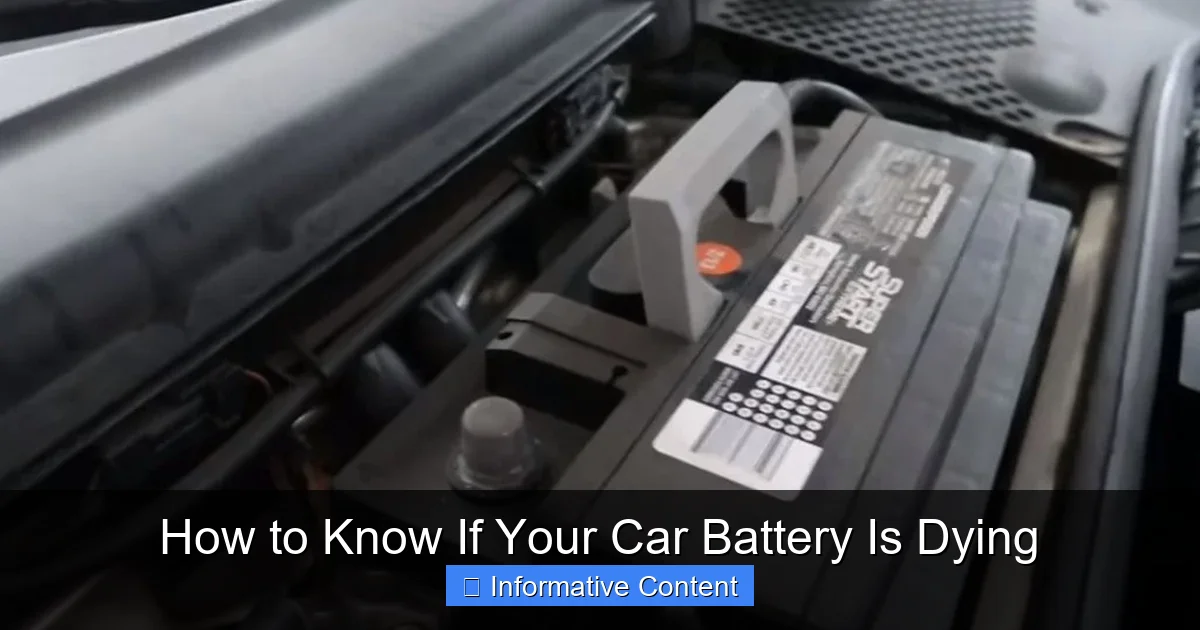
Visual guide about How to Know If Your Car Battery Is Dying
Image source: techidea.net
- 12.4 – 12.6 volts: The battery is partially discharged but still okay.
- Below 12.4 volts: The battery is significantly discharged and likely needs a charge or is starting to fail.
- Below 12.2 volts: The battery is severely discharged and likely dying.
This test gives you a good idea of its charge level, but not necessarily its ability to deliver current under load.
Load Test (Professional)
A load test is a more definitive way to assess battery health. It measures the battery’s ability to hold voltage while delivering a high current, mimicking the demand of starting an engine. This test is typically performed by mechanics or auto parts stores using specialized equipment. They’ll tell you if your battery still has enough “cold cranking amps” (CCA) to reliably start your car, especially in cold weather. If you’re seriously concerned about how to know if your car battery is dying, this test offers the most accurate picture. Many auto parts stores offer this service for free.
Conclusion: Don’t Get Stranded – Be Proactive!
Your car battery is a critical component, and knowing if your car battery is dying can save you a world of trouble. From the obvious clicks and slow cranks to the more subtle dimming lights and tell-tale smells, your vehicle provides numerous clues about its battery’s health. By paying attention to these signs, performing regular visual checks, understanding your battery’s age, and conducting simple tests, you can stay ahead of a potential breakdown.
Don’t wait until your car won’t start at the most inconvenient time. If you notice any of the warning signs discussed, or if your battery is approaching the 3-5 year mark, take action. Get your battery tested by a professional, especially if you’re unsure. A proactive approach to battery maintenance will ensure reliable starts, keep your electrical system running smoothly, and ultimately give you peace of mind on every journey. Stay charged, stay safe!
🎥 Related Video: DEAD BAD CAR BATTERY SYMPTOMS – How To Tell If Your Battery is Dead
📺 YOUCANIC
Buy YOUCANIC Pro Scanner https://www.youcanic.com/scanner/ Get Factory Service Repair Manuals & Specs …
Frequently Asked Questions
What are the first signs to know if your car battery is dying?
The first signs often include slow or sluggish engine cranking when you try to start your car, dimming headlights or interior lights, and sometimes a clicking sound instead of the engine turning over. These symptoms indicate the battery isn’t delivering enough power.
Can cold weather make a dying car battery worse?
Yes, cold weather significantly impacts battery performance. Batteries lose a substantial amount of their cranking power in cold temperatures, making it harder for a weak or dying battery to start your engine when the mercury drops.
Is a battery light on my dashboard always a sign of a dying battery?
Not always. A battery warning light typically indicates a problem with the entire charging system, which includes the alternator, voltage regulator, and the battery itself. While it can mean a dying battery, it often points to the alternator not properly charging the battery.
How can I extend the life of my car battery?
You can extend battery life by driving regularly for at least 20-30 minutes, keeping the terminals clean and corrosion-free, ensuring the battery is securely mounted to prevent vibrations, and avoiding frequent short trips that don’t allow full recharging.
What does a sulfuric or “rotten egg” smell indicate from my battery?
A rotten egg or sulfuric smell indicates that your battery is leaking sulfuric acid or is being overcharged, causing the electrolyte inside to boil. This is a dangerous sign, as it releases flammable hydrogen sulfide gas, and the battery needs immediate attention or replacement.
Should I replace my battery if it’s over five years old, even if it seems fine?
While some batteries can last longer, it’s generally advisable to consider replacement once your battery is over five years old, especially before winter. Its internal components degrade over time, and even if it seems fine, its reliability can drop suddenly, leaving you stranded without warning.