Replacing your car battery can cost anywhere from $75 to over $300, depending on the battery type, brand, and whether you opt for DIY or professional installation. While DIY saves on labor, professional service ensures correct installation and often includes diagnostics. Understanding these factors helps you budget effectively for this essential car maintenance.
There’s that moment. You turn the key, and instead of a confident roar, you get a sluggish grind, or worse, just a click. Your heart sinks. Your car battery, the silent workhorse that powers everything from your engine’s start to your radio, has decided to call it quits. Suddenly, a new question pops into your head: “How much to replace car battery?”
It’s a common scenario, and the thought of an unexpected car repair can be daunting. Car batteries aren’t glamorous, but they are absolutely essential. When yours goes, you’re stuck, and getting back on the road becomes your top priority. But before you panic or rush to the first auto shop, it’s smart to understand what you’re getting into. The cost to replace a car battery isn’t always straightforward; it can vary quite a bit depending on several factors.
This article is your friendly guide to navigating the world of car battery replacement. We’ll break down all the costs, explain what influences the price, help you decide between DIY and professional installation, and even share some tips on how to save money. By the time you finish reading, you’ll have a clear idea of what to expect and how to make the best decision for your wallet and your vehicle. Let’s dive into understanding how much to replace car battery.
Key Takeaways
- Cost Range: Expect to pay between $75 and $200 for the battery itself, and an additional $50-$150+ for professional labor, bringing the total to $125-$350 or more.
- Key Cost Factors: The price largely depends on the battery type (standard, AGM, EFB), its Cold Cranking Amps (CCA), brand reputation, and specific vehicle requirements.
- DIY vs. Professional: Doing it yourself saves on labor costs but requires basic tools and comfort with car maintenance. Professional installation offers convenience, expertise, and often includes battery testing and proper disposal.
- Battery Lifespan: Most car batteries last 3-5 years, but extreme climates, frequent short trips, and poor maintenance can significantly shorten this lifespan.
- Hidden Costs: Beyond the battery, consider potential charges for diagnostic tests, proper disposal, and an inspection of your vehicle’s charging system.
- Saving Money: Shop around, compare prices from different retailers and mechanics, look for sales, and perform regular battery maintenance to extend its life.
Quick Answers to Common Questions
How much does it cost to replace a standard car battery?
For a standard lead-acid battery, you can expect to pay between $75 and $130 for the battery itself. If you opt for professional installation, add another $50-$150 for labor, bringing the total to $125-$280.
Is it cheaper to replace a car battery myself?
Yes, replacing a car battery yourself is typically cheaper because you avoid labor costs. You’ll only pay for the battery (plus any basic tools you might need), saving $50 to $150 or more on installation fees.
How long does a car battery usually last?
On average, a car battery lasts between 3 to 5 years. However, this lifespan can be shortened by extreme temperatures, frequent short drives, or neglecting regular maintenance.
Do auto parts stores install car batteries for free?
Many auto parts stores will install standard car batteries for free or a very low fee, especially if you purchase the battery from them. However, this service might be limited for complex installations or certain vehicle types.
What are the signs that my car battery needs to be replaced?
Common signs include slow engine cranking, dim headlights, a battery warning light on the dashboard, corrosion on the battery terminals, or the need for frequent jump starts.
📑 Table of Contents
What Influences the Cost of Your Car Battery?
When you’re asking, “how much to replace car battery,” the first thing to understand is that not all batteries are created equal. Several key factors play a big role in the final price you’ll pay.
Battery Type and Technology
This is perhaps the biggest differentiator in cost. There are a few main types of car batteries:
- Standard Lead-Acid (SLI – Starting, Lighting, Ignition): These are the most common and typically the most affordable. They use a liquid electrolyte (sulfuric acid and water) and are reliable for most standard vehicles. You can expect these to cost anywhere from $75 to $130.
- Absorbed Glass Mat (AGM): These are a step up in technology. AGM batteries use fiberglass mats to absorb the electrolyte, making them spill-proof, more resistant to vibration, and able to handle deeper discharges. They’re often found in newer vehicles with start-stop technology or those requiring higher power demands. AGM batteries usually cost between $150 and $250.
- Enhanced Flooded Battery (EFB): Falling between standard lead-acid and AGM, EFBs are designed for vehicles with basic start-stop systems. They offer improved cycle life and charge acceptance over traditional flooded batteries but are less expensive than AGMs. These might run you anywhere from $120 to $180.
- Lithium-Ion: While rare in conventional passenger cars currently, some high-performance or luxury vehicles are starting to use lighter, more powerful lithium-ion batteries. These are significantly more expensive, easily exceeding $500.
Cold Cranking Amps (CCA) and Size
CCA indicates a battery’s ability to start an engine in cold temperatures. A higher CCA rating means more starting power, which is crucial in colder climates. Batteries with higher CCAs and larger physical sizes (to fit bigger engines or specific vehicle layouts) generally cost more. Your vehicle’s manufacturer specifies the minimum CCA required, so always match or exceed this.
Brand Reputation and Warranty
Just like any product, battery brands vary in price and perceived quality. Well-known brands like Optima, DieHard, Bosch, and ACDelco often come with a higher price tag but might offer better reliability and longer warranties. Store brands (e.g., from AutoZone, O’Reilly, Advance Auto Parts, Walmart, Costco) can be more budget-friendly and still provide decent performance, often with a good warranty. A longer, more comprehensive warranty (e.g., 3 years full replacement vs. 1 year) usually signals a higher quality battery and can impact the initial cost.
Vehicle Make and Model
Believe it or not, the car you drive can also affect how much to replace car battery. Luxury cars, European models, or vehicles with complex electronic systems (like BMWs, Mercedes-Benz, or some Audis) often require specific battery types, sizes, or even special programming after installation, which can drive up both the battery cost and labor fees.
DIY vs. Professional Installation: A Cost Breakdown
Once you know the type of battery you need, the next big question for understanding how much to replace car battery is whether you’ll tackle the job yourself or have a professional do it.
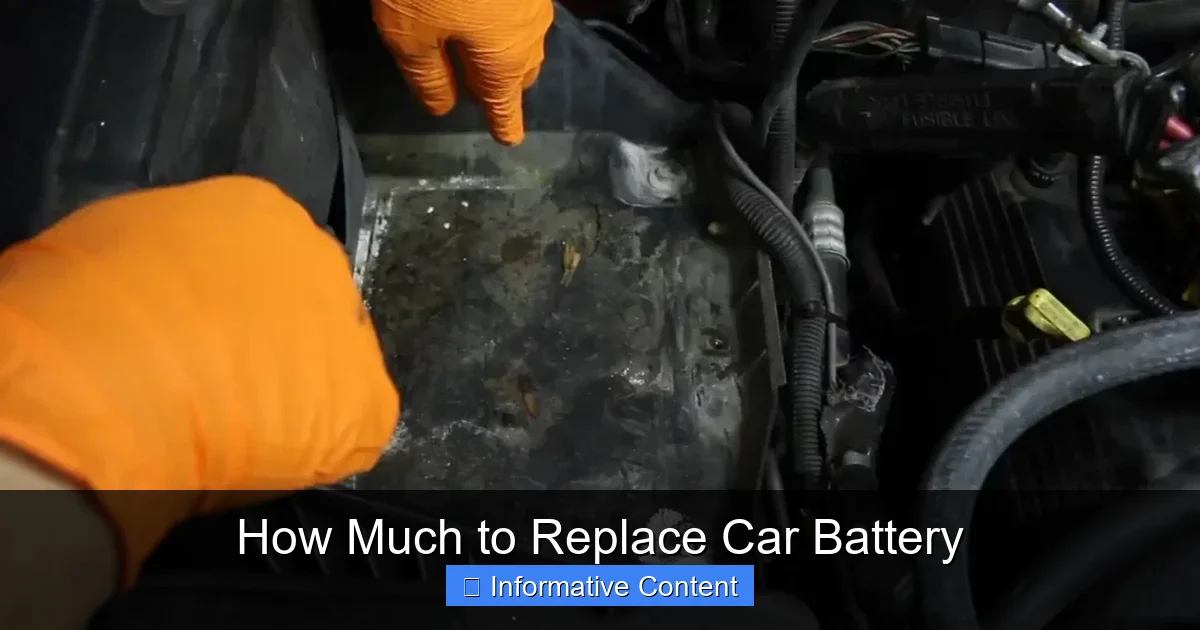
Visual guide about How Much to Replace Car Battery
Image source: bravabatteries.com
The DIY Route: Saving on Labor
If you’re comfortable with basic car maintenance and have a few tools, replacing a car battery yourself can save you a significant amount on labor costs. You’ll only pay for the battery itself. The process usually involves disconnecting the old battery, cleaning the tray and terminals, dropping in the new one, and reconnecting it. It’s generally straightforward for most vehicles.
- Cost: Battery price only ($75 – $250+) + a few dollars for basic tools if you don’t have them (e.g., a wrench, battery terminal cleaner).
- Pros: Significant cost savings, satisfaction of doing it yourself, immediate replacement if you have the battery.
- Cons: Requires some mechanical aptitude and tools, potential for incorrect installation or electrical issues if not done carefully, proper disposal of the old battery (though most auto parts stores take them for free).
Professional Service: Convenience and Expertise
For many, the convenience and peace of mind of professional installation are worth the extra cost. Mechanics, dealerships, and even some auto parts stores offer battery replacement services. They have the right tools, expertise, and can quickly diagnose any underlying issues beyond just a dead battery (like a failing alternator or starter).
- Cost: Battery price ($75 – $250+) + Labor (typically $50 – $150+, depending on the shop and vehicle complexity).
- Total Expected Cost: $125 – $400+
- Pros: Hassle-free, correct installation guaranteed, often includes diagnostic checks of your charging system, proper disposal of the old battery, peace of mind, especially for complex vehicles.
- Cons: Higher overall cost due to labor fees.
Tools and Supplies for DIY
If you go the DIY route, you’ll need a few things:
- Wrench or Socket Set: To loosen battery terminals and hold-down clamps.
- Battery Terminal Cleaner: A wire brush or post cleaner to remove corrosion.
- Battery Terminal Protector Spray: To prevent future corrosion.
- Gloves and Eye Protection: For safety, as battery acid is corrosive.
- Battery Puller/Strap: Can be helpful for lifting heavy batteries.
- Memory Saver (Optional but Recommended): A device that plugs into your car’s OBD-II port to maintain power to your vehicle’s computer while the battery is disconnected. This prevents loss of radio presets, clock settings, and engine computer memory. These cost around $10-$30.
When to Replace Your Car Battery (and Why It Matters for Cost)
Understanding when your battery is likely to fail can help you plan and budget for how much to replace car battery, rather than being caught off guard.
Common Signs of a Failing Battery
Your car often gives you warnings before the battery completely dies:
- Slow Engine Crank: The engine turns over sluggishly when you try to start it.
- Dim Headlights/Interior Lights: When the engine is off, lights might appear dim.
- Warning Light: A battery warning light on your dashboard.
- Corrosion on Terminals: A fuzzy, white, or greenish substance around the battery posts.
- Swelling or Bulging Battery Case: A sign of internal damage or overcharging.
- Odd Smell: A rotten egg smell indicates a leaking battery or overcharging.
- Frequent Jump Starts: If you need regular jump starts, your battery isn’t holding a charge.
Average Battery Lifespan
Most car batteries are designed to last between 3 to 5 years. However, this is an average, and many factors can shorten or extend this life.
The Impact of Climate and Driving Habits
Extreme temperatures, both hot and cold, are a battery’s worst enemy. Heat causes battery fluid to evaporate, leading to internal damage, while cold significantly reduces a battery’s cranking power.
Driving habits also play a role:
- Short Trips: Frequent short drives don’t allow the alternator enough time to fully recharge the battery, leading to premature wear.
- Infrequent Driving: Cars that sit for long periods slowly discharge their batteries, which can lead to sulfation and reduced capacity.
- Leaving Accessories On: Forgetting lights on or leaving accessories plugged in can drain the battery quickly.
Regular battery testing (often free at auto parts stores) can help you monitor its health and replace it proactively, rather than waiting for it to fail at an inconvenient time.
Beyond the Battery: Understanding Potential Hidden Costs
While the battery itself and labor are the main components of how much to replace car battery, there can be a few other charges that pop up.
Diagnostic Tests
If you take your car to a mechanic because it won’t start, they might perform a diagnostic test to ensure the battery is the sole issue. This can involve checking the charging system, starter, and other electrical components. While often included with a battery replacement service, some shops might charge a separate diagnostic fee ($30 – $100) if you just want it checked without committing to a replacement there.
Battery Disposal Fees
Old car batteries contain hazardous materials (lead and acid) and must be disposed of properly. Most auto parts stores will accept your old battery for recycling, often providing a core charge refund if you bring it in. If you don’t have an old battery to return, or if you dispose of it elsewhere, you might incur a small environmental or core charge (usually $10 – $20) that isn’t refunded.
Charging System Inspection
A good mechanic will always check your alternator and starter motor when replacing a battery to ensure they are functioning correctly. A faulty alternator, for example, won’t properly charge your new battery, leading to its premature failure. This inspection is usually part of the labor cost for a professional installation, but if separate work is needed on these components, that would be an additional expense.
Roadside Assistance
If your battery dies and you need a tow or roadside battery service, these can add to your total cost. Many auto clubs (like AAA) or car insurance policies include roadside assistance, which can be a lifesaver in such situations. Without it, a tow could cost anywhere from $50 to $150+, depending on the distance.
Smart Strategies to Save Money on Car Battery Replacement
Knowing how much to replace car battery is half the battle; the other half is finding ways to keep that cost down. Here are some smart strategies:
Shop Around and Compare Prices
Don’t buy the first battery you see. Check prices at various auto parts stores (AutoZone, Advance Auto Parts, O’Reilly Auto Parts, Pep Boys), big-box retailers (Walmart, Costco, Sam’s Club), and local mechanics. Online retailers also offer competitive prices, but remember to factor in shipping and core charges.
Look for Sales and Promotions
Batteries often go on sale, especially around holidays or during seasonal promotions. Keep an eye out for discounts, rebates, or coupons that can significantly reduce the price. Signing up for email lists from auto parts stores can alert you to upcoming deals.
Consider Store Brands
Many auto parts chains offer their own “house brand” batteries. These are often manufactured by major battery companies but sold at a lower price point. They usually come with comparable warranties and can offer excellent value for how much to replace car battery.
Regular Battery Maintenance
An ounce of prevention is worth a pound of cure! Extending your current battery’s life means delaying the replacement cost. Here’s how:
- Keep it Clean: Regularly clean battery terminals to prevent corrosion. A mixture of baking soda and water works well.
- Check Connections: Ensure battery cables are tight and secure.
- Test Regularly: Have your battery tested periodically, especially before winter or after 3 years of use. Many auto parts stores offer this service for free.
- Use a Trickle Charger: If your car sits for extended periods, a trickle charger can keep the battery fully charged and prevent deep discharge.
- Avoid Short Trips: If possible, combine short errands into longer drives to allow the battery to fully recharge.
Loyalty Programs and Discounts
If you’re a member of an auto club, have certain credit cards, or are part of a mechanic’s loyalty program, you might be eligible for discounts on parts or labor for battery replacement. Always ask if any discounts apply.
Conclusion
So, how much to replace car battery? As we’ve seen, it’s not a single number but a range, typically from $75 for a basic DIY replacement to over $400 for a premium battery installed professionally in a complex vehicle. The final cost hinges on the battery type, its specifications, your vehicle’s needs, and whether you choose to do it yourself or opt for professional assistance.
The key takeaway here is to be prepared and informed. Don’t wait until your car is stranded to think about your battery. By understanding the factors that affect cost, recognizing the signs of a failing battery, and knowing your options for replacement, you can make a smart, budget-friendly decision. A little proactive research and maintenance can save you a lot of headache and unexpected expense down the road. Drive safely!
🎥 Related Video: Never Change Your Car’s Battery Like This
📺 Scotty Kilmer
Never Change Your Car’s Battery Like This Subscribe for more daily vids …
Frequently Asked Questions
How often should I check my car battery?
It’s a good idea to have your car battery checked at least once a year, especially as it approaches the 3-year mark. Many auto parts stores offer free battery testing, which can help you monitor its health and plan for replacement.
Does car battery type affect replacement cost?
Absolutely, the battery type is a major cost factor. Standard lead-acid batteries are the most affordable, while AGM (Absorbed Glass Mat) and EFB (Enhanced Flooded Battery) are more expensive due to their advanced technology and improved performance, costing $150-$250 and $120-$180 respectively.
Can a failing alternator mimic a dead battery?
Yes, a failing alternator can definitely mimic a dead battery because it’s responsible for recharging the battery while the engine runs. If the alternator isn’t working properly, your battery won’t get sufficient charge, leading to power loss and eventually a dead battery, even if the battery itself is new.
Is a car battery warranty important?
A car battery warranty is very important as it protects your investment. Most batteries come with a warranty, typically 1 to 3 years of free replacement, followed by a prorated period. A longer or more comprehensive warranty often indicates a higher quality battery and provides peace of mind.
What is a core charge when buying a new battery?
A core charge is a refundable deposit added to the price of a new battery, ensuring that your old, spent battery is returned for proper recycling. When you bring your old battery back to the retailer, the core charge is refunded to you, helping to prevent hazardous waste in landfills.
Can extreme weather affect how much to replace car battery?
Extreme weather doesn’t directly affect how much to replace car battery in terms of purchase price, but it significantly impacts its lifespan. Both intense heat and severe cold put stress on a battery, often shortening its operational life and leading to earlier replacement, thus increasing your long-term battery replacement frequency and cost.