Reconnecting a car battery safely is a straightforward process when you follow the correct steps and prioritize safety. Always wear protective gear, ensure the ignition is off, and clean terminals before connecting. Remember to connect the positive (+) terminal first, then the negative (-) terminal, making sure all connections are snug but not overtightened for optimal performance and safety.
How to Reconnect a Car Battery
Ever found yourself with a dead battery, needing to replace it, or perhaps doing some work under the hood that required disconnecting the power? If so, you know that getting everything back in order, especially the battery, can feel a bit daunting. But don’t worry! Reconnecting a car battery is a common task for car owners, and with the right knowledge and a few precautions, it’s something you can absolutely do yourself.
This guide is designed to walk you through the entire process of how to reconnect a car battery, making it as simple and safe as possible. We’ll cover everything from the essential safety gear you’ll need to the exact step-by-step instructions for getting those terminals back on correctly. By the time you’re done reading, you’ll feel confident tackling this task, whether you’re a seasoned DIYer or just getting started with car maintenance.
So, let’s grab our tools, put on our safety hats, and get ready to reconnect a car battery, ensuring your vehicle is ready to hit the road once more!
Key Takeaways
- Safety First: Always wear appropriate PPE (gloves, eye protection) and ensure the vehicle’s ignition is off and the parking brake is engaged before starting.
- Cleanliness is Key: Thoroughly clean both battery terminals and cable clamps of any corrosion or dirt using a wire brush for a strong electrical connection.
- Positive Before Negative: When reconnecting, always attach the positive (red, +) cable to the positive battery terminal first, followed by the negative (black, -) cable to the negative battery terminal.
- Secure Connections: Ensure all cable clamps are tightened securely to prevent intermittent electrical issues, but avoid over-tightening which can damage the terminals.
- Post-Reconnection Checks: After reconnecting, check that the battery is properly secured and apply dielectric grease to terminals to prevent future corrosion. Be prepared to reset certain vehicle electronics.
- Avoid Sparks: Be mindful of tools coming into contact with both terminals simultaneously or grounding the positive terminal, which can cause dangerous sparks, which could make reconnecting a car battery dangerous.
Quick Answers to Common Questions
What is the correct order to reconnect car battery terminals?
Always connect the positive (+) terminal first, followed by the negative (-) terminal. This order minimizes the risk of accidental sparks or short circuits.
What tools do I need to reconnect a car battery?
You’ll typically need a wrench or socket set (usually 10mm or 13mm), a wire brush or battery terminal cleaning tool, and optionally dielectric grease to prevent corrosion.
Why should I clean the terminals before reconnecting?
Cleaning terminals removes corrosion and dirt, ensuring a strong, efficient electrical connection. Corrosion acts as an insulator, hindering power flow and potentially causing starting problems.
Is it normal to see a small spark when reconnecting the battery?
Yes, a small spark when making the final connection (the negative terminal) is usually normal. It indicates the electrical circuit is being completed and power is flowing back to the car’s systems.
What should I do if my car doesn’t start after reconnecting the battery?
First, double-check all connections to ensure they are clean and securely tightened. If the issue persists, the battery might be dead or too low on charge, or there could be an underlying electrical problem with the vehicle.
📑 Table of Contents
- Why You Might Need to Reconnect Your Battery
- Safety First: Essential Precautions Before You Begin
- Understanding Your Car Battery Terminals
- Your Step-by-Step Guide to Reconnecting a Car Battery
- What to Expect After Reconnecting Your Battery
- Common Mistakes to Avoid When Reconnecting Your Battery
- Conclusion
Why You Might Need to Reconnect Your Battery
Before we dive into the “how-to,” let’s quickly touch on why you might find yourself needing to reconnect a car battery in the first place. Understanding the reasons can help you troubleshoot future issues and maintain your car better.
Battery Replacement
This is perhaps the most common reason. If your old battery has given up the ghost and you’ve installed a shiny new one, you’ll need to know how to reconnect a car battery properly to get your vehicle powered up again.
Battery Maintenance and Cleaning
Sometimes, you might disconnect your battery to clean corrosion off the terminals. Corrosion (that fuzzy white or blue-green stuff) can impede electrical flow, leading to starting problems. After a good cleaning, you’ll need to reconnect the battery.
Electrical Work or Troubleshooting
Any time you’re working on your car’s electrical system – perhaps installing a new stereo, replacing a starter, or diagnosing an electrical short – it’s crucial to disconnect the battery first to prevent accidental shocks or damage to components. Once the work is done, it’s time to reconnect the battery.
Long-Term Storage
If you’re storing a vehicle for an extended period, disconnecting the battery can prevent it from draining slowly over time. When you’re ready to use the car again, you’ll need to reconnect the battery.
Safety First: Essential Precautions Before You Begin
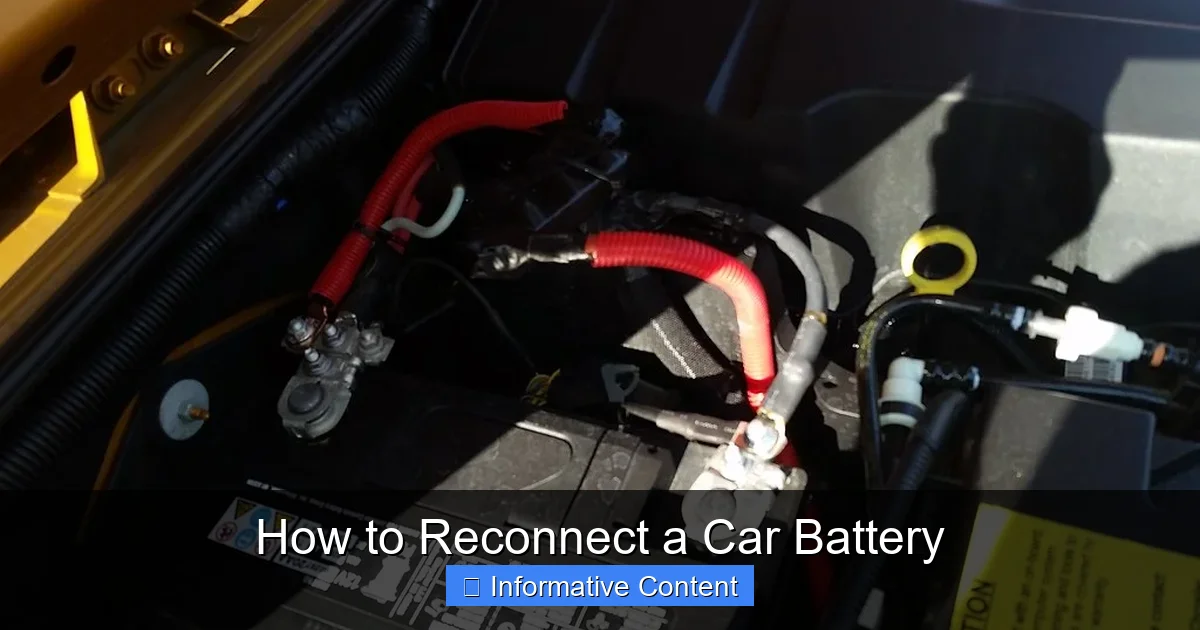
Visual guide about How to Reconnect a Car Battery
Image source: live.staticflickr.com
When it comes to working with car batteries, safety isn’t just a suggestion; it’s a necessity. Car batteries contain corrosive acid and produce flammable gases, so it’s crucial to take precautions. Think of these steps as your absolute must-dos before you even think about how to reconnect a car battery.
Personal Protective Equipment (PPE)
* Safety Glasses: This is non-negotiable. Battery acid can cause severe eye damage. Protect your peepers!
* Gloves: Heavy-duty work gloves (latex or nitrile for acid resistance) will protect your hands from acid and dirt.
* Old Clothes: Wear clothes you don’t mind getting dirty or potentially damaged by acid.
Vehicle Preparation
* Turn Off the Ignition: Make absolutely sure your car’s engine is off and the key is out of the ignition. This prevents accidental startups and protects your car’s electronics.
* Engage Parking Brake: Ensure the car is on a flat, stable surface and the parking brake is firmly engaged to prevent it from rolling.
* Ventilation: Work in a well-ventilated area. Batteries can release hydrogen gas, which is highly flammable.
Gathering Your Tools
Having everything at hand will make the job smoother and safer.
* Wrench or Socket Set: You’ll typically need a 10mm or 13mm wrench/socket to loosen and tighten the terminal clamps. Some side-post batteries might require a different size or a specialized tool.
* Wire Brush and Terminal Cleaner: Essential for scrubbing away corrosion from battery terminals and cable clamps. A battery terminal cleaning tool usually has a wire brush for posts and a cone-shaped brush for clamps.
* Dielectric Grease: Applying this after reconnecting helps prevent future corrosion.
* Battery Hold-Down Wrench (Optional): If your battery is secured by a hold-down clamp, you might need an appropriate wrench for that too.
* Baking Soda and Water (Optional): Keep a mixture handy to neutralize any spilled battery acid.
Understanding Battery Acid and Fumes
Battery acid is extremely corrosive and can cause severe burns to skin and eyes. If you get acid on your skin, flush immediately with plenty of water. If it gets in your eyes, flush for at least 15 minutes and seek immediate medical attention. Also, batteries produce hydrogen gas, which is highly explosive. Never smoke or create sparks near a battery. That’s why understanding how to reconnect a car battery safely is so critical.
Understanding Your Car Battery Terminals
Before you reconnect a car battery, it’s vital to understand the two main terminals and their significance. Getting them mixed up can lead to serious damage to your car’s electrical system or even personal injury.
Positive (+) vs. Negative (-)
* Positive Terminal (+): This terminal is usually larger in diameter and is almost always marked with a plus sign (+). The cable connected to it is typically red. This is where the power flows *out* of the battery.
* Negative Terminal (-): This terminal is usually smaller and marked with a minus sign (-). The cable connected to it is typically black. This is the ground connection, where power flows *back* to the battery.
The connection order is absolutely critical. When you disconnect a car battery, you *always* remove the negative cable first, then the positive. When you reconnect a car battery, you *always* connect the positive cable first, then the negative. This order minimizes the risk of accidental sparks and electrical shorts.
Terminal Types
Most passenger vehicles use one of two main battery terminal types:
* Top-Post Terminals: These are the most common, where the terminals are posts sticking up from the top of the battery, and the cable clamps fit over them.
* Side-Post Terminals: Less common but still found, these have threaded holes on the side of the battery where the cables screw directly in.
Regardless of the type, the positive and negative markings will always be present. Always double-check before you reconnect your battery.
Your Step-by-Step Guide to Reconnecting a Car Battery
Now that we’ve covered safety and understanding the basics, let’s get down to the actual process of how to reconnect a car battery. Follow these steps carefully, and you’ll have your car powered up in no time.
A Quick Pre-Reconnection Checklist
Before you even touch a wrench, let’s do a quick final check:
1. Safety Gear On? Eye protection and gloves? Check!
2. Vehicle Off? Ignition off, parking brake on? Check!
3. Tools Ready? Wrench, wire brush, terminal cleaner, dielectric grease? Check!
4. Cleanliness: This is super important. Take your wire brush and thoroughly clean both the positive and negative battery terminals. Scrub off any corrosion until the metal is shiny. Do the same for the inside of both cable clamps. A clean connection ensures proper electrical flow and prevents future issues after you reconnect the battery.
Connecting the Positive Terminal (Red, +)
This is the first cable you’ll reconnect.
1. Locate the Positive Cable: Identify the red cable that goes to the positive (+) terminal.
2. Position the Clamp: Place the positive cable clamp over the positive battery terminal. Make sure it’s fully seated and has good contact with the clean metal surface of the terminal.
3. Tighten the Clamp: Using your wrench, tighten the clamp nut securely. It needs to be snug enough so that you can’t twist the clamp by hand, but don’t over-tighten it. Over-tightening can strip the bolt or damage the battery terminal itself. As you tighten, you might see a small spark, which is usually normal as the electrical circuit is completed. However, if you see continuous heavy sparking or hear a sizzling sound, stop immediately and re-evaluate your connections.
4. Apply Dielectric Grease: Once the positive clamp is secure, apply a thin layer of dielectric grease over the entire connection point to help prevent corrosion.
Connecting the Negative Terminal (Black, -)
Once the positive is secure, it’s time to reconnect the negative.
1. Locate the Negative Cable: Find the black cable that goes to the negative (-) terminal.
2. Position the Clamp: Place the negative cable clamp over the negative battery terminal, ensuring it’s fully seated and making good contact.
3. Tighten the Clamp: Just like the positive, tighten this clamp securely with your wrench. Again, avoid over-tightening. A small spark might occur, which is normal.
4. Apply Dielectric Grease: Finish by applying dielectric grease to the negative connection as well.
Final Checks and Securing the Battery
You’re almost done with how to reconnect a car battery! Just a few more steps.
1. Wiggle Test: Gently try to wiggle both cable clamps. If they move, they’re not tight enough, and you’ll need to re-tighten them. Loose connections are a common cause of starting problems.
2. Secure the Battery: If your battery has a hold-down clamp or strap, make sure it’s properly secured. This prevents the battery from moving around in its tray, which can damage the terminals or the battery case.
3. Clean Up: Remove your tools and any rags. Dispose of any corrosive materials properly.
What to Expect After Reconnecting Your Battery
You’ve successfully managed to reconnect a car battery! Now, it’s time for the moment of truth. Here’s what usually happens and what you might need to do.
Starting Your Engine
Turn the key (or push the start button) and see if your car springs to life. If you’ve done everything correctly, it should start right up. If it cranks slowly or doesn’t start, re-check your connections for tightness and cleanliness. If the problem persists, the battery might be dead or low on charge (if it wasn’t new), or there could be another underlying issue.
Resetting Vehicle Electronics
One common side effect of disconnecting and then reconnecting a car battery is that many of your car’s electronic systems will reset. Don’t be surprised if you need to:
* Reset the Clock: This is almost a guarantee.
* Reprogram Radio Presets: Your favorite stations might be gone.
* Reset Power Windows: Some cars require you to ‘re-learn’ the auto up/down function for power windows by holding the button down for a few seconds after they reach the top/bottom.
* Idle Re-learn: Modern cars often have an electronic throttle body that ‘learns’ the engine’s idle characteristics. After a battery reset, the car might idle a little rough or high for the first few minutes until it re-learns. Driving it for a bit usually resolves this.
* Check Engine Light: In some cases, a “Check Engine” light might illuminate temporarily due to a stored diagnostic trouble code that needs to be cleared, or simply as part of the system re-learning. It often goes off on its own after a few drive cycles.
The Test Drive
After starting the car, it’s a good idea to take it for a short drive. This helps the engine and various electronic systems re-calibrate and ensures everything is working as it should. Pay attention to how the car drives, the dashboard lights, and any unusual noises.
Common Mistakes to Avoid When Reconnecting Your Battery
Even though reconnecting a car battery is straightforward, there are a few common pitfalls that can lead to frustration or, worse, safety hazards. Being aware of these will help you avoid them.
Incorrect Connection Order
This is the cardinal rule: when you reconnect a car battery, *always* connect the positive (+) first, then the negative (-). Reversing this order (connecting negative first) significantly increases the risk of creating a short circuit if your wrench accidentally touches a grounded metal part of the car while you’re connecting the positive terminal. This can result in sparks, damage to the battery, or even an explosion.
Loose or Over-tightened Connections
* Loose Connections: If the cable clamps aren’t tight enough, you’ll experience intermittent starting problems, dim lights, or other electrical issues. The car might not start at all. Always perform the “wiggle test” after tightening.
* Over-tightened Connections: While you want a snug fit, cranking down too hard on the terminal bolts can strip the threads on the bolt, crack the battery casing, or distort the soft lead terminals. Once stripped, you’ll have a much harder time getting a secure connection.
Neglecting Corrosion
Skipping the cleaning step before you reconnect a car battery is a recipe for future problems. Corrosion acts as an insulator, blocking the flow of electricity. Even if your car starts, a corroded connection will reduce efficiency, strain your charging system, and shorten your battery’s lifespan. Always clean those terminals until they’re shiny!
Skipping Safety Precautions
Thinking “it’ll just take a minute” and foregoing safety glasses or gloves is a dangerous gamble. Battery acid burns and exploding hydrogen gas are not risks worth taking. Always wear your PPE when working around batteries.
Ignoring Battery Security
A battery that isn’t properly secured in its tray can bounce around, leading to internal damage, terminal stress, or even short circuits. Ensure the battery hold-down mechanism is properly tightened after you reconnect the battery.
Conclusion
And there you have it! Learning how to reconnect a car battery is a fundamental skill for any car owner, empowering you to handle common battery-related tasks with confidence. By following the detailed steps in this guide – prioritizing safety, cleaning your terminals, connecting positive first then negative, and ensuring secure connections – you can perform this job correctly and efficiently every time.
Remember, a little preparation and attention to detail go a long way when working with your vehicle’s electrical system. So, the next time your battery needs a little attention, you’ll know exactly how to reconnect a car battery like a pro. Your car (and your wallet!) will thank you for it. Happy driving!
🎥 Related Video: How to Disconnect and Reconnect the Car Battery
📺 FIX MY CAR
Thank You for your Donation: https://www.paypal.com/donate/?hosted_button_id=TQ2UTNS5WDC46 SUBSCRIBE So We Can …
Frequently Asked Questions
What causes corrosion on battery terminals?
Corrosion on battery terminals is typically caused by hydrogen gas escaping from the battery and reacting with the metal terminals and surrounding air. This reaction creates lead sulfate, which appears as a white or blue-green powdery substance, inhibiting electrical flow.
How often should I check my battery terminals?
It’s a good practice to visually inspect your battery terminals for corrosion or looseness during routine oil changes or at least twice a year. Regular checks can help prevent unexpected starting problems and extend your battery’s lifespan.
Can I reconnect a car battery if it’s completely dead?
You can physically reconnect a car battery that is completely dead, but it won’t start your car. A dead battery will need to be jump-started or charged with a battery charger after reconnecting it to restore its power.
Why do my car’s electronics reset after I reconnect the battery?
When you disconnect the battery, the car’s computer (ECU) and various electronic modules lose their continuous power supply. Upon reconnecting, they effectively reboot, causing settings like the clock, radio presets, and sometimes even learned idle parameters to reset to their factory defaults.
What is dielectric grease and why should I use it?
Dielectric grease is a non-conductive, silicone-based grease that acts as a moisture barrier. Applying it to battery terminals after connecting helps prevent corrosion by sealing out moisture and air, thereby maintaining a good electrical connection over time.
Can I use any wrench to tighten battery terminals?
You can use any appropriately sized wrench or socket that fits the terminal nuts snugly. However, ensure it’s a non-ratcheting wrench or that the ratcheting mechanism is set correctly to avoid accidental short circuits if the wrench touches both terminals or a grounded metal surface.