
Car battery corrosion can hinder performance and shorten battery life, but cleaning it is a straightforward DIY task. By gathering the right safety gear and simple household items like baking soda, you can safely remove the corrosive buildup. This guide provides a detailed, step-by-step process for how to clean car battery corrosion, along with crucial safety precautions and tips for prevention, ensuring your vehicle starts reliably every time.
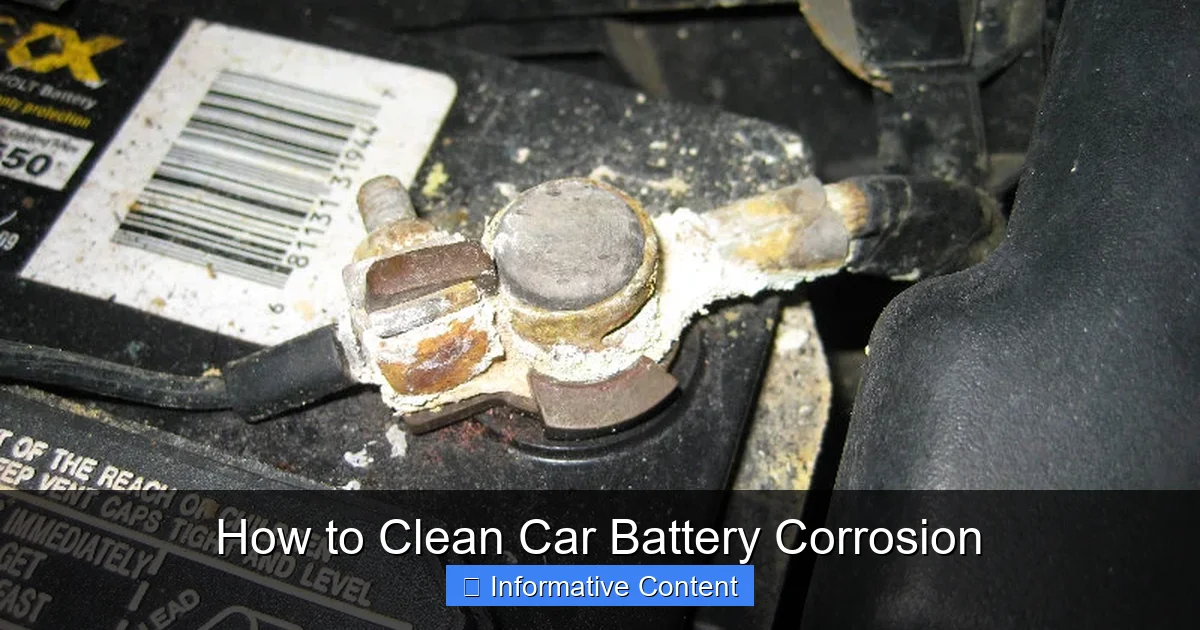
Ever pop open your car’s hood only to be greeted by a fuzzy, crusty substance around your battery terminals? That unsightly white or bluish-green mess is car battery corrosion, and it’s far more than just an aesthetic issue. This buildup can severely impact your car’s electrical system, making it harder for your battery to deliver power, leading to sluggish starts, electrical issues, or even a completely dead battery. But don’t fret! Learning how to clean car battery corrosion is a straightforward task that you can absolutely tackle yourself with a few simple tools and a little know-how.
In this comprehensive guide, we’re going to walk you through everything you need to know about cleaning car battery corrosion. We’ll cover why it happens, what tools you’ll need, step-by-step instructions for safe and effective cleaning, and, perhaps most importantly, how to prevent it from coming back. Think of this as your friendly DIY roadmap to a healthier car battery and reliable starts every single time. Let’s get that battery sparkling!
Key Takeaways
- Safety First: Always wear eye protection and gloves, and ensure good ventilation when working with car batteries to protect against acid and fumes.
- Understand the Cause: Corrosion is typically caused by hydrogen gas escaping from the battery and reacting with the surrounding metal, often signaling a normal process or potential overcharging.
- Gather Essential Tools: You’ll need items like a wire brush, baking soda, water, a battery terminal puller (optional but helpful), and terminal protectant for effective cleaning.
- Disconnect Safely: Always disconnect the negative (-) terminal first, then the positive (+) to prevent accidental short circuits, and reconnect in the reverse order.
- Baking Soda is Your Friend: A paste of baking soda and water effectively neutralizes battery acid and dissolves corrosion, making it easy to scrub away.
- Prevention is Key: After cleaning, apply anti-corrosion spray or grease, and consider using anti-corrosion washers to significantly reduce future buildup.
- Regular Inspection: Periodically check your battery terminals for signs of corrosion to address issues early and maintain optimal battery health and performance.
Quick Answers to Common Questions
What causes car battery corrosion?
Car battery corrosion is primarily caused by hydrogen gas escaping from the battery and reacting with the surrounding metal, often signaling a normal process but can also be exacerbated by overcharging, loose connections, or a cracked battery case.
Is battery corrosion dangerous?
Yes, battery corrosion itself is acidic and can cause chemical burns to skin and eyes. More importantly, the hydrogen gas emitted by batteries is highly flammable, posing a fire or explosion risk, and a corroded battery can also leave you stranded due to poor electrical connection.
What household item can clean battery corrosion?
Baking soda is an excellent household item for cleaning battery corrosion. When mixed with a small amount of water to form a paste, it effectively neutralizes the acidic corrosion, causing it to fizz and making it easier to scrub away.
How often should I clean my car battery terminals?
It’s a good practice to visually inspect your battery terminals every few months or during routine maintenance like oil changes. Clean them immediately if you notice any significant corrosion buildup, or preemptively clean them once a year to prevent problems.
Should I disconnect the battery before cleaning?
Yes, absolutely! Always disconnect the battery before cleaning the terminals to prevent accidental short circuits or electrical shocks. Remember to disconnect the negative (-) terminal first, then the positive (+).
📑 Table of Contents
Understanding Car Battery Corrosion: What It Is and Why It Happens
Before we dive into the cleaning process, let’s understand our adversary. What exactly is car battery corrosion, and why does it seem to appear out of nowhere?
The Science Behind the Scenery
Battery corrosion is typically a result of a chemical reaction. When your car battery operates, it produces hydrogen gas. This gas, along with small amounts of sulfuric acid vapor, can escape through tiny vents or around the terminals. When these gases mix with metals (like the lead terminals or copper clamps) and moisture in the air, a chemical reaction occurs, forming lead sulfate. This is the white, powdery, or sometimes bluish-green substance you see.
It’s important to note that a little bit of corrosion can be a normal byproduct of a working battery, especially if it’s a traditional flooded lead-acid battery. However, excessive corrosion can indicate other issues, such as an overcharging alternator, a cracked battery case, or loose connections that allow more gas to escape.
Why is it a Problem?
The main issue with corrosion is that it’s an electrical insulator. Your battery relies on a clean, strong connection between its terminals and the cables to efficiently transmit power to your car’s starter and electrical system. When corrosion builds up, it creates resistance, making it harder for electricity to flow. This can lead to:
- Slow or difficult engine cranking
- Dim headlights or interior lights
- Malfunctioning electrical components
- The alternator having to work harder, potentially shortening its life
- A completely dead battery, leaving you stranded
That’s why addressing battery corrosion promptly is crucial for your vehicle’s reliability and the longevity of your battery and electrical system. Learning how to clean car battery corrosion correctly ensures your car gets the power it needs.
Safety First! Essential Tools and Precautions
Working with car batteries involves electricity and corrosive chemicals, so safety is paramount. Before you even think about touching your battery, make sure you have the right gear and know the rules.
Visual guide about How to Clean Car Battery Corrosion
Image source: icrfq.net
Your Safety Checklist
- Eye Protection: Safety glasses or goggles are non-negotiable. Battery acid can cause severe eye damage.
- Gloves: Acid-resistant gloves (like rubber or nitrile) will protect your hands from corrosive acid and chemicals.
- Old Clothes: Wear long sleeves and clothes you don’t mind getting stained or damaged, as battery acid can eat through fabric.
- Ventilation: Work in a well-ventilated area to avoid inhaling hydrogen gas fumes.
- No Smoking or Open Flames: Batteries emit hydrogen gas, which is highly flammable. Keep all sparks, cigarettes, and open flames far away from the battery.
- Baking Soda Nearby: Keep a box of baking soda handy. It’s an excellent neutralizer for battery acid if there’s a spill on your skin or the car’s paint.
Tools You’ll Need
Gathering your tools beforehand will make the cleaning process smooth and efficient. You probably have most of these lying around your house or garage:
- Battery Terminal Brush: This is a specialty tool designed to clean both battery posts and cable clamps. They’re inexpensive and highly effective. An old toothbrush can work in a pinch for detailed scrubbing.
- Baking Soda: A common household item, perfect for neutralizing battery acid.
- Water: Distilled water is best, but tap water is usually fine for mixing with baking soda and rinsing.
- Wrenches: Typically 10mm or 13mm for loosening battery terminals. A crescent wrench can also work.
- Wire Brush (optional): For tougher corrosion on the battery tray or cables.
- Battery Terminal Puller (optional): If your terminals are really stuck, this tool can help remove them without damaging the battery posts.
- Shop Rags or Paper Towels: For wiping and drying.
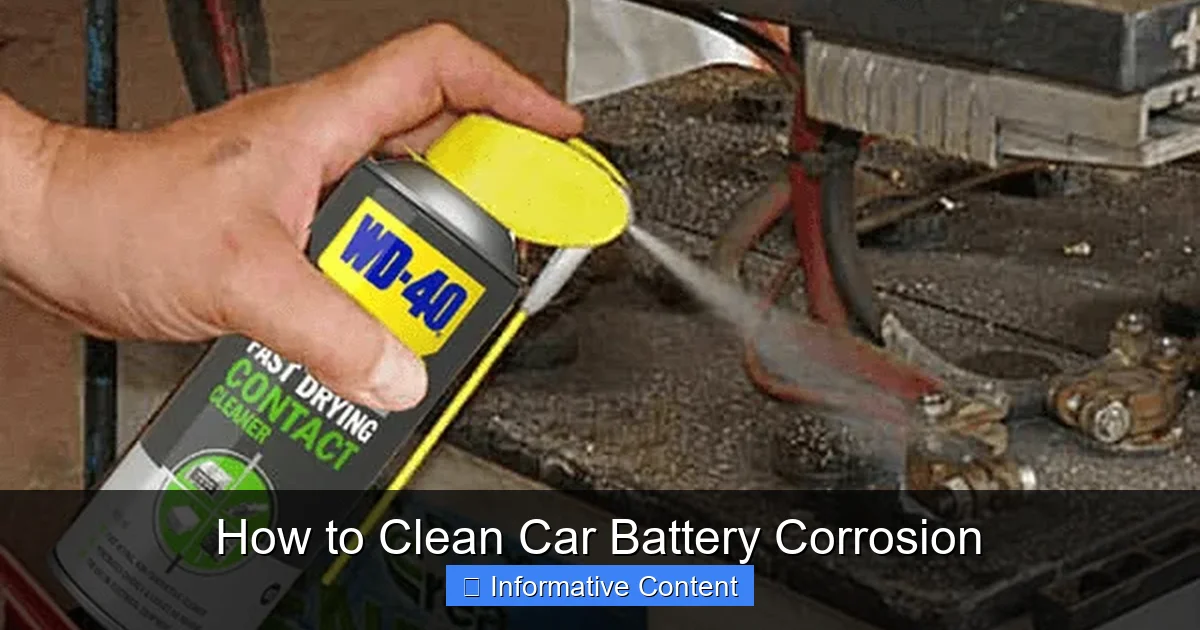
- Battery Terminal Protectant: Anti-corrosion spray or dielectric grease to prevent future buildup.
Having these items ready will prepare you thoroughly for how to clean car battery corrosion safely and effectively.
Step-by-Step Guide to Cleaning Battery Corrosion
Alright, you’ve got your safety gear on and your tools laid out. Let’s get down to the business of cleaning that corrosion! Remember to take your time and follow these steps carefully.
1. Prepare Your Vehicle and Disconnect the Battery
First things first, make sure your car is off and the parking brake is engaged. Pop the hood and locate your battery. Identify the positive (+) and negative (-) terminals. They are usually marked clearly on the battery itself and on the cable clamps.
- Disconnect the Negative Terminal First: Using your wrench, loosen the nut on the negative (-) terminal clamp. Wiggle the clamp until it’s free and move it away from the battery post so it can’t accidentally touch it again. This is crucial for safety, as it prevents accidental short circuits that could damage your car’s electrical system or even cause a spark.
- Then Disconnect the Positive Terminal: Repeat the process for the positive (+) terminal. Once both clamps are free, ensure they are positioned so they won’t accidentally reconnect during cleaning.
2. Assess and Address the Corrosion
Now that the battery is disconnected, you can get a closer look at the extent of the corrosion. Don’t be shy; examine the terminals, posts, and even the battery tray underneath.
- Make a Baking Soda Paste: In a small, non-metallic container, mix a few tablespoons of baking soda with a small amount of water to create a thick paste. This paste is your secret weapon, as baking soda is alkaline and will neutralize the acidic corrosion.
- Apply the Paste: Generously apply the baking soda paste directly onto all the corroded areas on the battery terminals, posts, and cable clamps. You’ll likely see it fizz and bubble – this is a good sign! It means the baking soda is reacting with and neutralizing the acid.
3. Scrub Away the Grime
Once the paste has had a minute or two to work its magic, it’s time to scrub.
- Clean the Battery Posts: Use the conical brush end of your battery terminal brush to scrub the battery posts. Twist it back and forth to get deep into the grooves and remove all the white or blue-green gunk.
- Clean the Cable Clamps: Use the wire brush end of your battery terminal brush (or a stiff wire brush/old toothbrush) to clean the inside surfaces of the cable clamps. It’s vital that these surfaces are perfectly clean to ensure good electrical contact when reconnected.
- Clean Other Corroded Areas: If there’s corrosion on the battery tray or surrounding areas, apply more baking soda paste and scrub with a wire brush or an old toothbrush.
4. Rinse and Dry Thoroughly
After scrubbing, you’ll need to rinse everything clean.
- Rinse with Water: Carefully pour a small amount of clean water over the cleaned terminals and posts to rinse away the baking soda residue and loosened corrosion. Be careful not to let too much water get into the battery cells if you have a non-sealed battery.
- Wipe Dry: Use clean shop rags or paper towels to thoroughly dry all the cleaned surfaces. Moisture can lead to new corrosion, so ensure everything is bone dry.
5. Apply Corrosion Protection
This step is crucial for preventing future corrosion and extending the life of your clean battery terminals.
- Apply Protectant: Once completely dry, spray a thin, even layer of anti-corrosion spray or apply a small amount of dielectric grease (also known as battery terminal grease) to both the battery posts and the inside of the cable clamps. Anti-corrosion washers can also be placed over the posts before reconnecting the cables.
6. Reconnect the Battery
Now that everything is clean and protected, it’s time to reconnect your battery.
- Connect the Positive Terminal First: Slide the positive (+) cable clamp back onto the positive (+) battery post. Tighten the nut securely with your wrench. It should be snug, but don’t overtighten, as this can damage the terminal.
- Connect the Negative Terminal Last: Repeat the process for the negative (-) cable clamp, ensuring it’s also securely tightened.
Double-check that both clamps are firmly attached and don’t wiggle. Give them a gentle tug to confirm they are secure. You’ve successfully learned how to clean car battery corrosion!
Preventing Future Battery Corrosion
Cleaning battery corrosion is satisfying, but preventing its return is even better. Here are some proactive steps you can take to keep your battery terminals sparkling clean for longer.
1. Use Battery Terminal Protectants
As mentioned in the cleaning steps, applying a protectant after cleaning is key. These products create a barrier that shields the metal from the corrosive gases and moisture. Options include:
- Anti-Corrosion Spray: These sprays create a protective film. Apply a light, even coat to the posts and clamps after cleaning and reconnecting.
- Dielectric Grease/Battery Terminal Grease: A thick, non-conductive grease that forms a barrier. Apply a thin layer to the posts and inside the clamps.
- Anti-Corrosion Washers: These felt washers are impregnated with a corrosion-inhibiting chemical. Place them over the battery posts before reconnecting the cables. They provide long-term protection.
2. Ensure Proper Battery Fit and Secure Connections
A battery that moves around can stress the terminals and lead to micro-fractures, allowing more gas to escape. Make sure your battery is securely held in its tray or by its clamp. Also, ensure the cable clamps are always tightly secured to the battery posts. Loose connections are a common cause of increased corrosion.
3. Regular Inspection and Maintenance
Make checking your battery terminals a part of your regular car maintenance routine, perhaps every oil change or every few months. A quick visual inspection can catch minor corrosion before it becomes a major problem. If you notice a tiny bit of white dust, a quick wipe with a damp cloth can often take care of it before it escalates to needing a full “how to clean car battery corrosion” treatment.
4. Check Battery Water Levels (for Flooded Batteries)
If you have a traditional flooded lead-acid battery (not a maintenance-free or AGM battery), you may need to periodically check and top off the electrolyte levels with distilled water. Low electrolyte levels can contribute to gassing and corrosion. Always refer to your battery’s specific maintenance instructions.
5. Monitor Your Charging System
An overcharging alternator can cause your battery to “boil,” leading to excessive gassing and corrosion. If you frequently find severe corrosion, even after cleaning and using protectants, it might be worth having your car’s charging system (alternator and voltage regulator) checked by a mechanic. This could be an underlying issue that needs professional attention.
When to Seek Professional Help or Replace Your Battery
While learning how to clean car battery corrosion is a valuable skill, there are times when it’s best to call in the professionals or consider a battery replacement.
Signs It’s Time for Professional Help
- Severe, Pervasive Corrosion: If the corrosion is extremely heavy, has spread extensively beyond the terminals, or appears to be eating away at the battery case itself, it might indicate a more serious issue like a severely cracked case. A mechanic can assess the damage and safely handle its removal.
- Cracked Battery Case: Any visible cracks or bulging on the battery case are red flags. This means acid is actively leaking, which is dangerous and usually necessitates immediate battery replacement by a professional.
- Persistent Electrical Problems: If you’ve cleaned the corrosion, applied protectant, and still experience sluggish starts, dim lights, or other electrical issues, the problem might lie deeper than just surface corrosion. It could be a failing battery, alternator, starter, or wiring issue that requires diagnostic tools to pinpoint.
- Discomfort or Lack of Confidence: If you’re uncomfortable working with car batteries or feel unsure about any step, don’t hesitate to take your car to a trusted mechanic. Your safety is always the top priority.
When to Consider Battery Replacement
Even with meticulous cleaning and maintenance, car batteries have a finite lifespan, typically 3-5 years. If your battery is showing any of these signs, it might be time for a new one:
- Age: If your battery is more than 3-5 years old, it’s nearing the end of its typical lifespan, even if it seems okay.
- Difficulty Starting: If your engine cranks slowly, especially in cold weather, even after cleaning corrosion, the battery may no longer hold a full charge.
- Frequent Jumps: Needing jump starts often is a clear sign of a dying battery.
- Swollen Battery Case: This is a dangerous sign indicating internal damage or overcharging, and the battery should be replaced immediately.
- Battery Light On: If your battery warning light illuminates on your dashboard, it’s time for a professional check.
Remember, a reliable battery is essential for your car’s performance and your peace of mind. Regular maintenance, including knowing how to clean car battery corrosion, combined with timely replacement, will keep you on the road safely.
Conclusion
Car battery corrosion might look intimidating, but as you’ve seen, learning how to clean car battery corrosion is a manageable and important DIY task. By following the steps outlined in this guide – prioritizing safety, using the right tools, and applying a little elbow grease – you can effectively remove corrosive buildup, restore optimal electrical connections, and significantly extend the life of your car battery.
Beyond just cleaning, remember that prevention is your best friend. Regular inspections, applying protectants, and ensuring secure connections will go a long way in keeping that fuzzy white stuff from returning. A clean battery is a happy battery, and a happy battery means reliable starts and a smoothly running electrical system for your vehicle. So, grab your gloves and baking soda, and give your car’s heart the care it deserves!
🎥 Related Video: How to Clean Corroded Car Battery Terminals like a Pro
📺 YOU Can Fix Anything: Auto
How to Clean Corroded Car Battery Terminals like a Pro is your go-to guide for quickly and safely restoring your car’s electrical …
Frequently Asked Questions
What is the white powder on my car battery?
The white, powdery substance you see on your car battery terminals is typically lead sulfate, which forms when hydrogen gas and small amounts of sulfuric acid vapor escape the battery and react with the lead terminals. It’s a common form of battery corrosion.
Can battery corrosion drain a battery?
Yes, battery corrosion can effectively drain a battery by creating resistance in the electrical connection. This resistance prevents the battery from charging efficiently and hinders its ability to deliver full power to your car’s electrical system, leading to sluggish performance or a dead battery.
Is it bad to pour Coca-Cola on battery terminals?
While Coca-Cola is sometimes suggested due to its phosphoric acid content, it’s generally not recommended for cleaning battery corrosion. It leaves a sugary residue that can attract dirt and cause new corrosion, and baking soda and water are a much safer and more effective alternative.
What does blue or green corrosion mean on a battery?
Blue or green corrosion usually indicates the presence of copper compounds, meaning the corrosion has reacted with the copper content in your battery cables or clamps. This type of corrosion is just as problematic as white corrosion and should be cleaned similarly.
Do anti-corrosion washers actually work?
Yes, anti-corrosion washers can be quite effective. These felt washers are typically impregnated with a chemical that neutralizes acid vapors, providing an additional layer of protection against corrosion forming around the battery posts and cable connections.
When should I replace my battery instead of just cleaning it?
You should consider replacing your battery if it’s over 3-5 years old, shows signs of cracking or bulging, frequently needs jump starts even after cleaning, or if your car’s electrical system continues to act up despite clean terminals. Severe, rapidly recurring corrosion can also indicate an underlying battery issue.